A 2025 Guide to X-Ray Inspection Advantages and Disadvantages
X-ray systems provide unmatched detection of dense contaminants like metal, glass, and stone. Businesses must weigh this superior safety against significant capital investment and specialized operational needs. In 2025, an x ray machine for food processing sees greater accessibility through AI and improved sensor technology.
2025 Market Snapshot 📈
Year Market Size (USD Billion) 2024 2.50 2025 2.61
Key Advantages of X-Ray Inspection Systems
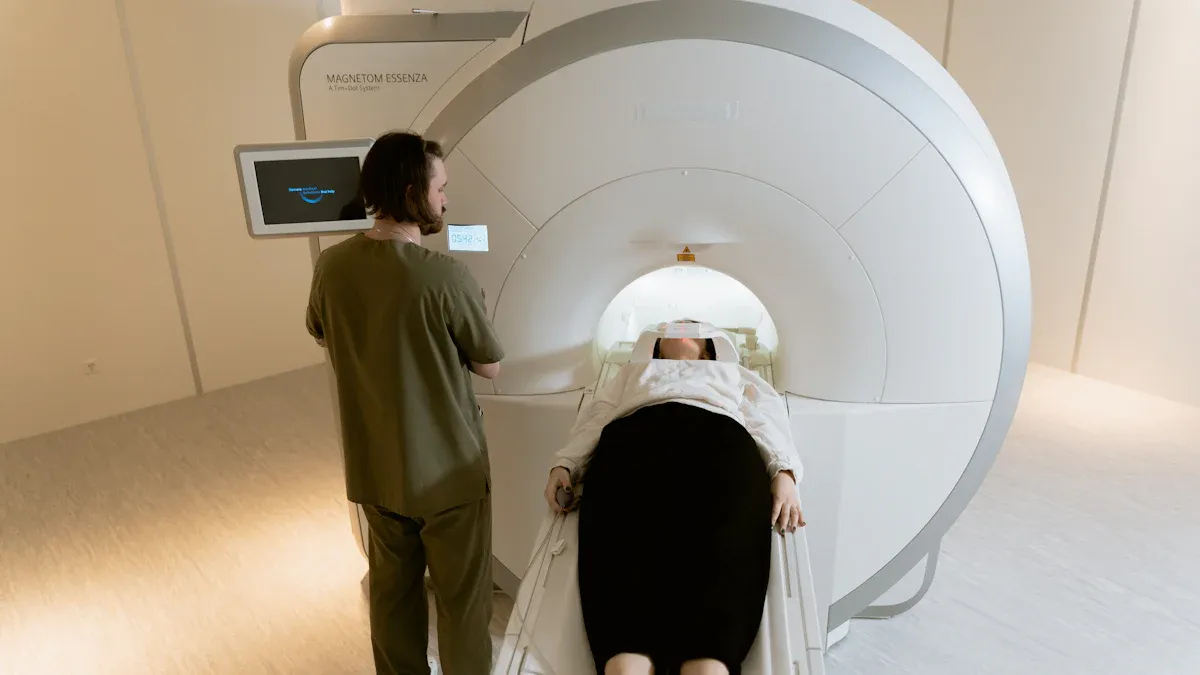
X-ray inspection systems offer significant benefits that extend far beyond simple contaminant detection. These advantages empower manufacturers to enhance product safety, protect their brand, and optimize production efficiency. In 2025, these systems are more crucial than ever for maintaining a competitive edge in the food and beverage industry.
Superior Contaminant Detection
X-ray inspection technology provides an exceptional ability to identify a wide range of foreign bodies. Unlike metal detectors that rely on magnetic fields, X-ray systems use density differences to "see" inside products. This allows them to detect not only metals but also non-metallic contaminants.
- Broad Detection Scope: X-ray systems excel at finding dense materials like glass, ceramic, stone, and calcified bones.
- Packaging Penetration: They are essential for products with metallic packaging, such as foil lids or metallized film, where metal detectors are ineffective. X-rays pass through aluminum foil, allowing for clear inspection of the contents inside.
- Metal Detection Prowess: X-ray systems perform as well as or better than metal detectors for most metals, especially stainless steel. While metal detectors are better at finding low-density aluminum, X-rays offer a more comprehensive solution for various metal types.
This advanced capability ensures a higher level of safety. For example, a frozen food manufacturer can use an x ray machine for food processing to find small bone fragments in gyoza dumplings, a task that is impossible for other inspection methods.
Enhanced Brand Protection and Trust
A single product recall can have devastating consequences for a company. It can lead to massive financial losses, damage consumer trust, and reduce market share. Academic research confirms that product recalls negatively impact a company's stock price, with the effect being more severe for recalls involving high-risk products.
Case Study: The Cost of a Recall Merck & Company's recall of Vioxx in 2004 provides a stark example. The company's stock price dropped over 26% on the day of the announcement, erasing about $25 billion in market capitalization. The event led to billions more in legal settlements and fines, demonstrating the long-term financial fallout.
By investing in X-ray inspection, companies demonstrate a proactive commitment to safety. This technology acts as a powerful defense against recalls caused by physical contaminants. It helps build and maintain consumer trust, which is a priceless asset for any brand.
Comprehensive Quality Checks
Modern X-ray systems are multi-functional tools that perform numerous quality control tasks simultaneously, far beyond just finding contaminants. Using advanced software, these systems analyze X-ray images to verify several product attributes at high speeds.
| Quality Check Function | Description |
|---|---|
| Mass Measurement | Verifies that the product's weight is within the specified tolerance. |
| Component Counting | Ensures all items are present in multi-pack products, like chocolates in a box. |
| Fill Level Verification | Checks that containers are filled to the correct level, preventing underfills and overfills. |
| Seal Integrity | Detects food particles trapped in package seals, which can compromise freshness and safety. |
| Product Integrity | Identifies broken, misshapen, or damaged products, such as cracked cookies or voids in patties. |
These comprehensive checks help manufacturers reduce waste, ensure product consistency, and improve overall quality, all from a single machine on the production line.
Using an X Ray Machine for Food Processing
The versatility of an x ray machine for food processing makes it invaluable across different sectors. Each industry faces unique challenges, and X-ray technology provides tailored solutions.
- Bakery: In the bakery sector, systems can detect voids in bread, confirm the correct amount of jam filling in a doughnut, and ensure an even distribution of seeds on a bun.
- Meat and Poultry: For meat and poultry, X-ray systems are crucial for detecting small bones. Advanced algorithms help distinguish between fat, muscle, and bone, reducing false rejections in products with variable density.
- Bulk Products: When inspecting bulk-flow products like grains, nuts, or raisins, X-ray systems are often placed at the beginning of the production line. This early detection of contaminants like stones or glass prevents damage to downstream equipment and reduces the cost of wasted ingredients. An x ray machine for food processing designed for bulk flow can inspect up to 40,000 lbs per hour.
Companies like the Stephano Group, a granola manufacturer, and Kri Kri, a Greek yogurt producer, have successfully integrated X-ray systems to enhance their foreign body detection programs and ensure product integrity.
Improved Regulatory Compliance
Meeting global food safety standards is non-negotiable. X-ray inspection systems help manufacturers comply with rigorous standards benchmarked by the Global Food Safety Initiative (GFSI), including:
- BRC Global Standard for Food Safety
- Safe Quality Food (SQF) Code
These standards require documented food safety management systems. X-ray inspection provides a critical control point that is easily documented and verified by auditors. The technology creates a complete, traceable record of every inspected product. This documentation serves as proof of due diligence for regulatory bodies like the FDA, demonstrating a company's commitment to producing safe food. The FDA has confirmed that X-ray inspection does not harm food, supporting its role as a reliable compliance tool.
Increased Production Uptime
Automated X-ray inspection significantly boosts production efficiency by minimizing downtime. Manual inspection is prone to human error, with fatigue and subjectivity leading to missed defects and inconsistent results. Research shows manual inspectors can miss 15% of defects on average, a number that can rise with long shifts.
Automation vs. Manual Inspection ⚙️ Automated systems achieve accuracy rates up to 99.86%, whereas manual inspectors can miss 20-30% of defects. This superior accuracy drastically reduces the false rejection rate, meaning less good product is wasted and the line doesn't stop unnecessarily.
Modern X-ray systems operate at incredible speeds, inspecting thousands of items per minute without sacrificing accuracy. For example, some systems can achieve belt speeds of up to 120 meters per minute. By automating inspection, manufacturers reduce bottlenecks, increase throughput, and ensure consistent quality, leading to higher overall production uptime.
Significant Disadvantages of X-Ray Inspection Systems
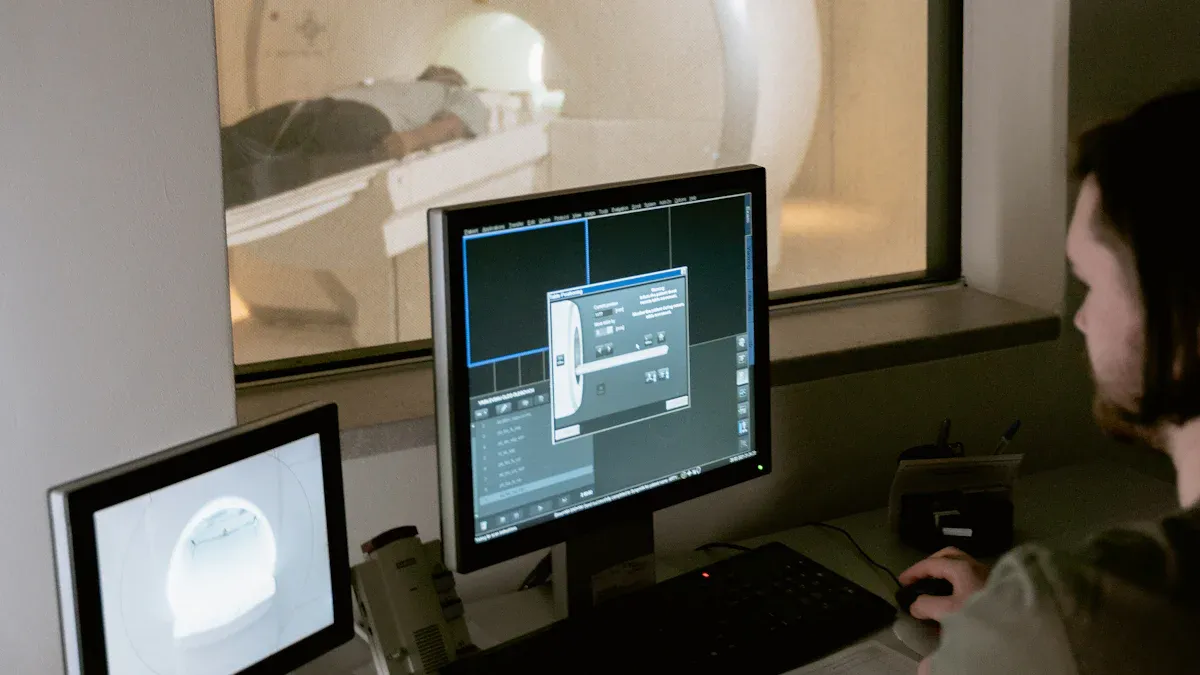
While X-ray inspection offers unparalleled advantages, manufacturers must also consider its significant drawbacks. The decision to invest requires a careful evaluation of high costs, strict safety protocols, and operational limitations. Understanding these challenges is essential for making an informed choice.
High Initial Investment
The most significant barrier for many companies is the high initial capital expenditure. X-ray inspection systems are complex machines that represent a major financial commitment compared to other quality control equipment like metal detectors. The price varies based on the system's size, features, and technological sophistication.
2025 Price Snapshot 💰 The capital outlay can be substantial. These 2025 price estimates show the typical investment required for different system tiers.
| System Type | Price Range (USD) |
|---|---|
| Entry-level | $60,000 to $120,000 |
| High-end (Advanced) | $150,000 to $500,000+ |
This cost can be prohibitive for small to medium-sized enterprises, making it a difficult investment to justify without a clear return on investment analysis.
Ongoing Operational and Maintenance Costs
The expenses do not end after the initial purchase. X-ray systems have ongoing operational costs that must be factored into the budget. These include:
- Energy Consumption: The systems require a consistent power supply, contributing to utility bills.
- Replacement Parts: Key components like the X-ray generator and detector have a finite lifespan and are expensive to replace.
- Routine Maintenance: Regular servicing by qualified technicians is necessary to ensure the system operates safely and accurately.
- Software Updates: Accessing new features or improved detection algorithms may require additional payments.
These recurring costs add to the total cost of ownership over the system's lifetime.
Strict Radiation Safety Requirements
X-ray systems use ionizing radiation, which demands strict adherence to safety regulations to protect workers. In the United States, employers must follow standards set by agencies like the Occupational Safety and Health Administration (OSHA) and the Nuclear Regulatory Commission (NRC).
OSHA's Ionizing Radiation standards (such as 29 CFR 1910.1096 for general industry) mandate that employers implement comprehensive safety programs.
Employer Responsibilities Under OSHA Under standard 29 CFR 1910.1096, employers must:
- Monitor occupational exposure to keep doses within legal limits.
- Survey the work area for radiation hazards.
- Provide appropriate personal protective equipment (PPE).
- Post caution signs, labels, and signals in designated areas.
- Offer detailed instruction and training to all relevant personnel.
Failure to comply with these regulations can result in severe penalties, legal action, and a dangerous work environment.
Requires Skilled Operators and Training
Operating an X-ray inspection system is not a simple task. It requires specialized knowledge to configure the machine, interpret images, and manage safety protocols. Companies must invest in comprehensive training for their personnel.
Training programs, like those offered by Rapiscan-ASE or North Star Imaging, cover essential topics such as radiation theory, system operation, and basic image analysis. Operators often need to pass written exams and hands-on assessments to receive certification. These certifications may need to align with industry standards like ASNT No. SNT-TC-1A or NAS 410. This need for skilled labor adds another layer of complexity and cost to implementation.
Limitations with Low-Density Contaminants
X-ray inspection works by detecting differences in density. While excellent for finding metal, glass, and stone, it struggles to identify low-density contaminants. These materials have a density similar to the food product itself, making them nearly invisible to the X-ray beam.
Commonly missed low-density contaminants include:
- Wood splinters
- Hair and insects
- Paper or cardboard
- Most plastics (e.g., Polyethylene)
- Thin glass fragments
However, technology is evolving. Dual-energy X-ray technology (MDX) offers a solution by using two different energy levels to analyze material composition, not just density. This allows it to detect inorganic materials like flat glass or stones even in "busy" images with lots of texture, such as a bag of mixed nuts or cereal.
Product and Packaging Constraints
The effectiveness of an X-ray inspection system can be influenced by the product itself. Variations in a product's density, thickness, and temperature can affect the clarity of the X-ray image and the system's accuracy.
For example, higher temperatures cause products to expand and become less dense, which can alter scan results. High moisture content can also make different items appear similar in a scan. Frozen products present their own challenges, as frost can interfere with image clarity and natural variations (like stems in frozen vegetables) can be mistaken for contaminants. An x ray machine for food processing must be carefully calibrated for specific product characteristics to minimize false rejections and ensure reliable performance.
X-ray inspection provides unparalleled safety benefits, protecting brand reputation and consumer trust. The primary hurdles remain high initial costs and the need for skilled personnel. A thorough cost-benefit analysis is essential for any business considering this technology.
Future trends indicate AI advancements will make these systems more accessible and powerful.
FAQ
Is X-ray inspection safe for food?
Yes, it is completely safe. The U.S. Food and Drug Administration (FDA) confirms that X-ray inspection does not harm food or affect its nutritional value. The energy levels are very low.
Which is better: a metal detector or an X-ray system?
X-ray systems offer broader protection. They detect non-metallic contaminants like glass, stone, and bone. Metal detectors only find metal, making X-ray inspection a more comprehensive safety solution.
How do X-ray systems provide a return on investment (ROI)?
These systems deliver ROI by preventing costly recalls and protecting brand trust. They also reduce product waste and increase production uptime, which improves overall operational efficiency and profitability.
See Also
Top Chinese Suppliers for Acquiring Quality X-Ray Inspection Machines
Analyzing Plate Pack Benefits and Cost-Effectiveness for the Year 2025
Enhancing System Performance: Three Methods Using PHE Plates in 2025
Unveiling the Advantages of Commercial Heat Exchangers for Businesses in 2025
Comparing EHEDG Guidelines and 3A SSI Standards for Optimal Hygienic Design