X-Ray Food Detection Systems A Look at the Good and the Bad
Physical contaminants pose a significant threat to food safety. Recent data shows their widespread impact:
- Foreign materials were a leading cause of USDA recalled pounds, at 37.9%.
- Contaminants like metal, plastic, and glass drove a 60% increase in FDA recalls in one year.
Advanced x ray detection for food offers a powerful defense. It excels at finding dense foreign bodies. However, manufacturers must weigh this benefit against the initial investment, operational demands, and the varying capabilities of different X-ray systems.
Single Energy Systems: The Industry Standard
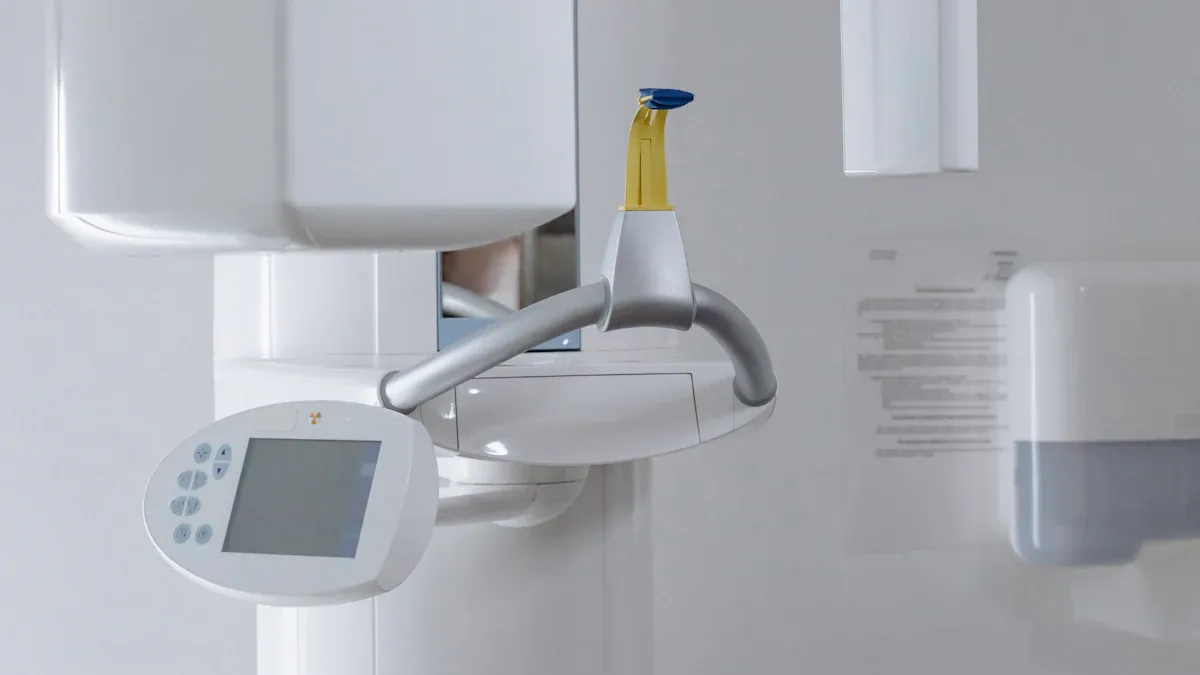
Single energy X-ray systems are the workhorses of the food inspection world. They operate by projecting a single, uniform X-ray beam through a product to create a grayscale image. Denser contaminants absorb more energy, appearing as darker spots on the image, which allows the system to identify and reject the affected product.
Pros: Cost-Effective and Reliable
Single energy systems represent the most common type of X-ray inspection in the food industry. Their widespread adoption stems from a balance of performance and affordability. For manufacturers upgrading from basic metal detection, these systems offer a practical entry point into advanced inspection. Entry-level systems for basic needs can begin as low as $8,550, while standard units for moderate throughput typically range from $60,000 to $120,000. These machines reliably detect dense foreign bodies like metal, glass, and calcified bone, offering a significant upgrade over traditional metal detectors. 🛡️
Cons: Limited Low-Density Detection
The primary drawback of single energy technology is its struggle with low-density contaminants. Materials like plastics, paper, wood, and insects often have densities similar to the food product itself. This similarity can make them "virtually invisible" to a single energy X-ray beam, as they do not absorb enough energy to create a distinct contrast in the image.
This detection gap has led to notable recalls, including:
- Fratelli Beretta chicken salads contaminated with hard white plastic.
- Ajinomoto Foods potstickers recalled due to plastic fragments.
Because these systems have difficulty distinguishing low-density items from the food they are inspecting, they are not the ideal solution for manufacturers whose primary risks involve materials like soft plastics or wood.
Dual Energy Systems: Enhanced Discrimination

Dual energy X-ray systems represent a significant technological leap over single energy models. These machines project two distinct X-ray beams at different energy levels through the product simultaneously. The system analyzes the absorption rate of each beam, providing a more detailed data set for identifying foreign objects.
Pros: Superior Material Differentiation
The primary advantage of dual energy technology is its ability to differentiate materials based on their chemical composition. It achieves this by measuring the ratio of energy absorbed from the two beams, which allows it to estimate a material's effective atomic number (Z_eff). This capability provides a powerful advantage.
Algorithms can use the atomic number data to classify substances. Organic materials (most food products) have a low atomic number, while inorganic contaminants like glass, stone, and metal have higher atomic numbers.
This process enables the system to detect low-density inorganic contaminants that a single energy system might miss. It effectively distinguishes the food from the foreign body, even when their densities are very similar. This enhanced discrimination significantly reduces the risk of recalls from contaminants like flat glass or rubber. 🔬
Cons: Higher Cost and Complexity
The advanced capabilities of dual energy systems come with a higher price tag and increased operational complexity. The initial investment is substantially greater than for single energy units, making them a more significant capital expenditure.
| Feature | Single Energy | Dual Energy |
|---|---|---|
| Initial Cost | Lower | Higher |
| Complexity | Simpler | More Complex |
| Calibration | Basic | Advanced |
Beyond the purchase price, these systems require more sophisticated software and calibration. Operators may need additional training to manage the technology effectively and optimize its detection algorithms. This added complexity is a crucial factor for manufacturers to consider when evaluating the total cost of ownership.
Material Discrimination (MDX): The Advanced Solution
Material Discrimination X-ray (MDX) technology stands at the apex of food inspection. It refines the principles of dual energy systems to offer an even higher level of precision. MDX utilizes a sophisticated dual-layer detector and two distinct energy spectrums. This setup allows the system to measure the ratio of X-ray energies absorbed by an object, effectively determining its chemical makeup.
Pros: Unmatched Detection Capabilities
The primary strength of MDX is its ability to differentiate organic materials (food) from inorganic contaminants (foreign bodies) with exceptional accuracy. It analyzes a material's atomic number, making it powerful enough to find foreign objects that other systems miss. This technology makes it possible to identify contaminants previously invisible to standard X-ray inspection.
MDX excels at detecting challenging, low-density inorganic items, such as:
- Flat glass shards in products like mixed nuts
- Low-mineral stones or rocks
This capability provides manufacturers with the highest level of brand protection against a wide range of physical hazards. 🎯
Cons: Premium Cost and Throughput Speed
This advanced protection comes at a premium. MDX systems represent the most significant capital investment among X-ray inspection options. The sophisticated hardware and software required contribute to their high price point.
Note: The complex data analysis performed by MDX can also impact processing speeds. Manufacturers must weigh the need for maximum detection against their production line's throughput requirements.
For high-volume operations, this potential reduction in speed is a critical factor. The decision to invest in MDX requires a careful balance between achieving unparalleled food safety and maintaining operational efficiency.
Comparing Systems: Which X Ray Detection for Food is Right for You?
Choosing the right system requires a careful analysis of your specific needs. The best x ray detection for food balances cost, detection capability, and product characteristics. A thorough evaluation ensures a manufacturer selects a solution that protects both consumers and their brand.
Initial Investment and Cost of Ownership
The initial purchase price is a primary consideration. Single energy systems offer the most accessible entry point, while dual energy and MDX systems represent a more significant capital investment. However, the total cost of ownership extends beyond the initial price. It includes factors like operator training, maintenance requirements, and potential downtime. More complex systems like dual energy and MDX may demand more specialized knowledge to operate and calibrate effectively.
High-Density vs. Low-Density Contaminant Detection
A system's effectiveness depends heavily on the type of contaminant risk. Single energy systems reliably find high-density foreign bodies like metal and stone. They struggle when a product's image appears "busy" due to varying densities, like in a salad mix. This visual noise can hide low-density plastics. Dual energy and MDX systems overcome this challenge. They use chemical composition analysis to distinguish contaminants from the food, even in complex products.
Best-Use Cases by Product Type
The ideal x ray detection for food varies by product. Product texture and packaging play a crucial role in system selection.
| X-ray System Type | Product Texture | Detection Capability |
|---|---|---|
| Single Energy | Homogeneous (e.g., butter, yogurt) | Works best for detecting contaminants |
| Dual Energy/MDX | Heterogeneous (e.g., salad, mixed nuts) | Superior sensitivity based on chemical composition |
Specific applications often require specialized systems:
- Bulk-Flow Products: For items like nuts, grains, and cereals, bulk-flow X-ray systems are ideal. They inspect loose products before packaging and use precise air-blast rejection to remove contaminants with minimal product waste.
- Ready Meals in Foil: Inspecting products in aluminum trays or metallized foil poses a challenge for standard detectors. Advanced systems can inspect these convenience foods without interference from the packaging, reliably finding contaminants like stainless steel.
Key Factors Beyond System Type
Selecting an X-ray system involves more than comparing detection technologies. Manufacturers must also evaluate how a machine will integrate into their production environment and its long-term value.
Operational Efficiency and Throughput
Modern X-ray systems are designed for high-speed production lines. They provide real-time scanning and rejection, which prevents pauses for manual inspection and maximizes throughput. Investing in an automated inspection system directly improves productivity, helping suppliers meet demanding quotas. Automated rejection further enhances efficiency by reducing labor needs and minimizing false rejects, which strengthens quality assurance programs.
Safety, Compliance, and Maintenance
Operator safety is paramount. Modern systems include robust safety features like stainless steel shielding, radiation-blocking curtains, and electronic interlocks that immediately shut off the X-ray source if an access panel is opened.
These systems are also essential for regulatory adherence. They help manufacturers meet global food safety requirements, including:
- HACCP (as a Critical Control Point)
- FDA FSMA (as a preventive control)
- BRC Global Standards
Digital logs from the system improve traceability and provide the documentation needed to prove compliance. Regular maintenance, from daily visual checks to annual professional service, ensures the system operates reliably and is more cost-effective than expensive emergency repairs.
Resale Value and Long-Term Viability
The long-term value of an X-ray system depends heavily on manufacturer support. Ongoing assistance and access to software updates are critical. Subscription services can provide the latest AI algorithms without requiring new hardware, extending the equipment's useful life. This support ensures the system remains a viable, leading-edge tool, protecting the initial investment and controlling long-term costs.
Selecting the ideal x ray detection for food requires a specific approach. A manufacturer's product, budget, and risk assessment determine the best system. Evaluating common contaminant threats clarifies whether a single energy system suffices or if an advanced solution is a necessary investment. The optimal x ray detection for food balances robust safety compliance with practical financial considerations.
FAQ
Is X-ray inspection safe for food?
Yes, it is completely safe. Food passes through the beam too quickly to be harmed. 🍲 The energy levels are very low and do not affect the food's safety or quality.
How much does an X-ray system cost?
Costs vary widely based on technology.
Entry-level single energy systems can start around $8,550. Advanced dual energy or MDX systems represent a much larger capital investment, often exceeding $120,000.
See Also
Discover Top Chinese Suppliers for X-Ray Inspection Machines Today
Essential Industrial Checkweighers: A Must-Have for Every Food Plant
Capsule Checkweighers to Evaluate for Purchase in the Year 2025
Understanding Pharmaceutical Checkweighers: Key Features and Their Importance
Tablet Sampling Machines: An Ultimate Guide for Laboratory Selection