What Makes WPC Panels Ideal for Contemporary Interior Design
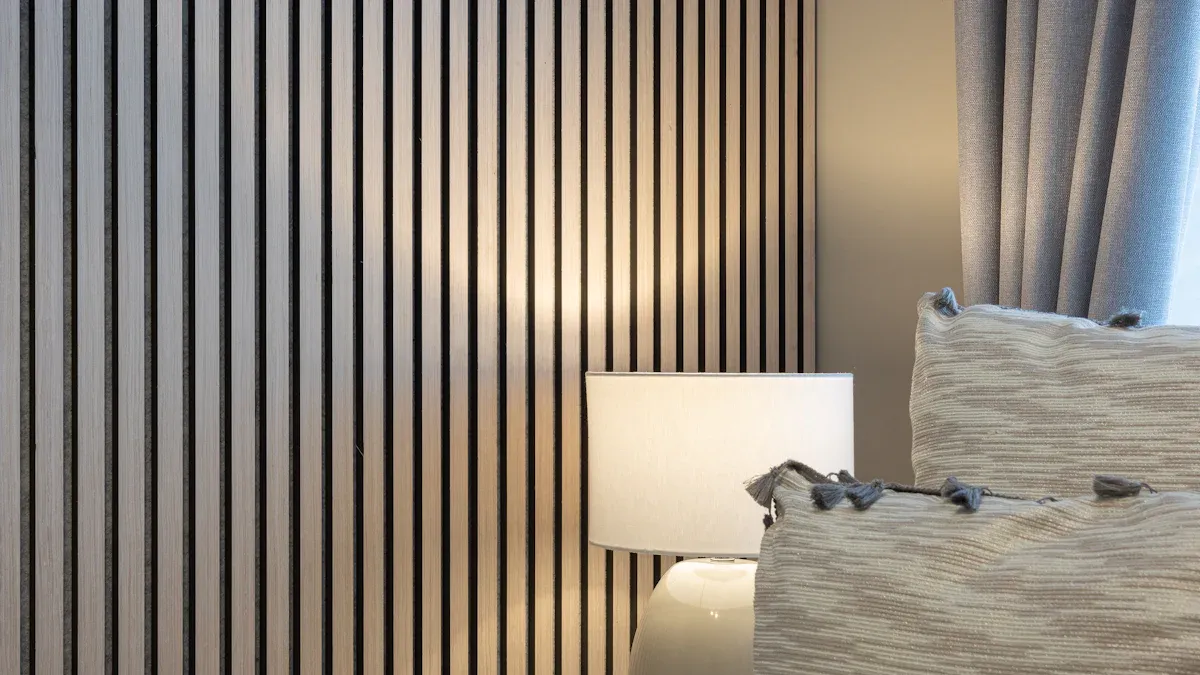
When you choose WPC Panel For Interior, you get a strong and stylish solution for your space. The panels feel like real wood and look high-end.
| Reason for Choosing WPC Panels | Description |
|---|---|
| Durability | WPC panels are known for their high durability, making them suitable for various applications in interior design. |
| Aesthetic Appeal | They achieve a natural wood texture, providing a high-end visual effect for architectural decoration. |
You enjoy easy installation and spend less time on maintenance. These panels use recycled materials and help reduce chemical treatments, making your choice better for the environment.
Key Takeaways
- WPC panels combine wood and plastic, offering durability and a high-end look for modern interiors.
- These panels are eco-friendly, made from recycled materials, and help reduce your carbon footprint.
- WPC panels require minimal maintenance, saving you time and money compared to traditional wood.
- They resist moisture and fire, making them ideal for kitchens, bathrooms, and other high-humidity areas.
- With a variety of colors and textures, WPC panels provide design flexibility for any style, from modern to rustic.
Defining Features of WPC Panel For Interior
What Are WPC Panels?
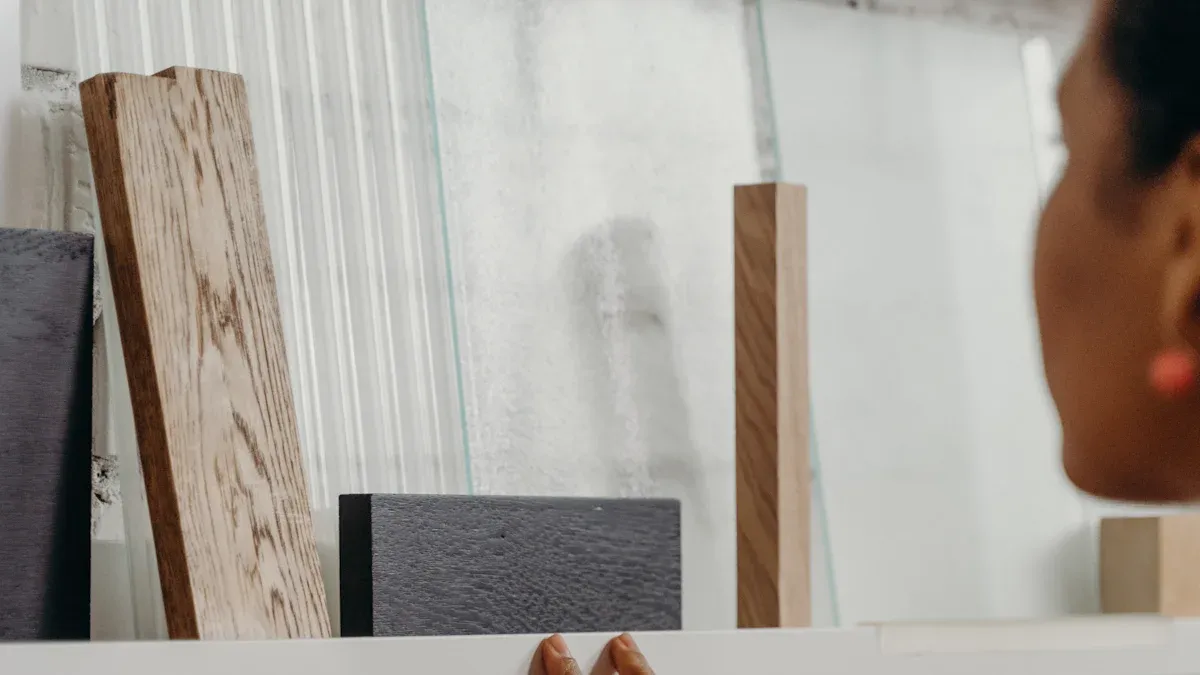
You may wonder what sets WPC panels apart in interior design. WPC stands for Wood Plastic Composite. These panels combine wood fibers and plastic to create a strong, versatile material. You get the look and feel of wood, but with added benefits. WPC Panel For Interior offers a modern solution for homes and offices. You can use them for walls, ceilings, and decorative features.
Tip: WPC panels help you achieve a stylish space without the drawbacks of traditional wood.
Material Composition and Technology
The composition of WPC panels makes them unique. You find two main types: panels with higher wood content and those with more plastic. If you want a warm, wood-like appearance, choose panels with 50–70% wood. These work well for luxury interiors and feature walls. For areas with high humidity, like kitchens or bathrooms, panels with 30–50% plastic give you better moisture resistance and protection from termites.
Here is a table showing how composition affects performance:
| Composition Type | Characteristics | Applications |
|---|---|---|
| Higher Wood Content (50–70%) | Warmer look, needs surface protection in humid areas | Luxury interiors, feature walls |
| Higher Plastic Content (30–50%) | Moisture resistance, termite protection, prevents warping | Kitchens, bathrooms, basements |
| Hollow Core Panels | Lightweight, cost-effective, best for decorative uses | Decorative wall coverings |
| Solid Core Panels | Robust, suitable for high-traffic and load-bearing installations | Commercial corridors, shelving |
Technology has improved WPC panels over time. You benefit from better insulation and sound absorption. These panels last up to 30 years and need little maintenance. You also find many colors and textures, giving you more design choices.
Key Characteristics for Modern Spaces
WPC Panel For Interior brings several features that suit modern spaces. You get durability, moisture resistance, and low maintenance. These panels resist rot and insects, so you spend less time worrying about repairs. You also help the environment because WPC panels use recycled materials.
Here is a quick look at what makes WPC panels stand out:
| Feature | Description |
|---|---|
| Environmental friendly | Made from recycled materials, reduces deforestation and plastic waste |
| Durability | Resistant to rot, moisture, and insects |
| Low maintenance | Needs only regular cleaning, less upkeep than solid wood |
| Aesthetic versatility | Many colors and textures, mimics wood, fits diverse design styles |
You can create stylish, functional spaces with WPC panels. Their strength and variety make them a smart choice for contemporary interiors.
Benefits of WPC Panel For Interior in Contemporary Design
Design Flexibility and Versatility
You want your space to reflect your style. WPC Panel For Interior gives you many options for design. You can choose from a wide range of colors, textures, and finishes. These panels fit modern, rustic, industrial, Scandinavian, and even traditional styles. You can install them vertically or horizontally to change the look and feel of a room. You can use them for accent walls, ceilings, or decorative trims.
Here is a table that shows how WPC panels compare to traditional materials in design flexibility:
| Feature | WPC Panels | Traditional Materials |
|---|---|---|
| Design Flexibility | Wide range of design possibilities | Limited design options |
| Maintenance | Low maintenance | High maintenance |
| Customization | Highly customizable | Less customizable |
| Weight | Lightweight and easy to install | Heavy and complex installation |
| Durability | Durable and moisture resistant | Varies, often less durable |
| Aesthetic Variety | Mimics various materials | Limited to natural appearances |
| Insulation | Good thermal and acoustic insulation | May require additional insulation |
You can see that WPC Panel For Interior offers more choices and easier installation. You can create a unique look for every room.
Designers use WPC panels in many styles. Here is a table with examples:
| Design Style | Textures & Finishes | Design Tips |
|---|---|---|
| Modern Minimalist | Smooth, matte, or satin finish; monochromatic color schemes. | Vertical or horizontal installation to elongate the room; pair with minimalist furniture. |
| Rustic | Pronounced wood grain texture; warm browns and distressed grays. | Combine with stone accents and cozy textiles for a warm, inviting space. |
| Industrial | Mimics raw materials; dark, matte finishes. | Pair with exposed brick and metal fixtures; use as accent walls. |
| Scandinavian | Light wood grain texture; matte or satin finish; light color palette. | Use on accent walls or to line entire rooms for a cohesive feel. |
| Contemporary | Bold colors and patterns; high-gloss or matte finishes. | Use as feature walls to create focal points in rooms. |
| Traditional | Refined wood grain texture; polished or semi-gloss finish; darker wood tones. | Use in formal spaces; incorporate traditional furniture and rich textiles. |
| Eclectic | Varied colors, textures, and finishes; mix and match designs. | Combine different colors and patterns creatively; balance variety to avoid overwhelming the space. |
Tip: You can mix and match finishes to create a space that feels personal and fresh.
Durability and Longevity
You want your interior to last. WPC Panel For Interior stands out for its strength and long lifespan. These panels resist impacts, dirt, and grime. You do not need to worry about scratches or dents. The panels also resist fire, UV rays, and corrosion. You get peace of mind knowing your walls and ceilings will look good for years.
Here is a table that shows the durability features of WPC panels:
| Durability Feature | Description |
|---|---|
| Impact Resistance | Absorbs and dissipates energy, less prone to damage from impacts. |
| Pollution Resistance | Repels dirt and grime, easy to clean and maintain. |
| Fire Resistance | Does not ignite easily, B1 combustion test level, reduces fire risks. |
| UV Resistance | Resists UV rays, prevents brittleness and discoloration. |
| Corrosion Resistance | Resists rust and corrosion, performs well in moist or corrosive environments. |
You can expect WPC panels to last much longer than wood or PVC panels. Here is a list of average lifespans:
- WPC panels last between 20 to 30 years.
- Traditional wood panels have a lifespan of about 10-15 years.
- PVC panels typically last around 10-20 years.
Note: You spend less time and money on repairs and replacements when you choose WPC Panel For Interior.
Eco-Friendly and Sustainable
You care about the environment. WPC Panel For Interior uses recycled wood fibers and plastics. This reduces waste and helps protect forests. You do not need to use harsh chemicals for cleaning or maintenance. The panels do not release harmful substances into your home. You help create a healthier indoor space for your family.
You also support sustainability. Manufacturers use eco-friendly processes to make WPC panels. You reduce your carbon footprint by choosing materials that last longer and need fewer replacements.
Callout: By choosing WPC Panel For Interior, you make a positive impact on the planet and your living space.
Moisture and Fire Resistance
You want your interior panels to stand up to moisture and fire. WPC Panel For Interior gives you strong protection in both areas. When you use these panels, you avoid problems like mold, rot, and warping. Independent lab tests show that WPC panels keep their shape and strength even after 72 hours in water. This makes them a smart choice for kitchens, bathrooms, and basements.
Here is a table that compares moisture resistance across popular panel types:
| Feature | WPC Panels | Solid Wood | Gypsum Board | Industry Benchmark |
|---|---|---|---|---|
| Moisture Resistance | Excellent | Poor | Fair | Good |
You see that WPC panels perform better than wood and gypsum. Wood absorbs water and can grow mold or rot. Gypsum board does not handle water well and may crumble. WPC panels excel in damp or humid areas.
Tip: You can use WPC panels in places where other materials fail due to moisture.
Fire resistance is also important for safety. WPC panels meet fire safety regulations. You get panels that resist ignition and slow down the spread of flames. Manufacturers add fire-retardant chemicals to make them even safer. These features help you follow building codes and protect your home or office.
- WPC sheets meet fire safety regulations, so you stay compliant.
- They show high resistance to ignition and flame spread, which lowers fire risks.
- Fire-retardant additives boost their fire-resistant properties.
You get peace of mind knowing your panels help keep your space safe from fire and water damage.
Low Maintenance Requirements
You want panels that look good without a lot of work. WPC panels need less care than wood or PVC. You do not have to sand, paint, or treat them often. Most of the time, you only need to clean them with a damp cloth. This saves you time and money.
Here is a table that shows how much maintenance different panels need:
| Panel Type | Maintenance Requirements |
|---|---|
| WPC | Requires less maintenance than traditional wood but may need occasional sealing or staining, especially in outdoor applications. |
| PVC | Virtually maintenance-free, needing only occasional cleaning with a damp cloth. |
You see that WPC panels need less work than wood. Wood panels need regular painting and sealing. PVC panels are easy to clean but may not look as natural as WPC.
To keep your WPC panels looking great, follow these steps:
- Establish a regular cleaning routine. Clean your panels often to keep them fresh.
- Address stains and spills promptly. Wipe up spills right away to prevent stains.
- Implement preventive measures. Use mats and furniture protectors to avoid scratches.
- Deal with scratches and damage. Buff out light scratches or use repair kits for deeper marks.
- Conduct regular inspections. Check for damage or discoloration so you can fix problems early.
Note: You spend less time on upkeep with WPC panels. You get more time to enjoy your space.
WPC Panel For Interior helps you create a stylish room with less effort. You do not need to worry about constant repairs or cleaning. You get a modern look that lasts.
Practical Applications of WPC Panel For Interior
Wall Paneling Solutions
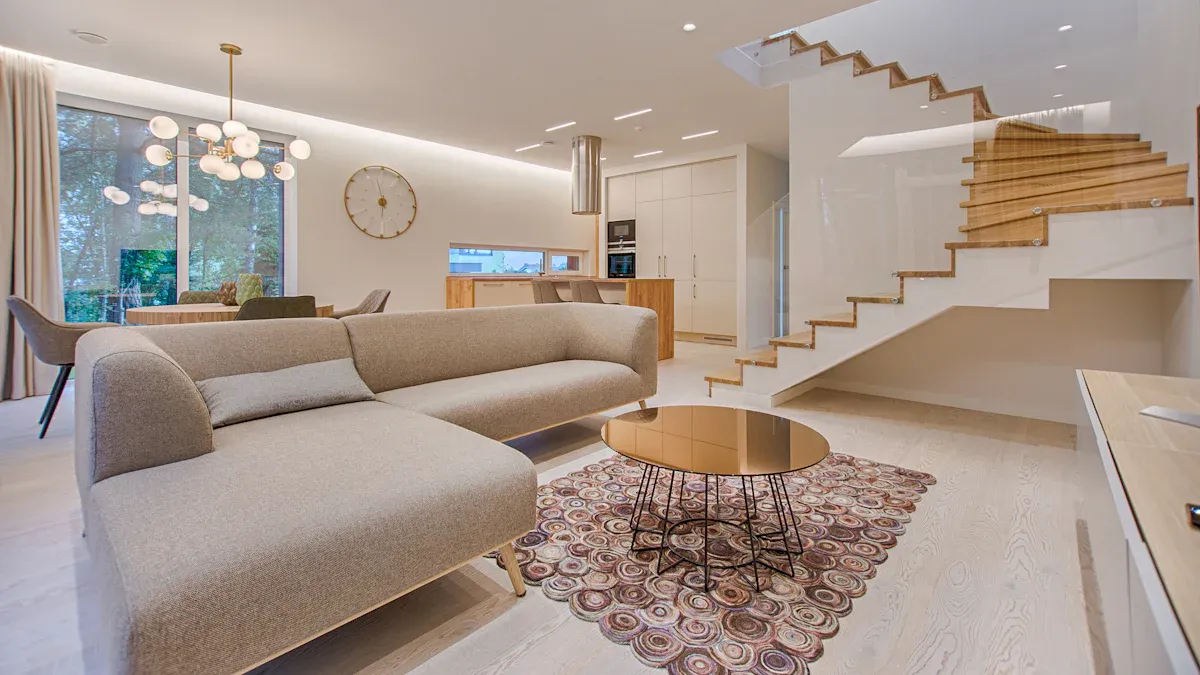
You can use WPC panels to create stylish and functional wall surfaces in both homes and businesses. These panels come in many types, sizes, and finishes. Some popular options include brushed white fluted panels for a clean look, gold vein marble panels for elegance, and acoustic wood slat panels for soundproofing. You can see how these choices compare in the table below:
| Panel Type | Size | Features |
|---|---|---|
| 10-pack brushed white WPC fluted 3D paneling | 42.9 sq. ft. | Clean, minimal aesthetic |
| Luxe gold vein marble UV-protected PVC panel | 4x8 ft | Fireproof, waterproof elegance |
| Silver gray metallic WPC panels | N/A | Acoustic diffusion, modern style |
| Acoustic wood slat panels | 94.5 x 24 in | Soundproofing functionality |
| 3D fluted curved WPC wall panels | N/A | Versatile, contemporary design |
| 3D UV marble sheet with symmetrical patterns | N/A | Luxurious appeal |
You can match these panels to your design goals, whether you want a modern, cozy, or luxurious space.
Ceiling Treatments
You can use WPC panels to upgrade your ceilings. These panels last longer than traditional materials and need less care. You get many design and color options, so you can match your ceiling to your room’s style. WPC panels resist water and moisture, which helps prevent warping and cracks. You also avoid harmful substances, making your home safer for everyone.
- WPC panels offer better durability and stability.
- You get waterproof and moisture-proof protection.
- These panels are safe for families, including children and pregnant women.
Tip: Choose WPC panels for ceilings in kitchens, bathrooms, or any area where moisture is a concern.
Accent and Feature Walls
You can create eye-catching accent and feature walls with WPC panels. Many designers use 3D textures and unique patterns to add depth and interest to living rooms, bedrooms, and offices. You can also find these panels in hotel lobbies, restaurants, and cafes to set a special mood. The table below shows how you can use these panels in different spaces:
| Key Features | Application Areas |
|---|---|
| 3D textures enhance visual appeal | Feature Walls: Living rooms, bedrooms, offices |
| Variety of patterns and styles | Hotel Lobbies: Striking backdrops |
| Suitable for modern, artistic spaces | Restaurants and Cafes: Unique atmosphere |
| Easy to maintain |
You can easily clean and maintain these walls, so your space always looks fresh and inviting.
Trim and Decorative Elements
When you design a space, you often look for ways to add finishing touches. WPC panels help you achieve a polished look with trim and decorative elements. You can use these trims to cover gaps, protect edges, and create smooth transitions between surfaces. Many designers choose WPC trims because they match the panels and offer the same durability.
You find several types of trims made from WPC panels. Each type serves a different purpose. Here are some of the most common options:
- Starter Trims: You use these at the beginning of a panel installation. They help you create a neat starting edge and hide uneven surfaces.
- L-Shape Trims: You place these on corners or edges. They protect the corners from damage and give your walls a crisp, finished look.
- Corner Trims: You install these where two panels meet at an angle. They cover the joint and prevent moisture or dust from getting inside.
You can select trims in different colors and finishes. This allows you to match or contrast with your wall panels. You create a custom look that fits your style.
Tip: You can use WPC trims to frame doors, windows, or even mirrors. This adds detail and makes your space feel complete.
The table below shows how each trim type can improve your interior:
| Trim Type | Main Use | Benefit |
|---|---|---|
| Starter Trim | Starting panel runs | Clean edges, easy alignment |
| L-Shape Trim | Corners and edges | Protection, sharp appearance |
| Corner Trim | Panel joints at angles | Seals gaps, prevents damage |
You do not need special tools to install WPC trims. Most trims snap or glue into place. You save time and avoid messy installations. You also spend less time on maintenance because WPC trims resist moisture, stains, and scratches.
Decorative elements made from WPC panels include moldings, frames, and even custom shapes. You can use these to highlight features or add texture to plain walls. You make your space unique and stylish with very little effort.
WPC trims and decorative elements help you finish your design with confidence. You get a professional look that lasts for years.
Comparing WPC Panel For Interior to Traditional Materials
WPC vs. Wood
When you compare WPC panels to wood panels, you notice big differences in cost, durability, and care. WPC panels cost more at first, but you save money over time because you do not need to spend much on maintenance. Wood panels may seem cheaper, but you often pay more later for repairs and upkeep.
| Aspect | WPC Panels | Wood Panels |
|---|---|---|
| Cost | Higher upfront cost but lower maintenance costs | Lower initial cost but higher long-term costs due to maintenance |
| Durability | Resistant to moisture, insects, and UV exposure; lasts 20-30 years | Vulnerable to rot, termites, and UV degradation; requires frequent maintenance |
| Environmental Impact | Made from recycled materials, lower carbon footprint | Renewable but can lead to deforestation if not sourced sustainably |
| Maintenance | Virtually maintenance-free | Requires regular maintenance (staining, sealing) |
| End-of-Life Disposal | Recyclable and supports circular economy | Untreated wood can be composted; treated wood may be hazardous |
You also find that WPC panels are easier to install. You can often do it yourself. Wood panels usually need a professional. Cleaning WPC panels is simple with soap and water. Wood needs special cleaners and regular sealing.
| Aspect | WPC Wall Panels | Wood Panels |
|---|---|---|
| Installation | Easy to install, can be DIY | Requires professional installation |
| Maintenance | Low maintenance, no sanding or sealing | High maintenance, requires regular care |
| Cleaning | Simple with soap and water | Requires special cleaners |
| Durability | Weatherproof, no warping | Prone to bending and warping |
Tip: If you want less work and longer-lasting results, WPC panels are a smart choice.
WPC vs. PVC
You might wonder how WPC panels compare to PVC panels. Both offer easy care, but their materials and performance differ.
| Feature | WPC Panels | PVC Panels |
|---|---|---|
| Material Composition | Made from wood fibers and plastic polymers | Composed entirely of plastic |
| UV Resistance | Better UV resistance, may fade slightly | Color-through formulation, less fading |
| Moisture Resistance | Absorbs up to 0.5% of weight in water | Completely waterproof |
| Sustainability | Utilizes recycled materials | Non-biodegradable, less eco-friendly |
- WPC panels give you a more natural look and better UV resistance.
- PVC panels resist water better and need almost no care.
- WPC panels use recycled materials, so they are better for the environment.
Note: Choose WPC panels if you want a greener option with a wood-like feel.
WPC vs. Gypsum and Other Panels
You see more benefits with WPC panels when you compare them to gypsum and other panels. WPC panels resist moisture and damage better than gypsum. Gypsum panels can crack or crumble if they get wet. WPC panels last longer and keep their shape.
- WPC panels work well in kitchens, bathrooms, and basements.
- Gypsum panels suit dry areas but need repairs if exposed to water.
- WPC panels offer more design choices and colors.
You get a strong, stylish, and low-maintenance solution with WPC panels. This makes them ideal for modern interiors.
Installation and Maintenance Guide for WPC Panel For Interior
Installation Process Overview
You can install WPC panels with basic tools and a few simple steps. The process is quick and does not require special skills. Here is a table that shows the main steps:
| Step | Description |
|---|---|
| Measuring | Measure the WPC wall panel and the wall to ensure accurate fitting. You may need to cut panels. |
| Applying adhesive | Apply an even coat of adhesive to the back of the first panel and install it on a clean wall. |
| Securing panels | Use screws to secure the panels for added sturdiness and to prevent damage or falling off. |
You need some common tools and materials for the job:
- WPC wall panels
- Measuring tape
- Level
- Drill
- Screws
- Saws
- Adhesives
- Safety glasses and gloves
Tip: Always wear safety glasses and gloves to protect yourself during installation.
Maintenance Tips and Best Practices
You will find that WPC panels need very little care. You can keep them looking new with a few easy steps:
- Wipe the panels with a damp cloth to remove dust and dirt.
- Clean spills right away to prevent stains.
- Check for loose screws or panels and tighten them if needed.
- Avoid harsh chemicals that may damage the surface.
You do not need to sand, paint, or seal WPC panels. This saves you time and effort. Regular cleaning keeps your panels fresh and bright.
Cost-Effectiveness and Value
You get great value when you choose WPC panels for your interior. These panels have a mid-range initial cost, but you save money over time because they last long and need little maintenance. Natural wood costs more in the long run due to repairs and replacements. PVC panels may seem cheaper at first, but they wear out faster and need frequent changes.
- WPC panels offer cost savings over 10–15 years.
- They are durable and require minimal upkeep.
- The installation process is efficient, saving you labor costs.
- You enjoy a strong return on investment because WPC panels last for decades.
Note: WPC panels give you a smart, long-lasting solution for both homes and businesses.
You can transform your space with WPC Panel For Interior. These panels offer style, strength, and sustainability. You get a smart investment for homes and businesses. The table below shows why many people choose WPC panels:
| Feature | Benefit |
|---|---|
| Lightweight | Easy to carry and install |
| Moisture Resistance | Works well in humid rooms |
| Low Maintenance | Saves you time and money |
| Eco-Friendly | Uses recycled materials |
| Aesthetic Appeal | Looks like real wood with many finishes |
| Excellent Durability | Lasts for years without cracking or splitting |
| Ease of Installation | Simple for both professionals and DIY projects |
- Made from recycled wood fibers and plastic waste
- Supports a circular economy and helps save natural resources
Tip: When you choose WPC panels, you bring innovation and long-term value to your interior design.
FAQ
What makes WPC panels different from regular wood panels?
WPC panels combine wood fibers and plastic. You get a product that resists moisture, insects, and warping. These panels last longer than regular wood and need less maintenance.
Can you install WPC panels by yourself?
You can install WPC panels with basic tools. Measure your space, cut the panels, and use adhesive or screws. Most people finish the job without professional help.
Are WPC panels safe for homes with children or pets?
WPC panels use non-toxic materials. You do not need harsh chemicals for cleaning. These panels resist scratches and stains, making them safe and practical for busy homes.
Where can you use WPC panels inside your home?
You can use WPC panels on walls, ceilings, and accent areas. These panels work well in kitchens, bathrooms, living rooms, and basements. You get a stylish look in every space.
How do you clean and care for WPC panels?
Wipe WPC panels with a damp cloth. You do not need special cleaners. Address spills quickly. Regular cleaning keeps your panels looking new.