Woven Net Fabric Uses From Garments to Artistic Creations
You see woven net fabric in many forms, from airy mesh in sportswear to decorative trims in cultural attire. This fabric features a unique open structure with small, regular holes. Its popularity keeps rising as the global woven fabric market aims for $498.7 billion by 2034. You can choose from options like Laid Scrim, Laminated Scrims, or Polyester Netting Laid Scrim for different projects. Some specialty types, such as Aluminum Foil Composite PVOH PVC 3x3mm Thin Flooring Laid Scrim Mesh, offer both strength and flexibility. Makers and designers value these fabrics for both creative and practical uses.
Key Takeaways
- Woven net fabric is versatile, suitable for garments, crafts, and home decor. Explore its uses in your next project.
- Choose the right type of woven net fabric for your needs. Soft net is great for delicate clothing, while polyester mesh offers strength.
- Incorporate woven net fabric into your activewear for breathability and moisture-wicking properties. Stay cool during physical activities.
- Use woven net fabric creatively in DIY projects. Make reusable bags, decorative accents, or unique home decor items.
- Care for your woven net fabric by hand washing or using a delicate cycle. Proper care extends the life of your fabric.
Woven Net Fabric: Definition and Types
How Woven Net Fabric Is Made
You create woven net fabric by interlacing two sets of yarns. The warp yarns run along the length, and the weft yarns run across the width. This process forms a stable grid with small, regular openings. The size and shape of these openings depend on how you set the yarns and the weaving technique you choose.
You can use different raw materials for this fabric. Some common choices include:
- Natural fibers
- Synthetic fibers
- A mix of both, such as cotton blended with polyester
Several weaving techniques help you achieve the mesh-like structure. Here are the main ones:
- Plain Weave: You alternate each weft yarn over and under the warp yarns. This creates a strong and simple fabric.
- Twill Weave: You pass the weft over and under multiple warp yarns, making a diagonal pattern.
- Satin Weave: You pass the weft over several warp yarns and under one, giving a smooth finish.
- Jacquard Weave: You use a special loom to control each warp yarn, allowing for complex patterns.
- Dobby Weave: You make small geometric patterns, similar to Jacquard but on a smaller scale.
- Leno Weave: You twist adjacent warp yarns to create an open, mesh-like fabric. This method is common for nets.
Tip: Leno weave is the most popular for making net fabrics because it gives you a strong yet open structure.
Key Characteristics
Woven net fabric stands out because of its open, mesh-like construction. This design lets air, light, and even liquids pass through easily. You will notice that the size, shape, and placement of the holes affect how the fabric works in different projects.
Here are some important features:
- The fabric feels lightweight and airy, which makes it comfortable to wear.
- It offers excellent breathability, often called "the fabric that breathes."
- You get high abrasion resistance, so the fabric lasts longer even with frequent use.
- The material dries quickly and is easy to clean.
- Polyester mesh fabric gives you extra strength and chemical resistance, along with breathability and less weight.
- The open structure helps with filtration and drainage, making it useful for sportswear and outdoor gear.
Mesh fabrics like this perform better than many traditional textiles. You will find them less stiff and much more comfortable, especially for activewear. They wick away moisture and allow your skin to breathe.
Common Types
You can choose from several types of woven net fabric, each with its own special features. The table below shows two popular options:
| Type of Net Fabric | Distinguishing Features |
|---|---|
| Soft net | Used in wedding gowns, dupattas, sarees, and other delicate garments |
| Embroidery Net Fabric | Features detailed embroidery, perfect for evening wear and bridal fashion |
You will also find other types, such as utility nets for bags or sports equipment, and decorative nets for crafts and home décor. Each type serves a unique purpose, so you can pick the best one for your project.
Woven Net Fabric in Garments and Apparel
Overlays and Sheer Layers
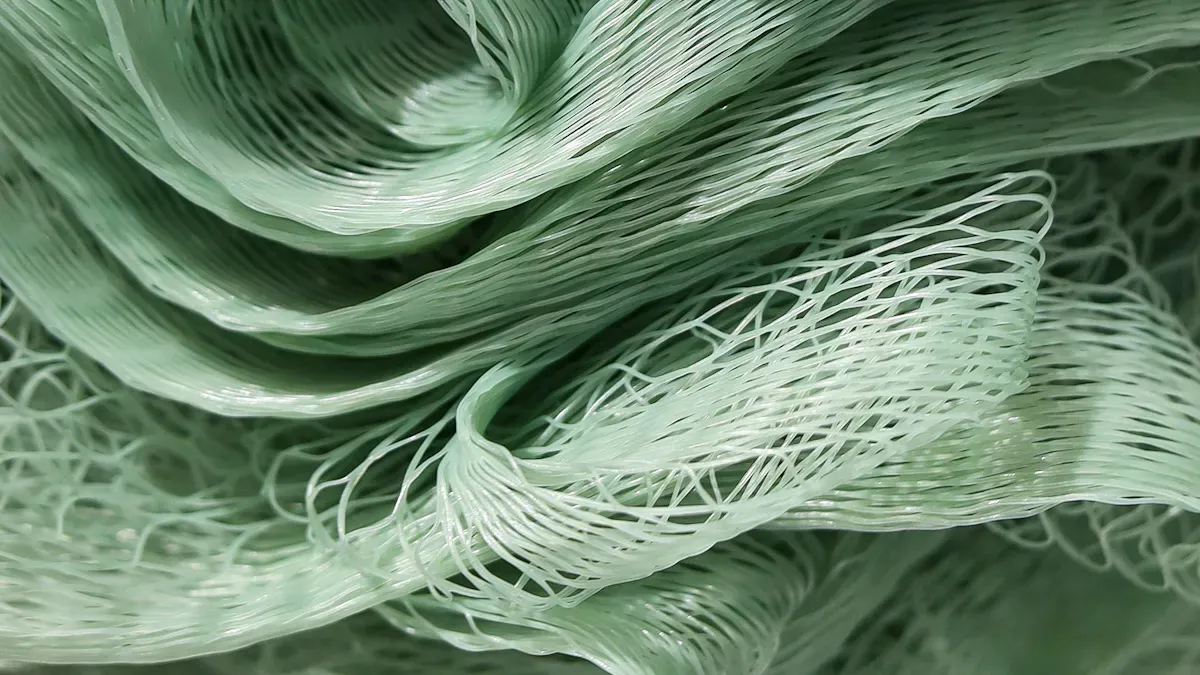
You often see woven net fabric used as overlays on dresses, skirts, and blouses. These layers add depth, texture, and dimension to clothing, making simple designs more interesting. For example, many evening gowns and formal dresses feature a net overlay that creates a romantic, lightweight appearance. Tulle, a specific type of net fabric, is popular in bridal wear for making veils, ball gowns, and flower girl dresses. Its airy quality enhances the overall look while keeping the garment light and comfortable.
In sportswear, woven net fabric plays a vital role by providing breathability and moisture-wicking properties. Athletic tops, leggings, and jerseys incorporate net fabric to improve airflow and keep you cool during physical activity. Its open structure allows heat and sweat to escape, making it a practical choice for activewear. This combination of aesthetic appeal and functionality makes woven net fabric a favorite for layering in modern fashion.
Decorative Accents and Trims
Using woven net fabric as a decorative trim can significantly elevate a garment's design. When applied along hemlines, necklines, or sleeve edges, it adds a subtle yet stylish detail. This technique enhances the overall aesthetic and gives garments a more polished, high-end look. While adding visual interest, it also increases the perceived value of the clothing, though it may raise production costs slightly due to additional labor and material sourcing.
Designers often choose soft net for delicate accents on wedding gowns, evening dresses, or casual tops. The fabric's lightweight and breathable qualities make it suitable for trims that do not add bulk or weight. Woven net fabric's versatility allows it to complement various styles, from simple everyday wear to elaborate couture pieces.
Specialty Apparel
Woven net fabric also finds its way into specialty apparel, including sports jerseys, dance costumes, and fantasy outfits. Its lightweight and durable nature offers performance advantages, such as high strength-to-weight ratio and excellent breathability. For instance, sports jerseys and activewear liners benefit from the fabric's ability to wick moisture and promote airflow, keeping athletes comfortable during intense activity.
Dance costumes and tutus often incorporate woven net fabric underneath or as part of the outer layer. Its stiffness and structure help create volume and shape, essential for performance costumes. Fantasy garments and cosplay outfits also utilize woven net fabric to achieve dramatic, layered effects that stand out on stage or at events.
| Performance Advantage | Description |
|---|---|
| Lightweight Construction | Designed to be light, making it ideal for various apparel applications. |
| Breathability | The open spaces in the fabric allow for excellent air circulation, enhancing comfort. |
| Versatility | Suitable for formal wear, activewear, costumes, and more. |
| Customization | Can be tailored to meet specific design needs, adding layers without extra weight. |
| Strength-to-Weight Ratio | Offers durability while remaining lightweight, perfect for sturdy yet comfortable garments. |
Functional Uses
You will notice that woven net fabric offers more than just style. It plays a key role in making clothing comfortable and practical. The open mesh structure lets air, moisture, and heat move freely. This helps your skin breathe and keeps you cool, especially during physical activity.
You often find this fabric in sportswear and activewear. The material wicks away sweat, so you stay dry and comfortable. Athletes choose garments with mesh panels because these panels help regulate body temperature. The lightweight and flexible design allows you to move easily, which is important for running, cycling, or playing team sports.
Tip: Look for mesh inserts in workout shirts or shorts. These areas help you stay cool during exercise.
Woven net fabric also adds strength to clothing. Some types, like ripstop mesh, use a grid pattern that resists tearing. This makes the fabric a smart choice for outdoor gear and workwear. You get both comfort and durability, so your clothes last longer even with heavy use.
Here are some common functional uses of woven net fabric in garments:
- Ventilation panels: Placed under arms, at the back, or along the sides of shirts and jackets to improve airflow.
- Reinforcement: Used in pockets, linings, or high-stress areas to prevent wear and tear.
- Moisture management: Helps wick sweat away from your skin, keeping you dry.
- Lightweight lining: Adds structure to garments without making them heavy or bulky.
- Storage solutions: Forms strong, breathable pockets in backpacks or utility vests.
You will also see this fabric in accessories. Mesh bags and produce sacks use the same breathable qualities to keep items fresh. The fabric’s strength means you can carry heavy items without worrying about rips.
Woven net fabric combines comfort, flexibility, and durability. You get clothing that feels good, lasts longer, and works well for many activities.
Woven Net Fabric in Crafts and Artistic Projects
DIY Projects and Handmade Crafts
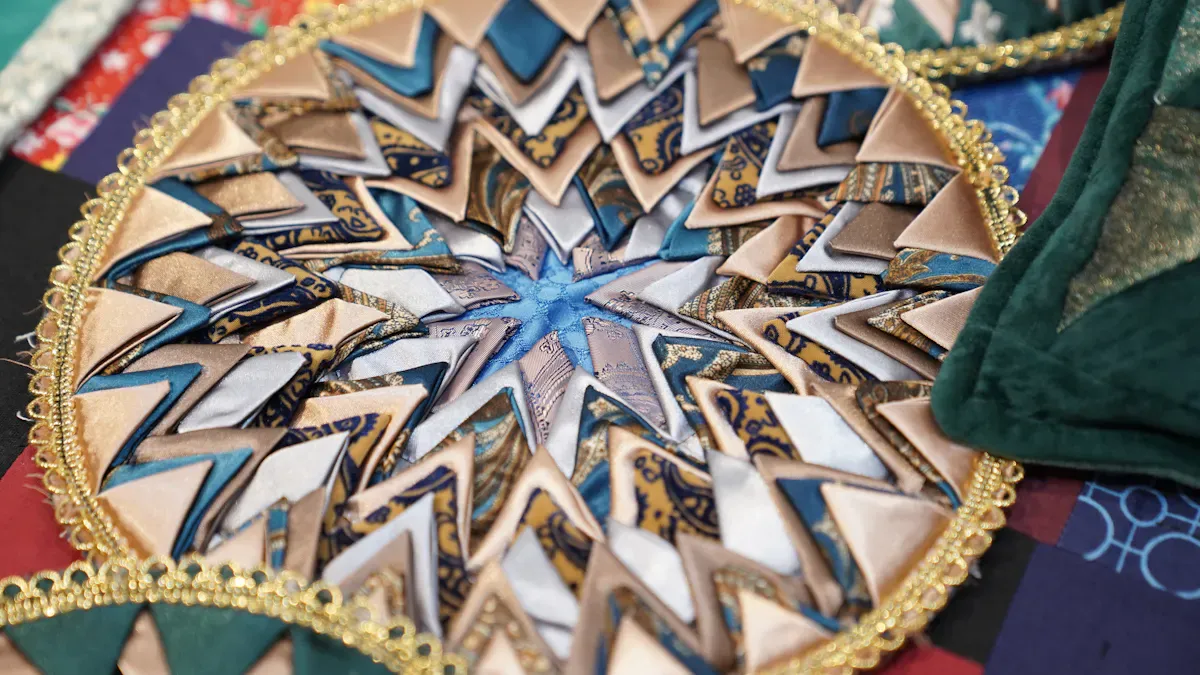
You can use woven net fabric to create many fun and useful crafts. This fabric works well for making reusable produce bags, jewelry holders, or even simple tote bags. You can cut it into shapes for scrapbooking or use it as a base for embroidery. Many crafters like to add beads, ribbons, or buttons to the mesh for extra flair. If you enjoy sewing, try making a pencil pouch or a small organizer. The open structure lets you see what is inside, which makes it perfect for storage projects.
Tip: Use fabric glue or a hot glue gun to attach decorations to your net fabric projects. This method keeps your crafts neat and secure.
Home Decor Ideas
Woven net fabric can help you decorate your home in creative ways. You can make airy curtains that let in light but still give you privacy. Try using the fabric to create table runners or placemats for a modern look. Some people use it to cover lampshades, which gives a soft, diffused glow to any room. You can also stretch the fabric over a frame to make a unique wall hanging. If you want to organize your space, use net fabric to make hanging storage pockets for toys or craft supplies.
Here are some home decor ideas:
- Sheer window panels
- Decorative pillow covers
- DIY room dividers
- Hanging plant holders
Event and Party Decorations
You can use woven net fabric to add a festive touch to parties and events. This fabric works well for making bows, garlands, or table skirts. You can drape it over tables or chairs for a light, elegant effect. Many people use it to wrap gifts or create favor bags for guests. If you plan a wedding or birthday party, try using net fabric to make a photo booth backdrop. The mesh catches the light and creates a magical atmosphere.
| Decoration Idea | How to Use Woven Net Fabric |
|---|---|
| Table Runners | Layer over solid cloth for texture |
| Chair Sashes | Tie around chairs for color pops |
| Balloon Nets | Hold balloons together in displays |
| Gift Wrap | Wrap gifts for a unique look |
You can find many ways to use this fabric in your creative projects. It is easy to work with and adds a special touch to any craft or event.
Mixed Media Art
You can explore mixed media art by combining different materials and techniques. Woven net fabric gives you a unique texture and structure that stands out in creative projects. Artists often use this fabric to add dimension and interest to their work. You might see it layered with paint, paper, or other textiles. The open mesh lets you experiment with light and shadow, making your artwork more dynamic.
Many mixed media artists enjoy making wearable art. For example, you can create a decorative bangle using woven net fabric and other materials. This project lets you mix colors, shapes, and textures. You start with three pieces of woven or braided rope. Duct tape helps you hold the ropes together. You wrap the ropes with assorted fabrics, fibers, and beads. Mod Podge, Fray-Stop, or PVA glue keeps everything in place. You use a needle and thread to secure the fabric. Thin craft wire, yarn, or thread adds extra detail. This bangle shows how you can use woven net fabric in jewelry and fashion art.
Tip: Try using woven net fabric as a base for embroidery or beadwork. The holes make it easy to stitch or weave other materials through.
Mixed media art projects often include woven net fabric in collage, sculpture, or wall hangings. You can glue the fabric onto canvas or wood. Paint flows through the mesh, creating interesting patterns. Some artists use the fabric to build layers in their artwork. You can also stretch it over frames to make textured backgrounds.
Here are some ways you can use woven net fabric in mixed media art:
- Layer it with paint or paper for a textured effect.
- Stitch beads or yarn through the mesh for added detail.
- Use it as a base for fabric sculptures.
- Create wearable art like bangles or necklaces.
A table below shows common materials you might combine with woven net fabric in mixed media art:
| Material | How You Can Use It |
|---|---|
| Paint | Brush over or through the mesh |
| Beads | Sew onto the fabric |
| Yarn | Weave through the holes |
| Paper | Layer underneath or on top |
| Wire | Wrap around or thread through |
Mixed media art gives you endless possibilities. You can experiment with colors, textures, and shapes. Woven net fabric helps you create artwork that feels fresh and exciting.
Caring for Woven Net Fabric
Washing and Drying
You can keep your woven net fabric looking fresh by following a few simple steps. Always check the care label first. If you want the best results, try these methods:
- Hand Washing: Fill a basin with lukewarm water and add a small amount of mild detergent. Gently move the fabric in the water. Do not scrub or wring it. Rinse well and lay it flat to dry.
- Machine Washing: Place your fabric in a mesh laundry bag. Use the delicate cycle with cold water. Skip fabric softeners and bleach. Remove the fabric as soon as the cycle ends.
- Air Drying: Lay the fabric flat on a towel or hang it on a padded hanger. Keep it out of direct sunlight to prevent fading.
- Using a Dryer: If you use a dryer, choose the lowest heat setting and keep the fabric in a mesh bag. Check it often and take it out while it is still slightly damp.
Tip: Air drying helps your woven net fabric last longer and keeps its shape.
Storage Tips
Store your woven net fabric in a cool, dry place. Fold it neatly to avoid creases. If you have delicate items, wrap them in tissue paper. You can also hang garments on padded hangers to keep their shape. Avoid placing heavy objects on top of stored fabric. This prevents stretching and damage.
Repair and Longevity
You can fix small tears in woven net fabric at home. Use a needle and fine thread to stitch the tear closed. Reinforce seams if you notice any weak spots. This helps prevent further damage and extends the life of your fabric.
- Mend small holes with careful hand stitching.
- Strengthen seams to keep the fabric strong.
Taking care of your woven net fabric ensures it stays beautiful and useful for a long time.
You discover woven net fabric in many creative and practical projects. Its lightweight and breathable nature makes it a favorite for both casual and high-fashion styles. You can use it for net tops, skirts, overlays, and intricate designs in evening gowns or bridal wear.
- You find it easy to adapt for crafts, home décor, and artistic creations.
- You enjoy its versatility across climates and occasions.
Try experimenting with woven net fabric in your next project. You might surprise yourself with what you can create.
FAQ
What projects can you make with woven net fabric?
You can create bags, overlays, curtains, jewelry holders, and art pieces. Many crafters use it for home décor, party decorations, and mixed media art. The fabric works well for both practical and creative projects.
How do you prevent woven net fabric from fraying?
You can use fabric glue, Fray-Stop, or sew a zigzag stitch along the edges. Some people fold the edge and stitch it down. This helps keep the fabric strong and neat.
Is woven net fabric safe for machine washing?
You can wash most woven net fabrics in a machine. Place the fabric in a mesh laundry bag. Use the delicate cycle and cold water. Air drying helps keep the fabric in good shape.
Which type of woven net fabric works best for clothing?
Soft net and polyester mesh work well for clothing. Soft net feels gentle and looks elegant. Polyester mesh gives you strength and breathability. Choose based on your project’s needs.
See Also
Best Coating Materials for Filtration Systems in 2025
Innovative Materials Transforming Heat Exchanger Industry Today
The Production Process and Ingredients of Edible Gelatin
Benefits of Selecting Eco-Friendly Bamboo Cosmetic Packaging