Why Your Business Needs an Effective Sewage Treatment Plant
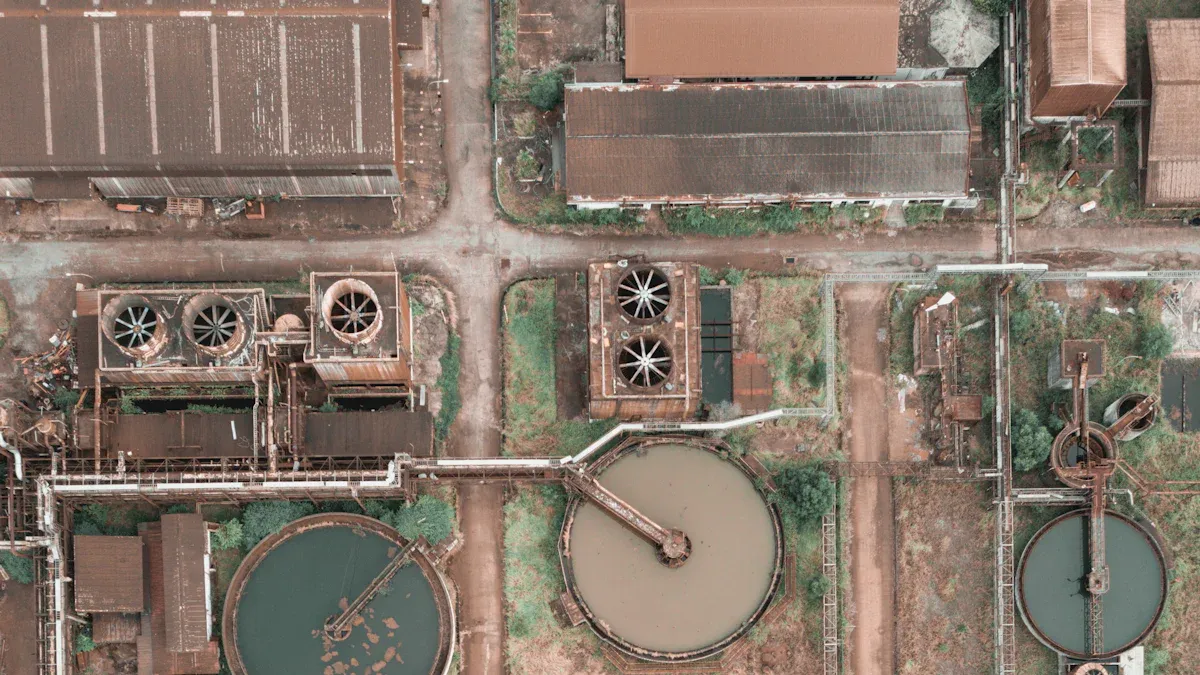
An effective industrial sewage treatment plant is a strategic investment in your company's future, not just an operational cost. It is essential for ensuring legal security, achieving financial stability, and protecting your brand integrity. Take proactive steps to assess your current wastewater management capabilities to secure your business's long-term success.
Key Takeaways
- An effective sewage treatment plant protects your business from big fines and legal problems.
- A good treatment plant helps you save money on water and energy costs.
- Investing in a treatment plant makes your company look good and helps you attract good workers and investors.
Safeguard Your Business from Legal and Financial Risks
Failing to manage wastewater is not just an environmental issue; it's a significant business risk. Government agencies have strict regulations in place to protect public health and the environment. Non-compliance can lead to a cascade of legal and financial consequences that can cripple or even bankrupt a company. Understanding these risks is the first step toward protecting your operations.
Avoid Steep Fines and Penalties
Regulatory bodies at local, state, and federal levels have the authority to impose substantial fines for non-compliance. These penalties are not minor costs of doing business; they can be financially devastating. For example, violations of the U.S. Clean Water Act can result in both civil and criminal charges. Civil penalties can reach as high as $64,618 per day for each violation.
Criminal charges are even more severe. Knowingly violating the act can lead to years of imprisonment and massive fines. Even falsifying data from your monitoring equipment can result in fines of up to $10,000 and two years in prison for a first offense. These penalties often double for repeat violations.
| Violation Type | Criminal Penalties (Individuals) | Criminal Penalties (Corporations) | Civil Penalties (Judicial) |
|---|---|---|---|
| Negligent Violations | Up to 1 year in prison, $2,500-$25,000/day | Up to $50,000/day | Up to $64,618/day |
| Knowing Violations | Up to 3 years in prison, $5,000-$50,000/day | Up to $100,000/day | Up to $64,618/day |
| Knowing Endangerment | Up to 15 years in prison, up to $250,000 | Up to $1,000,000 | N/A |
This is not just a U.S. issue. In 2015, Greece was fined €10 million for failing to comply with European urban wastewater regulations. The European Union's revised Industrial Emissions Directive (IED) now requires member states to set penalties for serious violations at a minimum of 3% of the company's annual turnover.
These are not theoretical threats. Companies are fined for these violations regularly.
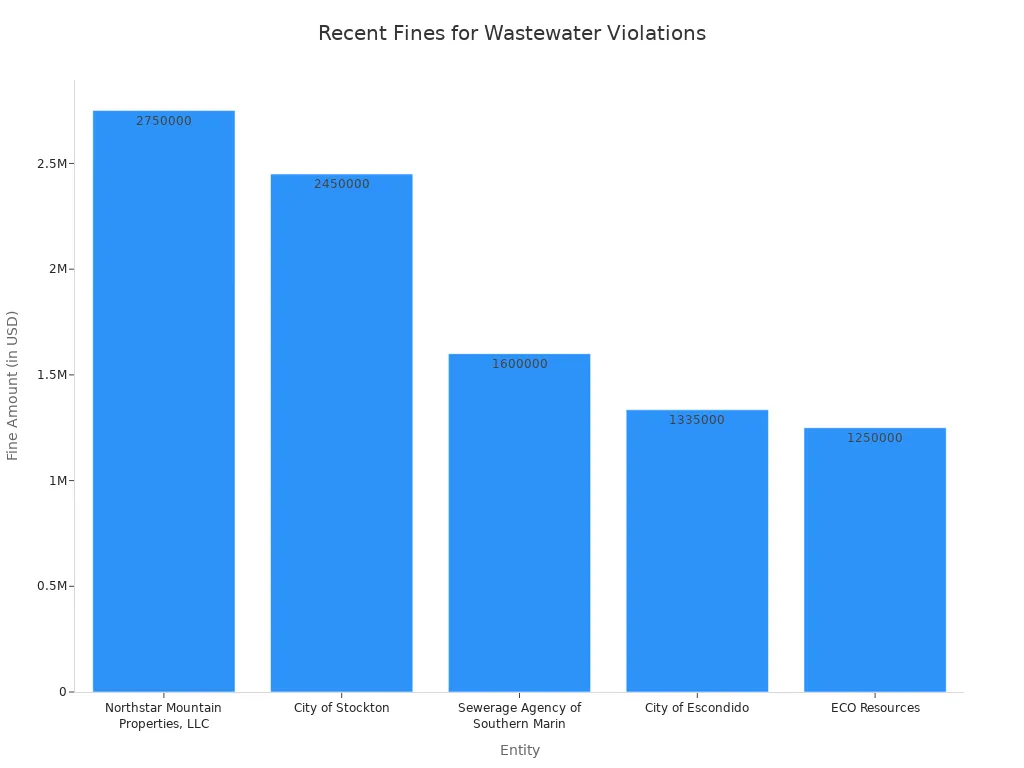
An effective industrial sewage treatment plant is your first line of defense against these crippling financial penalties.
Maintain Your License to Operate
Fines are only one part of the risk. Continuous or severe non-compliance can threaten your very ability to do business.
- Permit Revocation: Most industrial operations require specific environmental permits to operate legally. Regulatory agencies can suspend or completely revoke these permits for repeated violations. Without these permits, your business must cease operations.
- Operational Shutdowns: Regulators can also issue stop-work orders. These orders force an immediate halt to all or part of your operations until you fix the environmental violations. Each day of a shutdown means lost production, broken contracts, and mounting financial losses.
A properly functioning industrial sewage treatment plant ensures you meet the discharge standards required by your permits. This helps you maintain your legal license to operate without interruption.
Prevent Costly Cleanup Liabilities
An accidental discharge or long-term leak of untreated wastewater can contaminate soil and groundwater. When this happens, your company is responsible for the cleanup, and the costs can be astronomical.
Remediation techniques are complex and expensive. The table below shows just a few examples of potential costs, which can easily run into millions of dollars.
| Remediation Technique | Cost Type | Cost Range |
|---|---|---|
| Physical/Chemical Separation | O&M costs | $50,000 to $500,000 per year |
| Thermal Treatment | Capital costs | $500,000 to $2 million |
| Soil Vapor Extraction (SVE) | O&M costs | $75,000 to $150,000 per year |
Beyond direct cleanup costs, your business faces significant legal liability from third parties. Improper sewage discharge can lead to a wide range of lawsuits, including:
- Citizen Suits: Environmental groups or affected individuals can sue your company to force compliance and seek penalties.
- Common Law Claims: You may face lawsuits for nuisance, negligence, or trespass if your discharge impacts neighboring properties.
- Class-Action Lawsuits: If a discharge affects a large community, you could face a class-action lawsuit from residents for issues like diminished property values or health problems.
- Business Interruption Claims: Other businesses, such as farms or fisheries, can sue for lost income if your pollution affects their operations.
A Note on Personal Liability: It's not just the company that's at risk. Under the "responsible corporate officer doctrine," executives and managers can be held personally liable for environmental violations. If you are in a position of authority and fail to prevent or fix a known issue with your wastewater system, you could face personal fines and even jail time.
The long-term financial consequences of a major pollution event can be staggering. BP's Deepwater Horizon spill resulted in a $20.8 billion settlement. Volkswagen faced over $30 billion in fines for its emissions scandal. While these are extreme examples, they show the scale of financial risk associated with environmental non-compliance. A modern industrial sewage treatment plant is a critical tool for managing this liability and protecting your company from catastrophic financial and legal outcomes.
Turn Your Industrial Sewage Treatment Plant into a Strategic Asset
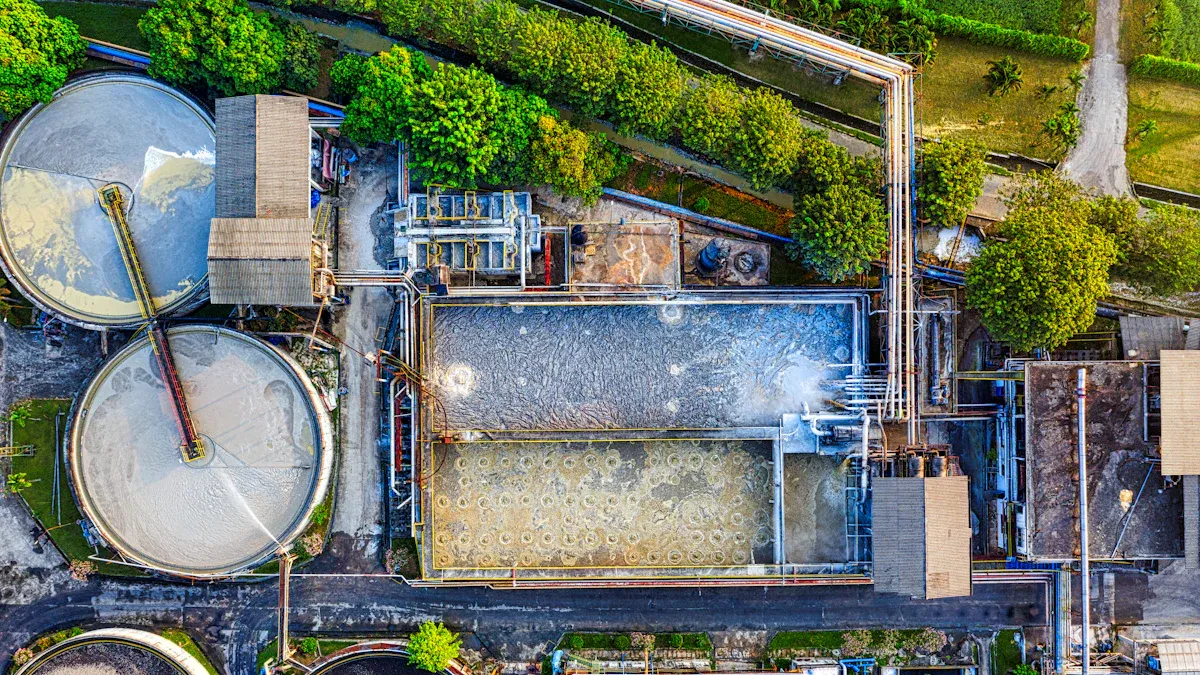
An effective industrial sewage treatment plant does more than just keep you compliant. It can be transformed from a required cost center into a powerful strategic asset. By rethinking your approach to wastewater, you can unlock significant financial savings, strengthen your brand, and create a distinct advantage in a competitive marketplace. This shift in perspective allows you to leverage your environmental responsibilities for tangible business growth.
Reduce Water and Utility Costs
Modern wastewater treatment is no longer just about disposal; it's about resource recovery. Advanced systems can dramatically lower your operational expenses by reducing utility consumption and even creating valuable byproducts.
One of the most significant opportunities is in energy generation. The organic matter in wastewater can be converted into biogas through a process called anaerobic digestion. This biogas can then fuel Combined Heat and Power (CHP) systems, which generate both electricity and useful heat.
The rising cost of electricity is a major driver for facilities to recognize the value of biogas. While historically less than 10% of facilities with anaerobic digesters used biogas for more than heating, there is a growing trend to use it for onsite electricity generation.
This approach can lead to substantial savings and even energy independence.
- The City of Gresham, Oregon, uses a cogeneration system to provide 55% of its plant's energy needs. It projects that by processing additional organic waste, it can achieve near-total energy independence and save $21,000 per month on electricity.
- Johnson County, Kansas, expects to save $500,000 annually in power costs by upgrading its system to generate electricity from biogas.
- The Central Marin Sanitation Agency in California is on a path to energy self-sufficiency by using biogas to power its facility, potentially eliminating its reliance on the grid.
Beyond energy, water itself is a valuable resource. Advanced treatment allows for water reuse and recycling, which directly cuts down on your municipal water bills. For example, a pasta manufacturer that invested in a Dissolved Air Flotation (DAF) system found a significant return on investment not only from avoiding fines but also from the potential to reuse treated water in its processes.
Enhance Your Brand Reputation
In today's market, consumers care deeply about a company's environmental impact. Your commitment to sustainable wastewater management is a powerful story that can build trust and improve your public image.
Statistics show a clear link between environmental performance and consumer perception.
- Almost 90% of consumers are more likely to trust and support companies that are making environmental progress.
- 73% of consumers are willing to change their purchasing habits to reduce their environmental impact.
- 62% of consumers consider a company’s social and environmental commitments when deciding what to buy.
By investing in an effective industrial sewage treatment plant and publicizing your efforts, you demonstrate a genuine commitment to sustainability. This transparency helps you connect with environmentally conscious customers. Companies that openly report their water efficiency and conservation efforts can distinguish themselves from competitors, enhance their reputation, and foster greater customer loyalty. This proactive environmental stewardship is integral to building and maintaining strong brand equity.
Gain a Competitive Edge
A forward-thinking approach to wastewater management provides more than just cost savings and a good reputation; it creates a powerful competitive advantage. This advantage manifests in three key areas: attracting talent, securing investment, and creating new revenue.
First, sustainability is a major factor in attracting and retaining top talent. The modern workforce, especially millennials who will make up 75% of the global workforce by 2025, wants to work for companies that align with their values.
- Nearly 70% of U.S. workers consider a company's environmental record when deciding on a job offer.
- A quarter of millennial workers are willing to leave a job if their employer has a poor sustainability record.
- Employees in sustainable workplaces are more engaged and report higher job satisfaction.
Second, strong Environmental, Social, and Governance (ESG) performance is increasingly critical for attracting investors. Stakeholders see sustainable practices as a sign of a well-managed, forward-looking company that is prepared for future risks and regulations.
Finally, resource recovery can open up entirely new revenue streams. Instead of just treating and discharging waste, your facility can become a production center.
| Recoverable Resource | Potential Revenue Stream |
|---|---|
| Energy | Sell excess electricity to the grid or sell upgraded biogas as Renewable Natural Gas (RNG). |
| Water | Sell treated, clean water for agricultural irrigation or industrial use. |
| Nutrients | Recover nitrogen and phosphorus to sell as high-value agricultural fertilizers. |
| Biosolids | Sell Class A biosolids as a soil amendment to local farms. |
| Tipping Fees | Charge fees for accepting high-strength organic waste from other businesses. |
By turning waste into valuable products, your industrial sewage treatment plant can generate income, offsetting its own operational costs and contributing directly to your company's bottom line. This transforms an environmental obligation into a clear competitive and financial advantage.
An effective sewage treatment plant is a strategic investment, not just an operational cost. This system is essential for your legal security, financial stability, and brand integrity.
Take Action: Proactively assess your current wastewater management capabilities. This step helps secure your business's long-term success and stability. 📈
FAQ
What is an industrial sewage treatment plant?
An industrial sewage treatment plant cleans wastewater from factories and businesses. It removes harmful pollutants. This process makes the water safe to release back into the environment.
How often should we check our treatment plant?
Regular checks are very important for your plant. You should follow the manufacturer's guidelines. Daily monitoring and professional inspections help prevent costly failures and ensure compliance with regulations.
Can a small business afford a treatment plant?
Yes, many options exist for small businesses. Modern systems are scalable and cost-effective. The investment prevents huge fines and can even lower your long-term water and utility bills.
See Also
Essential Industrial Vacuum Cleaners: A Business Investment Guide
Optimizing Your Water System: The Self-Priming Pump Advantage
Custom Cargo Lifts: Weighing the Benefits for Your Business
Crucial Industrial Checkweighers for Every Modern Food Plant
Automated Virus Sampling Tube Lines: A Smart Investment Decision