5 Big Reasons We Need Sewage Treatment
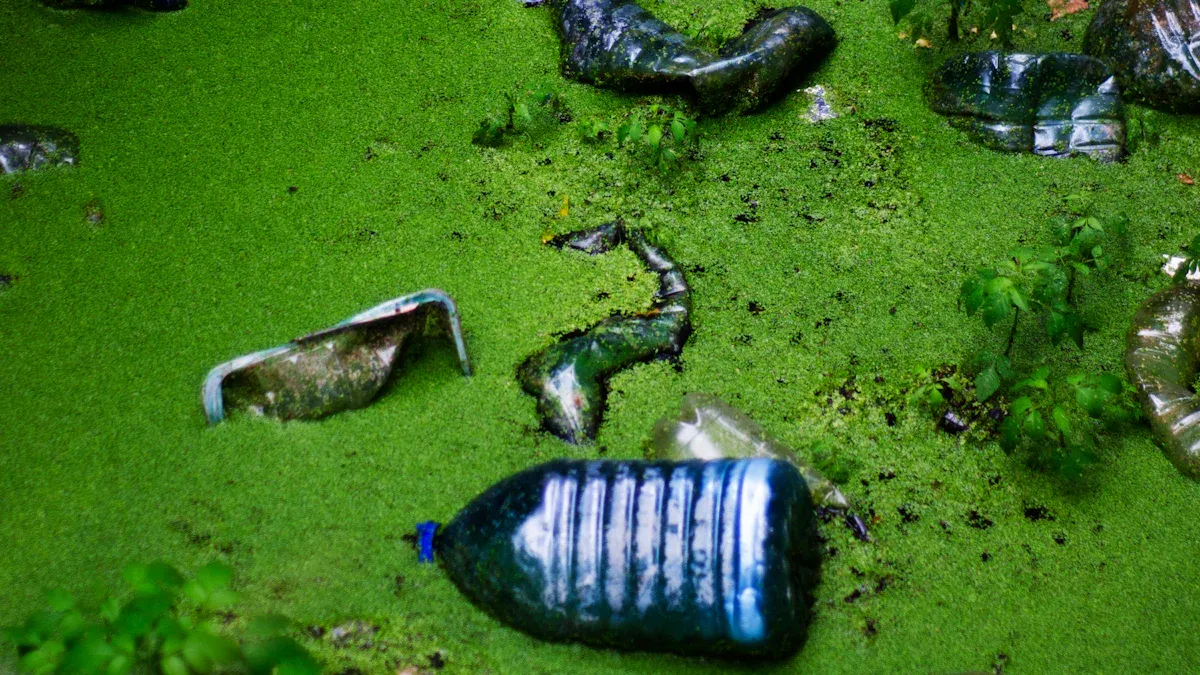
Sewage treatment is the process of removing harmful contaminants from wastewater before it is released back into the environment. It is a critical defense against pollution and disease. Globally, a staggering 80% of wastewater returns to nature without adequate cleaning. This process protects public health and safeguards ecosystems.
| Service Type | 2018 Access (%) | Projected 2025 Access (%) |
|---|---|---|
| Safely Managed Sanitation | 53 | 80 |
| Basic Hygiene | 74.5 | 88.8 |
Key Takeaways
- Sewage treatment protects people from sickness by removing dangerous germs from wastewater.
- It keeps our rivers, lakes, and oceans healthy by stopping pollution and toxic chemicals.
- Sewage treatment helps save our water by cleaning it so we can use it again.
Reason 1: Protect Public Health
The most important job of sewage treatment is protecting people from sickness. Untreated wastewater is a major source of dangerous germs that can contaminate our drinking water, rivers, and lakes. When people are exposed to this contaminated water, they can get very sick.
Preventing Waterborne Diseases
Raw sewage carries many germs that cause waterborne diseases. These illnesses can spread quickly through a community if wastewater is not properly cleaned. Some of the most common diseases found in contaminated water include:
- Campylobacteriosis: A common bacterial infection that causes diarrhea.
- Cryptosporidiosis: A parasitic illness that is a leading cause of waterborne disease and is resistant to chlorine.
- Escherichia coli (E. coli) Diarrhea: An infection from specific E. coli bacteria that can cause severe illness.
Globally, unsafe water and sanitation lead to a tragic loss of life. In 2019 alone, an estimated 1.4 million deaths could have been prevented with safe water and hygiene practices.
Removing Harmful Pathogens
This raw sewage carries a hidden army of microscopic invaders. These harmful pathogens include viruses like Norovirus, Rotavirus, and Hepatitis A. The sewage treatment process is designed to remove these threats in stages. Primary treatment removes large solids but leaves many dissolved germs behind. Advanced tertiary treatment acts as a final polishing step. It uses powerful filtration methods to remove even the smallest viruses and bacteria, making the water safe before it returns to the environment. This multi-step cleaning process is our best defense against widespread disease.
Reason 2: Safeguard Aquatic Ecosystems
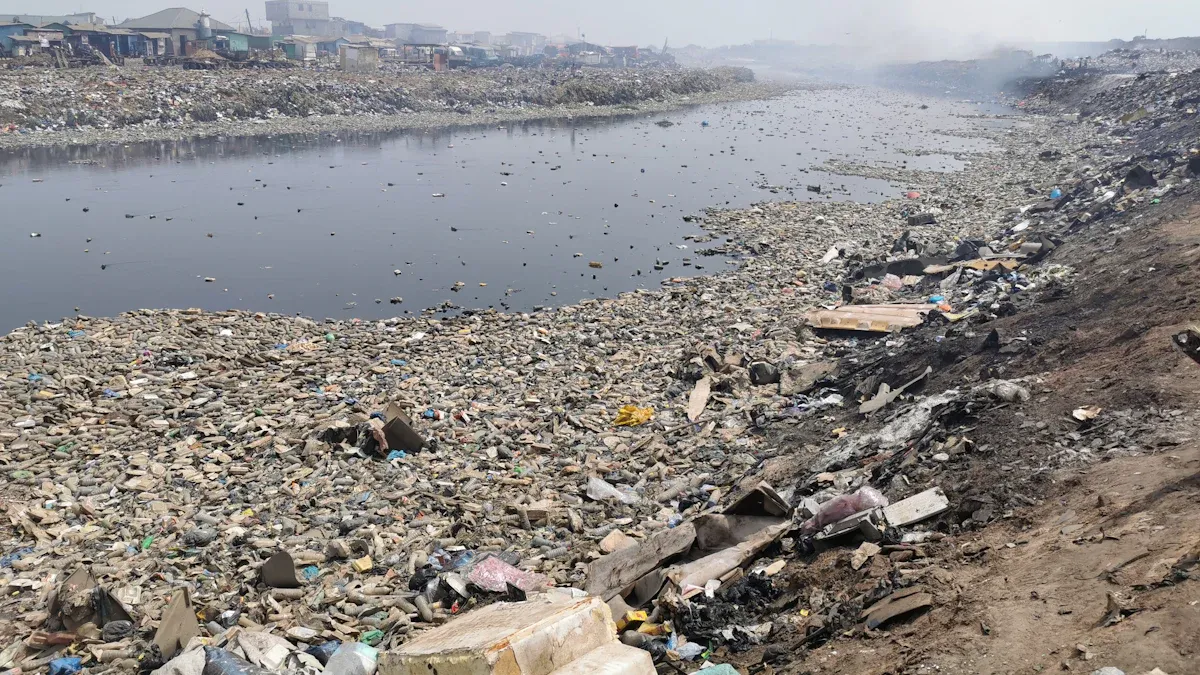
Wastewater does not just disappear. It flows into our rivers, lakes, and oceans. Proper sewage treatment is essential to protect the delicate balance of these aquatic environments. Without it, we risk destroying the homes of countless fish and plants.
Stopping Nutrient Pollution
Raw sewage is full of nutrients like nitrogen and phosphorus. These nutrients act like fertilizer for algae. Too many nutrients cause massive algae growths called algal blooms. These blooms can turn water green and block sunlight from reaching underwater plants.
When the algae die, their decay uses up the oxygen in the water. This creates "dead zones" where fish and other aquatic life cannot survive. Some algal blooms are also toxic. Studies in Florida have shown that nitrogen from human waste in septic systems helps create these harmful conditions, leading to dangerous blooms in places like the St. Lucie Estuary.
Did You Know? 🐠 Harmful algal blooms can:
- Kill large numbers of fish by depleting oxygen.
- Produce toxins that are dangerous to animals and people.
- Damage important habitats like seagrass beds and coral reefs.
Removing Toxic Chemicals
Wastewater often contains more than just organic waste. It can carry a dangerous mix of toxic chemicals from homes and industries. These include heavy metals and other harmful substances.
Common Toxic Metals in Untreated Sewage
| Metal | Symbol |
|---|---|
| Arsenic | As |
| Lead | Pb |
| Cadmium | Cd |
| Chromium | Cr |
These chemicals do not break down easily. Instead, they build up in the environment. Small aquatic creatures absorb the toxins. Larger fish then eat these smaller creatures. The toxins become more concentrated as they move up the food chain. This process, called bioaccumulation, can make fish unsafe for animals and humans to eat.
Reason 3: Conserve Our Water Resources
Freshwater is a limited resource. Effective sewage treatment allows us to use our water more than once. This smart approach helps us protect our precious water supplies for the future.
Enabling Water Reuse
Modern treatment plants can clean wastewater to a very high standard. This cleaned water is often called recycled or reclaimed water. Advanced technologies make this possible. Processes like membrane filtration and reverse osmosis remove tiny particles, chemicals, and germs. The result is water that is safe for many different uses.
Water reuse is not just an idea; it is happening now. In Milan, Italy, a large treatment plant provides recycled water to irrigate thousands of acres of crops like corn and rice. This shows how cleaned wastewater can support agriculture on a massive scale.
Reducing Strain on Freshwater
About half of the world's population faces high water stress for at least one month each year. Using recycled water reduces our dependence on natural sources like rivers and underground aquifers. This helps preserve these vital ecosystems and ensures more freshwater is available for drinking. Recycled water has many practical applications that save freshwater.
- Irrigation: Watering farms, parks, and golf courses.
- Industrial Use: Cooling machinery and processing goods.
- Groundwater Recharge: Pumping water back into the ground to refill aquifers.
- Urban Uses: Flushing toilets and cleaning streets.
By recycling water, communities can create a reliable, local water supply. This reduces the need to draw from already strained sources.
Reason 4: Prevent Pollution and Foul Odors
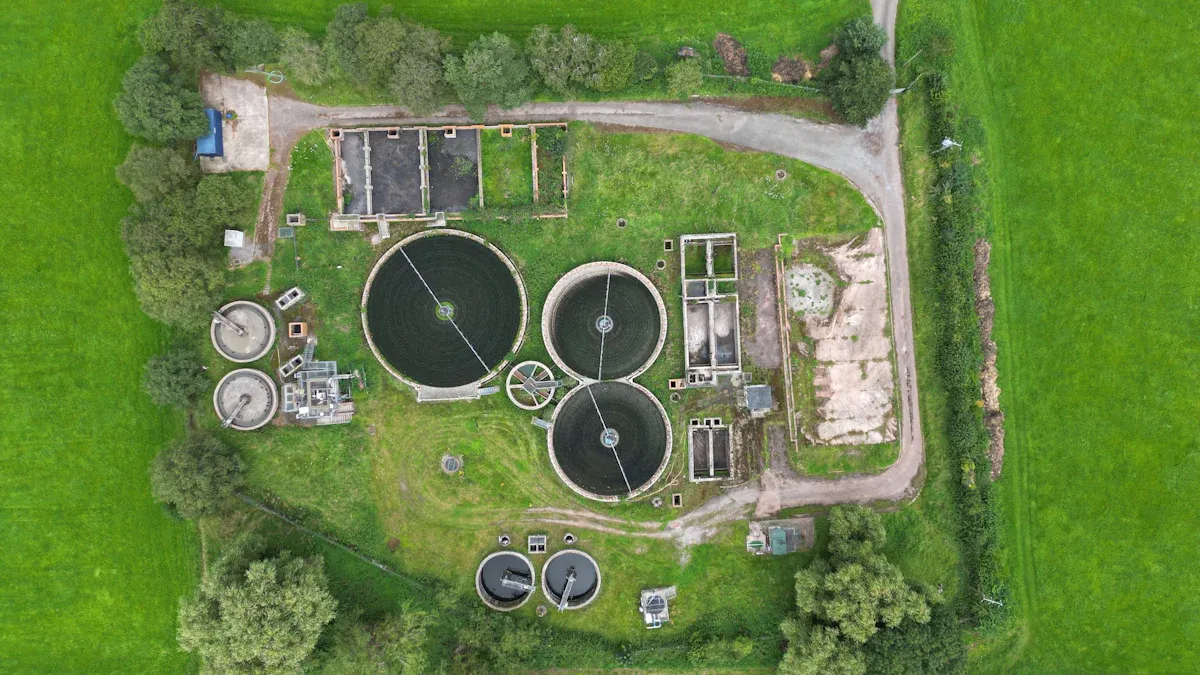
Untreated sewage creates unpleasant and dangerous environments. It pollutes the air we breathe and the public spaces we enjoy. Effective sewage treatment is essential to maintain clean and healthy communities.
Eliminating Unsafe Conditions
Raw sewage releases a mix of foul-smelling gases as it breaks down. The most well-known of these is hydrogen sulfide, which creates a strong "rotten egg" smell. Other gases can include:
- Ammonia
- Methane
- Carbon monoxide
- Sulfur dioxide
These odors are more than just unpleasant; they are a clear warning sign of danger. Exposure to raw sewage and its gases can lead to serious health problems.
⚠️ Health Risks from Sewage Exposure Direct contact or breathing in sewer gas can cause bacterial infections from germs like E. coli, viral threats like Hepatitis A, and respiratory issues such as headaches and dizziness.
Preserving Community Spaces
Sewage pollution ruins our shared public areas. For example, Panther Hollow Lake in Pittsburgh's Schenley Park was declared unsafe for human contact. Raw sewage overflowed into the lake during heavy rain, making a beloved park dangerous. When sewage spills onto streets or into parks, these areas become unusable for recreation and community events.
This type of pollution also hurts property values. Homes near polluted areas become less attractive to buyers and renters, which can harm the local economy. Proper sewage treatment is vital to keep our communities clean, safe, and enjoyable for everyone.
Reason 5: Support Economic and Social Stability
Effective sewage treatment does more than protect our health and environment. It also strengthens our economy and creates valuable resources. Clean water is the foundation for many important industries.
Fueling Key Industries
Many businesses depend on clean water to operate. The outdoor recreation industry, including fishing and boating, generates billions in spending and supports millions of jobs. This entire economy is built on healthy aquatic resources. Sewage pollution directly threatens these industries. Contaminated water leads to beach closures and fishing bans. These closures have a massive economic cost.

Protecting our water through proper treatment is a direct investment in the economic stability of our communities.
Creating Valuable Byproducts from Sewage Treatment
Modern sewage treatment is a form of resource recovery. The process creates useful materials from what was once considered waste. This turns a disposal problem into an economic opportunity.
From Waste to Worth 💡 Sewage treatment plants can produce:
- Biosolids: A nutrient-rich organic material used as fertilizer. Farmers use biosolids to improve soil health and increase crop yields, which reduces their need for chemical fertilizers.
- Biogas: A renewable energy source produced during treatment. This gas can be used to generate electricity, provide heat, or even power vehicles.
- Valuable Materials: Researchers are even finding ways to mine sewage for materials used in batteries and other electronics.
This approach creates a circular economy. It reduces waste, generates clean energy, and supports agriculture.
Sewage treatment is a non-negotiable pillar of a healthy, modern society. This single process directly protects our health, preserves the environment, conserves water, and supports the economy.
Investing in and maintaining effective treatment systems is an essential commitment to a sustainable and prosperous future for everyone. 🌍
FAQ
What is sewage?
Sewage is used water from our communities. It comes from homes, schools, and businesses. This wastewater includes everything that goes down toilets, sinks, showers, and drains.
Is treated water safe to drink?
Yes, with advanced treatment. This process, called potable reuse, makes water safe for drinking. It removes all harmful germs and chemicals, creating a pure and reliable water source. 💧
What are biosolids?
Biosolids are a nutrient-rich organic material produced during sewage treatment. Farmers can use this valuable byproduct as a safe and effective fertilizer to help crops grow.
See Also
Essential Industrial Vacuum Cleaners: A Business Investment Guide
Unveiling Commercial Heat Exchanger Advantages for Businesses in 2025
Leading Precoating Materials for Advanced Filtration Systems in 2025
Automated Virus Sampling Lines: A Smart Investment for Your Business?
Industrial Semi-Welded Plate Heat Exchangers: Your 2025 Comprehensive Guide