Why is Waterproof Vinyl Flooring the Best Option for Basements?
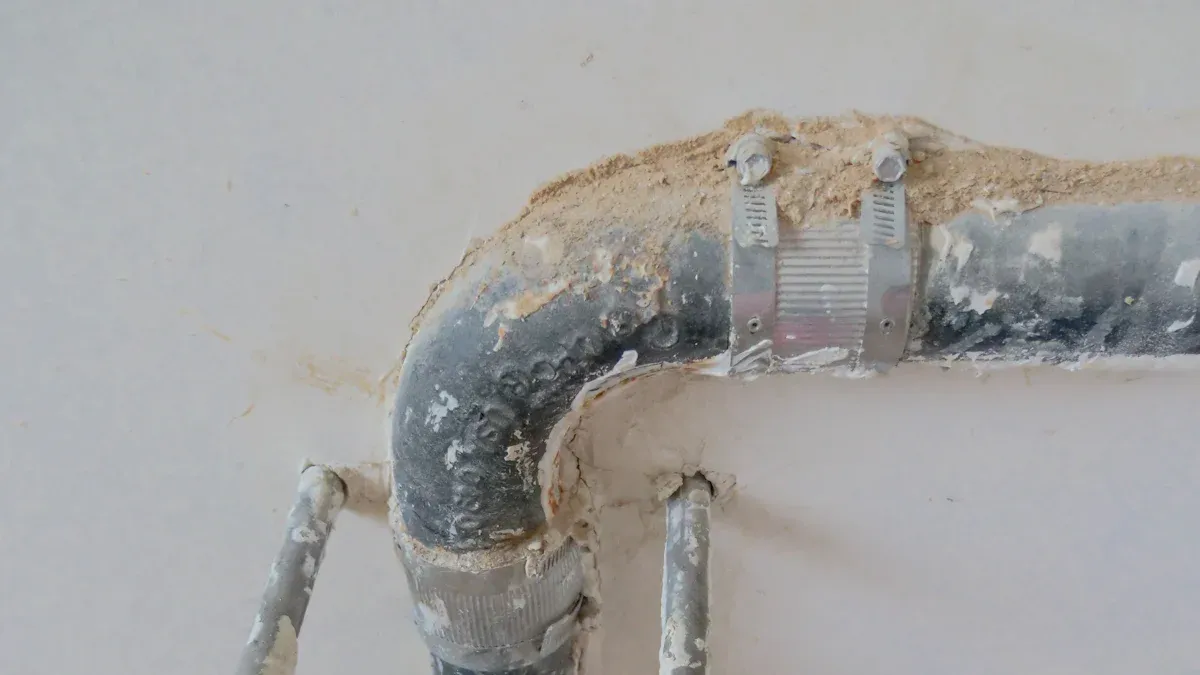
Your basement faces a constant threat from moisture. You need a solution offering total protection and peace of mind. A waterproof vinyl floor provides a durable, affordable, and worry-free foundation for your space. This material is so tough, it's even trusted as a camper rv floor.
Did You Know? An astonishing 98% of basements in the U.S. will suffer some level of water damage.
Choosing the right floor protects your home from this common problem.
Key Takeaways
- Waterproof vinyl flooring protects your basement from water damage. It stops leaks and floods from harming your floor.
- This flooring is very strong. It can handle lots of foot traffic and lasts a long time.
- Waterproof vinyl helps keep your home healthy. It stops mold and mildew from growing in your basement.
The Ultimate Defense Against Basement Challenges
You need a floor that actively fights against the unique problems a basement presents. A waterproof vinyl floor is your best defense. It delivers a powerful combination of water immunity, robust durability, and a healthy living environment, giving you complete peace of mind.
Total Protection from Water Damage
Basements are below ground, making them natural targets for moisture, leaks, and even floods. Other flooring materials simply cannot handle this constant threat. Wood and laminate absorb water, leading to swelling, warping, and costly damage. A waterproof vinyl floor, however, is built differently. Its core is 100% waterproof, meaning spills, leaks, or flooding won't penetrate or damage the planks.
See how vinyl compares to other popular flooring options when exposed to water:
| Feature | Laminate | Vinyl | Engineered Hardwood |
|---|---|---|---|
| Water Resistance | Not waterproof. It swells and warps when exposed to moisture for long periods. | Highly water-resistant and often 100% waterproof. It is perfect for moisture-prone areas. | Not waterproof. Water exposure can cause swelling and delamination of the wood layers. |
This level of protection is not just a claim; it's verified. Industry standards from organizations like the North American Laminate Flooring Association (NALFA) and ASTM International set strict testing requirements.
- NALFA's LF-01 standard includes a "Surface Swell Test" that measures how flooring holds up under prolonged water exposure.
- ASTM standards provide test methods, like F2170-19a, to measure moisture in concrete slabs before installation, ensuring your floor is laid on a suitable surface.
Choosing a floor that meets these standards guarantees you get proven performance against water.
Built for High-Traffic and Active Use
Your basement is more than just a storage area. It can be a playroom, a home gym, or an entertainment hub. You need a floor that can withstand daily life. Waterproof vinyl flooring is exceptionally durable, designed to handle heavy foot traffic, dropped items, and active families. Li Wang, who leads flooring testing at Consumer Reports, confirms, "Laminate and vinyl products are generally made of tougher stuff."
The key to this toughness is the wear layer—a clear top coating that protects the floor from scratches, scuffs, and stains.
- For residential use, you should look for a wear layer of at least 12-20 mil.
- High-end options go up to 28 mil for incredible, commercial-grade durability.
While ceramic tile is also durable, it can easily chip or crack if you drop something heavy on it. Vinyl is more resilient and less prone to this type of damage. With professional installation and basic care, you can expect your high-quality waterproof vinyl floor to last 15 to 25 years, making it a fantastic long-term investment.
A Healthy Barrier Against Mold and Mildew
Moisture in your basement creates the perfect breeding ground for mold and mildew. This is more than just an ugly sight; it poses a serious health risk.
Mold produces allergens and irritants that can trigger allergic reactions like sneezing, red eyes, and skin rashes. For people with asthma, mold can make breathing difficult and worsen their symptoms.
A waterproof vinyl floor helps you protect your family's health. Its non-porous surface and seamless construction create a barrier that moisture cannot penetrate.
- The waterproof core prevents liquids from seeping into the planks.
- The smooth surface is easy to clean, leaving no place for mold-friendly residue to hide.
- Many modern vinyl floors also include antimicrobial additives during manufacturing, which actively inhibit the growth of mold, bacteria, and fungi.
This design creates a cleaner, healthier environment by improving your basement's air quality and preventing the health issues associated with mold exposure. You get a beautiful floor that helps you breathe easier.
A Smart Investment in Style and Value
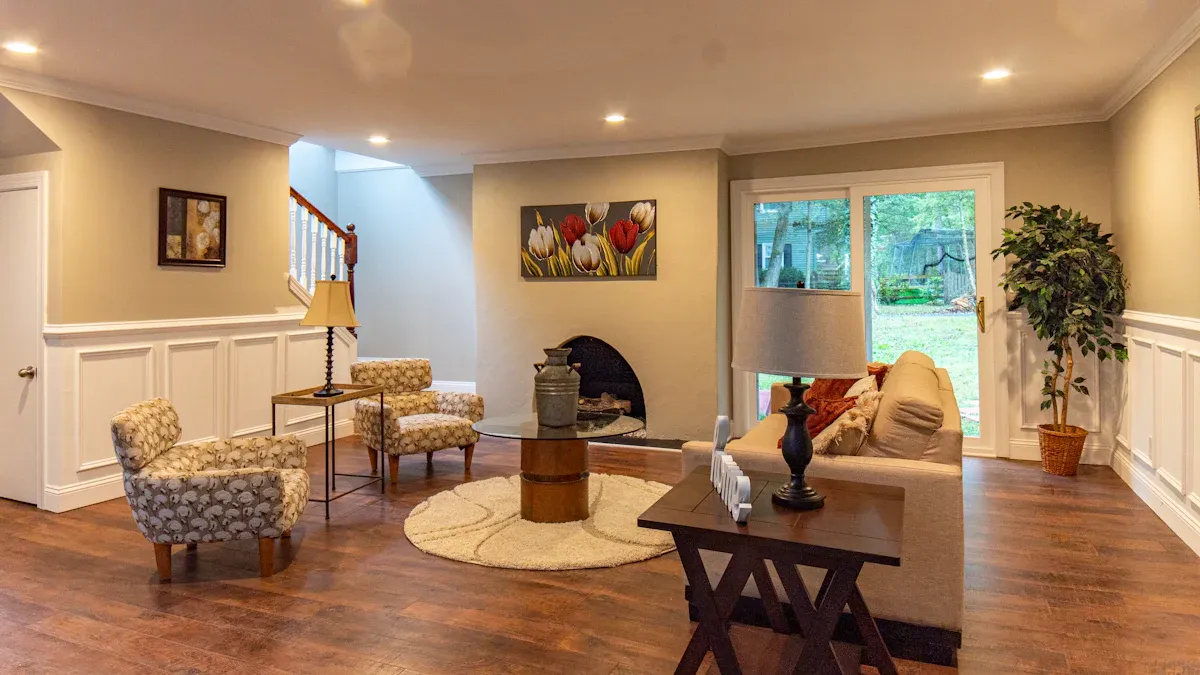
A great basement floor does more than just resist water. It enhances your home's style, adds value, and simplifies your life. A waterproof vinyl floor delivers on all these fronts. You get a high-end look without the high-end price tag or difficult upkeep. It is a smart choice that pays you back for years.
Why Choose a Waterproof Vinyl Floor for Style?
You no longer have to sacrifice style for function. Modern technology allows vinyl flooring to mimic the world's most beautiful natural materials with stunning accuracy. You can achieve the exact look you want for your basement.
Advanced digital printing creates these realistic designs. Manufacturers take detailed scans of real wood and stone. They use these scans to produce lifelike patterns. Thibault Lanchon, Technical Director at Coretec®, explains the next step. He says, "Thanks to innovative Embossed In Register technology, we can replicate not just the natural look, but the natural feel of real wood." This means the texture you feel perfectly matches the wood grain or stone groove you see.
You have an incredible range of design options to choose from.
- Realistic Textures: Get the look of rustic oak, polished marble, or natural slate. Brands like Armstrong Flooring and COREtec offer authentic wood and stone visuals.
- Modern Patterns: Create visual interest with classic herringbone or chevron layouts. You can also use mixed-width planks for a custom, artisanal appearance.
- Endless Colors: Find the perfect shade to match your decor. You can choose from popular styles like the light Blonde Oak and Ivory Coast Oak or the rich tones of Red River Hickory.
Simple DIY-Friendly Installation
You can save a lot of money by installing your new floor yourself. Many vinyl flooring products use a click-lock system. This design makes installation straightforward and glue-free. The planks simply click together to form a tight, water-resistant seal.
You only need a few basic tools for the job:
- Tape measure and pencil
- Utility knife
- Spacers
- Tapping block and hammer
The installation process is simple. You can transform your basement in a weekend.
- Prepare: Make sure your subfloor is clean, dry, and level.
- Acclimate: Let the planks sit in the room for 48 hours to adjust to the temperature.
- Install: Start along the longest wall. Click the planks together, leaving a small expansion gap around the edges.
- Finish: Cut planks as needed with a utility knife. Once done, install your baseboards to cover the gap.
Pro Tip: Avoid Common Mistakes Always buy about 10% extra flooring to account for cuts and mistakes. You must also leave a 1/4-inch expansion gap around the room's perimeter. This gap allows the floor to expand and contract with temperature changes, preventing it from buckling.
Low-Cost, Effortless Maintenance
A beautiful basement floor should not be a burden. Vinyl flooring offers an excellent return on your investment through its low cost and simple care routine.
The material costs are very affordable.
| Vinyl Type | Average Cost per Square Foot (Materials Only) |
|---|---|
| Luxury Vinyl Plank | $2 - $7 |
| Vinyl Tile | $2 - $6 |
This affordability extends over the life of the floor. Vinyl is more cost-effective long-term compared to other options. Carpet requires frequent deep cleaning and earlier replacement. Tile has high installation costs and needs regular grout maintenance. Vinyl, however, lasts 15-20+ years with minimal upkeep, giving you the best total cost of ownership.
Keeping your floor looking new is incredibly easy.
- Daily Care: Sweep or vacuum regularly to remove dirt. Make sure to turn off the vacuum's beater bar to avoid scratches.
- Weekly Cleaning: Mop with a damp microfiber cloth and a pH-neutral cleaner.
- Spills: Wipe up spills immediately with a dry cloth.
Important: Never use harsh chemicals on your vinyl floor. Avoid products containing ammonia, bleach, wax, or abrasive powders. These can strip the protective wear layer and dull the finish. A simple cleaning routine is all you need.
For your basement, a waterproof vinyl floor is the most reliable and practical choice available. It uniquely combines complete water resistance, long-lasting durability, and high-end style at an affordable price point. Choose this flooring to create a beautiful, worry-free basement space you can enjoy for years to come.
FAQ
Is waterproof vinyl the same as water-resistant flooring?
No. Water-resistant floors only handle small spills. A waterproof vinyl floor gives you 100% protection against any water exposure, making it the superior choice for your basement.
Can you install vinyl flooring directly over a concrete subfloor?
Yes. You can install vinyl planks directly onto concrete. Just ensure your subfloor is clean, flat, and dry. This simple preparation guarantees a successful and long-lasting installation.
Do you need an underlayment for waterproof vinyl flooring?
Many vinyl planks include a pre-attached underlayment, saving you a step. You should always check the product's instructions. This ensures you get the best performance from your new floor.
See Also
Optimizing Your Water System: The Benefits of Self-Priming Pumps
Fortifying Doors and Hinges: Protection Against Wildfires and Floods
Silicone Sealant: The Unsung Hero of Modern Home Construction and Decor
Automatic UV Coaters: Revolutionizing High-Speed Printing Efficiency and Quality
Choosing the Top Nameplate Supplier: Key Qualities for 2025 Success