Why Is There Mold in My Water Dispenser and How Do I Fix It?
You find mold in water dispenser because it loves dark, wet places. Tiny particles in your tap water also provide a food source for its growth.
Good news! You can fix this with a simple vinegar cleaning. A few easy maintenance habits will then keep your water clean and safe to drink. 💧
Key Takeaways
- Mold grows in water dispensers because they are dark and wet. Tiny food bits in the water also help mold grow.
- You can clean mold with white vinegar. Scrub the parts, flush the inside with vinegar, and then rinse it well with water.
- Stop mold from coming back by cleaning your dispenser every month. Also, use it often, change the filter, and give it space for air.
The Main Causes of Mold in Water Dispenser
You might wonder how mold finds its way into a machine that only holds clean water. Mold spores are everywhere in the air. They just need the right conditions to grow. Your water dispenser unfortunately provides a perfect home for them. Understanding these causes is the first step to preventing mold in water dispenser issues.
Constant Moisture
Mold loves moisture. Your water dispenser is constantly wet on the inside. This high humidity creates an ideal breeding ground.
- Appliances with enclosed, humid environments are prime spots for mold.
- Any area with humidity levels over 60% allows mold spores to thrive.
- The internal lines and reservoir of your dispenser stay damp, inviting growth.
A Dark Environment
You may notice mold grows faster in dark places like basements. Your water dispenser's internal parts are shielded from light. Sunlight contains natural UV radiation that slows down or stops mold from developing. Without sunlight, the dark, hidden tubes and tanks in your dispenser become a safe space for mold to flourish undetected.
A Food Source in Your Water
Tap water is not completely pure. It contains tiny organic particles and minerals. To you, these are harmless. To mold, they are a food source. Over time, these particles can build up inside the dispenser. This buildup provides the nutrients mold needs to grow and spread, creating a persistent problem with mold in water dispenser systems.
Stagnant Water from Infrequent Use
If you don't use your dispenser often, the water inside sits still. This stagnant water is a major risk factor.
Mold can begin to grow in stagnant water in as little as 24 to 48 hours.
When water isn't flowing, spores have time to settle and germinate into visible colonies. Regular use keeps the water moving, flushing out spores before they can take hold.
How to Safely Remove Mold: A Step-by-Step Guide
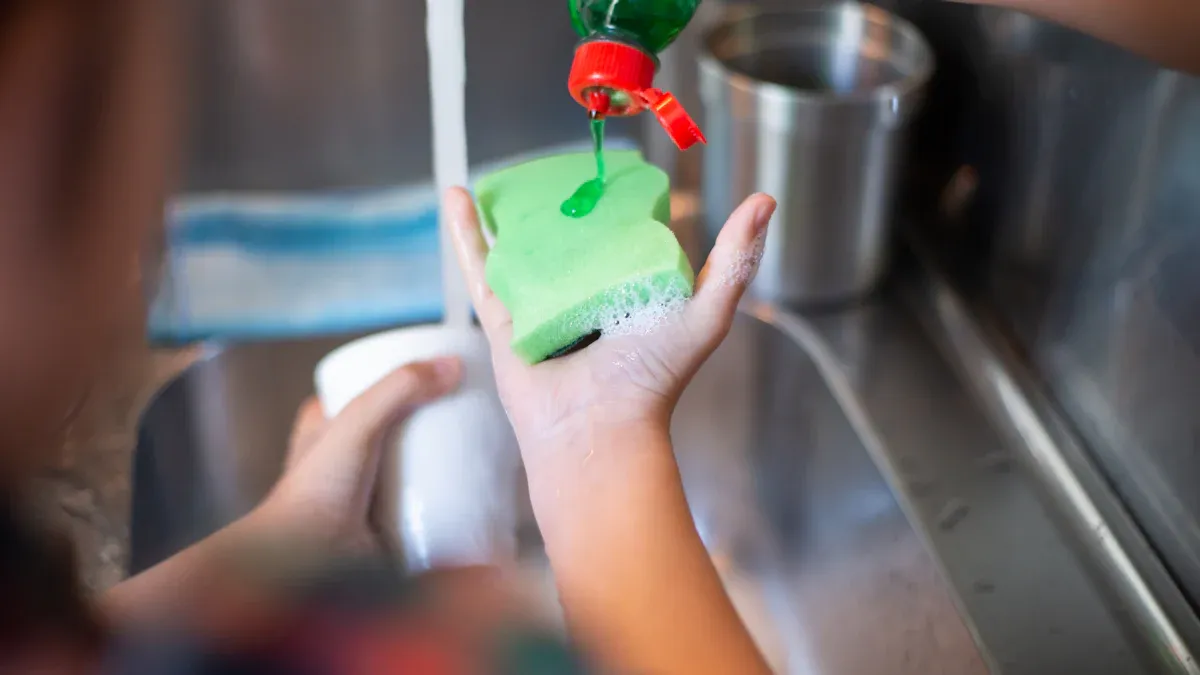
Seeing mold is alarming, but you can remove it completely with a deep clean. This guide will walk you through the process. You will restore your dispenser to a safe and pristine state.
Step 1: Gather Your Cleaning Supplies
First, you need to get your tools ready. You likely have most of these items at home already.
Your Cleaning Toolkit:
- White Distilled Vinegar: This is your main cleaning agent. It is a natural and effective mold killer.
For killing mold, you should use white vinegar undiluted. Do not mix it with water first.
- A Non-Toxic Cleaner (Optional): For a commercial option, you can look for a product like Vital Oxide. It is an EPA-registered disinfectant made without bleach. It is safe for food-contact surfaces and does not require rinsing.
- Warm Water: You will use this for rinsing.
- A Small Brush: A bottle brush or an old toothbrush works perfectly for scrubbing small parts.
- Soft Cloths or Sponges: You need these for wiping and drying.
- A Bucket or Large Bowl: This will catch water during the flushing process.
Step 2: Scrub the Nozzle and Drip Tray
The visible parts of your dispenser are often the dirtiest. You should start your cleaning here.
- Unplug the Dispenser: Safety first! Always disconnect the power before you clean any appliance.
- Remove Detachable Parts: Take off the water bottle or empty the reservoir. Remove the nozzle (if possible) and the drip tray.
- Scrub Thoroughly: Soak the nozzle and drip tray in undiluted white vinegar for about 10 minutes. Then, use your small brush to scrub away all visible mold and grime. Pay close attention to corners and crevices where buildup hides.
- Rinse and Dry: Rinse the parts with warm water. Dry them completely with a soft cloth before you put them back.
Step 3: Flush the Internal Water Line
The internal lines are where hidden mold colonies thrive. Flushing them with vinegar will break down the biofilm—the slimy layer that protects mold.
- Fill the Reservoir: Pour undiluted white vinegar into your dispenser's water reservoir. Fill it about halfway.
- Run the Vinegar Through: Place your bucket under the spigot. Dispense the vinegar through both the cold and hot taps until you can smell it coming out. This ensures the vinegar has coated the entire internal system.
- Let It Sit: Allow the vinegar to sit in the lines for at least 30 minutes (or several hours for heavy mold). The vinegar acts like a shock agent. It penetrates the biofilm's slime layer and loosens it from the waterline walls.
- Flush with Water: Drain all the vinegar. Refill the reservoir with fresh, clean water. Flush the system by running 2-3 full reservoirs of water through the taps. This will wash away the loosened biofilm and any remaining vinegar taste.
Step 4: Replace the Water Filter
An old water filter can be a major source of contamination. It can even cause a new problem with mold in water dispenser systems right after you clean them.
An old, clogged filter traps organic particles. This creates a perfect feeding ground for mold. It also removes chlorine, which normally helps keep water disinfected.
You should change your filter if you notice any of these signs:
- Slow Water Flow: The water dispenses much slower than it used to.
- Bad Taste or Smell: Your water tastes metallic, musty, or just "off."
- Cloudy Water: The water looks hazy or has visible particles floating in it.
Always install a new filter after a deep clean. This gives you a completely fresh start and ensures your water is being properly purified.
Top 5 Tips to Prevent Mold from Coming Back
You have successfully cleaned your water dispenser. Now you can take simple steps to keep it that way. Consistent maintenance is the best defense against future mold growth. These five habits will help you maintain a clean, safe water source for your family.
Tip 1: Do a Monthly Vinegar Flush
A monthly cleaning routine is your most powerful tool. It stops mold before it has a chance to grow. A vinegar flush is simple and highly effective.
Vinegar contains acetic acid. This acid gives vinegar a low pH of around 2.5, making it a great natural antifungal agent. The acidity disrupts the growth of many common fungi and bacteria. While research shows vinegar is great for preventing mold on surfaces, it may not kill every type of mold. However, a regular flush is an excellent preventative measure.
Monthly Maintenance Plan: 🗓️ Once a month, repeat the vinegar flush process from the cleaning guide. Run undiluted white vinegar through the system, let it sit for 30 minutes, and then flush thoroughly with fresh water. This simple habit keeps the internal lines clean and hostile to mold.
Tip 2: Wipe the Dispenser Daily
Mold spores can land on the outside of your dispenser, too. A quick daily wipe-down prevents them from finding a home. This takes less than a minute.
Focus on the areas that get wet or are touched often. A daily cleaning routine should include:
- Wiping down all exterior surfaces with a clean, damp cloth.
- Removing and cleaning out the drip tray to get rid of any spilled water or residue.
This small effort keeps the visible parts of your dispenser sparkling. It also removes moisture that could encourage mold growth around the nozzle and buttons.
Tip 3: Use It or Lose It—Keep Water Flowing
Stagnant water is a primary cause of mold. When water sits still, it gives spores time to settle and grow. The easiest way to prevent this is to use your dispenser regularly.
Keep the water moving! 💧 Using your dispenser every day flushes the system naturally. This constant flow helps wash away any spores before they can attach to the internal lines and form colonies.
If you plan to be away for more than a couple of days, it is a good idea to drain the dispenser completely. This removes the moisture that mold needs to survive. When you return, you can start with a fresh supply of water.
Tip 4: Change the Filter on Schedule
Your water filter is essential for clean water, but an old filter can cause problems. It traps organic particles, which become a food source for mold. An old filter also loses its ability to remove chlorine, a chemical that helps disinfect the water.
Most manufacturers recommend you replace the filter every 2 to 4 months. However, you should also watch for other signs. All certified filters provide information on how often to replace them based on gallons used or months of service.
You should change your filter if you notice any of these issues:
- Slow Flow: Water dispenses much slower than usual.
- Bad Taste: The water tastes off or musty.
- Visual Cues: You see discoloration or clogging on the old filter.
- Cloudy Water: The water is no longer clear.
Always follow the manufacturer's guidelines for your specific model. A fresh filter ensures you are getting pure water and prevents a major source of mold contamination.
Tip 5: Check for Proper Airflow
Your water dispenser needs room to breathe. Many dispensers use refrigeration components, like compressors and condensers, that create heat. Without proper airflow, this heat gets trapped. Trapped heat can cause condensation to form inside the unit, creating the damp conditions mold loves.
Proper ventilation helps the dispenser run efficiently and prevents moisture buildup.
Give It Some Space: 💨 To ensure good airflow, you should place your dispenser at least 8 inches away from any walls. Avoid putting it in a tight cabinet or enclosed space. You should also keep it out of direct sunlight, which can heat the unit and damage its parts over time. A cool, well-ventilated spot is the ideal location for your dispenser.
Health Risks: Is Mold in Your Water Dispenser Dangerous?
Finding mold in your water dispenser can be concerning, and it is right to question its safety. While a healthy person might not get sick from a small amount, mold can produce irritants and potentially toxic substances called mycotoxins. Drinking or inhaling these can pose health risks.
Understanding the Health Concerns
When you ingest mold, it can irritate your digestive system. You might experience symptoms like nausea, stomach cramps, or diarrhea. Mold spores can also become airborne around the dispenser. Inhaling them can trigger other issues.
Molds can cause allergic reactions in sensitive people. These reactions often look like hay fever, with symptoms such as sneezing, a runny nose, or red, itchy eyes.
For people with asthma, mold exposure can even trigger an asthma attack. The most common molds found indoors, like Penicillium and Aspergillus, can cause these problems.
Who Is Most at Risk?
While anyone can react to mold, some people are much more vulnerable to its effects. You should be extra careful if your household includes individuals from these groups.
People at higher risk include:
- Children: A child's immune system is still developing. They also breathe more air for their body size, meaning they inhale more spores.
- The Elderly: Older adults may have weaker immune systems, making them more susceptible to illness.
- Immunocompromised Individuals: People with weakened immune systems from medical conditions or treatments cannot fight off mold effectively. This puts them at a higher risk for infections.
These groups are more likely to experience significant health problems from mold exposure. Keeping your water dispenser clean is a key step in protecting them.
Mold in your dispenser is a common silent intruder, thriving in its dark, moist environment. You can defeat it with a deep clean and consistent maintenance. These simple steps are the key to ensuring your family always has access to safe, clean drinking water. 💧
FAQ
Can I use bleach instead of vinegar?
You should avoid using bleach. It can damage your dispenser's internal parts and is unsafe if not rinsed completely. Vinegar is a safer, effective alternative for cleaning.
How often should I deep clean my dispenser?
You should perform a deep clean every 3 to 6 months. A monthly vinegar flush will help prevent mold from returning between your deeper cleanings.
What if the mold returns after cleaning?
Persistent mold often points to an underlying issue. 🔍
Check for two common causes. You may need to replace an old water filter. Your dispenser might also lack proper airflow, so ensure it has space.