What Makes Edible Gelatin Indispensable in Food Production
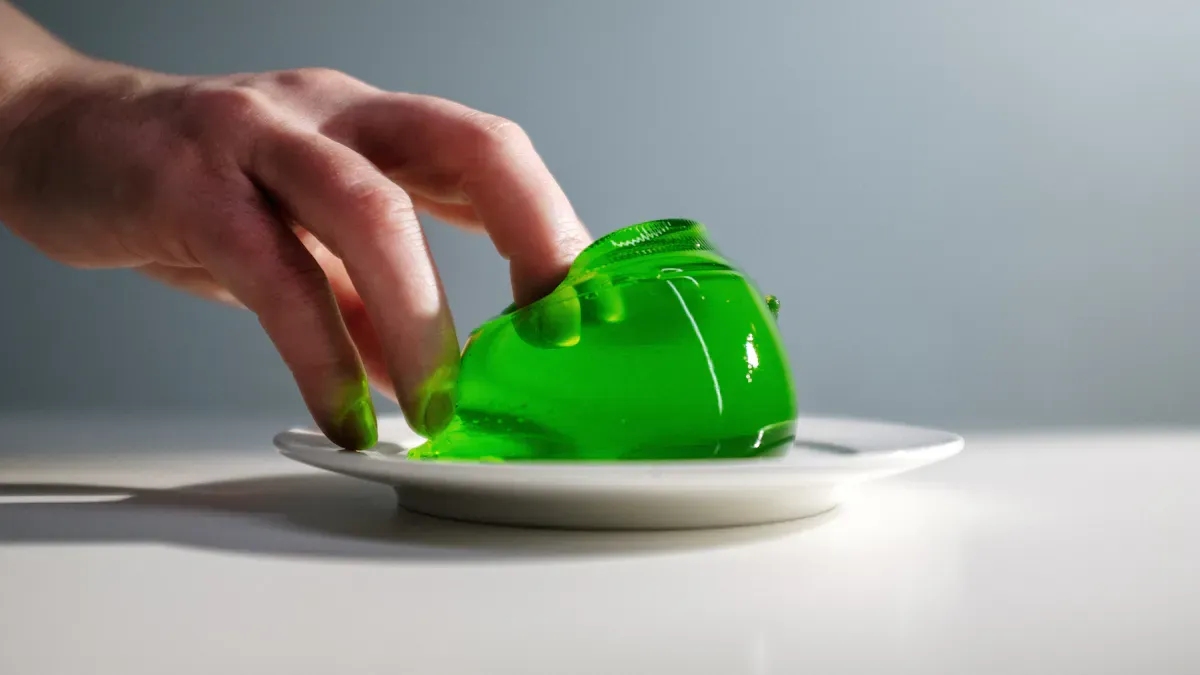
You see edible gelatin in many foods you enjoy. This ingredient gives foods their smooth texture and clear appearance. Manufacturers choose edible gelatin for its reliable results. The table below shows how demand for edible gelatin has grown in different regions as more people seek better food quality.
| Region | Growth Insights |
|---|---|
| Asia-Pacific | Fastest-growing market due to rising disposable incomes and health consciousness among consumers. |
| North America | Largest market with strong food processing industry and rising demand for gelatin-based products. |
| Europe | Mature market driven by pharmaceutical and food sectors, particularly in Germany, France, and the U.K. |
| Latin America | Increasing gelatin usage in dietary supplements and food products in Brazil and Mexico. |
| Middle East & Africa | Demand growth due to rising population and expanding food industry in countries like Turkey and UAE. |
Key Takeaways
- Edible gelatin enhances food texture and mouthfeel, making dishes smoother and more enjoyable.
- This ingredient stabilizes emulsions and extends shelf life, ensuring food quality and freshness.
- Gelatin is versatile and neutral in taste, allowing it to be used in a wide range of recipes without altering flavors.
Unique Properties of Edible Gelatin

Gelling and Thickening Abilities
You can see how edible gelatin stands out when you look at its gelling and thickening abilities. When you mix edible gelatin with water and heat it, the protein strands unravel. As the mixture cools, these strands reconnect and form a strong three-dimensional network. This network traps water and creates a semi-solid elastic gel. You notice this in foods like jellies and puddings, which hold their shape and feel smooth in your mouth.
Gelatin forms thermo-reversible gels. You can melt them by heating and they set again when cooled. This gives desserts a melt-in-your-mouth texture that other gelling agents cannot match.
Here is a table that shows how edible gelatin compares to other hydrocolloids:
| Property | Gelatin | Other Hydrocolloids |
|---|---|---|
| Final State | Semi-solid elastic gel | Viscous pourable liquid |
| Molecular Mechanism | Polymer chains cross-link to form a stable 3D network | Polymer entanglement and swelling; molecules can still move |
| Function in Food | Gives structure and form (e.g. jellies, puddings) | Controls flow and mouthfeel (e.g. gravies, soups) |
| Common Ingredients | Gelatin, Pectin, Agar-Agar, Carrageenan | Starches, Xanthan Gum, Guar Gum, Cellulose Gum |
You can use edible gelatin in both sweet and savory dishes. It gives structure to desserts and thickens sauces and soups. This flexibility makes it a favorite in kitchens and food factories.
Stabilizing and Emulsifying Functions
Edible gelatin does more than just gel and thicken. You can use it to stabilize and emulsify food products. When you add gelatin to meat products or emulsions, it binds water and increases viscosity. This helps keep the texture smooth and prevents separation.
- Gelatin binds water and increases viscosity, contributing to a smooth texture.
- It creates thermoreversible gels, allowing for a melt-in-your-mouth sensation.
- Gelatin can work independently or with other stabilizers, enhancing emulsion stability.
You can see the process in three steps:
- Gelatin's coiled protein strands unravel when heated in water.
- Upon cooling, these strands partially re-bond, forming a three-dimensional network that traps water.
- This network creates a gel, which stabilizes emulsions and enhances food texture.
Here is a table showing how different foods benefit from gelatin:
| Food Type | Benefits of Gelatin |
|---|---|
| Meat Products | Enhances physical properties, binding capacity, and water retention. Improves taste and yield. |
| Emulsions | Stabilizes emulsions and improves texture in food systems. |
You can find edible gelatin in mousse, whipped cream, and meat products. It keeps these foods stable and improves their taste and yield.
Gelatin's strong ionic groups form hydrogen bonds with free water. This locks water in place and prevents loss during processing.
Versatility and Neutral Taste
You can rely on edible gelatin for its versatility and neutral taste. It works in a wide range of foods, from desserts to savory dishes. Gelatin does not add any flavor, so you can use it without changing the taste of your recipes.
- Gelatin can be used in desserts, sauces, soups, and meat products.
- It provides a superior texture and taste compared to other gelling agents like agar and pectin.
- Gelatin acts as a thickening agent and stabilizer, enhancing the overall flavor and presentation of sauces and emulsions.
Food scientists praise edible gelatin for its film-forming ability, gelling qualities, and foaming and emulsifying properties. You can use it to create films, stabilize foams, and encapsulate active ingredients. These features make it a key ingredient in modern food production.
Recent advancements in gelatin processing, such as enzymatic hydrolysis and smart manufacturing, have improved its quality and reduced environmental impact. You benefit from better gelling strength and stability in your food products.
You can see why edible gelatin is indispensable. It gives you reliable results, improves texture, and keeps foods stable and appealing.
Edible Gelatin in Food Applications
Improving Texture and Mouthfeel
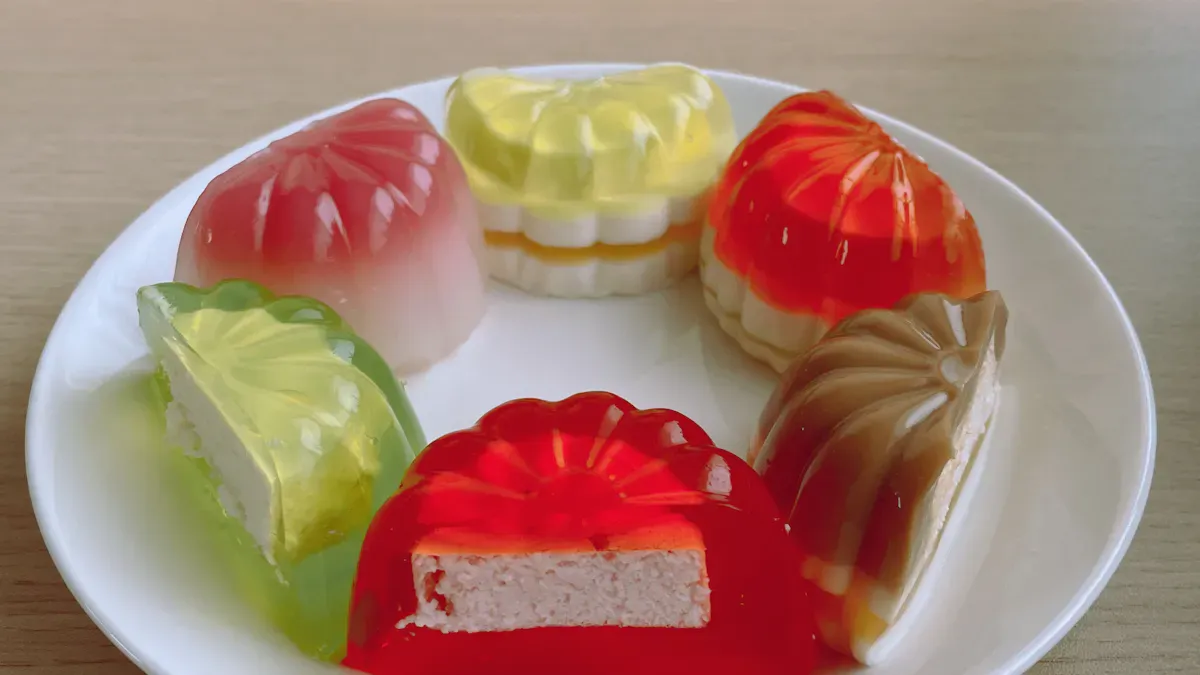
You can find edible gelatin in many foods because it improves texture and mouthfeel. When you add it to recipes, you get a smooth, creamy, or firm texture, depending on how much you use. This ingredient helps you create foods that feel pleasant to eat. You see its effects in products like yogurt, marshmallows, and gummy candies. Here are some food categories that use edible gelatin for texture:
- Food & Beverage
- Confectionery
- Dairy & Desserts
- Meat & Poultry Products
- Beverages
- Soups & Sauces
- Nutraceuticals
- Pharmaceuticals
- Personal Care
Rheological properties matter when you want to control mouthfeel. By adjusting viscosity and elasticity, you can make ice cream creamier or give candy a firmer bite. These changes help you design foods that people enjoy eating.
Enhancing Appearance and Clarity
You can use edible gelatin to make foods look more appealing. It creates clear gels and smooth surfaces in desserts and aspics. This clarity makes your dishes look fresh and appetizing. The table below shows how edible gelatin improves visual qualities:
| Characteristic | Description |
|---|---|
| Clarity and purity | Essential for visual appeal in culinary items |
| Consistent gel strength | Ensures reliable texture in products |
| Ability to create smooth textures | Enhances the overall appearance of desserts |
Extending Shelf Life and Stability
You can rely on edible gelatin to help foods last longer. It protects against spoilage and keeps products stable during storage. The following table explains how edible gelatin works to extend shelf life:
| Mechanism | Description |
|---|---|
| Antioxidant Activity | Maintains quality by reducing oxidation in foods. |
| Thermal Stability | Keeps its protective effects even when heated. |
| Protective Coatings | Slows down spoilage and microbial growth, especially in fresh produce. |
Manufacturers see edible gelatin as essential for product development. The market for this ingredient continues to grow as more people want convenient and high-quality foods.
Nutritional Benefits and Comparison to Alternatives
High Protein Content and Digestibility
You get protein when you eat foods with edible gelatin. This protein helps your body build and repair tissues. The table below shows how much protein you find in edible gelatin compared to other sources:
| Food Source | Protein Content (g per 100g) |
|---|---|
| Edible Gelatin | 7.8 |
| Other Protein Sources | Typically higher |
Even though edible gelatin has less protein than meat or beans, it still adds value to your diet. You also benefit from its easy digestibility. Studies show that gelatin supports your digestive health, bones, skin, and joints. Many people use collagen supplements, including gelatin, to reduce joint pain and strengthen connective tissues. Animal studies suggest that gelatin may improve bone density.
Comparison with Plant-Based Gelling Agents
You may wonder how edible gelatin compares to plant-based gelling agents like agar and pectin. The table below highlights some differences:
| Feature | Agar | Pectin |
|---|---|---|
| Source | Seaweed | Fruits |
| Gel Texture | Firm, brittle | Soft, elastic |
| Setting Temperature | 32-40°C | Varies |
| Requires Sugar/Acid | No | Yes |
| Thermal Reversibility | Yes | Limited |
| pH Stability | Wide range | Acidic best |
| Applications | Desserts, pharma | Jams, dairy |
Agar forms stiff gels and works well in hot foods. Pectin makes softer gels and needs sugar and acid to set. Plant-based options are vegan-friendly and have a smaller environmental footprint. Companies continue to improve these alternatives, but the texture and mouthfeel may differ from edible gelatin.
Allergen-Free and Clean Label Advantages
You can trust edible gelatin because many regulatory bodies recognize it as a safe food additive. It contains amino acids and protein, which means you face a low risk of side effects. Most people do not have allergies to gelatin. You also see it on clean labels, which means fewer additives and simple ingredients.
Tip: If you want a product that is both safe and easy to digest, edible gelatin is a smart choice.
You see why Edible Gelatin remains a top choice in food production.
- The market grows with more people choosing convenience foods and clean-label snacks.
- New extraction methods make gelatin fit many uses.
- You get smooth textures and stable products, even in low-fat or sugar-free foods.
FAQ
What foods commonly contain edible gelatin?
You find edible gelatin in gummy candies, marshmallows, yogurt, and some desserts. It also appears in soups, sauces, and some meat products.
Is edible gelatin safe for people with allergies?
Most people can eat edible gelatin safely. It rarely causes allergic reactions. You should always check labels if you have specific dietary needs.
Can you use edible gelatin in hot and cold recipes?
Yes! You can use edible gelatin in both hot and cold dishes. It melts when heated and sets again as it cools.