Why Every Business Should Consider Automated Packing Machines
Automated packing machines transform business operations by increasing productivity and reducing costs. They help companies improve product consistency and meet higher standards for quality. Many industries report fewer workplace injuries after switching to an automated packing machine. Companies also see better use of resources and a smaller environmental footprint.
Businesses of all sizes gain both immediate and lasting advantages by adopting this technology.
Boosting Efficiency with Automated Packing Machines
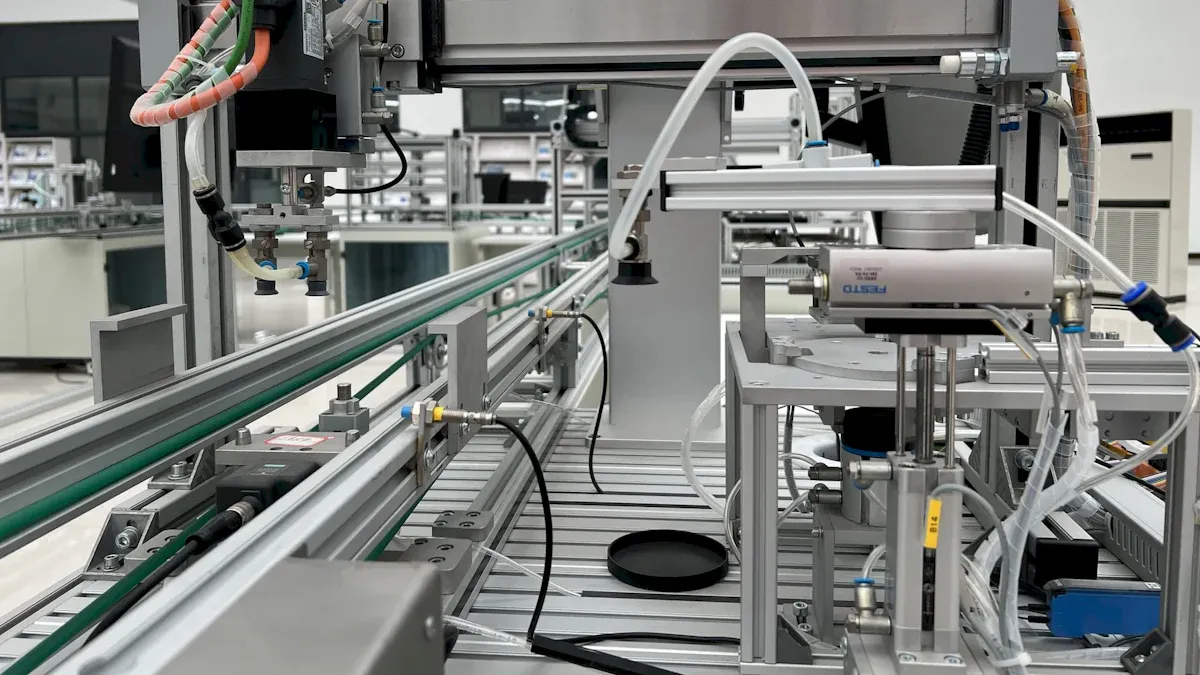
Faster Packing Processes
Automated packing machines accelerate the entire packaging process. These machines handle repetitive tasks much faster than manual labor. For example, a single automated packing machine can seal, label, and box products in seconds. Businesses that use automation often see a dramatic increase in daily output. This speed allows companies to meet tight deadlines and fulfill large orders without delays.
Tip: Companies that switch to automated packing machines often report a 30% or greater improvement in packing speed.
Minimizing Human Error
Manual packing introduces mistakes such as incorrect labeling, uneven sealing, or missing items. Automated packing machines reduce these errors by following precise instructions every time. Sensors and software monitor each step, ensuring accuracy. As a result, businesses experience fewer returns and complaints from customers. Consistent performance also helps maintain a strong brand reputation.
- Key benefits of minimizing human error:
- Fewer product recalls
- Lower costs from waste
- Improved customer trust
Streamlining Workflow
Automated packing machines integrate smoothly with other production equipment. They create a seamless workflow from assembly to shipping. Employees can focus on quality control and other important tasks instead of repetitive packing. This shift leads to better use of labor and resources. Companies can also adjust machine settings quickly to handle different products or packaging styles.
| Workflow Improvement | Impact on Business |
|---|---|
| Reduced bottlenecks | Faster order fulfillment |
| Better coordination | Higher productivity |
| Flexible setup | Easier process changes |
Automated packing machines help businesses operate more efficiently at every stage of production.
Cutting Costs with Automated Packing Machines
Lower Labor Expenses
Businesses often face high labor costs in manual packing operations. Automated packing machines reduce the need for large teams by performing repetitive tasks quickly and accurately. Companies can reassign employees to roles that require critical thinking or specialized skills. This shift leads to a more efficient workforce and lower payroll expenses. Many organizations report significant savings after installing automated packing machines.
Note: Automated systems help companies avoid overtime payments and minimize temporary staffing needs during peak seasons.
Reducing Operational Overhead
Operational overhead includes expenses such as utilities, maintenance, and packaging materials. Automated packing machines optimize resource usage by minimizing waste and streamlining processes. These machines use precise measurements to reduce excess packaging. Maintenance schedules become predictable, which lowers unexpected repair costs. Energy-efficient models also help businesses save on electricity bills.
| Overhead Cost | Manual Packing | Automated Packing Machine |
|---|---|---|
| Labor | High | Low |
| Material Waste | Frequent | Minimal |
| Utility Bills | Unpredictable | Stable |
| Equipment Repairs | Irregular | Scheduled |
Maximizing Return on Investment
Investing in an automated packing machine delivers measurable financial benefits. Companies see faster payback periods due to increased productivity and reduced errors. Improved efficiency leads to higher output, which boosts revenue. Consistent product quality reduces returns and enhances customer loyalty. Over time, the initial investment pays for itself through ongoing savings and growth opportunities.
- Key ROI drivers:
- Increased throughput
- Lower defect rates
- Reduced labor costs
- Enhanced customer satisfaction
Tip: Businesses that track performance metrics often find that automation delivers a strong return on investment within the first year.
Improving Product Quality and Consistency with Automated Packing Machines
Uniform Packaging Standards
Automated packing machines help companies achieve uniform packaging standards across every product line. These machines follow programmed instructions to apply the same amount of material, seal each package with precision, and ensure consistent labeling. Businesses that use automation see fewer variations in package appearance and structure. Uniformity supports brand recognition and meets regulatory requirements.
| Benefit | Description |
|---|---|
| Consistent appearance | Every package looks the same |
| Accurate labeling | Reduces risk of mislabeling |
| Reliable sealing | Prevents leaks and contamination |
Consistency in packaging builds trust with customers and partners.
Fewer Defects and Rework
Manual packing often leads to defects such as torn packaging, incorrect item counts, or poor sealing. Automated packing machines reduce these problems by using sensors and quality control systems. They detect errors in real time and correct them before products leave the facility. Companies experience fewer returns and less wasted material. Employees spend less time fixing mistakes and more time on productive tasks.
- Common defects prevented by automation:
- Incomplete sealing
- Wrong product placement
- Damaged packaging
Automated systems help businesses maintain high standards and lower the cost of rework.
Enhancing Customer Satisfaction
Customers expect products to arrive in perfect condition. Automated packing machines deliver consistent results, which leads to fewer complaints and higher satisfaction rates. Reliable packaging protects items during shipping and storage. When customers receive products that look professional and undamaged, they are more likely to trust the brand and make repeat purchases.
Tip: Companies that invest in automated packing machines often see improved customer reviews and stronger loyalty.
Scaling Operations with Automated Packing Machines
Adapting to Increased Demand
Businesses often face sudden spikes in orders during peak seasons or promotional events. An automated packing machine allows companies to respond quickly to these changes. Operators can adjust machine settings to handle higher volumes without sacrificing quality. Production managers monitor output and make real-time decisions. This flexibility helps companies avoid delays and maintain customer satisfaction.
Tip: Companies that use automated packing machines can scale up production in hours instead of days.
Flexible Production Capacity
Manufacturers need equipment that adapts to different product sizes and packaging styles. Automated packing machines offer customizable features for various requirements. Operators switch between packaging formats with minimal downtime. This adaptability supports product launches and seasonal changes. Teams can test new packaging designs without disrupting the main workflow.
| Feature | Benefit |
|---|---|
| Adjustable settings | Quick format changes |
| Modular components | Easy upgrades |
| Multi-product support | Handles diverse items |
Flexible capacity ensures that businesses stay competitive in dynamic markets.
Supporting Business Growth
As companies expand, they require systems that grow with them. Automated packing machines provide scalable solutions for increasing production. Businesses invest in additional units or upgrade existing machines to meet new goals. This approach reduces the need for major facility changes. Teams focus on strategic planning while machines handle routine tasks.
- Advantages of scalable automation:
- Faster market entry
- Lower expansion costs
- Consistent product quality
Note: Automated packing machines help businesses achieve growth targets while maintaining operational efficiency.
Enhancing Safety and Sustainability with Automated Packing Machines
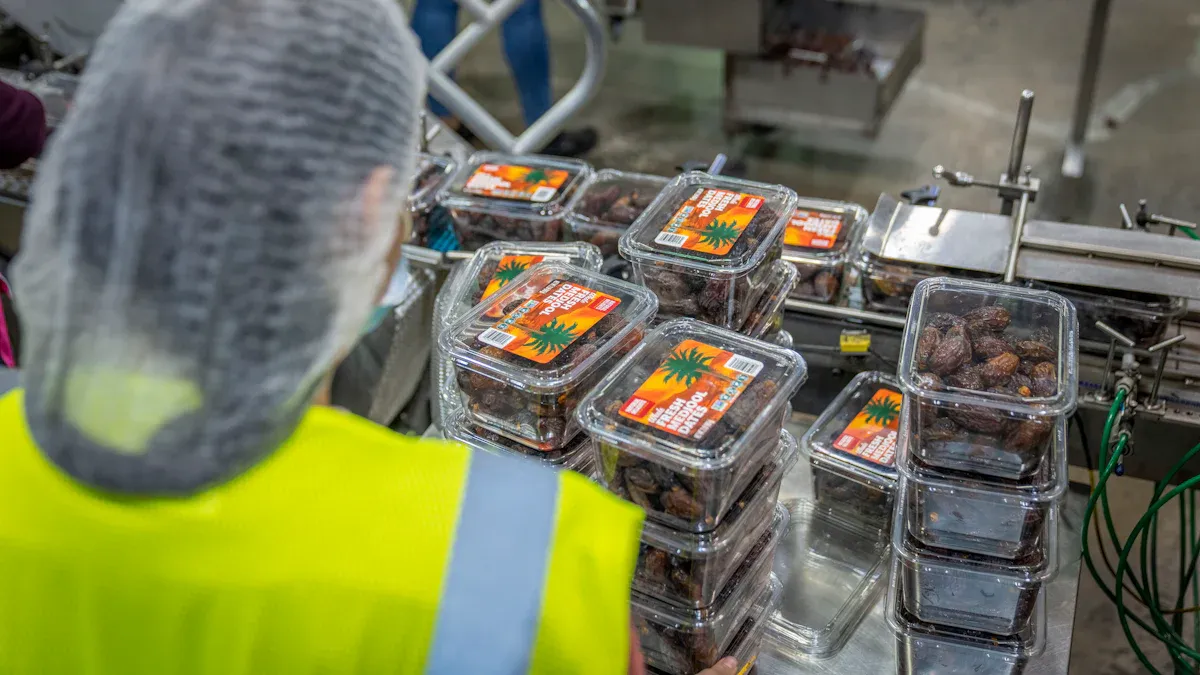
Reducing Workplace Injuries
Automated packing machines improve workplace safety by taking over repetitive and physically demanding tasks. Employees avoid lifting heavy boxes and performing motions that can cause strain. Companies report fewer incidents of cuts, sprains, and repetitive stress injuries after installing these machines. Safety sensors and emergency stop features protect workers from accidents. Managers see a reduction in lost workdays and compensation claims.
Safety Tip: Regular training on machine operation helps teams maintain a safe environment.
Optimizing Material Usage
Businesses strive to use packaging materials efficiently. Automated packing machines measure and dispense exact amounts of tape, film, and boxes for each product. This precision reduces waste and lowers costs. Operators adjust settings to match different package sizes, which prevents overuse of materials. Companies track usage data to identify areas for improvement.
| Material Optimization | Benefit |
|---|---|
| Precise measurements | Less waste |
| Adjustable settings | Custom packaging |
| Usage tracking | Cost savings |
Efficient material use supports both financial and environmental goals.
Lowering Environmental Impact
Sustainability remains a priority for many organizations. Automated packing machines help reduce the carbon footprint by minimizing energy consumption and material waste. Energy-efficient models use less electricity during operation. Companies select recyclable or biodegradable packaging materials to further lower their impact. Automated systems also support green initiatives by streamlining recycling processes and reducing landfill contributions.
- Ways automated packing machines support sustainability:
- Lower energy usage
- Reduced packaging waste
- Increased use of eco-friendly materials
Note: Businesses that invest in automation demonstrate commitment to environmental responsibility.
Automated packing machines deliver practical benefits for businesses. They increase efficiency, reduce costs, and improve product quality. Companies scale operations with ease and maintain high safety standards. Sustainability goals become achievable with optimized material usage.
- Future-proofing a business starts with investing in the right technology.
Companies that act now gain a competitive edge and maximize profitability.
FAQ
What types of products can automated packing machines handle?
Automated packing machines work with a wide range of products. They handle food, electronics, pharmaceuticals, and consumer goods. Operators can adjust settings for different sizes and shapes. Most machines support both rigid and flexible packaging materials.
How difficult is it to train staff on automated packing machines?
Most employees learn to operate automated packing machines quickly. Manufacturers provide training and user-friendly interfaces. Staff members usually master basic functions within a few days. Ongoing support ensures smooth operation.
Tip: Regular refresher training helps teams stay efficient and safe.
What maintenance do automated packing machines require?
Routine maintenance includes cleaning, lubrication, and inspection of moving parts. Technicians check sensors and software updates. Scheduled service prevents breakdowns and extends machine life. Most manufacturers offer maintenance plans for added convenience.
Can small businesses afford automated packing machines?
Many small businesses invest in entry-level automated packing machines. Leasing options and financing plans make automation accessible. Lower labor costs and increased productivity help offset the initial investment.
| Business Size | Automation Options |
|---|---|
| Small | Entry-level, Leasing |
| Medium | Modular, Scalable |
| Large | Custom, High-capacity |
See Also
Evaluating Custom Cargo Lifts: Benefits and Drawbacks for Businesses
Key Considerations for Capsule Checkweighers Buyers in 2025
Top 6 Industrial Vacuum Cleaners Recommended for Businesses
Popular Features of Folder Gluers for Carton Lines in 2025
Enhancing Pharmaceutical Efficiency with Modern Capsule Decapsulation Machines