Why You Should Never Use a Plastic Water Dispenser Again
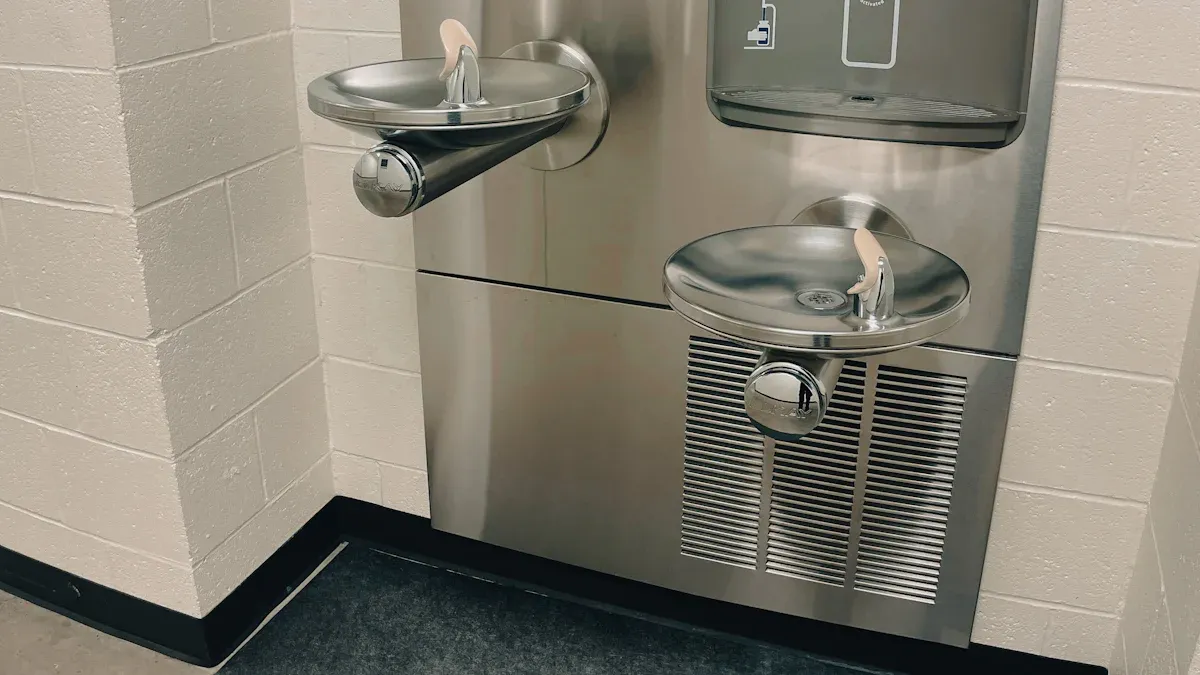
Your plastic water dispenser could be leaching harmful chemicals into your family's drinking water. These chemicals include things like BPA and tiny, unseen microplastics with every glass you pour.
You can protect your family's health and safety. Switching to a stainless steel water dispenser is the single most important step.
Key Takeaways
- Plastic water dispensers can put harmful chemicals and tiny plastic pieces into your drinking water. These can cause health problems for your family.
- Stainless steel water dispensers keep your water pure and clean. They do not add bad chemicals or plastic to your water.
- Choosing a stainless steel dispenser is a smart choice for your health, your wallet, and the environment. It lasts a long time and helps reduce plastic waste.
The Hidden Health Risks of Plastic Dispensers
You might think the water from your dispenser is pure. The plastic container holding it, however, introduces serious health risks you cannot see, taste, or smell. Every time you fill your glass, you could be exposing yourself and your family to harmful substances.
Chemical Leaching: The BPA Problem
Many hard, clear plastic water dispensers contain a chemical called Bisphenol A, or BPA. This chemical makes the plastic strong, but it does not stay locked inside. BPA can "leach," or seep out of the plastic and into your drinking water. Heat and age can make the plastic release even more of this harmful chemical.
Scientific studies show this is not just a theory; it is a fact. One study directly compared how much BPA leached from different bottle materials.
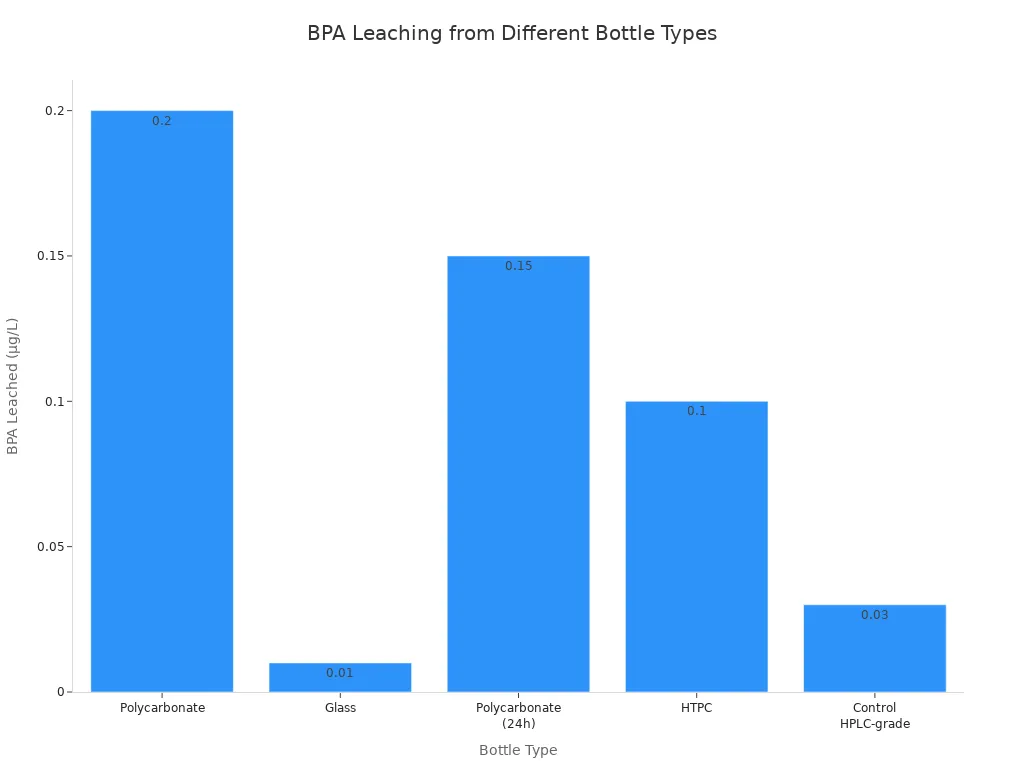
The results are clear. Over a 96-hour period, polycarbonate plastic bottles leached about 20 times more BPA into the water than glass bottles did.
This exposure is dangerous because BPA disrupts your body's hormone system. Health experts have linked BPA exposure to a frightening list of health problems, especially for children and developing babies. These issues include:
- Increased risk for certain cancers, including breast and prostate cancer.
- Problems with brain development in children, leading to ADHD, anxiety, and depression.
- Reproductive harm, causing infertility, ovarian cysts, and reduced sperm count.
- Higher risk of obesity, diabetes, and heart disease.
Microplastics: An Unseen Contaminant
Beyond chemical leaching, your plastic dispenser sheds tiny particles called microplastics. These are microscopic pieces of plastic, smaller than a sesame seed, that break off from the container over time. You swallow them with every sip of water, and they build up in your body.
Scientists are still learning about the long-term effects, but the initial findings are alarming. Ingesting microplastics can harm your health in several ways:
- Physical Damage: Sharp particles can irritate your digestive system, causing inflammation.
- Chemical Poisoning: Microplastics act like tiny sponges. They absorb other toxic chemicals from the environment, like pesticides and heavy metals. When you ingest the plastic, you also ingest those poisons.
- Hormone Disruption: The plastics themselves contain chemicals that can interfere with your hormones, leading to a range of health issues from cancers to reproductive disorders.
A Breeding Ground for Bacteria 🦠
Plastic is a relatively soft material. Over time, your dispenser develops tiny scratches and cracks on its surface from regular use and cleaning. You may not even be able to see them.
These microscopic grooves are the perfect hiding places for bacteria and biofilm to grow. Even with regular washing, it is nearly impossible to scrub these tiny crevices clean. This means your dispenser can become a permanent home for germs that contaminate your water, potentially causing stomach issues and other illnesses.
Why a Stainless Steel Water Dispenser Guarantees Purity
Switching to stainless steel provides a guaranteed solution for pure, clean water. Unlike plastic, this material is fundamentally safer and preserves the quality of your water from the source to your glass.
An Inert, Non-Leaching Material
Stainless steel is an inert material. This means it does not react with the water it holds. The chromium in the steel forms a stable, passive film on the surface. This film acts as a protective barrier, preventing any metal from leaching into your drinking water.
Scientific studies confirm this. Even under corrosive conditions, the release of metal ions from stainless steel is extremely low, far below the safety limits set by the EPA. This is why regulatory bodies like the FDA and NSF certify specific grades of stainless steel for food and water contact.
You get peace of mind knowing your water remains free from added chemicals.
No More "Plastic" Taste
You may have noticed a strange "plastic" taste from your old dispenser. That taste comes from chemicals and manufacturing residues, like volatile organic compounds (VOCs), that seep out of the plastic. Heat and age make this problem even worse. A stainless steel water dispenser eliminates this issue entirely. Its stable surface does not release any compounds, so your water tastes crisp, clean, and pure—just as it should.
Simple to Keep Hygienically Clean
The hard, non-porous surface of a stainless steel water dispenser is incredibly easy to sanitize. It resists the tiny scratches and cracks where bacteria love to hide in plastic. A simple cleaning routine keeps your dispenser hygienic.
- Prepare a solution of equal parts white vinegar and water.
- Fill the reservoir and let it sit for 15 minutes to dissolve any mineral buildup.
- Scrub the inside with a soft brush and wash all removable parts.
- Rinse thoroughly with clean water two or three times.
This simple process ensures your family always has access to safe, germ-free water.
The Smarter Investment: Durability and Longevity
Choosing a stainless steel water dispenser is not just a health decision; it is a smart financial one. While a plastic dispenser seems cheaper upfront, its short lifespan and frequent need for replacement make it more expensive in the long run.
Built to Last a Lifetime
Think of a stainless steel dispenser as a one-time purchase. Plastic models often become brittle and fail within a few years, forcing you to buy another one. A well-maintained stainless steel model, however, can serve your family for 5 to 15 years or even longer. This superior durability means you save money over time because you are not constantly buying replacements.
Resisting Corrosion and Damage
The secret to this longevity lies in the material itself. Stainless steel contains chromium, which reacts with oxygen to form a tough, invisible "passive film" on the surface. This layer protects the metal from rust and corrosion and even self-heals if it gets scratched. Its key properties include:
- High Tensile Strength: It resists dents, dings, and impacts from daily use.
- Corrosion Resistance: It stands up to cleaning agents and minerals in water without degrading.
- Temperature Endurance: It can handle hot and cold conditions without warping or melting.
Avoiding Cracks and Breakdowns
Plastic dispensers fail in predictable ways. They develop fine cracks from age, warp from sun exposure, and can become brittle in the cold. These weaknesses often lead to leaks and complete breakdowns.
Unlike plastic, stainless steel does not become brittle, absorb odors, or warp when exposed to heat. It resists the scratches and cracks that lead to leaks and contamination.
You avoid the frustration of a faulty dispenser and the recurring cost of buying a new one. Your investment is protected for years to come.
The Environmental Case Against Plastic
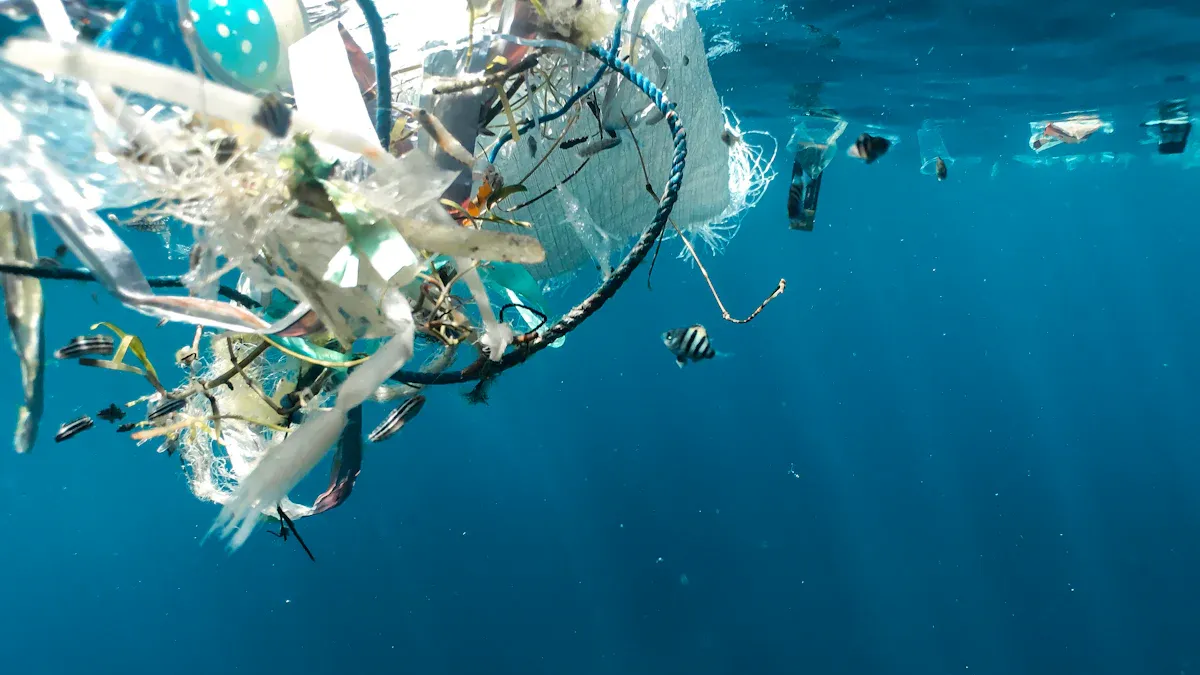
Your choice of water dispenser impacts more than just your health; it affects the planet. When you choose stainless steel, you are making a responsible decision for the environment.
The Plastic Landfill Burden
When your plastic dispenser cracks or breaks, you throw it away. That plastic does not disappear. It sits in a landfill for centuries, contributing to a massive global waste problem. 🌎
A plastic bottle, made from similar materials, takes about 450 years to decompose.
Every plastic dispenser you discard adds to this long-lasting pollution. Manufacturers also make plastic from non-renewable fossil fuels, a process that harms the environment from the very start. Your dispenser's short lifespan creates a cycle of waste that our planet cannot afford.
The Recyclable, Sustainable Choice
Stainless steel offers a truly sustainable solution. Unlike plastic, which degrades with each recycling cycle, you can recycle stainless steel endlessly without any loss of quality.
Studies show that 95% of stainless steel is recycled at the end of its life. Most of it is used to create new, high-quality stainless steel products.
This high recyclability, combined with its extreme durability, makes stainless steel the smarter environmental choice. This table shows you the key differences:
| Feature | Stainless Steel | Plastic |
|---|---|---|
| Durability | Lasts for decades | Prone to cracking and breaking |
| Recyclability | 100% recyclable without quality loss | Limited and often degrades in quality |
| Raw Materials | Iron ore, chromium (abundant) | Fossil fuels (non-renewable) |
| Waste Generation | Minimal due to longevity | Major contributor to landfill waste |
| Lifecycle Impact | Lower long-term impact | High long-term impact due to pollution |
By choosing stainless steel, you invest in a product that serves you for a lifetime and can be responsibly repurposed for generations to come.
Your plastic dispenser poses a clear threat. You may consume up to 52,000 microplastic particles from it annually. A stainless steel water dispenser guarantees pure water and ends this cycle of waste. With official action on pollution lagging, the choice falls to you.
“It’s an important report, especially since Congress is missing in action on preventing plastic pollution. It really will be up to the states to take action.” — Judith Enck, president of Beyond Plastics
Protect your family and the planet by making the switch today.
FAQ
Is a stainless steel dispenser more expensive?
A stainless steel dispenser costs more upfront. You save money long-term because it lasts for decades. You avoid buying frequent replacements, unlike with flimsy plastic models.
How do I clean a stainless steel dispenser?
You can easily clean it with a simple mix of white vinegar and water. Its smooth surface prevents bacteria growth, keeping your family's water safe and pure. 💧