Which Water Dispenser Type Should You Get for Home
You are joining a growing market valued at over USD 3.18 billion in 2024. For many, a bottom-load water dispenser for homes provides an ideal blend of convenience and style. Your perfect choice, however, will depend on your budget, space, and lifting comfort.
Key Takeaways
- Choose a water dispenser based on your budget, space, and how easy it is to lift water bottles.
- Bottom-load dispensers are popular because they look good and you do not have to lift heavy bottles.
- Point-of-use dispensers connect to your water line for endless filtered water, saving money over time.
Comparing the Top Water Dispenser Types
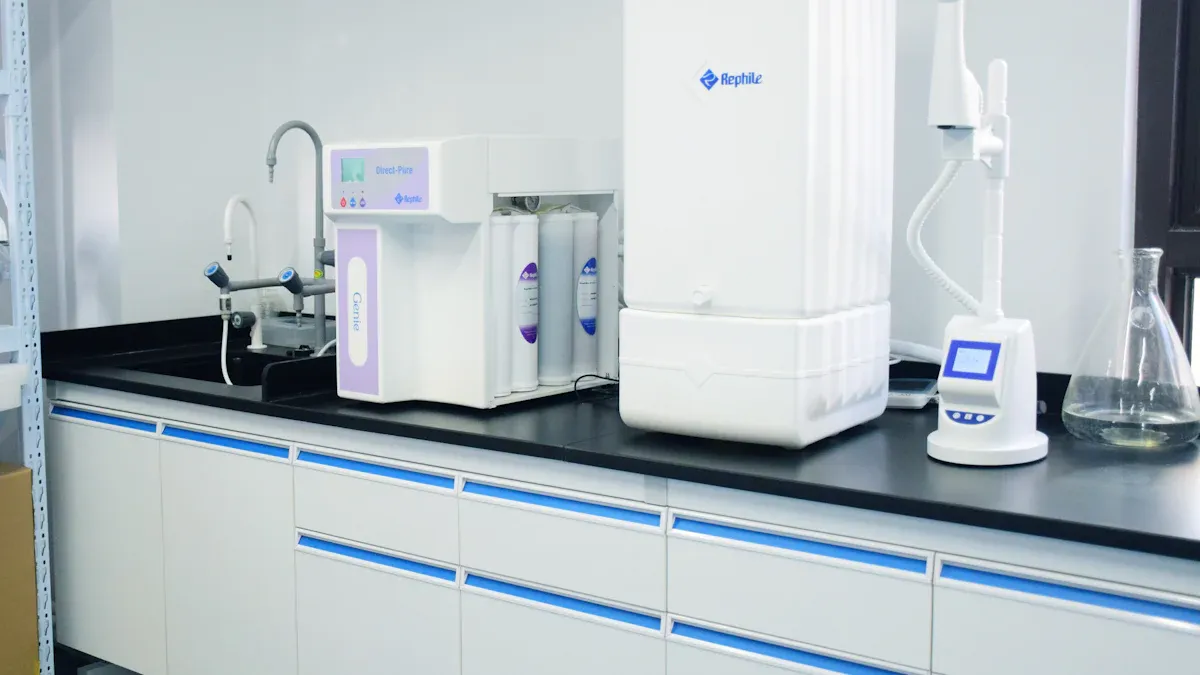
Choosing the right water dispenser involves looking at four main types. Each one offers unique benefits for your daily life. Let's explore them to find your perfect match.
Bottom-Load Dispensers
You might prefer a bottom-load dispenser for its sleek look and easy setup. These models hide the water bottle in a cabinet at the base. This design means you never have to lift a heavy 3- or 5-gallon jug again. You simply slide the bottle into the compartment.
Many people consider these the best all-around option. Top-rated models offer great features and are known for their reliability.
- Avalon A4 Water Cooler Dispenser: Often named 'Best Overall', this model has a clever bottom-loading design, a child safety lock, and an indicator that tells you when the bottle is empty.
- Avalon Bottom-Loading Water Cooler Dispenser: Another top pick, this unit provides cold, hot, and room-temperature water. It even includes a self-cleaning cycle for easy maintenance.
These dispensers are also very energy-efficient. A model with an Energy Star certification consumes less than 0.16 kWh per day. This means it uses up to 50% less energy than models without the certification. You can expect an annual electricity cost of just $10-$20, a significant saving compared to some other types.
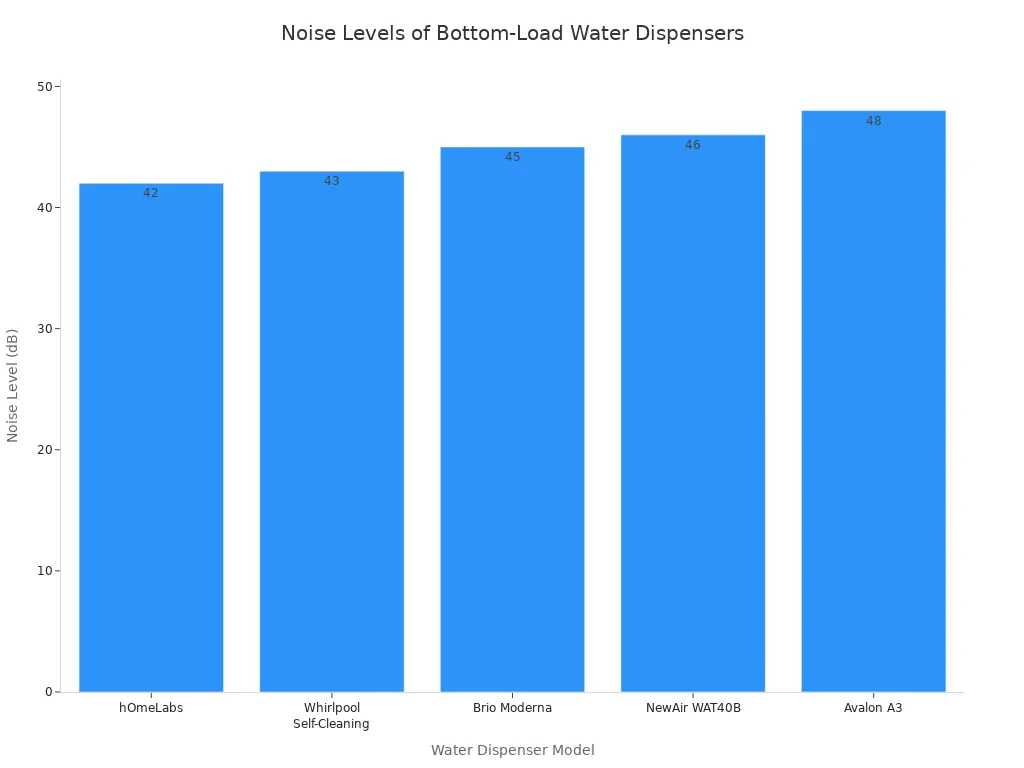
Tip: High-end bottom-load dispensers are surprisingly quiet. They typically operate at less than 50 decibels, which is about as loud as a modern refrigerator.
Here is a look at the noise levels of some popular models:
| Model | Noise Level (dB) |
|---|---|
| hOmeLabs | 42 |
| Whirlpool Self-Cleaning | 43 |
| Brio Moderna | 45 |
| NewAir WAT40B | 46 |
| Avalon A3 | 48 |
Top-Load Dispensers
The top-load dispenser is the classic model you have probably seen many times. It is the most affordable and straightforward option. You place the water bottle upside down on top of the unit. Gravity then feeds water into the reservoirs for cooling and heating.
The main challenge with this type is loading the water bottle. Lifting and flipping a 40-pound jug can be difficult and may lead to spills. However, if you are on a strict budget and do not mind the heavy lifting, this water dispenser for homes offers excellent value.
Countertop Dispensers
You should consider a countertop dispenser if you have limited floor space. These compact units fit neatly on your kitchen counter, in a pantry, or in a home office. They are perfect for apartments, dorm rooms, or smaller households.
Countertop models can use small, manageable 1- or 2-gallon water bottles. Some models can also connect directly to your water line, functioning like a smaller point-of-use system. They provide the same hot and cold water benefits as larger units without taking up valuable floor real estate.
Here is an example of a powerful countertop unit ideal for a small office or busy kitchen:
| Model Name | Ideal Headcount | Dimensions (WxDxH) | Highlights |
|---|---|---|---|
| Natural Choice ION TS400 | 1-25 | 10" x 16.5" x 16.5" | Offers hot, cold, and ambient water. Fits under cabinets and has a large dispensing area. It is Energy Star certified and includes a leak detection system. |
Point-of-Use (Bottleless) Dispensers
A point-of-use (POU) dispenser offers the ultimate convenience. This type connects directly to your home's water line. You get an endless supply of filtered water without ever needing to buy, store, or lift another bottle. This is the premium water dispenser for homes.
Installation is versatile. You can choose a model that fits your space and needs.
- Under-Counter: Hides the unit in a cabinet for a clean, integrated look.
- Freestanding: A standalone unit you can place anywhere with water line access.
- Wall-Mounted: Saves floor space in hallways or tight areas.
The biggest advantage of a POU system is its advanced water filtration. These units use multiple technologies to deliver pure, great-tasting water.
- Reverse Osmosis (RO): Forces water through a fine membrane to remove contaminants like lead, PFAS, arsenic, bacteria, and viruses.
- Activated Carbon: Removes chlorine, organic compounds, and other chemicals that affect taste and odor.
- UV Purification: Uses ultraviolet light to neutralize 99.9% of bacteria and viruses by disrupting their DNA.
While the initial investment is higher, a POU system saves you a lot of money over time. You eliminate the recurring cost of bottled water delivery.
5-Year Cost Comparison (Family of Five)
| Category | Bottled Water | POU System |
|---|---|---|
| Total Cost | ~$5,635 | ~$2,140 |
| Savings | N/A | ~$3,495 |
Over ten years, the savings grow to over $7,800. You also avoid the hassle of storing bottles and the health concerns of microplastics found in bottled water. A POU system is a smart investment for your health, wallet, and the environment.
Key Factors to Consider for Your Water Dispenser for Homes
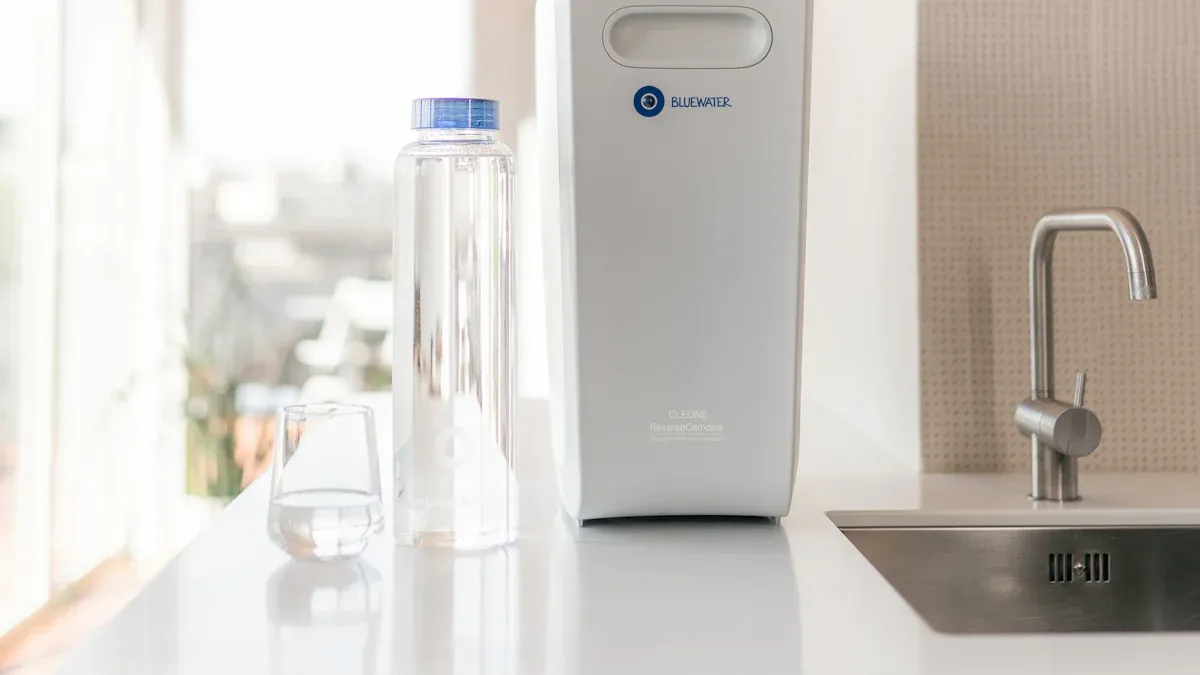
You need to think about a few key things before you buy. Your budget, home layout, and cleaning preferences will help you find the perfect match.
Budget and Long-Term Cost
Your budget plays a big role in your choice. Top-load dispensers have the lowest initial price. However, you must consider ongoing costs. A hot and cold water dispenser can add around $118 to your annual electricity bill. Point-of-use systems cost more upfront but save you money over time by eliminating bottle purchases. Their yearly maintenance for filter changes can range from $20 to over $250, depending on the filtration type.
Space and Placement
You should measure the area where you plan to put your dispenser. Most freestanding models have similar dimensions. Consider if you have enough room for a standard unit.
| Dimension | Typical Measurement |
|---|---|
| Height | ~44.5 inches |
| Width | ~15.5 inches |
| Depth | ~15.5 inches |
Also, think about the physical effort involved. A top-load water dispenser for homes requires you to lift a 5-gallon jug weighing about 42 pounds. If that sounds difficult, a bottom-load or countertop model may be a better fit for your space and comfort.
Ease of Use and Maintenance
All dispensers need regular cleaning to stay hygienic. Some models have self-cleaning features, while others have removable parts for easy washing. You should clean your unit every 3 to 6 months.
Tip: Always follow the cleaning steps in your user manual. This ensures your water stays fresh and your dispenser works correctly for years.
A basic cleaning process involves these steps:
- Unplug the unit and remove the bottle.
- Fill the reservoir with a cleaning solution (vinegar and water).
- Scrub the inside and let the solution sit for 10-15 minutes.
- Drain the solution through the spigots.
- Rinse the system thoroughly with fresh water two or three times.
Choosing the right water dispenser for homes comes down to your specific needs. This final summary can help you decide:
- Bottom-Load: You get a fantastic choice for balanced performance and aesthetics.
- Top-Load: If you are on a tight budget, this type offers unbeatable value.
- Countertop: You will find this model is the perfect space-saver for small kitchens.
- Point-of-Use: You get unlimited, hassle-free water with this ultimate upgrade.
FAQ
How often should I clean my water dispenser?
You should clean your dispenser every 3 to 6 months. Regular cleaning prevents bacteria growth. It also keeps your water tasting fresh and pure.
Tip: Always unplug your unit before cleaning. You should also follow the specific instructions in your user manual for the best results.
Do water dispensers use a lot of electricity?
No, modern dispensers are energy-efficient. You can look for an Energy Star model. These units often use less electricity than a standard refrigerator, costing very little per year.
Can I turn off the hot or cold water function?
Yes, most dispensers have separate switches for the hot and cold water tanks. You can turn them off to save energy when you do not need them.