Where Can You Use 2205 Steel? A Local Project Guide
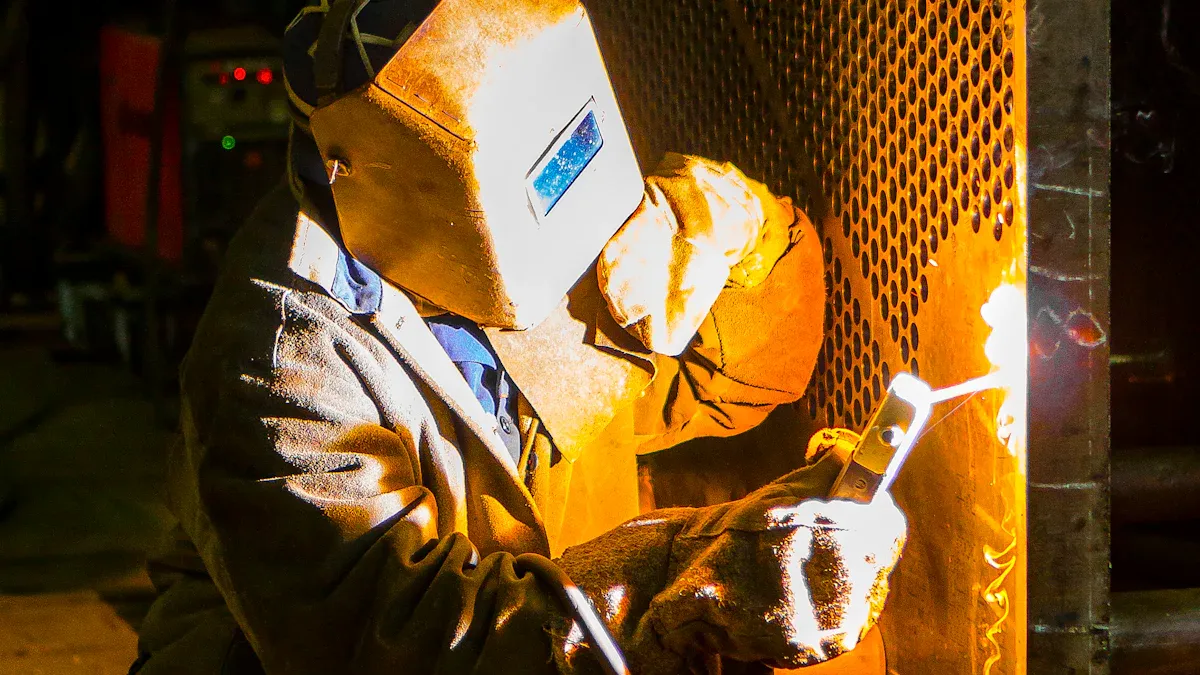
Projects demanding high strength and superior corrosion resistance find a solution in 2205 Duplex Stainless Steel. This material excels in harsh conditions. It is ideal for saltwater environments, where over 30% of equipment failures stem from corrosion. Heavy-duty structural components and industrial processing equipment also benefit from its properties. Products like Duplex S31803 S32205 seamless pipe showcase its reliability. The growing demand for 2205 is clear.
Global Market Snapshot: Duplex Stainless Steel | Metric | 2025 (Est.) | 2035 (Proj.) | | :--- | :--- | :--- | | Market Size | $4.64 Billion | $6.5 Billion |
Key Takeaways
- 2205 steel works well in tough places like saltwater. It fights rust better than other steels.
- This steel is very strong. It can hold heavy things and handle high pressure.
- You can use 2205 steel for many projects. These include boats, bridges, and water plants.
- Choosing 2205 steel saves money over time. It lasts longer and needs fewer repairs.
- 2205 steel is better than other steels. It offers more strength and stops rust in harsh conditions.
Marine and Coastal Projects
Coastal environments present the ultimate test for any material. Saltwater corrosion relentlessly attacks metal components, demanding materials that offer exceptional durability. For local projects facing these harsh conditions, duplex stainless steel provides a reliable and long-lasting solution.
Boat Shafts, Propellers, and Rudders
Marine propulsion and steering systems operate under constant mechanical stress and full saltwater immersion. Failures in these critical parts are not an option. Duplex steel offers significant advantages over traditional marine-grade 316 stainless steel for these applications. Its balanced chemical composition delivers superior performance.
- Enhanced Corrosion Resistance: It provides nearly double the corrosion resistance of 316 steel, excelling against pitting, crevice corrosion, and stress corrosion cracking in saltwater.
- Superior Mechanical Strength: With a yield strength almost twice that of austenitic steels, it handles higher torque and resists fatigue far more effectively. This strength allows for more robust and reliable component designs.
Dock and Pier Fasteners and Hardware
While 316 stainless steel is common for marine fasteners, projects requiring maximum longevity and structural security benefit from a stronger material. The bolts, nuts, and tie rods holding a dock or pier together are its lifeline. Using a higher-grade material for these connections prevents premature failure and reduces long-term maintenance costs. The following table compares key features for hardware selection.
| Feature | 316 Stainless Steel | Duplex 2205 Stainless Steel |
|---|---|---|
| Corrosion Resistance | Good, but can struggle in high-salinity coastal zones. | Superior performance in aggressive chloride environments. |
| Strength & Durability | Good load-bearing capability. | Significantly higher tensile and yield strength; resists deformation. |
| Long-Term Value | Lower initial cost but may require earlier replacement. | Higher initial cost offset by superior durability and lower maintenance. |
Seawall Reinforcement and Tie-Backs
Seawalls protect valuable coastal property, and their structural integrity is paramount. The internal reinforcement (rebar) and tie-back systems are highly vulnerable to chloride-induced corrosion from saltwater seepage. Once corrosion begins, concrete spalling and structural failure follow.
Using 2205 steel for critical reinforcement bars and tie-back anchors ensures the structure resists internal corrosion. Its high strength secures the wall against immense soil and water pressure, guaranteeing decades of reliable protection and preventing catastrophic failures.
Desalination Plant Intake and Piping
Desalination plants convert seawater into fresh water, a process involving extreme pressures and highly corrosive brine. The materials used in these facilities must withstand constant exposure to high-chloride environments. Standard stainless steels often fail under these demanding conditions, leading to costly downtime and repairs. Duplex steel provides a robust solution for this critical infrastructure.
The intake systems, high-pressure piping, and pumps are the heart of a desalination plant. These components face a dual threat: the intense pressure from reverse osmosis and the aggressive corrosive action of warm saltwater. The unique microstructure of 2205 steel delivers the necessary performance. Its chemical composition offers exceptional resistance to pitting and crevice corrosion, which are common failure modes in high-chloride water.
Why Duplex Steel Excels in Desalination: Its high mechanical strength allows for thinner pipe walls, reducing material costs and weight without sacrificing pressure-handling capabilities. This strength also makes it ideal for pumps and valves operating under high stress. The material's resistance to stress corrosion cracking ensures long-term reliability, preventing unexpected failures that could disrupt the fresh water supply for a community.
Engineers specify this advanced alloy for a range of desalination applications to guarantee operational integrity. Key uses include:
- Seawater intake screens and grates
- High-pressure reverse osmosis piping
- Brine discharge lines
- Pumps, valves, and heat exchangers
Choosing a superior material for these systems is a strategic investment. It ensures the plant operates efficiently, minimizes maintenance, and delivers a dependable source of fresh water for years to come. The longevity and reliability of the components justify the initial material selection, providing unmatched long-term value.
Architectural and Structural Uses
Beyond marine environments, duplex stainless steel provides critical solutions for modern architecture and infrastructure. Its combination of strength and corrosion resistance ensures safety and longevity for structures exposed to urban pollution, de-icing salts, and coastal air.
Building Facade Anchors and Cladding Supports
Modern buildings often feature heavy exterior panels made of stone, glass, or metal. The anchors and support systems holding these facades in place must be incredibly strong and resistant to corrosion. A failure in these hidden components could be catastrophic. The high strength of 2205 steel allows for smaller, less intrusive anchors that can support immense weight. Its corrosion resistance protects these critical connections from moisture and pollutants that can become trapped behind the cladding, ensuring the building's exterior remains secure for decades.
Bridge Support Beams and Bearings
Bridges endure constant stress from traffic loads and relentless attack from the elements. Support beams and bearings are vital components that manage these forces. Duplex steel offers the high load-bearing capacity and fatigue resistance needed for these applications. Its superior corrosion resistance is especially valuable in regions where de-icing salts are used, preventing degradation that weakens the structure over time. Several landmark bridges have incorporated this advanced material for key components.
- The Christopher Cassaniti Bridge in Australia used 80 tons of duplex plates.
- London's Millennium Bridge was designed with duplex stainless steel.
- The West 7th Street Bridge in Fort Worth, Texas, applied it to its hanger bars.
- San Diego's Harbor Drive Pedestrian Bridge used it for cable system connectors.
Public Sculptures and Monuments in Harsh Climates
Artists and designers choose materials that will preserve their creative vision for generations. Public sculptures and monuments face constant exposure to rain, sun, and airborne pollutants. Duplex stainless steel offers a solution that is both beautiful and incredibly durable.
Its excellent corrosion resistance ensures the artwork maintains its intended finish with minimal cleaning or maintenance. This longevity makes it a premier choice for creating lasting public landmarks in challenging urban or coastal settings, protecting the artistic and cultural investment.
Swimming Pool Ladders, Rails, and Drains
Swimming pools create a uniquely corrosive environment. The constant exposure to chlorinated water and other treatment chemicals aggressively attacks metal fixtures. Standard stainless steels like 304 or even 316 can suffer from pitting and staining over time, compromising both safety and appearance.
Duplex steel offers a far more robust solution for these high-contact components. Its chemical makeup provides exceptional resistance to chloride-induced corrosion. This ensures that ladders, handrails, and drain covers remain smooth, strong, and free from unsightly rust stains. The benefits are clear:
- Enhanced Safety: It prevents the formation of sharp pits and crevices that can occur with lower-grade steels.
- Lasting Aesthetics: Fixtures maintain their clean, polished look for years, enhancing the pool's overall value.
- Reduced Maintenance: The material's durability minimizes the need for frequent cleaning or replacement of corroded parts.
Coastal Balcony and Railing Systems
Balconies and railings on coastal properties face a constant barrage of salt spray, humidity, and high winds. These systems must provide uncompromising safety while complementing the building's design. The material choice is critical for ensuring long-term structural integrity and preserving views.
The high strength of 2205 steel allows architects to design elegant and minimalist railing systems. The material can handle required safety loads with slimmer profiles than other metals, maximizing sightlines. Its superior corrosion resistance ensures these critical safety barriers will not weaken over time due to exposure to the harsh marine air.
Design for Durability: For multi-story coastal buildings, specifying a high-performance duplex steel for balcony railings is a strategic investment. It protects residents and eliminates the enormous future cost and disruption associated with replacing entire railing systems on an occupied building. This choice guarantees both safety and long-term property value.
Local Industrial Applications
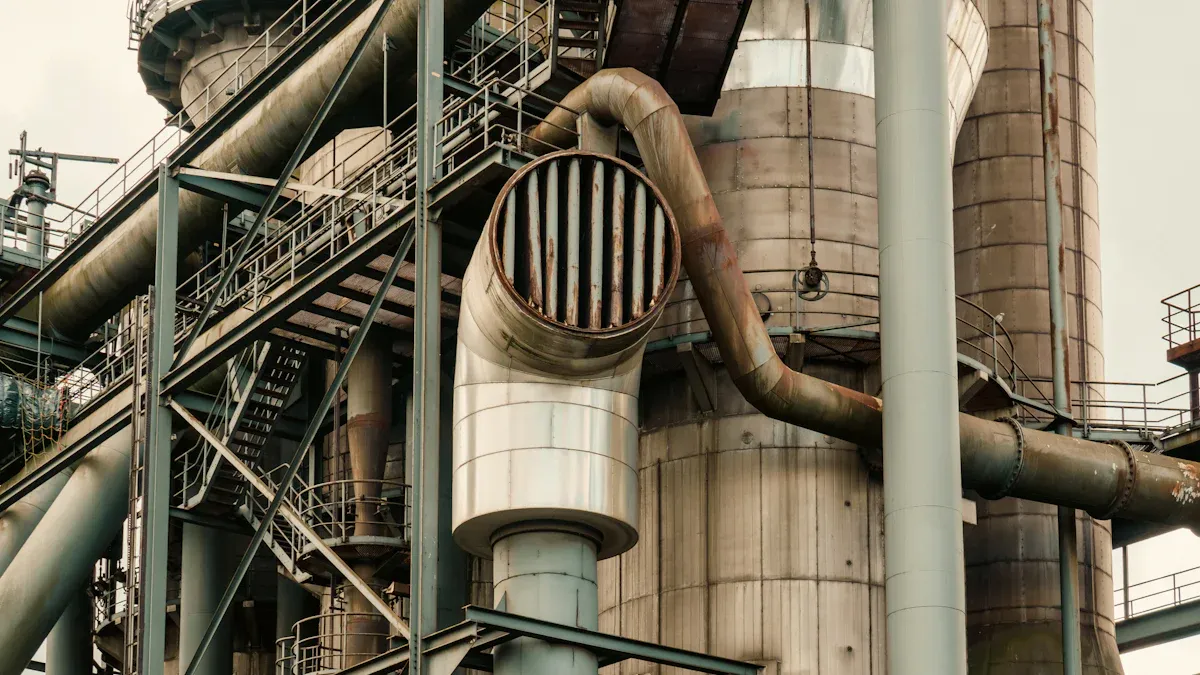
Industrial facilities require materials that can withstand extreme conditions, from corrosive chemicals to high pressures. Duplex stainless steel provides the strength and resilience needed for critical infrastructure, ensuring safety and operational uptime.
Chemical and Fuel Storage Tanks
Storing volatile chemicals and fuels demands uncompromising tank integrity. Regulations from bodies like the American Society of Mechanical Engineers (ASME) and the American Petroleum Institute (API) govern tank design to prevent leaks and ensure public safety. While materials like polyethylene are suitable for certain acids, stainless steel is ideal for high-volume organic and inorganic products. Duplex steel offers superior resistance to a wider range of chemicals and prevents stress corrosion cracking, a common failure point in lesser materials. Its high strength allows for robust tank construction that meets rigorous industry standards.
- API Standards: 620, 650
- ASME Code: Section VIII, Unfired Pressure Vessels
Brewery Fermentation Tanks and Food Processing Vats
Sanitation and purity are paramount in the food and beverage industry. Equipment must resist corrosion from cleaning agents and acidic food products without leaching into the contents. Brewery fermentation tanks and food processing vats benefit immensely from duplex steel's properties. Its smooth, non-porous surface is easy to clean and sanitize, preventing bacterial growth. More importantly, its exceptional corrosion resistance ensures the material will not impart any metallic taste to the final product, preserving flavor and quality.
The strength of duplex steel also allows for the construction of large-capacity vats and tanks that can handle the pressures of processing and fermentation. This durability translates to a longer service life and lower maintenance costs for local breweries and food producers.
Wastewater Treatment Plant Clarifiers and Aeration Systems
Wastewater treatment plants are among the most corrosive industrial environments. Components are constantly exposed to a harsh mixture of chlorides, sulfides, and abrasive solids. Clarifiers, aeration systems, and piping in these facilities require a material that can endure this relentless attack. The 2205 alloy provides unmatched performance in these conditions. Its robust resistance to pitting, crevice corrosion, and stress corrosion cracking ensures that critical systems remain operational, preventing costly downtime and environmental hazards. This makes it the premier choice for building reliable, long-lasting wastewater infrastructure.
Pulp and Paper Mill Digesters and Bleaching Equipment
Pulp and paper mills create one of the most demanding industrial settings for metals. Digesters operate with highly alkaline solutions like white and black liquor at elevated temperatures. These liquors contain a mix of sodium hydroxide, sodium sulfide, and other corrosive salts. Modern mills often reuse water in closed-loop systems, which concentrates these chemicals and intensifies the corrosive attack on equipment.
The 2205 alloy provides a durable solution for this environment. Its chemical structure offers excellent defense against common failures in pulp and paper processing.
- Chloride-induced corrosion
- Stress corrosion cracking (SCC)
- Acidic and oxidizing process media
This resilience ensures that digesters and bleaching equipment maintain their structural integrity, preventing costly leaks and extending the service life of critical assets.
High-Pressure Hydraulic and Process Piping
Many industrial processes rely on piping systems that operate under extreme internal pressure. Hydraulic systems, chemical transfer lines, and steam conduits all require materials that can handle high stress without failure. A rupture in these lines can lead to dangerous leaks, equipment damage, and significant operational downtime.
Duplex steel pipes with high wall thickness are specifically engineered to manage high-pressure and high-temperature conditions. Certain pipe schedules and sizes can achieve a pressure rating of up to 6000 PSI. This high mechanical strength allows engineers to design robust and reliable piping systems for the most demanding applications.
Using a material with superior strength and durability is essential for high-pressure systems. It ensures operational safety, contains aggressive process fluids, and provides long-term performance, safeguarding both personnel and the facility's productivity.
Specialized and Niche Applications
Beyond large-scale industrial and structural projects, duplex stainless steel offers unique advantages for specialized equipment operating under extreme stress. Its advanced properties provide solutions where conventional materials fall short.
Automotive Performance Exhaust Systems
High-performance vehicles generate intense heat and corrosive exhaust gases. Aftermarket exhaust systems require a material that can withstand these conditions along with external threats like road salt. The 2205 alloy provides exceptional durability and thermal stability. This resistance prevents premature corrosion and cracking, ensuring the system maintains its integrity and performance characteristics over time. Its strength also allows for lightweight designs that do not compromise on toughness.
Oil and Gas Exploration Equipment
The oil and gas industry operates in some of the world's most hostile environments, from deep-sea drilling to sour gas fields. Equipment must endure immense pressure, high temperatures, and corrosive fluids containing chlorides and hydrogen sulfide. Duplex steel is a primary material for these critical applications due to its high strength and superior corrosion resistance. Key components frequently manufactured from this material include:
- Pumps, valves, and high-pressure piping
- Wellhead equipment and subsea connectors
- Separators and heat exchangers
This ensures operational reliability and safety in demanding offshore and subsea exploration activities.
Geothermal Power Plant Components
Geothermal power plants harness steam from deep within the earth. This steam often contains corrosive compounds like hydrogen sulfide (H₂S), which can cause sulfide stress cracking (SSC) in standard metals. A material failure in a geothermal facility can lead to significant downtime and safety risks. Duplex steel's chemical composition provides excellent resistance to SSC. This property is crucial for preventing material degradation and ensuring the long-term integrity of components exposed to harsh geothermal fluids, making it an ideal choice for a reliable energy infrastructure.
Agricultural Fertilizer Tanks and Spreaders
Modern agriculture relies on powerful fertilizers to maximize crop yields. These chemicals, particularly liquid fertilizers like urea ammonium nitrate (UAN), are extremely corrosive to standard metals. Farmers require equipment that can withstand this constant chemical attack to prevent costly leaks, equipment failure, and environmental contamination. Duplex stainless steel provides a superior solution for constructing durable fertilizer tanks and spreaders.
The material's chemical composition offers exceptional resistance to the corrosive agents found in agricultural products. This resilience ensures the structural integrity of storage tanks and applicator equipment over many seasons. A failure in a fertilizer tank not only results in lost product but also poses a significant risk to soil and water quality. Using a robust, corrosion-resistant alloy mitigates these risks effectively.
The high strength of 2205 steel allows for the construction of large-capacity tanks that are both strong and relatively lightweight. This strength is also critical for spreaders, which must endure the mechanical stresses of traveling over rough terrain while carrying heavy loads.
Choosing this advanced material for agricultural equipment delivers clear advantages for farm operations.
- Extended Service Life: Equipment resists corrosion and abrasion, lasting significantly longer than components made from carbon steel or lower-grade alloys.
- Enhanced Reliability: Farmers can depend on their tanks and spreaders to perform without unexpected failures during critical planting and growing seasons.
- Reduced Maintenance Costs: The material's durability minimizes the need for frequent repairs, repainting, or premature replacement of expensive machinery.
This investment in higher-quality material translates directly to improved operational efficiency and long-term value for the modern farmer. It ensures that essential equipment remains in service for years, protecting both the financial investment and the land.
Key Properties That Make 2205 Ideal
The exceptional performance of this duplex steel stems from a unique combination of physical and chemical properties. These characteristics make it a premier material for projects where failure is not an option. Understanding these core attributes explains why engineers and fabricators choose it for demanding applications.
Superior Corrosion Resistance
The alloy's chemical makeup provides an exceptional defense against many forms of corrosion. A key metric for this is the Pitting Resistance Equivalent Number (PREN), which quantifies the material's ability to resist localized pitting in chloride-rich environments.
The PREN is calculated using the formula: PREN = %Cr + 3.3 × %Mo + 16 × %N. With a PREN value of approximately 35, 2205 steel demonstrates significantly higher resistance than common austenitic grades like 316L.
This high PREN value, derived from its chromium, molybdenum, and nitrogen content, ensures long-term integrity in saltwater, chemical processing, and other aggressive settings.
High Mechanical Strength
This duplex steel offers impressive mechanical strength, often double that of standard austenitic stainless steels. This robustness allows it to handle heavy loads and high pressures while resisting deformation.
| Property | Minimum (MPa) |
|---|---|
| Tensile Strength | 620 |
| 0.2% Yield Strength | 448 |
This high strength-to-weight ratio allows designers to create components with thinner cross-sections. The result is a lighter, more cost-effective structure that does not compromise on durability or safety.
Resistance to Stress Corrosion Cracking
Stress corrosion cracking (SCC) is a failure mode where metal cracks under combined tensile stress and a corrosive environment. The duplex microstructure of this alloy provides excellent resistance to chloride-induced SCC. It offers a reliable solution in applications where 300-series stainless steels would be susceptible to failure. This property is especially valuable in warm chloride environments, as the material maintains its integrity at temperatures up to 150°F (60°C) where other steels begin to fail.
Excellent Strength-to-Weight Ratio
The strength-to-weight ratio is a critical measure of a material's efficiency. It defines how much load a material can bear relative to its own mass. A high ratio indicates a material that delivers significant strength without excessive bulk. The 2205 alloy excels in this area, providing a distinct advantage for engineers and designers. Its impressive mechanical properties allow for the creation of components that are both strong and lightweight.
This efficiency translates directly into tangible benefits across various projects. Engineers can design structures with thinner walls and smaller cross-sections. These leaner designs still meet or exceed the load-bearing requirements of parts made from heavier, conventional materials like carbon steel.
This ability to reduce material thickness without compromising structural integrity is a key driver for its adoption. It enables more innovative, efficient, and cost-effective designs in modern construction and manufacturing.
The practical advantages of this high strength-to-weight ratio are significant.
- Reduced Material Costs: Using less steel for a given component lowers the initial purchase price.
- Lower Transportation and Handling Expenses: Lighter parts are cheaper and easier to transport to a job site and lift into place.
- Increased Payload Capacity: In mobile applications like transport tanks or vehicles, a lighter structure allows for a greater payload.
- Enhanced Design Freedom: Architects and engineers can create more slender and elegant designs that are not possible with bulkier materials.
This combination of strength and low relative weight makes the material an intelligent choice for projects where performance and efficiency are paramount. It delivers robust, durable solutions while optimizing material usage and overall project costs.
Why Choose 2205 Over Other Steels?
Selecting the right material is crucial for project success. While other steels have their uses, this advanced duplex alloy provides a superior combination of properties for demanding environments. Its performance advantages become clear when compared to common alternatives.
2205 vs. 316L Stainless Steel
Many consider 316L the standard for "marine grade" steel. However, it can fail in warm, high-chloride environments. The 2205 alloy offers a significant upgrade in both strength and corrosion resistance. Its higher chromium, molybdenum, and nitrogen content give it a Pitting Resistance Equivalent Number (PREN) of around 35, far superior to 316L's score of about 25. This difference has a major impact on service life.
| Application | 316L Stainless Steel | 2205 Duplex Stainless Steel |
|---|---|---|
| Desalination Systems | Can corrode in 1–2 years | Normal service life >10 years |
| Offshore Water Lines | Fails from SCC in 1–2 years | Safe service >10 years |
This enhanced performance makes it the more reliable choice for critical marine and chemical applications.
2205 vs. Carbon Steel
Carbon steel is strong and affordable, but it has a major weakness: it rusts. Protecting it requires expensive coatings, regular inspections, and frequent maintenance. Any scratch or imperfection in the coating creates an entry point for corrosion, compromising structural integrity. Duplex steel, by contrast, has corrosion resistance built into its very structure. It provides high mechanical strength without the need for protective layers, delivering a durable, low-maintenance solution from day one.
The Durability and Longevity Factor
Material choice directly impacts a project's lifecycle cost. While some materials have a lower initial price, they often lead to expensive repairs and early replacement. Duplex steel's durability provides exceptional long-term value.
In aggressive environments where 316L components might fail within two years, duplex steel parts have demonstrated a service life exceeding 15 years without failure. This longevity minimizes downtime, reduces maintenance budgets, and ensures operational reliability for decades. Choosing a superior material is an investment in lasting performance.
Long-Term Cost Savings and Value
Project managers must evaluate the total cost of ownership, not just the initial purchase price. While some materials seem more affordable upfront, they can lead to significant expenses over a project's lifecycle. The 2205 alloy delivers superior long-term value by minimizing maintenance and extending the lifespan of critical components, proving its cost efficiency in harsh conditions. This makes it a strategic financial decision for demanding projects.
A direct cost analysis reveals the key differences between duplex steel and other common grades. The higher alloy content and increased processing difficulty contribute to a greater initial investment.
| Cost Factor | 2205 Stainless Steel | 316 Stainless Steel |
|---|---|---|
| Initial Material Cost | Higher due to alloy content | Generally lower |
| Processing Cost | Higher due to increased hardness | Lower due to easier machinability |
| Market Price (per kg) | $3.00–$4.50 | $2.50–$3.50 |
| Cost of Fabrication (per hour) | $100–$130 | $75–$100 |
Despite these higher upfront figures, the investment pays for itself. The material's exceptional durability drastically reduces the need for future repairs, replacements, and operational downtime. This reliability translates directly into significant long-term savings.
Choosing the right material is essential for projects where performance is non-negotiable. The superior properties of this duplex steel make it the most cost-effective choice for specific, high-stress applications.
- High-Strength Requirements: Its strength allows for lighter, more efficient designs.
- Chloride-Rich Environments: It provides unmatched resistance to pitting and crevice corrosion.
- Chemical Processing: It withstands aggressive chemicals that degrade lesser alloys.
- Offshore & Marine Applications: It resists stress corrosion cracking, ensuring safety and longevity.
Ultimately, selecting this advanced steel is an investment in reliability. It protects against premature failure, secures operational continuity, and delivers unmatched value over the entire service life of the asset.
The 2205 alloy stands as the premier choice for projects facing high stress or corrosive conditions. Its unique blend of superior strength and corrosion resistance delivers unmatched reliability where materials like 316L fail, a fact proven in demanding oil refinery and petrochemical applications.
Choosing this advanced steel for critical marine, structural, and industrial components is a strategic decision. It ensures longevity, minimizes future maintenance, and provides the best long-term value and performance for any significant investment.
FAQ
Is 2205 steel difficult to weld?
Specialized procedures allow for successful welding of 2205 steel. Welders use specific filler metals and controlled heat input to protect its duplex microstructure. This technique ensures the weld joint retains the material's high strength and superior corrosion resistance.
Can you use 2205 steel for high-temperature applications?
The alloy performs well in many conditions. However, prolonged exposure above 600°F (315°C) can cause embrittlement, reducing its toughness. Engineers consider this temperature limit during the design phase for high-heat industrial applications.
Why is 2205 steel more expensive than 316L?
The higher cost of 2205 steel stems from its rich alloy content, including more chromium, molybdenum, and nitrogen. Its complex manufacturing process also contributes to the price. These factors are directly responsible for its superior performance and long-term value.
Is 2205 steel magnetic?
Yes, 2205 duplex steel is magnetic. Its microstructure contains approximately 50% ferrite, which is a magnetic phase. This property distinguishes it from common austenitic stainless steels like 304 and 316, which are generally non-magnetic.
See Also
Mastering Pass Partition Plate Welding: Expert Strategies for 2025 Success
Optimizing Steel Processing: Consistent Performance in Heat Exchange Applications
Industrial Insights: A 2025 Guide to Semi-Welded Plate Exchangers
Assessing Molybdenum Plugs: Seamless Steel Pipe Manufacturing Innovations for 2025
Exploring Molybdenum High-Temperature Furnaces: Key Insights for the Year 2025