What to Look For in a Water Dispenser Cooler
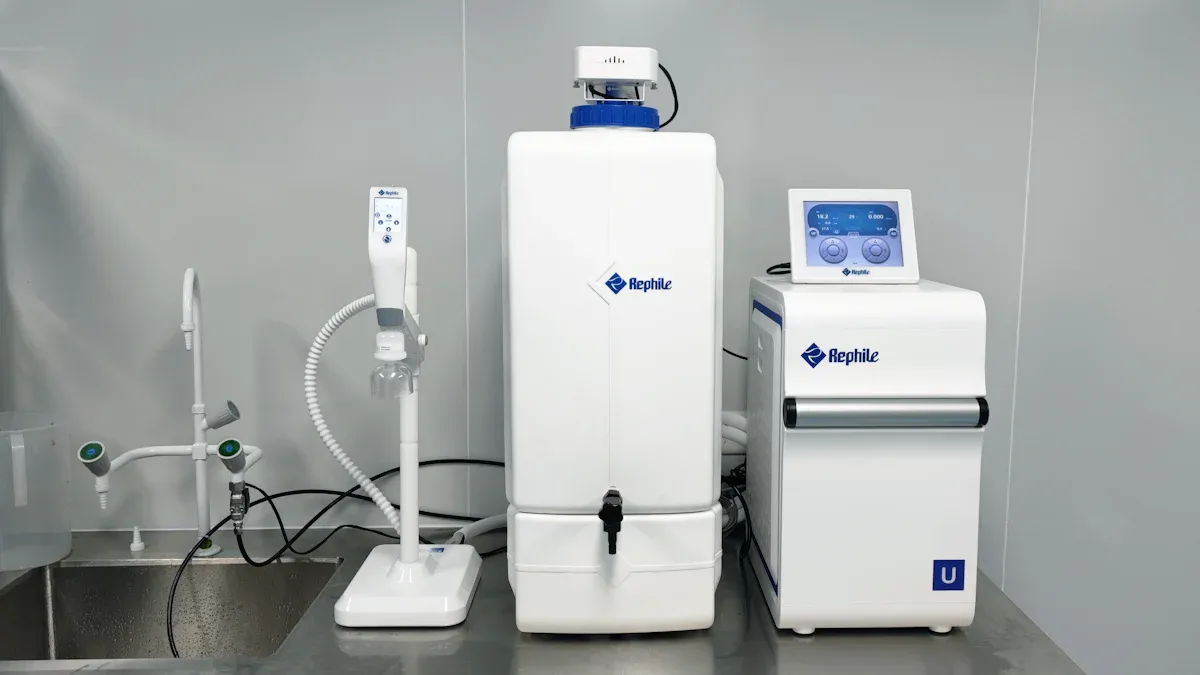
You are joining a growing trend by choosing a water dispenser cooler, with the market expanding over 5.5% annually. First, you must decide between a bottled or bottleless system. You also need to consider the right size for your space, along with key features like temperature settings and child safety locks.
Key Takeaways
- Choose between bottled or bottleless water dispensers. Bottled dispensers use jugs, while bottleless ones connect to your water line.
- Pick the right size and features for your needs. Consider how much water you use, temperature options, and safety locks.
- Think about long-term costs. Look at energy use and filter changes, not just the price you pay at first.
1. Bottled vs. Bottleless: Which Type is Right for You?
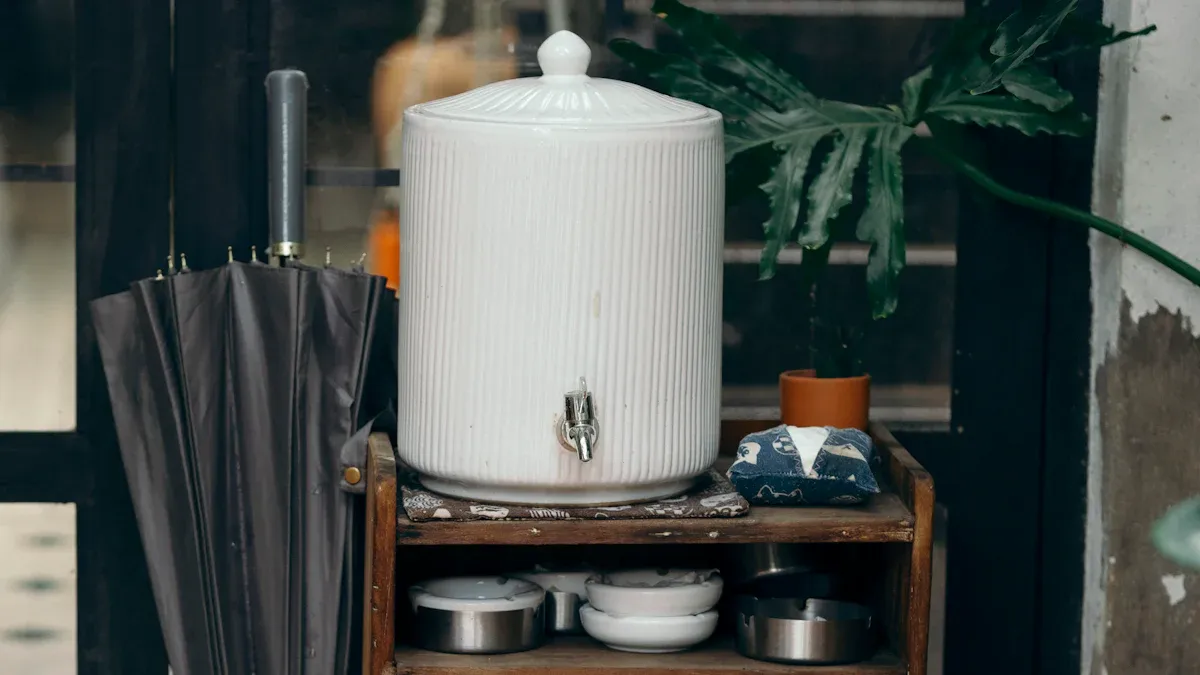
Your first major decision is choosing between a bottled or a bottleless system. Bottled dispensers are a traditional choice, while bottleless models offer modern convenience. Each type has unique benefits and drawbacks that fit different needs and lifestyles.
Top-Loading and Bottom-Loading Bottled Dispensers
Bottled dispensers use large, replaceable plastic jugs, typically holding 3 to 5 gallons of water. You can find them in two main styles: top-loading and bottom-loading. Top-loading models require you to lift and flip a heavy water bottle onto the dispenser. This can be difficult and may lead to spills or back strain.
Bottom-loading models offer a more ergonomic design. You simply slide the water jug into a cabinet at the base of the unit. This feature makes replacing the bottle much easier for everyone.
| Feature | Top-Loading | Bottom-Loading |
|---|---|---|
| Lifting Effort | High | Low |
| Risk of Spills | High | Low |
However, you must consider the environmental impact. In the U.S., over 60 million plastic bottles are thrown away daily, and less than 30% are recycled. These bottles often end up in landfills, harming the environment.
Point-of-Use (Bottleless) Dispensers
A point-of-use (POU) water dispenser cooler connects directly to your building's plumbing. This eliminates the need for plastic water jugs entirely. These systems use advanced filters to remove impurities, providing you with an endless supply of clean, great-tasting water. While the water quality is excellent, regular maintenance is key to preventing bacterial growth inside the cooler.
Note: You should have a professional install your POU dispenser. A technician can assess your space, connect the unit to your water line correctly, and test the system to ensure it works perfectly.
Choosing a bottleless model means you never have to worry about storing heavy bottles or running out of water.
2. Sizing Up Your Space: Capacity and Footprint
After deciding on the type of dispenser, you need to consider its size. You should evaluate both the unit's physical dimensions and its water capacity. This ensures your new appliance fits your space and meets your daily hydration needs.
Matching Dispenser Size to Your Needs
You must first estimate how much water your household or office will use. An office worker, for example, might drink around half a gallon of water each day. A larger family or a busy office will require a dispenser with a higher capacity to avoid constant refills. A smaller household can use a more compact unit. Thinking about your daily water consumption helps you choose a model that provides enough water without being too large for your needs.
Freestanding vs. Countertop Models
You can choose between two main physical styles: freestanding and countertop. Freestanding models are standalone units. They are easy to move and install anywhere with a power outlet. Countertop models are smaller and designed to sit on a kitchen counter or table.
Tip: Countertop models are great for small apartments or offices with limited floor space. However, their smaller reservoirs mean you will refill them more often, making them better for individual use or small groups.
The main difference between these models is their height. The chart below shows how their dimensions compare.
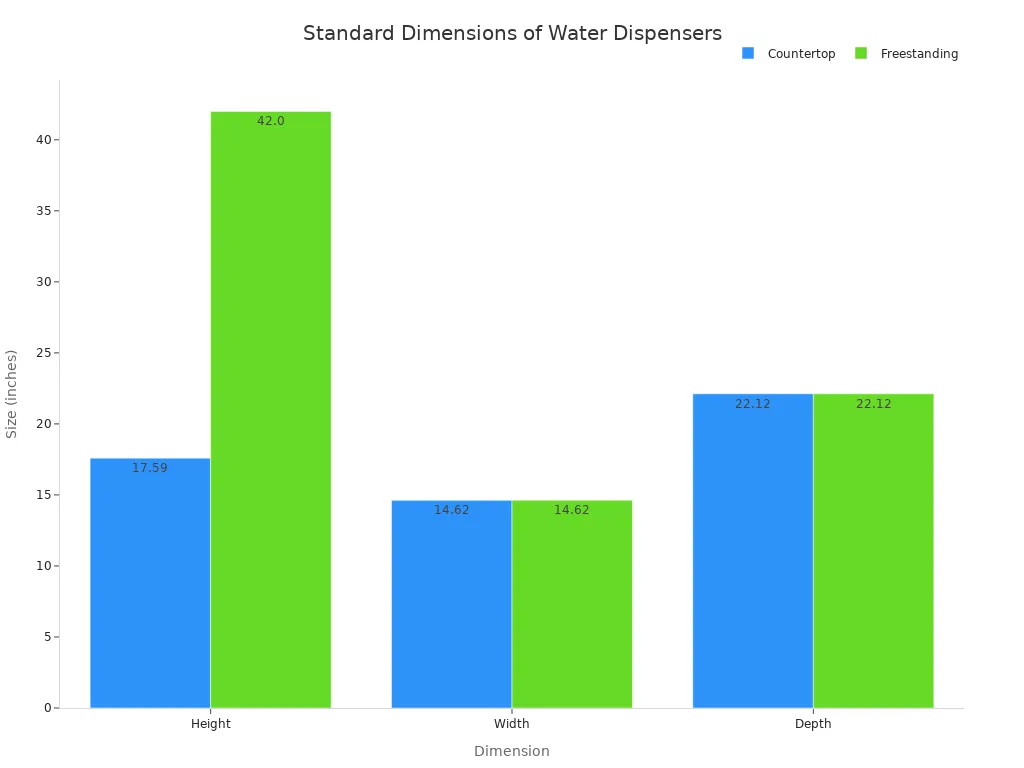
Choosing the right water dispenser cooler depends on balancing available space with your daily water demands.
| Dimension | Countertop (inches) | Freestanding (inches) |
|---|---|---|
| Height | 17.59 | 42.00 |
| Width | 14.62 | 14.62 |
| Depth | 22.12 | 22.12 |
3. Temperature Options and Cooling Technology
Modern water dispensers offer more than just cold water. You can choose models that provide hot, cold, and even room-temperature water instantly. Understanding these options and the technology behind them helps you select the best appliance for your needs.
Hot, Cold, and Room Temperature Taps
Most dispensers provide hot and cold water, but many now include a third tap for room-temperature water. This versatility allows you to make tea, enjoy a cold drink, or hydrate with water at the ideal temperature for your body. Different temperatures serve different purposes. For example, slightly chilled water is great for rapid hydration after a workout, while cold water is perfect for feeling refreshed.
The chart below shows the best water temperatures for various activities.
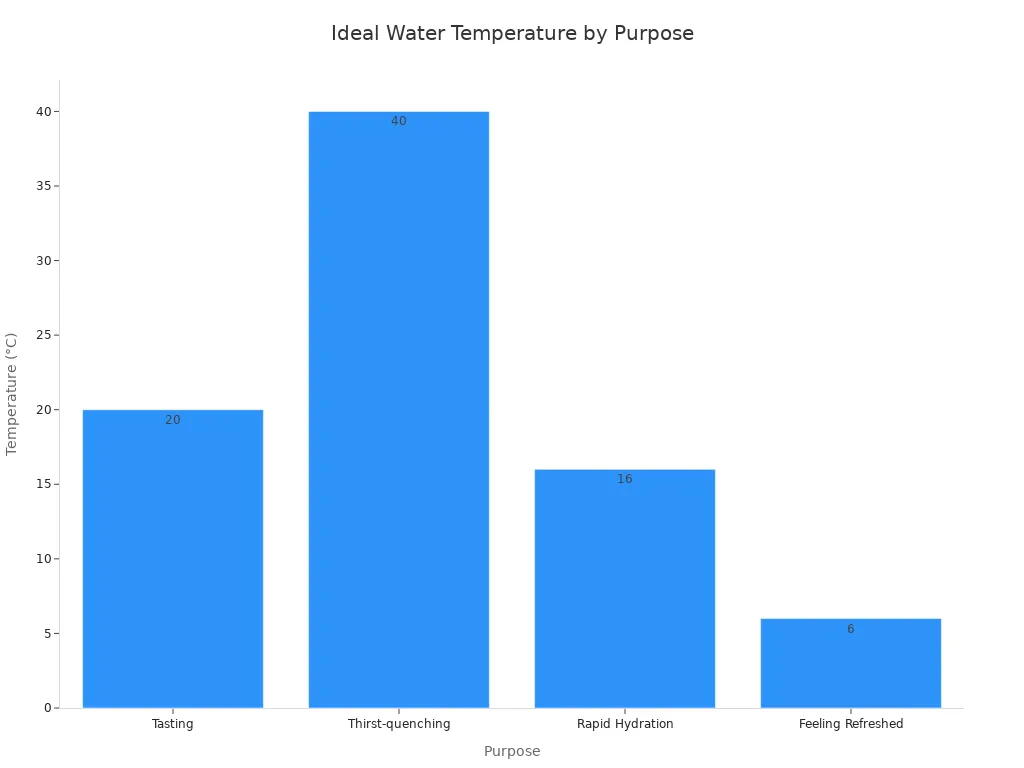
Having multiple temperature options ensures you always have the right water ready.
Compressor vs. Thermoelectric Cooling
Your water dispenser cooler uses one of two technologies to chill water: compressor or thermoelectric.
- Compressor systems work like a refrigerator. They cool water quickly and are very energy-efficient, using up to six times less power than thermoelectric models. They cycle on and off to maintain the temperature.
- Thermoelectric systems use an electric current to cool water. They run continuously, which uses more energy. These units are often quieter and lighter.
Tip: If you prioritize energy savings and fast cooling, a compressor model is your best choice. If you need a quieter, more lightweight unit for a small space, a thermoelectric model might work for you.
| Feature | Compressor Cooling | Thermoelectric Cooling |
|---|---|---|
| Energy Use | Low (cycles on/off) | High (runs constantly) |
| Cooling Speed | Fast | Slow |
| Noise Level | Low hum | Very quiet |
Choosing the right technology depends on balancing energy costs with your specific needs.
4. Filtration and Water Quality
The quality of your drinking water is a top priority. Bottleless dispensers use advanced filtration systems to purify your tap water, removing unwanted contaminants and improving its taste. Understanding these filters helps you choose a dispenser that delivers clean, safe, and refreshing water.
Understanding Different Filter Types
Most point-of-use dispensers use a multi-stage filtration process. The most common filters are carbon and reverse osmosis (RO). Each type targets different impurities.
- Carbon filters remove chlorine, pesticides, and volatile organic compounds (VOCs). This greatly improves the water's taste and odor.
- Reverse osmosis (RO) filters remove a wider range of contaminants. They can filter out heavy metals like lead and arsenic, as well as total dissolved solids (TDS).
You should look for filters certified by NSF/ANSI. These certifications confirm a filter's effectiveness. For example, NSF/ANSI 42 focuses on taste, while NSF/ANSI 53 and 58 certify the removal of health-related contaminants. You must replace these filters regularly to maintain water quality.
| Filter Type | Typical Replacement Frequency |
|---|---|
| Sediment & Carbon Filters | Every 6 to 12 months |
| RO Membrane | Every 2 to 5 years |
The Importance of Water Taste and Purity
Clean water is essential for your health. Filtration removes harmful substances and significantly improves the taste of your water. Better-tasting water encourages you and your family to drink more, leading to better hydration. Proper hydration supports everything from skin health to mental focus.
Did you know? Families with a filtered water dispenser are 76% more likely to drink water. They are also more likely to use refillable containers, which helps the environment.
Drinking purified water also aids your body's natural functions. It helps with digestion by breaking down food more efficiently and assists in flushing toxins from your system. By choosing a dispenser with quality filtration, you invest in your overall well-being.
5. Key Safety and Convenience Features
Beyond temperature and filtration, you should look at features that make your dispenser safer and easier to use. Safety locks and self-cleaning functions add significant value and provide peace of mind for your home or office.
Essential Child Safety Locks
If you have young children, a child safety lock on the hot water tap is a must-have feature. These locks prevent accidental burns by requiring a two-step action to dispense hot water. For example, you might need to slide a button while simultaneously pushing a lever. This simple mechanism ensures that only adults can access the hot water, keeping your little ones safe. Choosing a dispenser with this feature allows you to enjoy instant hot beverages without worrying about potential accidents.
Self-Cleaning Functions and Drip Trays
To ensure your water stays pure, many modern dispensers include self-cleaning technology. These systems use either ultraviolet (UV) light or ozone (O₃) to prevent bacterial growth inside the cooler.
- UV Sanitization: This method uses UV-C light to disrupt the DNA of germs, which stops them from reproducing. It is a chemical-free process that works continuously without changing the water's taste.
- Ozone (O₃) Purification: This powerful system circulates ozone, an oxidizing agent, to destroy bacteria and viruses throughout the unit. It often runs on an automatic schedule, providing a deep clean before the ozone safely turns back into oxygen.
Expert Take: Johnathan Smith, an appliance engineer with over 15 years of experience, notes, “While both UV and Ozone are highly effective, the choice often comes down to lifestyle. UV is a constant guardian, while Ozone is like calling in a professional cleaning crew on a regular schedule. For a busy office, an automated Ozone cycle can provide immense peace of mind.”
Finally, you should check for a removable drip tray. This simple but useful feature catches spills and makes cleanup effortless.
6. Analyzing the True Cost of a Water Dispenser Cooler
You should look beyond the sticker price to understand the total cost of a water dispenser cooler. The initial purchase is just one part of the expense. You also need to consider long-term operating costs like water, filters, and electricity.
Initial Purchase vs. Long-Term Operating Costs
Your initial investment will vary greatly depending on the type of dispenser you choose. Bottled dispensers have a lower upfront cost, while bottleless models are more expensive to purchase and install.
| Dispenser Type | Initial Purchase Price Range |
|---|---|
| Bottled Water Dispenser | $50 - $200 |
| Bottleless Water Dispenser | $500 - $1,500 (plus installation) |
However, the long-term costs tell a different story. With a bottleless system, you can save a significant amount of money over time. Some monthly plans start around $30 and include free service and filter changes. This can lead to savings of up to $500 per year compared to buying bottled water.
Energy Efficiency and ENERGY STAR Ratings
Your dispenser's energy use also affects your total cost. A standard model providing both hot and cold water can use about 2.8 kWh per day, costing you around $118 annually. A cold-only unit uses much less, averaging about $45 per year.
Tip: To reduce electricity costs, look for a model with an ENERGY STAR certification. For a water cooler to earn this label, its daily electricity use must be under 0.16 kWh.
Choosing an ENERGY STAR certified model offers significant savings:
- They are about 22% more energy-efficient than standard models.
- You can save over $95 in energy costs over the unit's lifespan.
- These models can save you nearly $40 annually compared to non-certified units.
By balancing the initial price with long-term energy and supply costs, you can find a dispenser that fits your budget.
Choosing the right water dispenser cooler requires you to balance the initial price with long-term expenses. You should prioritize the system type that best fits your lifestyle and budget. Make sure the capacity, temperature settings, and safety features align with your needs to select a reliable appliance for years.
FAQ
How often should you clean your water dispenser?
You should clean the exterior weekly. Sanitize the internal components every 3 to 6 months. You can also clean the unit when you change the water bottle.
Can you install a bottleless water dispenser yourself?
You can install it yourself if you have plumbing skills. However, we recommend professional installation. This ensures a secure connection and prevents leaks or water damage.
Should you unplug your dispenser when you go on vacation?
Yes, you can unplug your dispenser to save energy. You should drain any remaining water from the reservoirs first. This prevents bacterial growth while you are away.