What Is RO Purification and How Does It Work
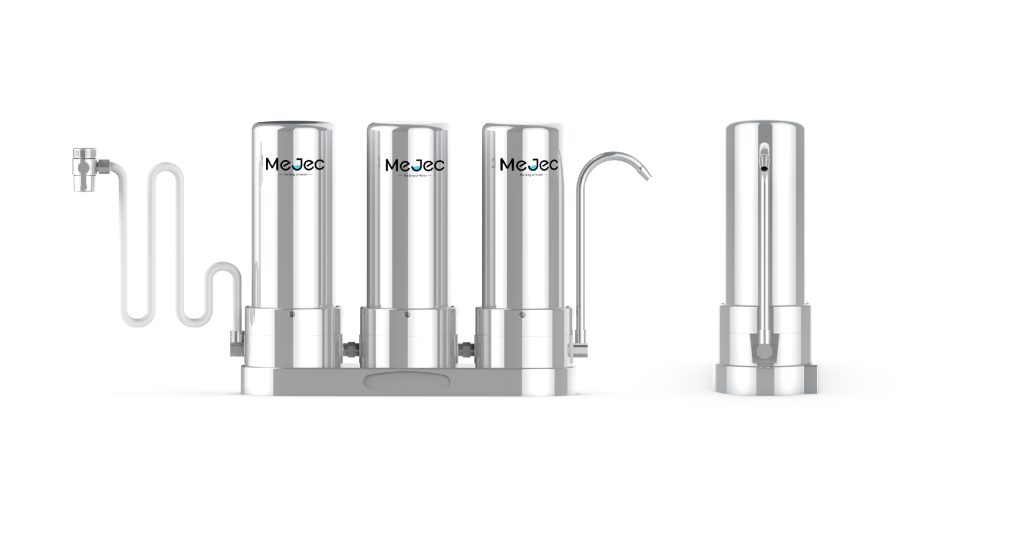
Reverse osmosis uses pressure to push water through a special membrane, removing up to 99% of contaminants. This process ensures ro purification delivers high-quality water at home. Advanced water dispensers, such as those from Mejec, rely on reverse osmosis to provide safe, clean drinking water every day.
Key Takeaways
Reverse osmosis removes up to 99% of contaminants, ensuring safe drinking water for your home.
This purification method enhances the taste and odor of water, making it more enjoyable to drink.
Consider a multi-stage reverse osmosis system for the best results in water purification.
RO Purification Explained
What Is Reverse Osmosis
Reverse osmosis is a scientific process that separates impurities from water using a semi-permeable membrane. This membrane allows only water molecules to pass through while blocking dissolved salts, bacteria, and organic matter. By applying pressure, the system forces water through the membrane, leaving contaminants behind. This method is widely used in modern water purification because it can remove a wide range of substances that affect water quality.
Reverse osmosis filtration system technology has become a standard for households seeking reliable purification. The process is highly effective at reducing contaminants in drinking water, making it a preferred choice for families who want safe and clean water at home.
How RO Purification Works
A reverse osmosis filtration system uses several stages to ensure thorough purification. Each stage targets specific impurities, resulting in water that is both clean and fresh. Here is how a typical system operates:
Pre-filtration: The first stage removes sediment and chlorine. This step protects the reverse osmosis membrane from damage.
Reverse Osmosis Separation: Water is pushed through the semi-permeable membrane. The membrane acts as a barrier, separating contaminants from pure water.
RO Wastewater Disposal: Contaminants are flushed away through a drain, ensuring they do not re-enter the water supply.
Storage and Delivery: Purified water is stored in a tank, ready for use whenever needed.
Postfiltration: A final carbon filter removes any remaining tastes or odors, delivering crisp and clean water.
Tip: Adequate water pressure is crucial for the efficiency of a reverse osmosis filtration system. Most systems require at least 40 to 45 PSI to function properly. If the pressure is too low, a booster pump may be needed to maintain optimal performance.
Multi-stage filtration systems, such as those found in advanced home water dispensers, combine these steps to maximize contaminant removal. The average flow rate for a residential reverse osmosis membrane can reach up to 0.4 gallons per minute, providing a steady supply of purified water for daily use.
Key Contaminants Removed
Reverse osmosis water filter systems are known for their ability to remove a wide variety of drinking water contaminants. These systems can eliminate up to 99% of impurities, making them one of the most effective solutions for home water purification. Some of the most common contaminants removed include:
Lead
Microplastics
Arsenic
Chlorine
Mercury
Chromium
Total dissolved solids (TDS)
Bacteria
Dissolved salts
Reverse osmosis systems excel at reducing heavy metals, bacteria, and salts, which are often present in tap water. By removing up to 99% of total dissolved solids, these systems ensure that the water you drink is safe and free from harmful substances. This high level of purification makes reverse osmosis a trusted method for addressing a broad range of contaminants in drinking water.
Reverse Osmosis Systems vs. Other Filters
RO System vs. Carbon Filters
Reverse osmosis and carbon filters are two of the most common water filtration methods for homes. Both systems can improve water quality, but they work in different ways and target different contaminants. The table below shows how each system performs against specific impurities:
Contaminant | Reverse Osmosis | Carbon Filter |
|---|---|---|
Chlorine | Removes | Removes |
Lead | Removes | Will Not Remove |
Heavy Metals | Removes | Removes Some |
Fluoride | Removes | Will Not Remove |
Reverse osmosis removes a wider range of contaminants, including lead and fluoride, which carbon filters cannot handle. Carbon filters are effective for chlorine and some heavy metals, but they do not provide the same level of protection. In terms of maintenance, carbon filters need replacement every 6-12 months, while reverse osmosis membranes can last 1-3 years, sometimes longer.
RO System vs. UV Purification
UV purification uses ultraviolet light to destroy bacteria and viruses in water. This method is excellent for making water microbiologically safe. However, reverse osmosis focuses on removing dissolved solids, heavy metals, and chemicals. While UV systems target pathogens, they do not filter out physical or chemical contaminants. For complete water filtration, many advanced dispensers combine reverse osmosis with UV and other stages.
Unique Benefits of Reverse Osmosis
Reverse osmosis stands out for its comprehensive water filtration abilities. The table below highlights its unique advantages compared to other methods:
Benefit | Reverse Osmosis | Other Filtration Methods |
|---|---|---|
Comprehensive Filtration | Targets a broad range of contaminants | Primarily address taste and odor |
Volume | Treats large amounts of water quickly | Slower processes like pitcher filters |
Aesthetic Improvement | Enhances taste, odor, and appearance | Limited to basic improvements |
Long-term Value | Durable filters with less frequent replacement | More frequent filter changes required |
Waste Reduction | Reduces reliance on bottled water | No significant impact on waste |
Reliability | Addresses a wider variety of water quality concerns | Limited to basic filtration capabilities |
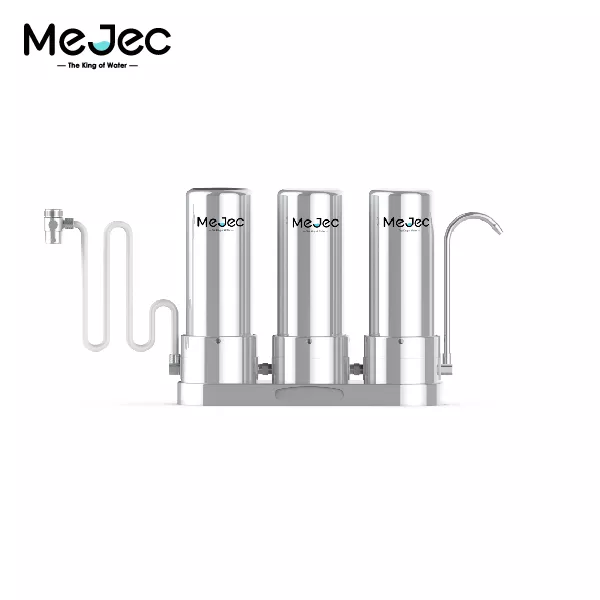
Advanced water dispensers, such as those from Mejec, use multi-stage filtration systems that integrate reverse osmosis with other technologies. This approach ensures the removal of a wide range of contaminants and delivers high-quality water for daily use.
RO Purification Pros and Cons
Main Benefits for Households
Reverse osmosis offers several advantages for households facing water quality issues. The process removes up to 99% of harmful contaminants, including heavy metals and chlorine. This high level of contaminant removal improves the safety and taste of drinking water. Many families notice a significant improvement in taste and odor after installing a reverse osmosis system. The table below highlights key benefits:
Benefit | Description |
|---|---|
Improves taste and odor | RO systems eliminate residual contaminants that cause unpleasant tastes and odors. |
High contaminant removal | Removes up to 99% of harmful contaminants, enhancing overall water quality. |
Decreases plastic waste | Reduces reliance on bottled water, leading to less plastic consumption and waste. |
Saves money and maintenance costs | A cost-effective solution that saves money compared to bottled water and reduces appliance wear. |
Reverse osmosis also helps reduce exposure to pollutants that can negatively impact health. Studies show that these systems can remove over 94% of hazardous chemicals, such as PFAS, from tap water.
Potential Drawbacks
While reverse osmosis addresses many water quality issues, it has some drawbacks. Traditional systems waste about four gallons of water for every gallon of purified water produced. The process also removes beneficial minerals, which can affect taste and nutritional content. Many modern systems now include a remineralization stage to restore healthy minerals. Routine maintenance, such as filter changes, is necessary to keep the system working efficiently.
Is RO Purification Right for You
RO purification is ideal for households with serious water quality issues, such as high levels of heavy metals or dissolved solids. It suits families who want reliable, purified water for drinking and cooking. When choosing a system, consider your water source, household size, installation needs, and maintenance costs. Advanced dispensers like the Mejec Water Dispenser are well-suited for homes seeking multi-stage purification and convenience. These systems provide a steady supply of clean water, making them a smart choice for improving overall water quality.
Reverse osmosis removes up to 99% of contaminants, making water safe for homes.
This process supports hydration and kidney health.
Reverse osmosis works best in multi-stage systems for superior results.
Consider your water quality and needs when choosing reverse osmosis or a Mejec Water Dispenser.
FAQ
How often should I replace filters in a reverse osmosis system?
Most filters need replacement every 6–12 months. The RO membrane usually lasts 1–3 years. Check your system’s manual for specific recommendations.
Can a Mejec Water Dispenser remove bacteria and viruses?
Yes. Mejec Water Dispensers use multi-stage filtration, including RO and sometimes UV, to remove bacteria, viruses, and other harmful contaminants.
Tip: Always follow manufacturer guidelines for maintenance to ensure optimal water quality.
Is reverse osmosis water safe for cooking and drinking?
Reverse osmosis water is safe for both cooking and drinking. It removes harmful substances and improves taste, making it ideal for daily use.