Marble Sintered Stone Explained A Beginner's Introduction
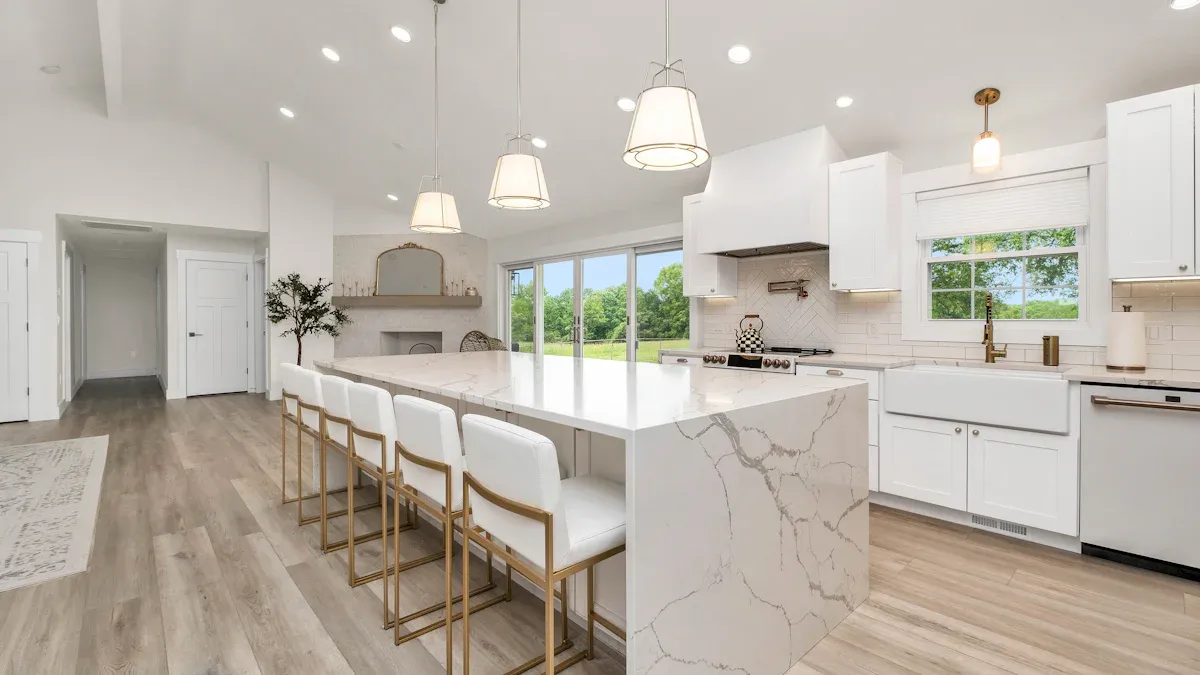
Marble Sintered Stone is a manufactured surface material. It blends natural minerals found in materials like porcelain and granite. An intense process of heat and pressure fuses these minerals together. This creates an incredibly dense, non-porous sintered stone slab. The final product offers the elegant look of natural marble with superior durability.
Key Characteristics of Marble Sintered Stone
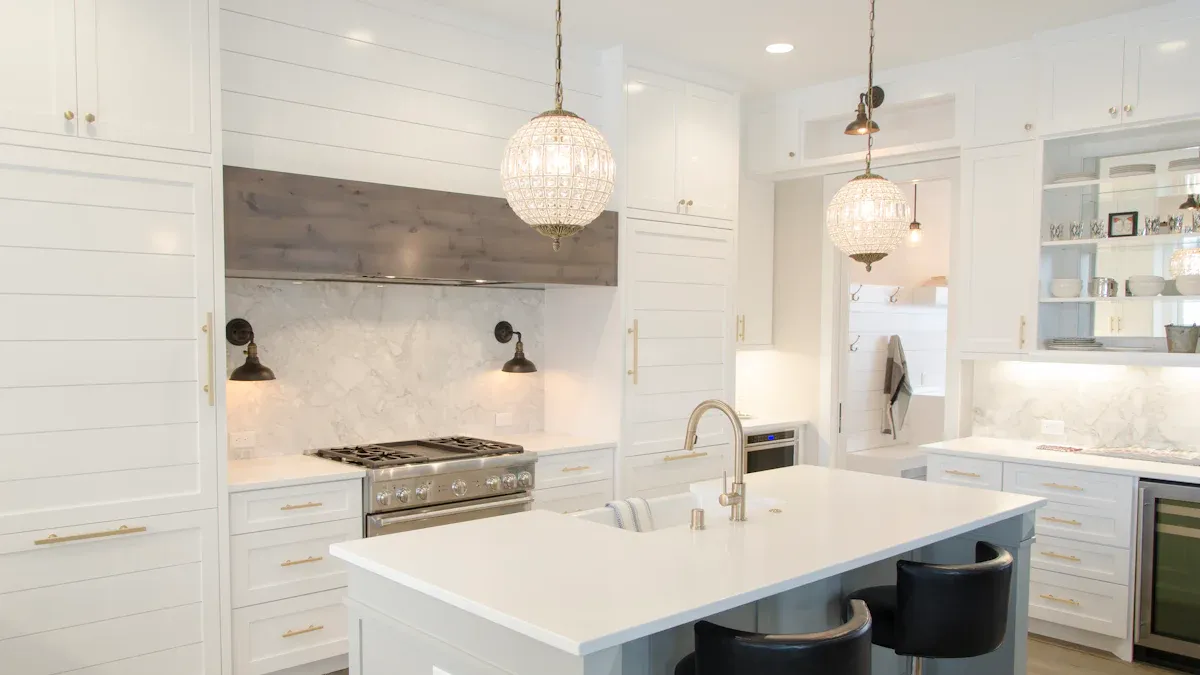
Marble sintered stone stands apart from other materials due to its unique manufacturing process and resulting physical properties. Its combination of beauty and strength makes it a leading choice for modern architectural surfaces. Understanding its core characteristics reveals why it performs so well in demanding environments.
How Is It Made?
The creation of Marble Sintered Stone mimics the natural geological process that forms stones like granite, but on an accelerated timeline. The manufacturing technology is called sintering.
- Mineral Selection: The process begins with a carefully chosen blend of natural minerals. These include particles from quartz, porcelain, and glass.
- Compaction: This mineral mix is subjected to immense pressure, compacting the particles together into a dense slab.
- Fusion: The slab then enters a kiln where it is heated to extreme temperatures, often over 2,000°F (1,200°C). This intense heat fuses the mineral particles permanently without melting them. The result is a solid, non-porous mass with incredible density.
This advanced technique creates a surface that is more robust and consistent than the natural stones it emulates.
Exceptional Durability
Durability is a defining feature of this material. Its sintered composition gives it superior resistance to common household and commercial wear and tear.
- 🛡️ Scratch & Abrasion Resistant: The surface is extremely hard. It resists scratches from knives, keys, and everyday objects, making it ideal for kitchen countertops and high-traffic flooring.
- 🔥 Heat & Fire Resistant: You can place hot pots and pans directly on the surface without causing damage or discoloration. The material is non-combustible.
- ☀️ UV Resistant: The colors do not fade or degrade when exposed to direct sunlight. This makes Marble Sintered Stone an excellent option for outdoor applications like patios and exterior cladding.
Years of project experience in luxury hotels, retail spaces, and residential complexes confirm its ability to withstand real-world conditions while maintaining its architectural elegance.
Low Maintenance and Hygienic
The non-porous surface is the key to its low-maintenance and hygienic properties. Unlike natural marble, it does not require sealing.
A Hygienic Choice for Kitchens and Bathrooms The absence of pores means liquids, chemicals, and germs cannot penetrate the surface. Spills like wine, coffee, or oil wipe away easily without leaving stains. This quality also prevents the growth of mold, mildew, and bacteria, creating a safer and cleaner environment.
Cleaning is simple. A cloth with warm water and a neutral cleaner is all that is needed to keep the surface looking new. This simplicity makes it a practical solution for busy households and commercial settings.
Design Versatility
The manufacturing process offers almost limitless design freedom. Slabs can replicate the intricate veining of rare natural marbles or present entirely unique aesthetics. Advanced R&D allows for continuous refinement of both performance and visual quality.
For example, some designs are inspired by the calming essence of ancient petrified wood. A slab like FRENCH WOODSTONE features a soft matt finish with a subtle beige-gray palette. Its sediment-like grain evokes minimalist elegance, perfect for Scandinavian or Japanese-inspired interiors.
This ability to customize products for unique settings establishes sintered stone as a preferred material for designers. It harmonizes durability with sophisticated design, from large-format wall panels to custom-fit countertops.
Marble Sintered Stone vs. Other Popular Materials
Choosing the right surface material involves comparing aesthetics, performance, and maintenance. Marble Sintered Stone often competes with traditional favorites like natural marble and modern engineered quartz. Understanding their key differences helps clarify which material best suits a specific project's needs.
Sintered Stone vs. Natural Marble
This comparison highlights the classic battle between natural beauty and engineered performance. While both offer an elegant look, their practical characteristics are worlds apart. Natural marble is a metamorphic rock prized for its unique veining. Sintered stone is a manufactured product designed to overcome marble's inherent weaknesses.
The Core Difference: Porosity Natural marble is porous. It absorbs liquids, leading to stains and requiring regular sealing. Sintered stone is non-porous. It repels liquids completely, making it stain-proof and eliminating the need for sealants.
Here is a direct comparison of their key attributes:
| Feature | Sintered Stone | Natural Marble |
|---|---|---|
| Durability | 🛡️ Extremely high | fragile Low to moderate |
| Scratch Resistance | Excellent | Poor; scratches easily |
| Stain Resistance | Excellent | Poor; stains without sealant |
| Heat Resistance | 🔥 Excellent | Good, but can scorch |
| UV Resistance | ☀️ Excellent; for outdoor use | Poor; can discolor |
| Maintenance | Low; simple cleaning | High; requires regular sealing |
| Consistency | Uniform look across slabs | Each slab is unique |
Sintered Stone vs. Quartz
Sintered stone and quartz are both engineered surfaces, but their composition and manufacturing create critical performance differences. Quartz countertops contain 90-95% ground natural quartz mixed with polymer resins and pigments. These resins act as a binder.
Sintered stone, in contrast, contains no resins. It is made entirely from natural minerals fused together under intense heat and pressure. This distinction is the primary reason for their different capabilities.
- Heat Resistance: The resins in quartz can burn or discolor when exposed to high heat. Hot pans can leave permanent marks. Sintered stone’s resin-free composition makes it impervious to heat.
- UV Stability: The resins in quartz can yellow or fade over time with prolonged exposure to direct sunlight. This limits its use for outdoor applications. Sintered stone is fully UV-resistant, making it a superior choice for outdoor kitchens, patios, and building facades.
- Scratch Resistance: Both materials are highly scratch-resistant. However, sintered stone's manufacturing process generally results in a harder surface, giving it a slight edge in durability.
Pros and Cons Summary
Making an informed decision requires weighing the advantages and practical considerations of each material. This summary provides a clear overview of where sintered stone excels and what factors to keep in mind.
- Exceptional Durability: It offers top-tier resistance to scratches, impacts, heat, and fire.
- Weather & UV Proof: The material does not fade or degrade in sunlight, making it perfect for both indoor and outdoor use.
- Hygienic & Stain-Proof: Its non-porous surface prevents bacteria growth and is completely impervious to stains.
- Low Maintenance: It never needs sealing and cleans easily with simple soap and water.
- Design Versatility: It provides a wide range of consistent colors and patterns, from natural stone looks to modern industrial designs.
Cons of Sintered Stone
- Higher Initial Cost: The advanced technology and superior performance come with a higher price point compared to many other materials.
- Specialized Installation: The material is dense and often comes in large formats. It requires trained professionals with specialized tools for cutting and installation.
Marble Sintered Stone delivers the timeless beauty of marble without its inherent weaknesses. This material offers a high-performance, low-maintenance alternative for modern living. It is an ideal choice for high-traffic areas needing extreme durability and a consistent aesthetic. Its longevity and minimal upkeep provide excellent long-term value despite a higher initial investment.
FAQ
Can you cut directly on a sintered stone countertop?
Yes, its surface is extremely hard and scratch-resistant. You can cut food directly on it without damaging the countertop. It withstands daily use from knives and other utensils.
Is sintered stone good for outdoor use?
Sintered stone is an excellent choice for outdoor applications. The material is fully UV-resistant, so its colors will not fade in direct sunlight. It also withstands various weather conditions.
Does sintered stone require sealing?
No, sintered stone never needs sealing. Its manufacturing process creates a non-porous surface. This prevents liquids from penetrating, making it naturally stain-proof and very easy to maintain.
See Also
Unveiling Molybdenum High-Temperature Furnaces: Functionality and Innovative Design Explored
Molybdenum High-Temperature Furnaces: A Comprehensive Look at 2025 Innovations
Assessing Molybdenum Plugs' Role in Seamless Steel Pipe Manufacturing by 2025
Versatile Nozzle Solutions: Catering to Gardeners, Bioprinters, and Lubrication Needs
Optimized Steel Processing for Heat Exchange: Consistently Delivering Superior Performance