What is Gadolinium Oxide Used For in 2025 and Beyond?
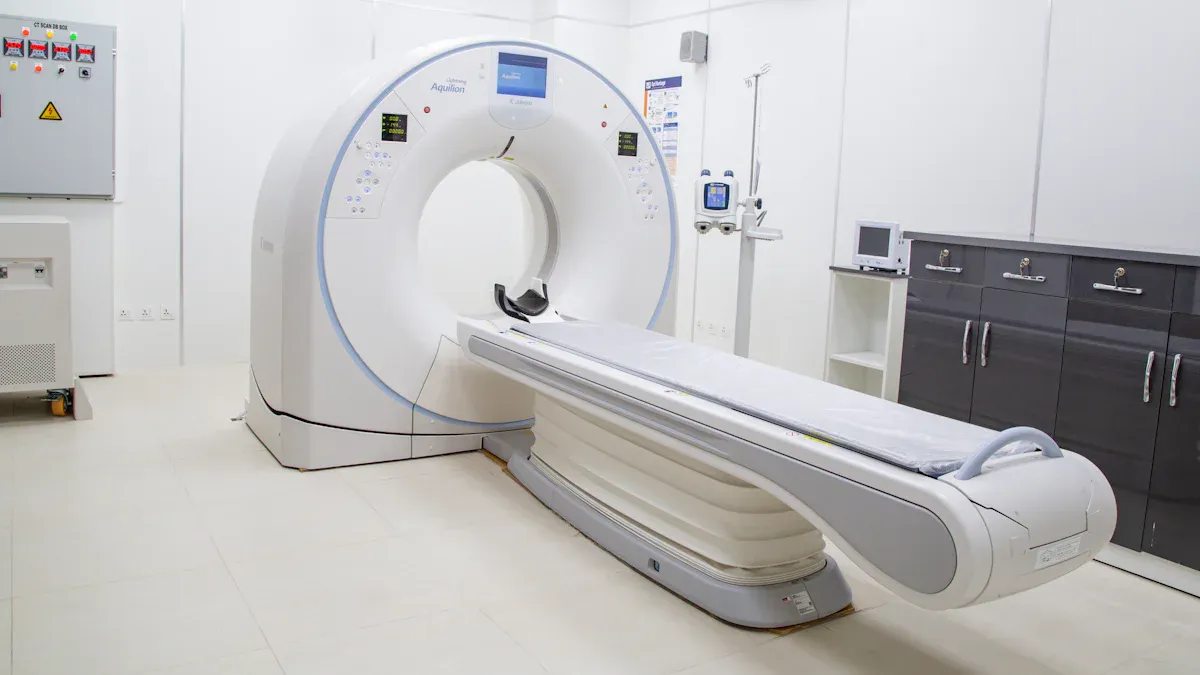
Gadolinium oxide is a critical material with several key roles.
- Established Uses: It enhances medical MRIs, strengthens high-performance metal alloys for aerospace, and creates light in electronic phosphors.
- Emerging Uses: For 2025 and beyond, its role expands into advanced battery technology, next-generation solar cells, and solid oxide fuel cells.
Established Applications of Gadolinium Oxide
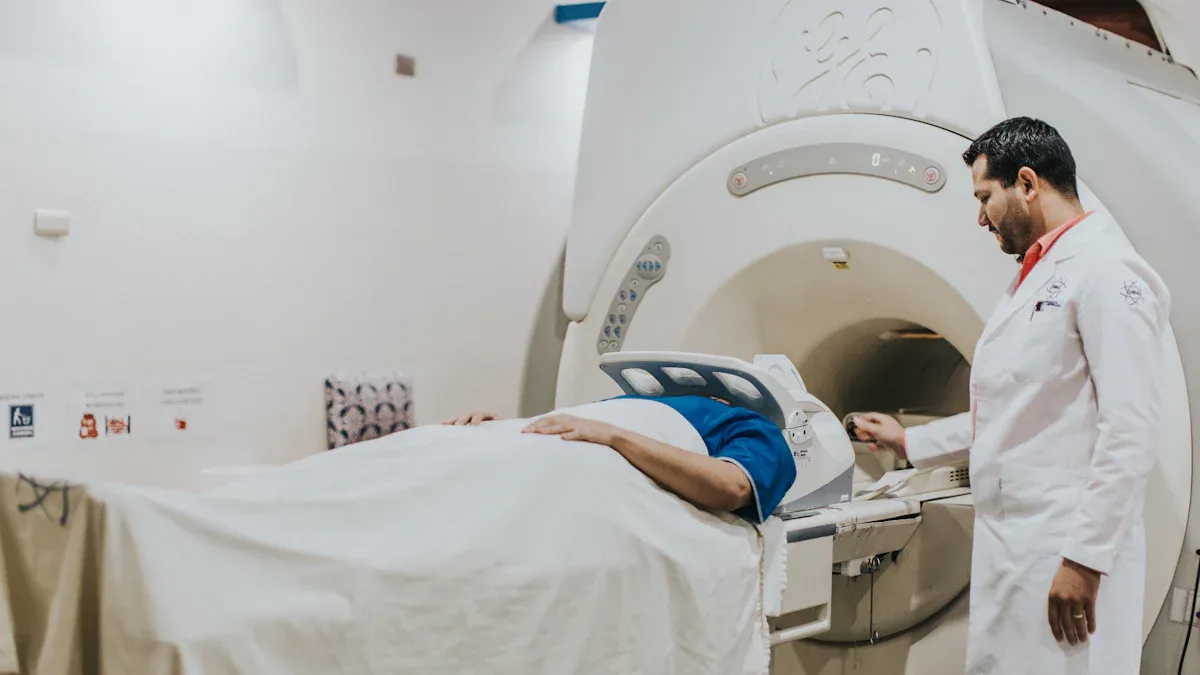
Gadolinium oxide, also known as gadolinia, serves as a cornerstone material across several major industries. Its unique properties enable critical functions in technologies we rely on daily. Scientists and engineers have harnessed its capabilities for decades, solidifying its place in modern manufacturing and medicine.
Medical and Biomedical Uses
The medical field heavily utilizes the magnetic properties of gadolinium derivatives. Its most prominent application is in Magnetic Resonance Imaging (MRI).
- MRI Contrast Agents: Clinicians use gadolinium-based contrast agents to improve the quality and clarity of MRI scans. These agents enhance the visibility of internal body structures, helping doctors diagnose conditions with greater accuracy.
- Targeted Diagnostics: Researchers are exploring how to attach gadolinium compounds to specific molecules. This could allow for targeted imaging of tumors or other diseased tissues, leading to earlier and more precise diagnoses.
Metallurgy and Alloy Production
In metallurgy, small additions of Gadolinium Oxide can dramatically improve the characteristics of metal alloys. It acts as a powerful modifying agent, particularly for iron, chromium, and related alloys.
Adding this compound improves an alloy's workability and resistance to high-temperature oxidation. This makes the resulting metals ideal for demanding environments, such as components in aerospace engineering and specialty manufacturing.
Electronics and Optical Materials
The optical and electronic properties of gadolinia make it valuable for creating specialized components. It plays a key role in how we generate and control light and other electromagnetic waves. Gadolinium Oxide is essential for producing high-performance phosphors and garnets.
| Application Area | Specific Use | Benefit |
|---|---|---|
| Displays | Green phosphors | Creates vibrant green colors in displays like older color TV tubes. |
| Microwave Tech | Gadolinium Yttrium Garnets (GYG) | Used in microwave filters and circulators for telecommunications. |
| Optical Glass | High-refractive-index glass | Enables the creation of specialized lenses and prisms for optical instruments. |
Nuclear and Energy Applications
The nuclear industry values gadolinium for its exceptional ability to absorb neutrons. This property is critical for controlling nuclear reactions safely and efficiently. Power plants use gadolinium-containing materials in control rods. Operators insert these rods into a reactor core to absorb excess neutrons and slow down the fission process. It also functions as a "burnable poison" mixed directly into nuclear fuel, helping to manage reactivity over the fuel's lifespan.
Future Uses of Gadolinium Oxide: 2025 and Beyond

While its current applications are impressive, the future of gadolinia is even more exciting. Scientists and engineers are unlocking its potential to solve challenges in energy, medicine, and materials science. The unique properties of this rare earth compound position it as a key enabler for the technologies of tomorrow.
Advanced Energy Storage
The global push for better batteries is a perfect opportunity for advanced materials. Researchers are exploring how Gadolinium Oxide can enhance the performance and safety of next-generation energy storage systems. Its inclusion in battery components could lead to significant improvements.
- Enhanced Stability: It can act as a stabilizing agent in cathode materials for lithium-ion batteries. This helps prevent degradation over time.
- Increased Lifespan: Batteries with these stabilized components can endure more charge-and-discharge cycles. This extends their operational life.
- Solid-State Batteries: Its properties are valuable for developing solid electrolytes. These are a key component of safer, more energy-dense solid-state batteries.
Renewable Energy and Fuel Cells
Efficient energy conversion is critical for a sustainable future. Gadolinia is emerging as a vital material in both fuel cells and solar energy, helping to boost efficiency and reduce costs.
In solid oxide fuel cells (SOFCs), gadolinium-doped ceria (GDC) is a game-changer. It creates an electrolyte with high ionic conductivity at lower operating temperatures. This makes the fuel cells more durable and less expensive to produce and operate.
In solar technology, researchers are investigating its use in perovskite solar cells. Thin layers of gadolinia-based materials could help protect the delicate perovskite structure from moisture and heat, improving long-term stability and performance.
Next-Generation Medical Diagnostics
The medical field continues to innovate with gadolinium. Future diagnostic tools will be smarter, safer, and more precise. The focus is shifting from general-purpose contrast agents to highly targeted and functional imaging agents.
| Feature | Traditional Agents | Next-Generation Agents |
|---|---|---|
| Activation | Always "on" | Activate only near specific biomarkers (e.g., cancer cells) |
| Targeting | General, non-specific | Highly specific to certain diseases or tissues |
| Function | Enhance image contrast | Can also report on biological functions (e.g., pH, temperature) |
This evolution points toward "theranostics," where a single agent can both diagnose a disease and deliver a targeted therapy. This approach promises more effective treatments with fewer side effects.
Advanced Coatings and Thin Films
The ability to withstand extreme conditions is crucial in aerospace, energy production, and electronics. Advanced coatings made with gadolinia provide superior protection and performance.
One of the most promising areas is in Thermal Barrier Coatings (TBCs). These coatings protect metal components in jet engines and gas turbines from extreme heat. Adding Gadolinium Oxide to the TBC material, often zirconia, improves its phase stability and lowers its thermal conductivity. This means the coating insulates better and lasts longer, allowing engines to run hotter and more efficiently. 🚀
Unique magnetic, optical, and thermal properties make Gadolinium Oxide indispensable. It currently serves critical roles in medicine, metallurgy, and electronics. Its importance is set to expand into future energy storage and advanced diagnostics, ensuring its versatile and growing value across high-tech industries for years to come.
FAQ
What is Gadolinium Oxide?
Gadolinium Oxide, or gadolinia, is a rare earth compound. Its unique magnetic, optical, and thermal properties make it a critical material for many high-tech industries.
Why is Gadolinium Oxide important for MRIs?
Its derivatives create MRI contrast agents. These agents significantly improve image clarity, allowing for more accurate medical diagnoses by enhancing the visibility of internal body structures.
What future technologies will use Gadolinium Oxide?
Future applications focus on the energy sector. It shows great promise for improving performance in:
- Advanced batteries
- Next-generation solar cells
- Solid oxide fuel cells
See Also
Molybdenum High-Temperature Furnaces: Key Insights and Future Outlook for 2025
Assessing Molybdenum Plugs' Role in Seamless Steel Pipe Manufacturing by 2025
Leading Precoating Materials Revolutionizing Filtration Systems: A 2025 Perspective
WT20 Thoriated Tungsten Electrodes: Enhancing TIG Welding Performance Significantly
Innovative Materials Transforming Heat Exchanger Supply Chains and Efficiency