What Is the Role of Gelatin in the Kitchen
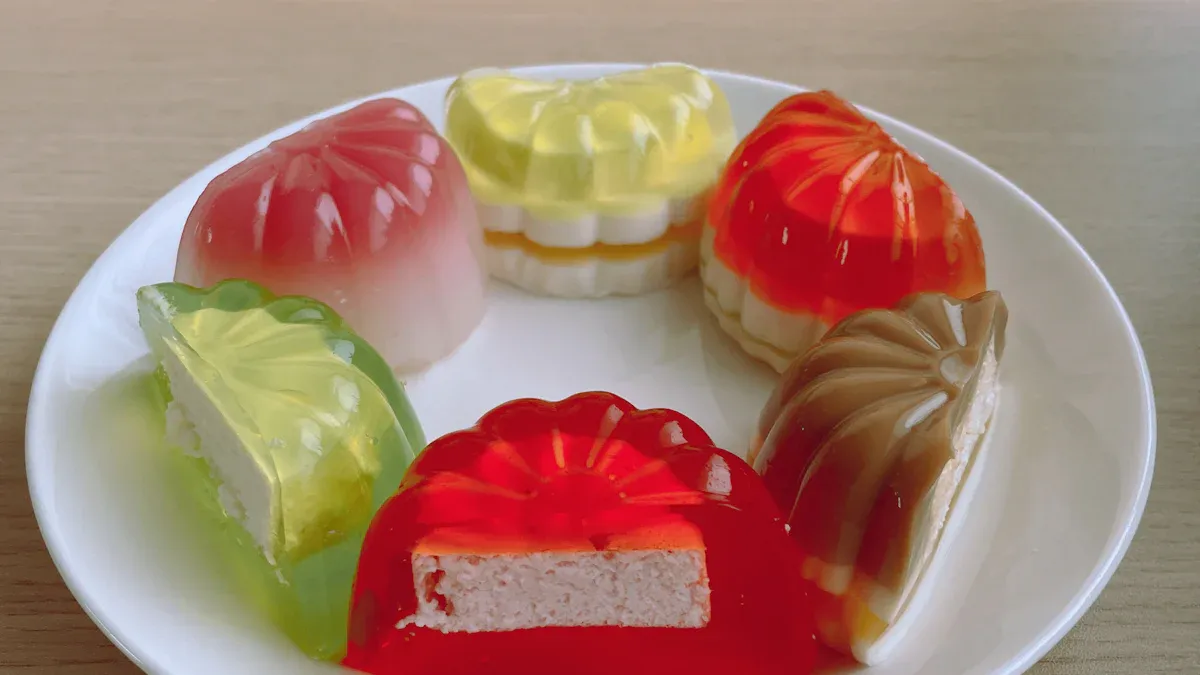
Edible gelatin is a versatile kitchen ingredient. It acts as a gelling agent, thickener, and stabilizer in many recipes. This protein provides structure and a unique melt-in-your-mouth texture to both desserts like panna cotta and savory dishes such as aspics. The function of edible gelatin creating unique flavor in confectionery makes it highly valued. Its global market importance is also growing steadily.

Key Takeaways
- Gelatin helps food in three main ways: it turns liquids into solids, makes sauces thicker, and keeps mixtures stable.
- Always bloom gelatin in cold water first, then dissolve it in warm liquid; never boil gelatin, as high heat ruins its ability to set.
- Fresh pineapple and kiwi stop gelatin from setting; use canned or cooked versions instead.
The Three Core Functions of Edible Gelatin
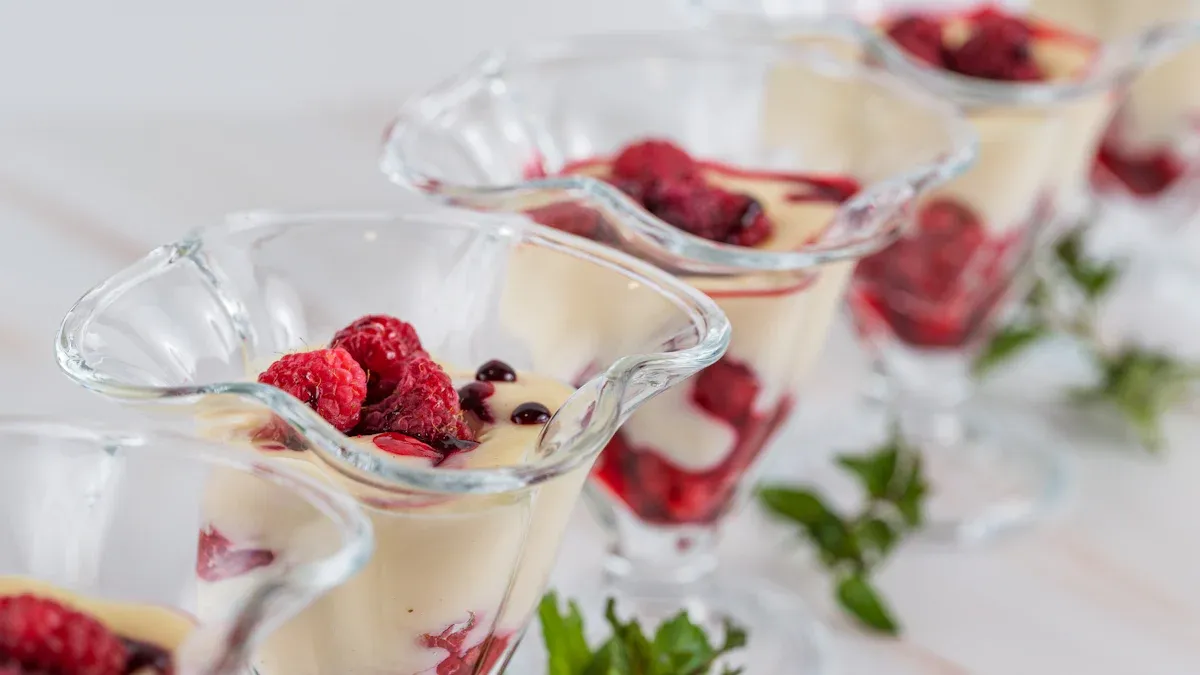
Gelatin performs three primary jobs in the kitchen. It can turn liquids into solids, make thin sauces thicker, and keep mixtures stable. Understanding these functions helps any cook control the texture of their food.
Gelling: From Liquid to Solid
The most well-known function of gelatin is its ability to create a gel. This process transforms a liquid into a semi-solid, jiggly substance. The magic happens on a microscopic level as the gelatin solution cools.
- Gelatin starts as denatured collagen protein in a liquid.
- As the liquid cools, the long protein chains start to come together.
- These chains twist back into a partial triple-helix shape, creating "junction zones."
- The junction zones act as links, forming a three-dimensional network.
- This network traps water molecules inside its tiny pores.
- The trapped water turns the liquid into a semi-rigid gel.
The firmness of the gel depends on the concentration. For example, firm confectionery like gummy candies requires a gelatin concentration between 5% and 10%.
Pro Tip: Avoid Certain Fresh Fruits! 🧑🍳 Some fruits contain enzymes called proteases that act like tiny scissors, cutting gelatin's protein chains apart. This action prevents the gel from setting. The main culprits are fresh pineapple, which contains an enzyme called bromelain, and fresh kiwi, which has an enzyme called actinidin. Canned or cooked versions of these fruits work fine because heat deactivates the enzymes.
Edible Gelatin is an animal product, and its source affects its properties. Processors derive commercial gelatin from several sources:
- Porcine Gelatin: Made from pig skins or bones, this is a common and cost-effective type.
- Bovine Gelatin: Sourced from cow hides or bones, this type can be certified as kosher and halal.
- Fish Gelatin: Produced from the skin, bones, and fins of fish like cod, pollock, and tilapia. It serves as an alternative for those with dietary restrictions.
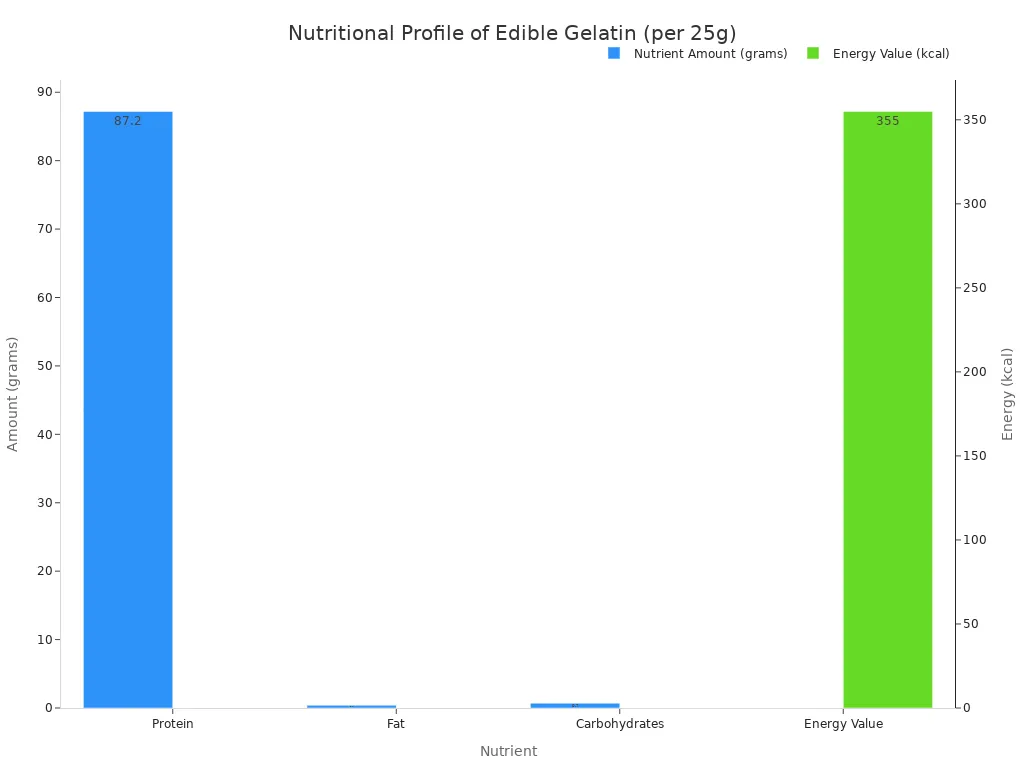
Nutritionally, gelatin is almost entirely protein. It contains key amino acids like glycine and proline, which the body uses to build and maintain tissues.
Thickening: Adding Body and Richness
Beyond creating firm gels, gelatin also works as a thickener. It adds body and improves the mouthfeel of liquids without making them solid. This is why a small amount of gelatin can make a pan sauce, soup, or custard feel richer and more luxurious.
The gelatin proteins form a network that traps fluid, creating a smooth and creamy texture. This ability is especially valuable in dairy products. The gel melts at body temperature, which gives products like panna cotta and yogurt a silky, indulgent sensation. This interaction also improves the texture and stability of many foods.
Stabilizing: Maintaining Form and Volume
Stabilizing is gelatin's third key role. It helps mixtures maintain their structure, preventing them from separating, collapsing, or forming unwanted crystals.
In Foams and Emulsions Gelatin is essential for giving items like marshmallows and mousse their light, airy structure.
- In Foams: Gelatin helps create foam by reducing the water's surface tension. It then locks water into the foam structure as it gels, preventing the air bubbles from collapsing. This gives whipped creams and marshmallows a stable, long-lasting volume.
- In Emulsions: Gelatin helps blend ingredients that do not normally mix, like oil and water. It thickens the water phase and adjusts the surface tension between the two liquids, which prevents separation and ensures a smooth, uniform product.
In Frozen Desserts No one likes icy homemade ice cream. Gelatin acts as a stabilizer to prevent this.
- It binds with water molecules during the freezing process.
- This action stops large, crunchy ice crystals from forming.
- The result is a much smoother, creamier texture in ice cream, sorbet, and other frozen treats.
In Commercial Confectionery In products like gummies, gelatin's stabilizing power is crucial for texture and shape. It provides a hard bite with significant elasticity, a texture many consumers prefer. Manufacturers of Edible Gelatin even offer specialized types that allow for higher collagen content or unique shapes, giving them precise control over the final product's chewiness and form.
How to Use Gelatin for Perfect Texture
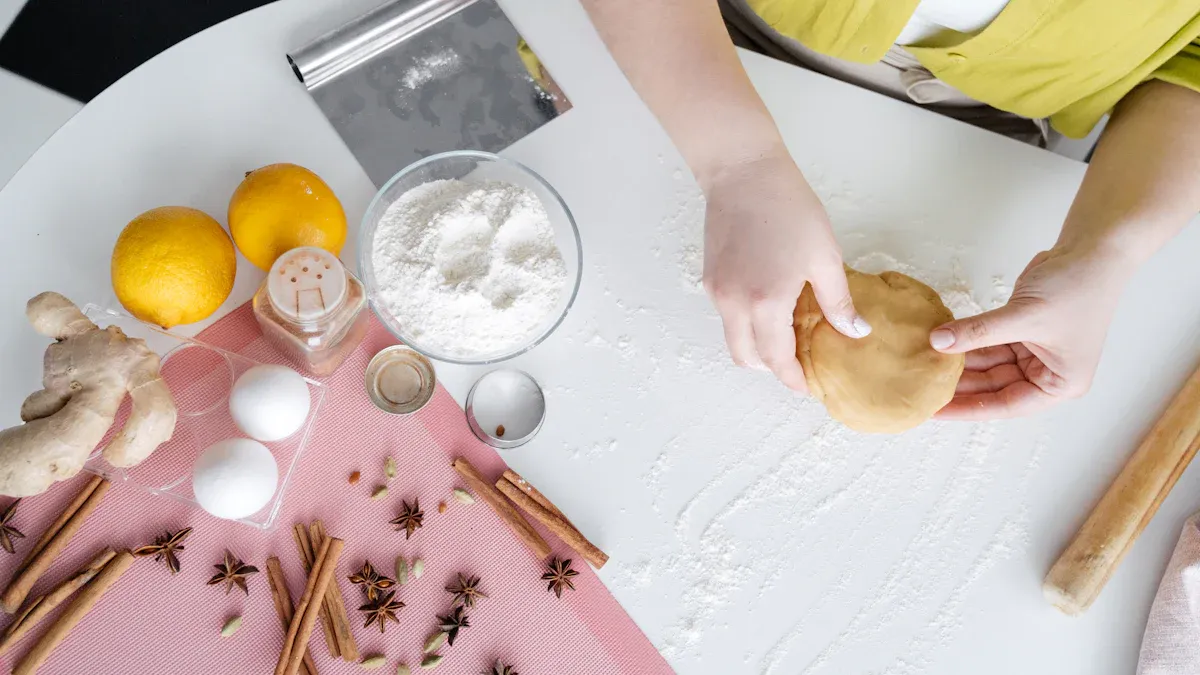
Mastering gelatin is the key to controlling texture in the kitchen. The process involves two main steps: blooming and dissolving. Blooming hydrates the gelatin, preparing it to dissolve evenly. Dissolving melts it into a liquid base. The type of gelatin a recipe calls for—sheets or powder—determines the specific method.
Using Gelatin Sheets
Many professional chefs prefer gelatin sheets for their clean flavor and consistent results. Sheets are sold in different tiers, such as bronze, silver, gold, and platinum. These tiers correspond to different "bloom strengths," which measure the firmness of the final gel.
A higher bloom value means a firmer gel. The bloom strength directly affects the final texture of a dish.
| Bloom Strength Category | Bloom Value Range |
|---|---|
| Low Bloom | 30-125 |
| Medium Bloom | 125-225 |
| High Bloom | 225-325 |
If a recipe does not set correctly, the gelatin's bloom strength might be too low. A cook can either increase the amount of gelatin or switch to a brand with a higher bloom value, such as one over 200.
Correctly preparing gelatin sheets is simple.
- Soak the sheets one by one in a bowl of cold water for 5 to 10 minutes.
- The sheets will absorb water and become soft and rubbery.
- Lift the softened sheets from the water.
- Gently squeeze them to remove any excess liquid.
- Add the bloomed sheets to a warm liquid base and stir until they dissolve completely.
Several factors can weaken the gelling power of Edible Gelatin. High heat above 212°F (100°C) can damage its protein structure. Strong acids from ingredients like fresh lemon or pineapple can also prevent a gel from setting.
Using Gelatin Powder
Gelatin powder is widely available and easy to measure. However, it requires a precise amount of liquid for blooming. A common ratio is one part gelatin to four parts cold water.
The blooming technique is crucial for avoiding lumps. A cook should sprinkle the gelatin powder evenly over the surface of the cold liquid. This method allows each granule to absorb water and swell uniformly. Dumping the powder in a pile will trap dry granules in the center, creating clumps.
A cook knows the gelatin has fully bloomed when it looks swollen and has absorbed all the water. The mixture will appear thick and jiggly, with no dry powder visible.
A Note on Conversions 📝 Converting between gelatin sheets and powder is very difficult. There is no single, universally accepted ratio. The weights of sheets vary by bloom strength, and powdered gelatins also have different strengths. For example, three sheets of platinum gelatin weigh much less than three sheets of bronze gelatin. For the best results, always use the type of gelatin specified in the recipe.
The Golden Rule: Never Boil Gelatin
Heat is necessary to dissolve bloomed gelatin, but too much heat will destroy it. The most important rule is to never let a gelatin mixture boil.
Boiling permanently damages the delicate protein network that allows gelatin to set. High temperatures cause the protein chains to break down, which severely weakens their gelling strength. Studies show that heating gelatin above 212°F (100°C) leads to a significant loss of firmness. The ideal temperature for dissolving bloomed gelatin is between 130°F and 180°F (54°C and 82°C). This range is warm enough to melt the gelatin completely without harming its structure.
Plant-Based Alternatives
For vegan recipes or other dietary needs, several excellent plant-based gelling agents exist. The most common alternatives are agar-agar and carrageenan.
Agar-Agar Agar-agar, or simply agar, is derived from red seaweed. It is a popular vegan substitute for gelatin. Agar creates a much firmer, more brittle gel than gelatin and has different properties.
| Property | Agar-Agar | Gelatin |
|---|---|---|
| Melting Point | 185°F (85°C) | 95°F (35°C) |
| Setting Point | 90–104°F (32–40°C) | Requires refrigeration |
| Texture | Firm and brittle | Soft and elastic |
| Strength | About 8x stronger | Weaker |
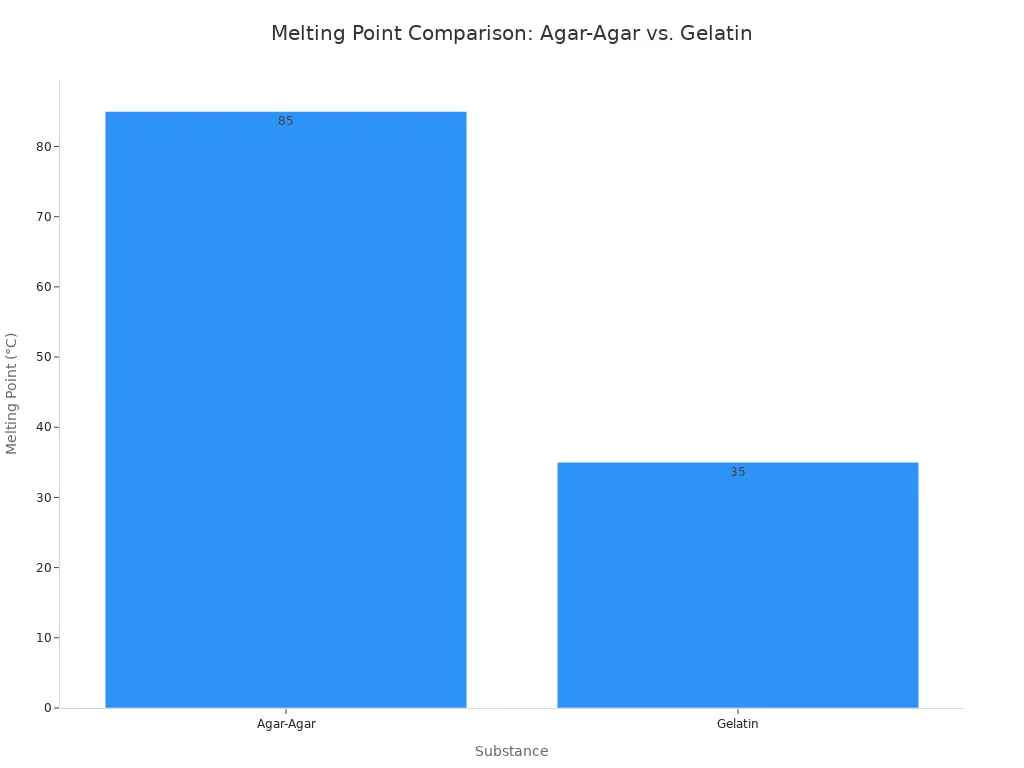
Unlike gelatin, agar must be boiled to dissolve. It then sets quickly, even at room temperature. Its high melting point makes it perfect for dishes that need to hold their shape in warm conditions.
Carrageenan Carrageenan is another gelling agent extracted from seaweed. It is often used in commercial food production for products like non-dairy milk, puddings, and vegan ice cream. It creates smooth, clear gels. There are two main types used in cooking:
- Iota Carrageenan: This type is best for making soft, elastic gels and creamy desserts.
- Kappa Carrageenan: This type produces a firmer, more brittle gel, similar to agar.
Edible Gelatin shows its versatility through its three main roles: gelling, thickening, and stabilizing. A cook unlocks its full potential by correctly blooming and dissolving the protein. Mastering this single ingredient allows for precise texture control, elevating both sweet and savory dishes with perfect consistency and a unique mouthfeel.
FAQ
What is the main difference between gelatin powder and sheets?
A cook must bloom gelatin powder in a measured amount of water. Gelatin sheets can soak in any volume of cold water, making them slightly more forgiving to use.
Can a cook fix a dish if the gelatin does not set?
A cook can sometimes save the dish. They gently reheat the mixture without boiling it. Then, they stir in more correctly bloomed gelatin to increase its gelling power. 💡
Is gelatin a healthy ingredient?
Gelatin is almost entirely protein. It provides key amino acids like glycine and proline. The body uses these amino acids to help build and maintain its tissues.
See Also
Understanding Edible Gelatin: Production Methods and Core Ingredients Revealed
Elevate Your Cooking: Ten Clever Uses for Bovine Gelatin Powder
Bovine Gelatin: A Comparative Look at Fish and Pork Alternatives
The Health Benefits: Why Bovine Gelatin Powder is a Potent Supplement
Bovine Gelatin Powder: Composition and Production Process Explained Clearly