What is anti back staining and why does it matter?
Anti back staining is a crucial process in denim manufacturing. It prevents loose indigo dye from redepositing onto the white weft yarns and pocket linings during the washing stage. This technique ensures a clean, sharp contrast between the blue and white threads, a hallmark of high-quality denim. The global denim market reached $64.5 billion in 2022, underscoring the immense value of superior finishing. Projected growth rates show the industry's continued expansion.

Ultimately, this process is essential for creating an aesthetically pleasing garment that meets consumer expectations for premium denim.
Key Takeaways
- Anti back staining stops loose indigo dye from staining white parts of denim during washing. This keeps denim looking clean and sharp.
- Back staining happens when indigo dye comes off during washing. This dye can stick to white threads and pocket linings, making the denim look dull.
- Special chemicals are used to prevent back staining. These chemicals keep dye particles from sticking to the fabric and help them wash away.
- Using these chemicals makes denim look better. It also helps factories save time and money by reducing mistakes and re-washing.
- Anti back staining helps create the popular 'salt and pepper' look in denim. It also makes sure faded areas stand out clearly.
Why Back Staining Occurs
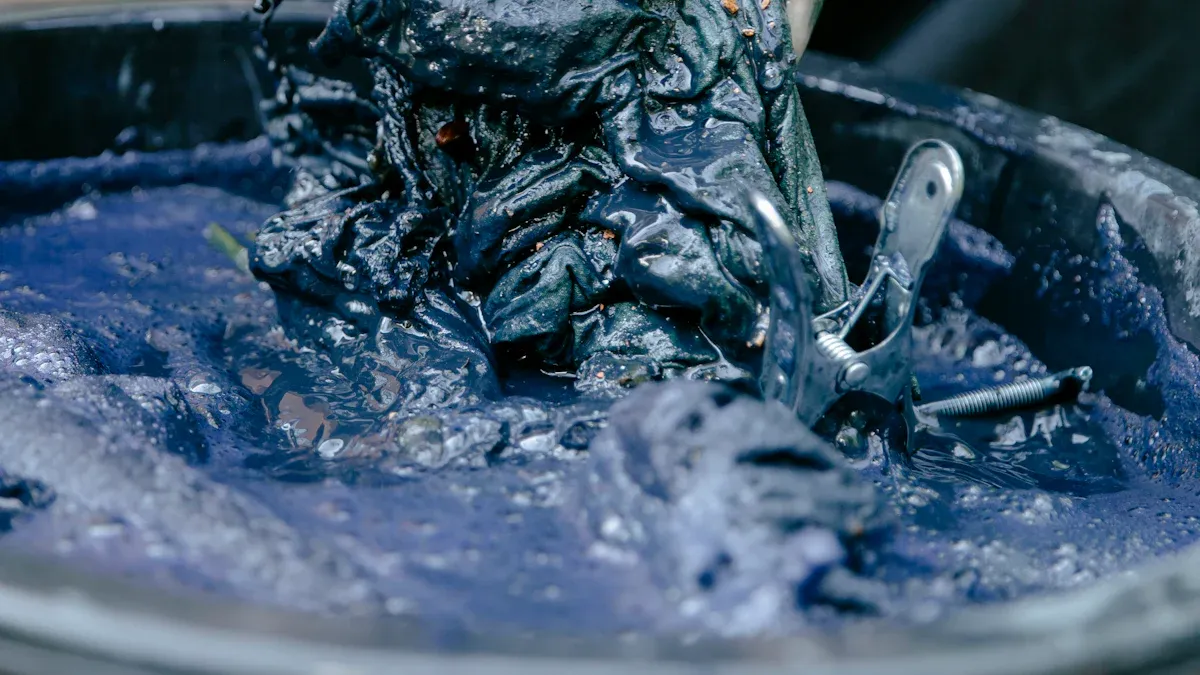
Back staining is an unwanted side effect of the denim washing process. Manufacturers use specific techniques to create unique fades and softness in denim garments. However, these same processes can cause loose dye to create a messy finish. Understanding how this happens shows why an anti back staining agent is so important.
The Denim Washing Process
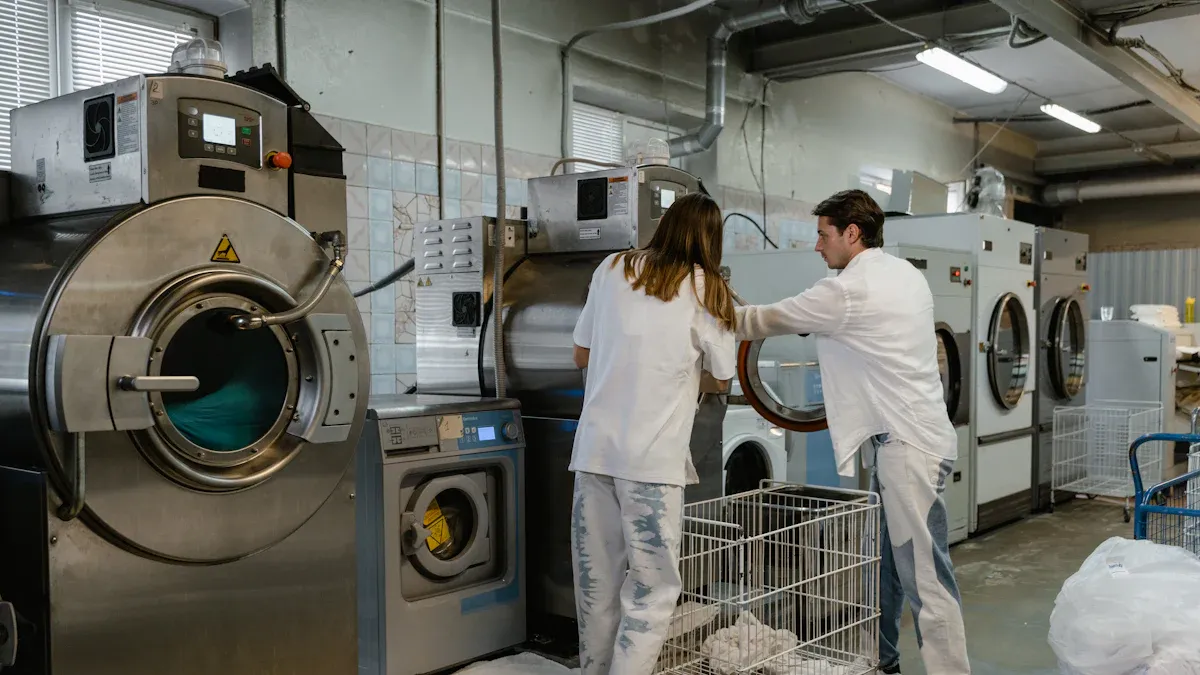
Denim garments go through a series of wet processing steps to achieve their final look and feel. This industrial washing is a complex but essential part of production. The typical procedure includes several key stages:
- Garments are loaded into large industrial washing machines.
- The machine washes the denim, often with stones or enzymes, to create wear patterns.
- Water is extracted from the garments.
- The garments are then dried.
- Sometimes, additional treatments like potassium permanganate (P.P.) spray are applied, requiring another full wash cycle to neutralize chemicals and add softeners.
The Problem with Loose Indigo
Indigo dye gives denim its classic blue color. The dye molecules mostly sit on the surface of the cotton warp yarns. During the aggressive washing process, abrasion and chemicals knock these indigo particles loose. The dye particles then float freely in the wash water. This creates a bath full of suspended indigo, which is the root cause of the staining problem. The more intense the wash, the more loose dye is released into the water.
The Unwanted Result
The free-floating indigo dye does not just wash away. Instead, it looks for a new surface to cling to. It redeposits onto the white weft yarns that run horizontally through the denim fabric. The dye also stains the white cotton pocket linings and other light-colored trims. This redeposition, or back staining, dulls the sharp contrast between the blue and white threads. The result is a muddy, cheap-looking garment that lacks the crisp "salt and pepper" appearance of high-quality denim.
The Role of Anti Back Staining Chemicals
Chemical agents are the heroes in the fight against back staining. Manufacturers add these special chemicals to the wash water to control the loose indigo dye. These agents work in a few clever ways. They ensure the dye particles released during washing do not ruin the final look of the garment. Their primary job is to manage the dye and protect the fabric.
The Dispersing Mechanism
The first key function is dispersion. Anti back staining chemicals act like tiny shepherds for the loose dye particles. When indigo flakes off the yarn, these chemicals immediately surround it. They break down large clumps of dye into much smaller, individual particles. This process is similar to how soap breaks up grease in water. Each tiny dye particle gets its own chemical coating. This coating prevents the dye particles from sticking back together or attaching to the fabric. The chemicals effectively scatter the indigo throughout the water.
The Protective Film Mechanism
The second function involves creating a shield. The chemical agents also coat the surfaces of the white weft yarns and pocket linings. They form a temporary, invisible protective film on these areas. This film works like a non-stick coating on a pan. When the dispersed indigo particles float by in the water, they cannot latch onto the protected white fibers. The film repels the dye, forcing it to stay suspended in the wash bath. This protective action is crucial for maintaining the clean, bright white parts of the denim.
Keeping Dyes Suspended
Combining these two mechanisms achieves the final goal: keeping the dye suspended. The dispersing action keeps the indigo particles small and separated. The protective film stops them from redepositing onto the garment. As a result, the loose indigo remains floating harmlessly in the water.
Pro Tip: Think of it like this: The chemicals grab the loose dye with one hand and push the fabric away with the other. This ensures the dye stays in the water, not on the garment.
When the washing machine drains, all the suspended dye washes away with the dirty water. This leaves behind a clean garment with a sharp, high-contrast appearance. The effective suspension of dye is what makes a premium denim finish possible.
Common Types of Anti Back Staining Chemicals
Manufacturers use a variety of chemicals to prevent back staining. These agents are not all the same. They are often complex blends of different ingredients. The two most important components are polymers and surfactants. Understanding these helps explain how the magic of anti back staining really works.
Polymers and Surfactants
Polymers and surfactants are the primary workhorses in anti back staining agents. They perform different but complementary jobs.
- Polymers are long chains of molecules. They excel at dispersing dye particles. They wrap around the loose indigo, keeping the particles separate and suspended in the water. Polymers also form a protective layer on the white yarns, blocking dye from redepositing.
- Surfactants are molecules that act like soap. One end of a surfactant molecule is attracted to water, while the other end is attracted to dye and dirt. This property helps lift the indigo off the fabric and keeps it from clumping together in the wash bath.
These two chemical types often work together in a single product to provide powerful protection against back staining.
Specialty Formulations
Chemical suppliers create specialty formulations for different denim washing needs. A single, one-size-fits-all product rarely works for every situation. These custom blends are engineered to perform under specific conditions. A formulation might be designed for:
- Heavy stone washing processes
- Enzyme-based washes
- Washes with high water hardness
- Specific types of denim fabric (e.g., stretch denim)
This allows laundries to achieve precise results and maintain quality control across various garment styles.
Choosing the Right Agent
Selecting the correct anti back staining agent is a critical decision for a denim laundry. The choice depends on several factors to ensure the best possible outcome. Manufacturers must balance performance, cost, and the final desired look of the garment. 🧪
| Factor | Description |
|---|---|
| Desired Finish | Does the goal require a super clean, high-contrast look or a more vintage, slightly tinted finish? |
| Wash Process | The type of abrasion (stones, enzymes) and other chemicals used will influence which agent works best. |
| Fabric Weight | Heavier denim may release more dye, requiring a stronger or more concentrated agent. |
| Cost | The price of the chemical must fit within the production budget for the garment. |
Ultimately, the right agent ensures the final product is clean, attractive, and meets the brand's quality standards.
Key Benefits of Using These Agents
Using anti back staining agents offers significant advantages in denim production. These chemicals are not just an extra step; they are a fundamental part of creating high-quality garments. The benefits extend from the final look of the jeans to the efficiency of the entire manufacturing process. Manufacturers see improvements in product quality, cost savings, and overall workflow.
Superior Aesthetic Quality
The most visible benefit is a massive improvement in the garment's appearance. These agents are directly responsible for the crisp, clean finish that consumers associate with premium denim. They preserve the sharp contrast between the dark indigo warp yarns and the bright white weft yarns. This creates the classic "salt and pepper" texture that defines a well-made pair of jeans.
A garment without a clean finish looks dull and low-grade. The use of these chemicals elevates the product, making it more desirable to customers and justifying a higher price point.
Without proper treatment, the denim can look muddy and stained. The anti back staining process ensures the final product has a vibrant, professional look that stands out on the retail shelf. This visual appeal is a key factor in a brand's reputation and sales success.
Cleaner Pockets and Trims
Back staining does not only affect the denim fabric itself. Loose indigo dye can easily ruin other parts of the garment. White pocket linings are especially vulnerable to turning a dingy blue or gray. These agents provide crucial protection for all light-colored components. 👖
This protection keeps several key areas looking pristine:
- Pocket Bags: They remain bright white instead of becoming stained.
- Brand Labels: Woven or leather patches maintain their original colors.
- Contrast Stitching: Decorative threads keep their intended color without picking up blue dye.
- Zippers and Buttons: The fabric tape around zippers stays clean.
A garment with stained pockets or trims immediately signals poor quality control. Protecting these details is essential for delivering a finished product that looks polished and well-crafted from the inside out.
Improved Production Efficiency
These chemical agents also make the denim laundry more efficient. They help manufacturers save time, resources, and money. When back staining occurs, garments often fail quality checks. This forces the laundry to re-wash the entire batch, a costly and time-consuming process.
Using an effective agent from the start prevents these expensive mistakes. It ensures a higher percentage of garments pass inspection the first time. This "right-first-time" approach leads to significant operational benefits.
| Efficiency Gain | Description |
|---|---|
| Reduced Re-Washing | Fewer garments need to be reprocessed, saving labor and machine time. |
| Water and Energy Savings | Eliminating extra wash cycles conserves large amounts of water and energy. |
| Faster Throughput | Production lines move more quickly when there are fewer delays from quality issues. |
| Consistent Results | Manufacturers can reliably produce garments that meet brand standards every time. |
Ultimately, these efficiencies lower the overall cost of production. They allow laundries to operate more sustainably and profitably while delivering a superior product.
The Impact on Denim Finishing
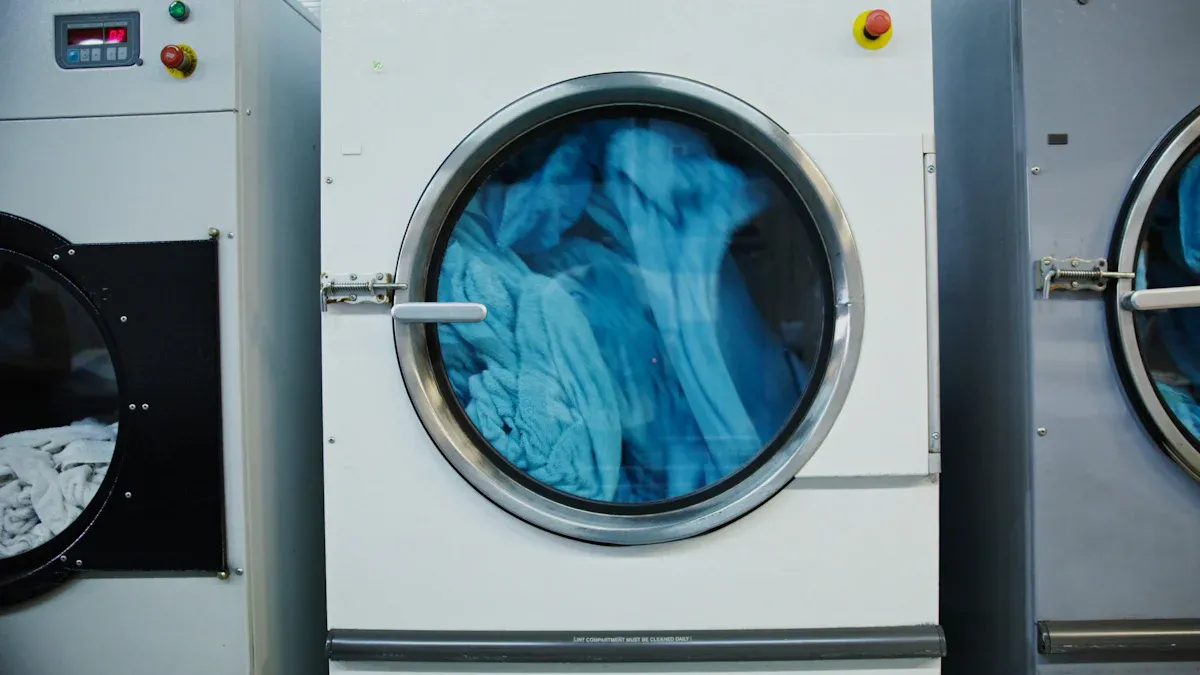
Anti back staining agents do more than just clean a garment. They are essential tools that give denim finishers creative control. These chemicals directly influence the final appearance of the denim, helping to create the specific looks that define modern jeans. Their impact is visible in the texture, fades, and overall quality of the finished product.
Achieving the "Salt and Pepper" Look
The classic "salt and pepper" effect is a key sign of quality denim. This look comes from the sharp visual contrast between the blue warp threads (the "pepper") and the white weft threads (the "salt"). Anti back staining agents are vital for creating this texture. They stop loose indigo from tinting the white weft yarns during washing.
This protection ensures the white yarns stay bright and visible. The result is a fabric with clear texture and depth, rather than a flat, muddy blue.
This clean separation between colors makes the denim look crisp and well-defined.
Enabling High-Contrast Fades
Denim enthusiasts love high-contrast fades. These are the wear patterns that develop over time or are created during production. Common fade types include:
- Whiskers (lines across the lap)
- Honeycombs (creases behind the knees)
- Stacks (ripples near the ankle)
Creating these fades requires aggressive washing, which releases a large amount of indigo dye. Anti back staining chemicals allow laundries to perform these intense washes without fear. The agents wash away the loose dye, preventing it from settling in the faded areas. This makes the light-colored wear marks pop against the dark, un-faded denim.
Preserving Garment Integrity
Ultimately, anti back staining preserves the integrity of the garment's design. A designer envisions a specific look, from the shade of blue to the brightness of the white threads. Back staining can ruin this vision, making a brand-new pair of jeans look old and dirty.
By keeping the colors clean and separate, these agents ensure the final product matches the original design intent. This process protects the garment's aesthetic value from the factory to the store shelf. It guarantees the customer receives a clean, professionally finished product that looks exactly as it should. ✨
The anti back staining process is a critical step in making quality denim. It uses special chemicals to stop loose indigo dye from ruining the white yarns during washing. This action is directly responsible for the clean, high-contrast finish found in premium jeans. Ultimately, this essential technique ensures the final garment meets the high aesthetic standards that brands promise and consumers expect. It is the secret behind a truly professional denim look. 💎
FAQ
Is anti back staining bad for the environment?
Chemical suppliers now offer many eco-friendly options. Modern anti back staining agents are often biodegradable. Laundries also use water treatment systems to clean the water before it leaves the factory. This minimizes the environmental impact of the process. 🌎
Can you prevent back staining at home?
No, this is a professional industrial process. Anti back staining happens during the manufacturing wash cycle using special chemicals and equipment. Home washing does not involve the same aggressive abrasion that causes significant back staining in the first place.
Does this process affect the feel of the denim?
Anti back staining agents do not change the final feel of the fabric. They are designed to wash out completely, leaving no residue behind. The softness of the denim comes from other steps, like stone washing and the use of fabric softeners.
Why not just use less indigo dye?
The deep blue color of denim requires a lot of indigo dye. The dye sits on the surface of the yarn, which is why it fades. Using less dye would result in a lighter, less desirable color and would not eliminate the problem entirely.