How Inline Checkweighers Improve Quality Control
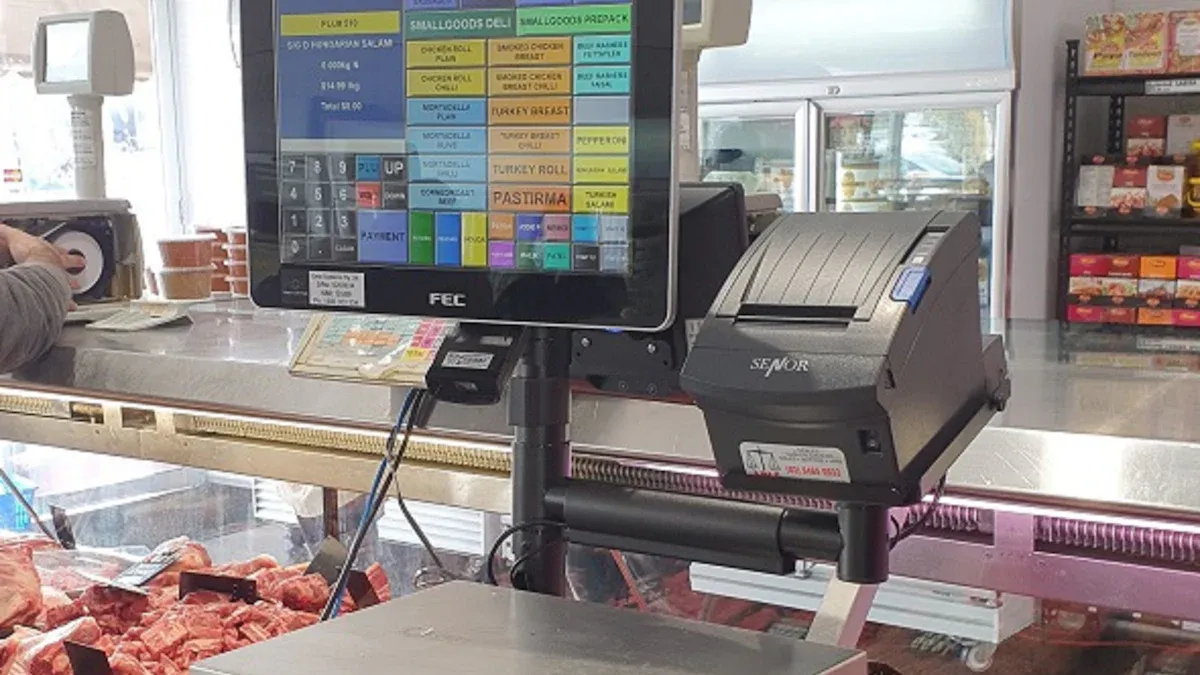
Inline checkweighers are a cornerstone of modern quality control. They automatically verify the weight of every product on a production line. The manufacturing sector is the largest end-user, driving growth in automated inline check weighing systems. A Multi-lane Checkweigher or a High-speed Dual-lane Checkweigher ensures each item meets specifications, enhancing consistency and reducing waste.
Key Takeaways
- Inline checkweighers ensure every product has the correct weight. This helps companies save money and keep customers happy.
- These systems stop companies from giving away too much product. They also reduce waste and the need for manual fixes.
- Checkweighers help companies follow rules and keep good records. This builds trust with customers and protects the brand's name.
Achieve Product Consistency and Maximize Profitability
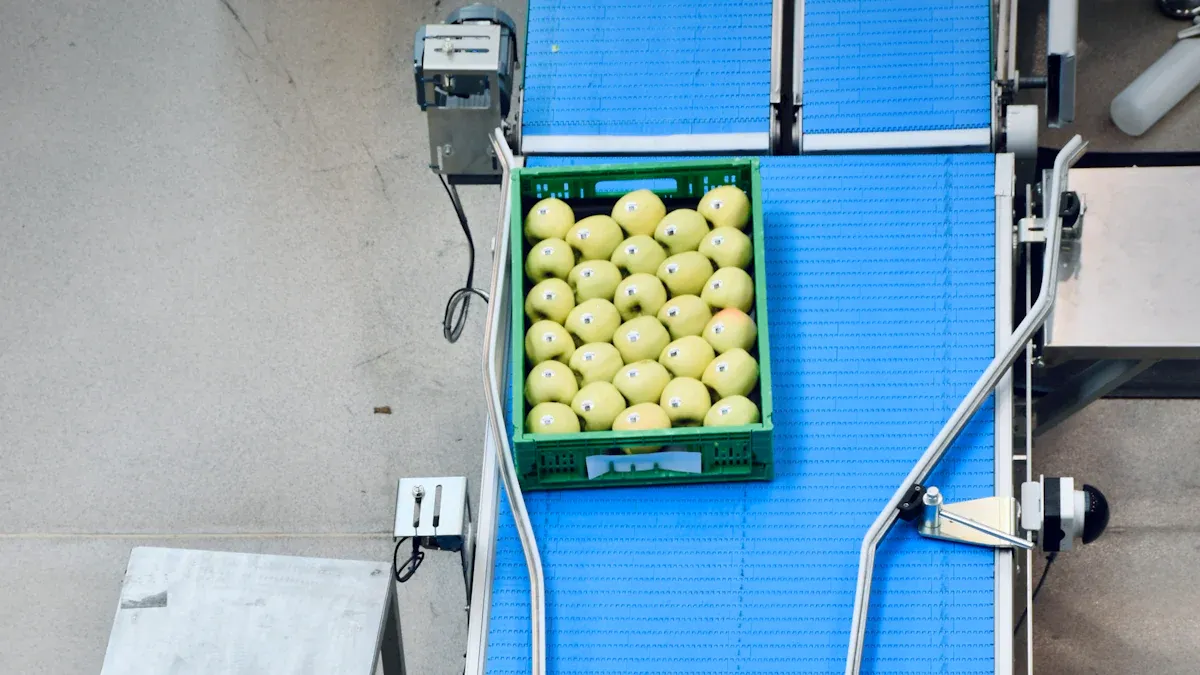
Consistent product quality is the foundation of a successful manufacturing operation. It directly impacts customer satisfaction and financial performance. Companies use inline check weighing systems to control product weight, which is a critical factor in achieving this consistency. This automated control helps businesses maximize their profitability by optimizing every package that leaves the facility.
Guarantee Accurate Product Weight
A primary function of a checkweigher is to ensure every product meets its target weight. Manual spot-checking methods are often slow and unreliable. They inspect only a small fraction of products, leaving room for significant error. Automated systems provide a far more accurate and comprehensive solution.
- Inline checkweighing inspects 100% of products for complete quality coverage.
- Automation provides continuous and precise inspection of every package.
- It eliminates the need for time-consuming manual testing and reduces human error.
These systems do more than just weigh items. They actively improve the filling process itself.
- Real-time weight correction: Checkweighers detect weight trends. They can signal fillers to make immediate adjustments, preventing entire batches from being over or under-filled.
- Automatic rejection: The system automatically removes any item that does not meet weight specifications. This action reduces manual errors and saves valuable time on the production line.
Eliminate Product Giveaway and Overfill
Product giveaway occurs when a package contains more product than stated on the label. While it may seem minor on a per-package basis, this overfill leads to substantial financial losses over time. Precise inline check weighing systems help companies eliminate this hidden cost. By ensuring each package is filled to the exact target weight, manufacturers stop giving away free product and protect their profit margins.
Note: Even a tiny overfill of just one gram per package can result in thousands of dollars in lost product annually for a high-volume production line. Controlling this giveaway directly boosts the bottom line.
Reduce Material Waste and Rework
Catching weight errors early in the production process is crucial for efficiency. When an improperly weighed product continues down the line, it often requires manual rework to correct. This process wastes materials, consumes valuable labor hours, and slows down production. Implementing a checkweigher provides an immediate solution by identifying and removing non-conforming products instantly.
The impact on labor costs and efficiency can be dramatic. Data shows significant improvements after companies integrate these systems.
| Metric | Before Checkweigher Implementation | After Checkweigher Implementation |
|---|---|---|
| Rework Hours Reduction | N/A | Up to 75% |
| Labor Cost Savings (per year) | N/A | Up to $100,000 |
This impressive reduction in rework is possible because checkweighers streamline the quality control process in several key ways:
- Minimized Manual Rework: The system catches errors early. This greatly reduces the need for employees to manually open, adjust, and repackage products.
- Improved Efficiency: The automated process frees up labor. Staff can then focus on more productive tasks instead of performing manual checks.
- Reduced Overfilling: Precise portion control minimizes product giveaway. It also reduces the need for manual adjustments to correct overfilled packages.
Strengthen Compliance and Protect Brand Reputation
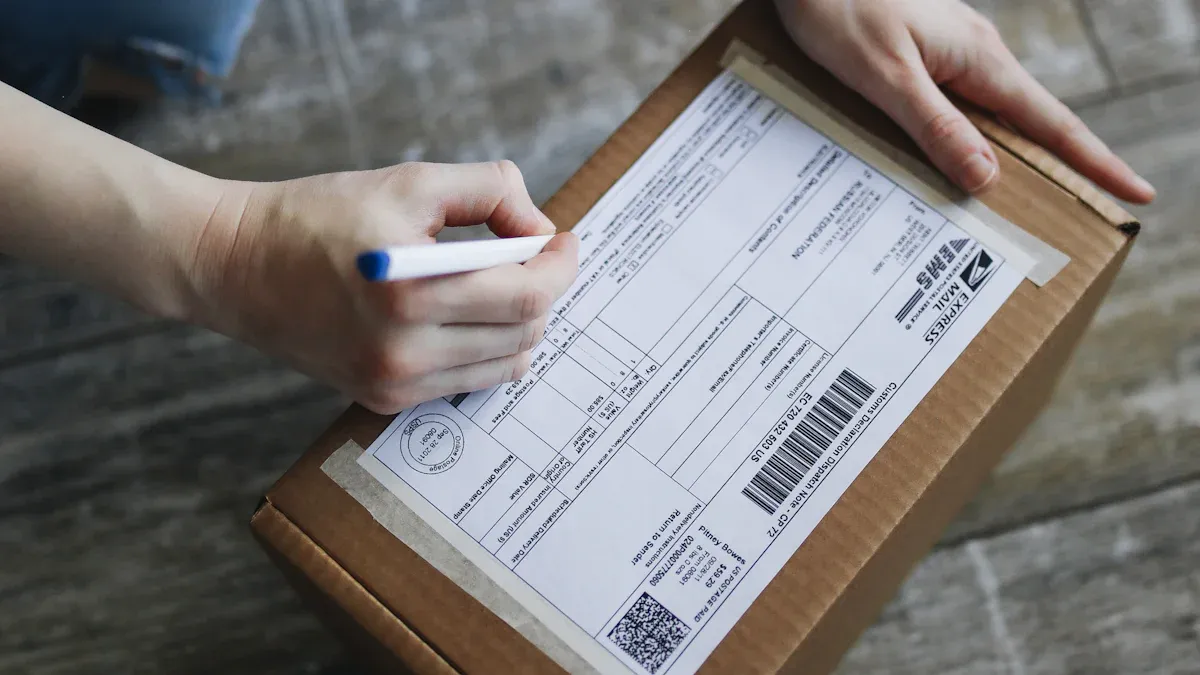
Beyond improving profitability, a robust quality control process is essential for regulatory adherence and brand protection. Inaccurate product weights can lead to legal penalties and damage a company's public image. Inline checkweighers provide the tools needed to automate compliance, maintain detailed records, and build the customer trust that underpins a strong brand.
Automate Regulatory Compliance with Inline Check Weighing Systems
Meeting government regulations is a non-negotiable aspect of manufacturing. Laws often dictate that the net content of a package must match the amount stated on the label. Manual checks are insufficient for guaranteeing compliance across thousands of units. Automated inline check weighing systems offer a reliable solution. They inspect 100% of products, ensuring each one adheres to legal standards.
The FTC Fair Packaging and Labeling Act, regulated by both the FDA and FTC, requires accurate labeling. Checkweighers help companies comply with this act by preventing the regular production of underweight products, which can lead to significant penalties.
Modern systems do more than just weigh products. They integrate directly into the factory's digital ecosystem. These checkweighers act as smart components, not standalone machines. They communicate with Programmable Logic Controllers (PLCs) and factory software. This connection allows them to exchange real-time information with other equipment, like fillers and labelers. If a filler starts dispensing too much product, the checkweigher can send a signal to correct it instantly. Enterprise software solutions, such as Myrias®, capture this data, allowing managers to monitor processes and generate compliance reports with ease.
Maintain Verifiable Quality Control Data
Proof of quality is just as important as the quality itself. In the event of an audit or a customer complaint, companies must provide evidence of their quality control measures. Checkweighers automatically create a detailed digital record for every item that passes over them. This data serves as a verifiable audit trail.
These systems capture a wide range of critical information, including:
- Individual product weights
- Date and time of production
- Specific batch numbers
- Weight of packaging components like bottles or cartons
This real-time data collection is crucial for process optimization. By analyzing historical weight data, managers can identify patterns and predict potential issues before they cause major disruptions. For example, data can reveal:
- Trends of slight weight variations that point to a machine needing calibration.
- How the operation of one piece of equipment affects another down the line.
- Root causes of rejected products, enabling precise and limited product holds.
Intelligent inline check weighing systems use this information for predictive maintenance and continuous improvement. They can automatically fine-tune upstream equipment, ensuring the entire production line runs with maximum efficiency and consistency.
Build Customer Trust and Brand Loyalty
Customers expect to receive exactly what they pay for. A product that is underweight feels deceptive, while inconsistent quality erodes confidence. Product consistency is a key driver of customer satisfaction. Statistical analysis shows a clear correlation between product attributes and customer experience scores. For instance, studies link higher product performance and durability to better satisfaction ratings. Consistent weight is a fundamental product attribute that directly shapes this perception.
Transparency in the manufacturing process further strengthens this trust. Consumers today want to know how their products are made. When a company can demonstrate a commitment to quality with verifiable data, it builds a powerful connection with its customers. Access to quality information, like proof of product testing, has a major impact on purchasing decisions. Surveys show that over 35% of consumers state that such transparency greatly influences their choice to buy a product.
By using inline check weighing systems, companies create a foundation of quality that is both consistent and provable. This commitment to accuracy and transparency shows customers that the brand is reliable. It protects the brand's reputation and fosters the long-term loyalty essential for sustainable success.
Inline checkweighers are an indispensable tool for robust quality control. They directly improve product consistency and profitability. By automating weight verification, these systems ensure regulatory compliance and protect the brand reputation companies work hard to build.
Companies can assess their production lines to identify opportunities for implementing a checkweigher. This step helps elevate quality standards, especially as future systems integrate AI for even greater precision.
FAQ
What is an inline checkweigher?
An inline checkweigher is an automated system. It weighs every product on a production line. This action ensures items meet target weight specifications without stopping production.
How does a checkweigher improve quality?
A checkweigher improves quality. It identifies and removes products that are over or under the target weight. This process guarantees consistent product amounts for customers.
What industries use checkweighers?
Many industries use checkweighers. The food and beverage, pharmaceutical, and cosmetic sectors rely on them. They ensure product accuracy and regulatory compliance in these fields.