What Is Aluminum Nitrate and Is It Explosive? A 2025 Guide
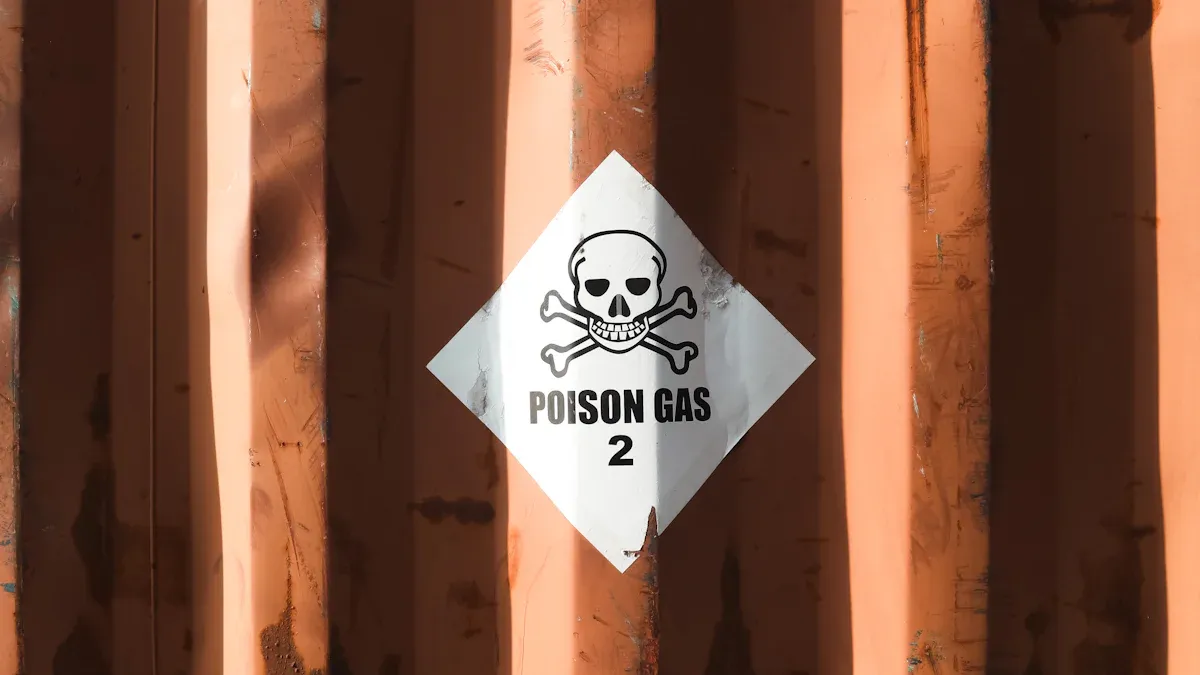
Aluminum nitrate is not explosive by itself. Its primary danger stems from its role as a powerful oxidizer.
This chemical property allows it to create fires or explosive conditions when it contacts combustible materials. Chemists classify this substance as a water-soluble salt formed from aluminum and nitric acid.
The Explosive Risk: An Oxidizer, Not an Explosive

The key to understanding the risks associated with aluminum nitrate is to distinguish between an explosive and an oxidizer. While both can be involved in rapid, energy-releasing events, they function in fundamentally different ways. The substance itself is not the danger; the conditions it creates are.
Understanding Oxidizers vs. Explosives
Explosives are materials that can undergo extremely rapid, self-propagating decomposition to produce large volumes of gas and heat. An oxidizer is a chemical that provides oxygen to make other materials burn more readily.
Think of it like a campfire. You need three things: fuel (wood), heat (a match), and an oxidizer (oxygen from the air).
- An explosive is like having the wood, the match, and a highly concentrated form of oxygen all packed into a single log.
- An oxidizer is like a canister of pure oxygen that you can spray on the fire, making it burn much hotter and faster.
This table breaks down the core differences:
| Feature | Explosive (e.g., TNT) | Oxidizer (e.g., Aluminum Nitrate) |
|---|---|---|
| Composition | Contains its own fuel and oxidizer. | Provides oxygen to a separate fuel. |
| Primary Hazard | Detonation from shock or heat. | Intensifies fires; creates explosive mixtures. |
| Behavior Alone | Unstable; can explode by itself. | Stable; does not burn or explode alone. |
| Energy Release | Self-contained and instantaneous. | Depends on the presence of fuel. |
Conditions That Create Fire and Explosion Hazards
Aluminum nitrate becomes a significant hazard when it comes into contact with incompatible materials. Its power as an oxidizer means it can initiate or accelerate combustion dramatically, sometimes to the point of explosion.
Key hazardous conditions include:
- Mixing with Combustible Materials: This is the primary risk. Contact with substances like wood, paper, oils, solvents, powdered metals, or organic chemicals can lead to spontaneous ignition.
- Exposure to Heat: While it decomposes at 150°C (302°F), elevated temperatures increase its reactivity. A nearby fire can cause it to release oxygen, making the fire far more intense.
- Friction or Impact: Grinding or impacting a mixture of aluminum nitrate and a combustible substance can provide the energy needed to start a violent reaction.
Safety Alert: The most critical safety protocol is segregation. Always store oxidizers far away from fuels, flammable materials, and heat sources. Never allow these substances to mix.
How It Compares to Known Explosives
To put its risk in perspective, we can compare it to well-known explosive materials.
A high explosive like TNT (Trinitrotoluene) is designed to detonate. It requires a specific shockwave to trigger a near-instantaneous chemical reaction. It does not need external fuel or air.
⚠️ Critical Distinction TNT explodes on its own. Aluminum nitrate helps other things burn or explode.
A more relevant comparison is ammonium nitrate, another strong oxidizer famous for its use in industrial explosives when mixed with fuel oil (ANFO). Both are powerful oxidizers, but they are regulated and handled based on their specific chemical properties. The danger in both cases comes from improper storage or accidental mixing with fuel—not from the chemical in its pure, isolated state. The risk is one of potential, not imminence.
A Guide to Aluminum Nitrate

Understanding the properties and proper handling of aluminum nitrate is essential for anyone working with this chemical. Its utility in various industries is matched by the need for strict safety protocols.
Chemical Properties and Characteristics
This substance presents itself with distinct physical and chemical traits. Professionals should be familiar with its key characteristics to ensure safe and effective use.
- Appearance: It appears as colorless crystals.
- Water Absorption: The crystals are deliquescent, meaning they readily absorb moisture from the air.
- Solubility: It is highly soluble in water and ethanol.
- Thermal Behavior: The material melts at 73.5°C (164.3°F) and decomposes at 150°C (302°F).
- Reactivity: It is a strong oxidizing agent. Its aqueous solution is acidic.
Common Industrial and Commercial Uses
Aluminum nitrate is a versatile chemical that serves multiple functions across different sectors. Its molecular alchemy makes it a valuable component in specialized processes.
This compound acts as a catalyst to speed up chemical reactions. Industries also use it as a mordant to help dyes bind to fabrics. Additionally, it plays a role in certain purification processes.
Safe Handling and Storage Procedures
Strict adherence to safety procedures is non-negotiable. The primary goal is to prevent contact with incompatible materials and ensure a controlled environment.
| Action | Guideline |
|---|---|
| DO ✅ | Store in a cool, dry, well-ventilated area. |
| DO ✅ | Keep containers tightly sealed. |
| DON'T ❌ | Store near combustible materials, fuels, or heat sources. |
| DON'T ❌ | Allow friction or impact with organic matter. |
Health Risks and First Aid Measures
Direct contact with this chemical can pose health risks. Users must wear appropriate personal protective equipment (PPE), including gloves and safety glasses.
The substance is known to cause skin irritation. In case of accidental exposure, immediately flush the affected skin or eyes with plenty of water for at least 15 minutes. Remove contaminated clothing and seek prompt medical attention. Always consult the Safety Data Sheet (SDS) for complete guidance.
Aluminum nitrate serves as a valuable industrial chemical and is not inherently explosive. Its risk profile centers on its function as a powerful oxidizer.
This property demands strict safety protocols. Professionals must use correct handling procedures to prevent fire and health hazards, ensuring safe application across industries.
See Also
Essential Safety Guidelines for Secure Nitric Acid Storage and Handling
Exploring Molybdenum High-Temperature Furnaces: Insights and Innovations for 2025
Professional Guidance for Welding Pass Partition Plates: Techniques and Tips 2025
Understanding 60 Percent Nitric Acid: Its Composition, Properties, and Applications
WT20 Thoriated Tungsten Electrodes: Key Facts for Enhanced TIG Welding Performance