What Is a Sewage Treatment Plant and Its Role in Public Health?
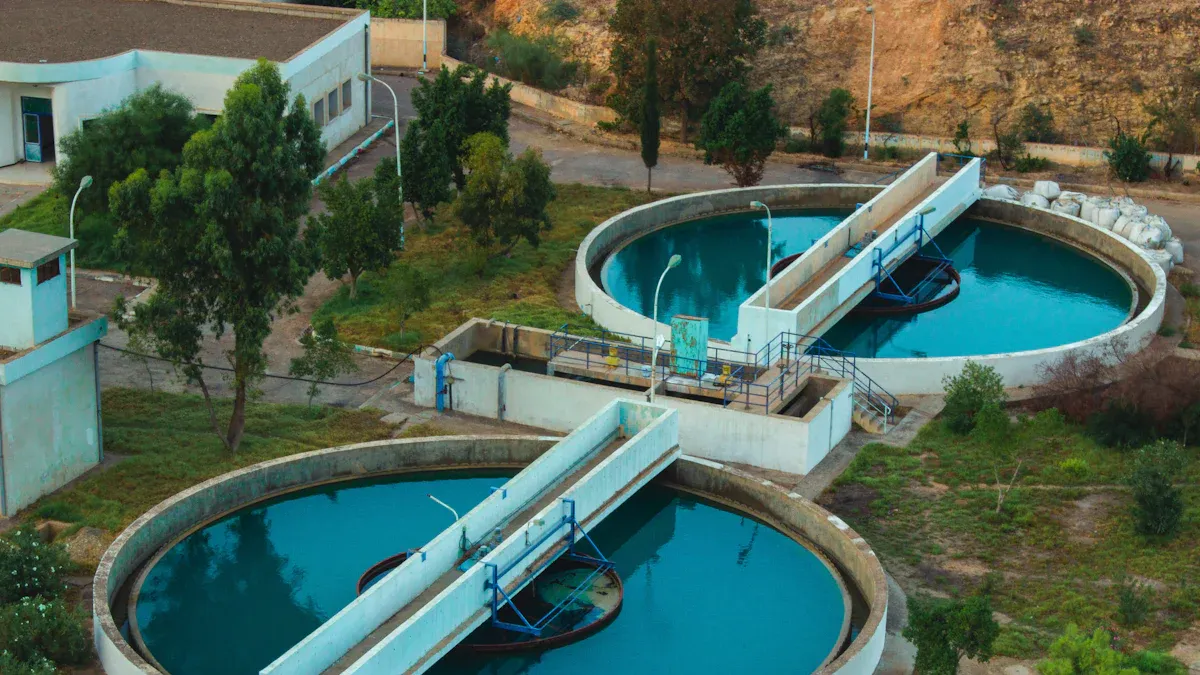
A sewage treatment plant (stp plant) is a facility that removes harmful contaminants from wastewater.
This process is critical for public health. It cleans the water so it can be safely returned to the environment, preventing the spread of waterborne diseases.
Globally, only about 57.9% of domestic wastewater is safely treated, showing how vital each plant is for healthy communities.
Key Takeaways
- A sewage treatment plant cleans dirty water. It removes harmful things from wastewater.
- These plants stop the spread of diseases. They protect our rivers and lakes.
- Cleaned water can be used again. This helps save water for everyone.
How Does a Sewage Treatment Plant Work?
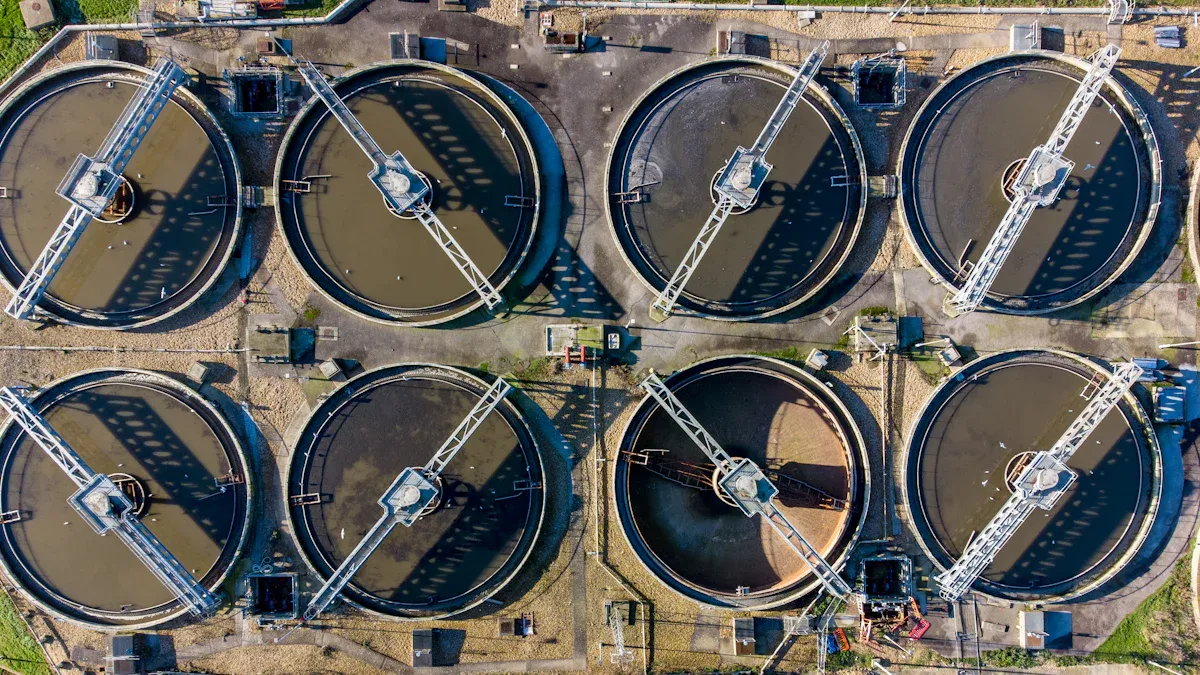
A sewage treatment plant cleans wastewater through a series of carefully designed stages. Each step targets different types of pollutants. The process moves from removing large objects to eliminating microscopic germs. Think of it as an assembly line where water gets progressively cleaner.
Preliminary Treatment: Removing Large Solids
The first step is to remove large items from the incoming wastewater, also known as influent. This stage protects downstream equipment from damage and clogs. The process begins with screening.
Wastewater flows through screens that act like giant strainers. These screens catch trash, rags, plastics, and other debris. Several types of screening equipment are used:
- Bar screens use vertical bars to catch large objects. Some are cleaned by hand, while others are mechanical and self-cleaning.
- Fine screens have smaller openings to capture finer particles.
- Comminutors and grinders may be used after screens. They shred any remaining large solids into smaller, manageable pieces.
After screening, the water enters a grit chamber. Here, the flow of water is slowed down. This allows heavy, inorganic materials like sand, gravel, and coffee grounds to settle to the bottom. Removing this grit is crucial for preventing wear and tear on pumps and pipes. The amount of material removed at this stage is significant.
| Material Removed | Daily Volume (pounds) | For Every 50-60 Million Gallons of Wastewater |
|---|---|---|
| Screenings | 3,000 to 5,000 | 50 to 60 million gallons |
| Grit | 3,000 to 5,000 | 50 to 60 million gallons |
Primary Treatment: Settling Out Solids
Next, the water moves into large tanks called primary clarifiers for its first settling period. In these tanks, the water sits for several hours. Gravity does most of the work here. Heavier organic solids, called sludge, sink to the bottom. Lighter materials like grease and oil, known as scum, float to the top.
A well-operating primary clarifier can remove 40% to 60% of the suspended solids from the water.
The design of these tanks is very important for performance. Many have sloped floors that guide the sludge to a central point for removal. Some advanced designs use inclined plates or tubes, which increase the surface area for particles to settle on. This speeds up the process and makes it more efficient.
Mechanical arms skim the scum from the surface and scrape the sludge from the bottom. This sludge is pumped away for separate treatment, while the partially clarified water moves on to the next stage.
Secondary Treatment: Using Biology to Clean Water
Secondary treatment uses living microorganisms to clean the water. This biological process removes dissolved organic matter that was too small to settle out during primary treatment. The goal is to reduce the Biochemical Oxygen Demand (BOD), which is a measure of how much oxygen is needed to break down organic pollutants. This stage typically removes about 85% of the BOD.
Two common methods are the activated sludge process and trickling filters.
-
Activated Sludge Process: Wastewater enters a large aeration tank filled with a mixture called activated sludge. This sludge is a rich soup of helpful microorganisms, including:
- Bacteria: The primary workers that consume organic pollutants.
- Protozoa: Organisms like Vorticella and Epistylis that feed on bacteria, helping to keep the water clear.
- Rotifers: Microscopic animals that also consume bacteria and small particles. The presence of certain protozoa and rotifers indicates a healthy and stable treatment process. Air is pumped into the tank to provide oxygen for these microbes to thrive and do their job.
-
Trickling Filters: This method involves a bed of media, like rocks or plastic, covered in a slimy layer of microbes called a biofilm. Wastewater is sprayed over the top and trickles down through the media. As it flows, the microbes in the biofilm consume the pollutants.
Modern plants may use more advanced systems like Membrane Bioreactors (MBRs). An MBR combines the activated sludge process with a membrane filtration system, eliminating the need for a secondary clarifier.
| Feature | Membrane Bioreactor (MBR) | Conventional Activated Sludge (CAS) |
|---|---|---|
| Separation | Uses fine membranes as a physical barrier for solids. | Relies on gravity in a large settling tank. |
| Footprint | Very compact, requires much less space. | Needs a large area for settling tanks. |
| Effluent Quality | Produces very high-quality, clear water. | Produces good quality water, but less pure than MBR. |
| Application | Ideal for limited spaces or where water reuse is planned. | Suitable for large facilities with available land. |
Tertiary Treatment: Final Polishing and Disinfection
Tertiary treatment is the final stage. It "polishes" the water to a high standard before it is returned to the environment. This step removes any remaining pollutants, nutrients, and harmful pathogens.
Nutrient Removal Nitrogen and phosphorus are nutrients that can cause algae blooms in rivers and lakes. Stricter environmental rules now require their removal. For example, some EPA standards aim to limit total phosphorus to just 0.5 mg/L in treated water. This is often achieved with biological processes or by adding chemicals like aluminum sulfate or ferric chloride, which cause phosphorus to settle out.
Filtration and Advanced Processes The water may pass through filters with layers of sand and activated carbon to remove any remaining fine particles and chemical compounds. For very difficult-to-remove contaminants, plants may use Advanced Oxidation Processes (AOPs). These high-tech methods use powerful agents to break down pollutants.
- Ozone/Peroxide
- UV/Ozone
- UV/Peroxide
Disinfection The final and most critical step for public health is disinfection. This process kills or inactivates any remaining disease-causing microorganisms. The two most common methods are chlorination and ultraviolet (UV) light.
| Factor | UV Disinfection | Chlorination |
|---|---|---|
| Method | A physical process using light to scramble pathogen DNA. | A chemical process that uses chlorine to kill pathogens. |
| Effectiveness | Excellent against bacteria, viruses, and chlorine-resistant germs like Cryptosporidium. | Very effective against bacteria and viruses but less so for some protozoa. |
| Byproducts | None. It does not add chemicals to the water. | Can create potentially harmful disinfection byproducts (DBPs). |
| Residual Effect | No lasting protection; disinfects only at the point of contact. | Leaves a small amount of chlorine in the water for continued protection. |
After disinfection, the treated water, now called effluent, is clean and safe enough to be discharged into a local river, lake, or ocean.
Why Is an STP Plant Essential for Public Health?
A sewage treatment plant does more than just clean dirty water. It stands as a critical barrier between communities and disease. It also protects the natural world that we depend on. The work done by an stp plant directly supports healthy people, healthy ecosystems, and sustainable communities.
Preventing Waterborne Diseases
Untreated sewage contains dangerous germs, including bacteria, viruses, and protozoa. These pathogens cause serious diseases. When this waste contaminates water sources, it can lead to widespread illness and death. History provides many tragic examples of this danger.
- Cholera Outbreaks: In 1991, a cargo ship released sewage into a harbor in Lima, Peru. The local shellfish became contaminated. This started a cholera epidemic that spread across Central and South America, sickening over one million people.
- Food Contamination: Raw or partially treated sewage is sometimes used to water crops. This practice has led to numerous disease outbreaks. Vegetables, watercress, and shellfish have all been linked to transmitting typhoid fever, hepatitis, and cholera.
- Direct Exposure: Even workers can be at risk. In 2002, a wastewater treatment plant worker in California contracted giardiasis after falling into a tank of untreated wastewater.
The World Health Organization (WHO) directly links sanitation to public health. Poor sanitation is a global crisis with severe consequences.
| Impact Area | Statistic |
|---|---|
| Annual deaths from unsafe sanitation | 564,000 |
| Return on US$1.00 invested in sanitation | US$5.50 |
| Diseases linked to poor sanitation | Diarrhoeal disease, intestinal worms, trachoma, malnutrition |
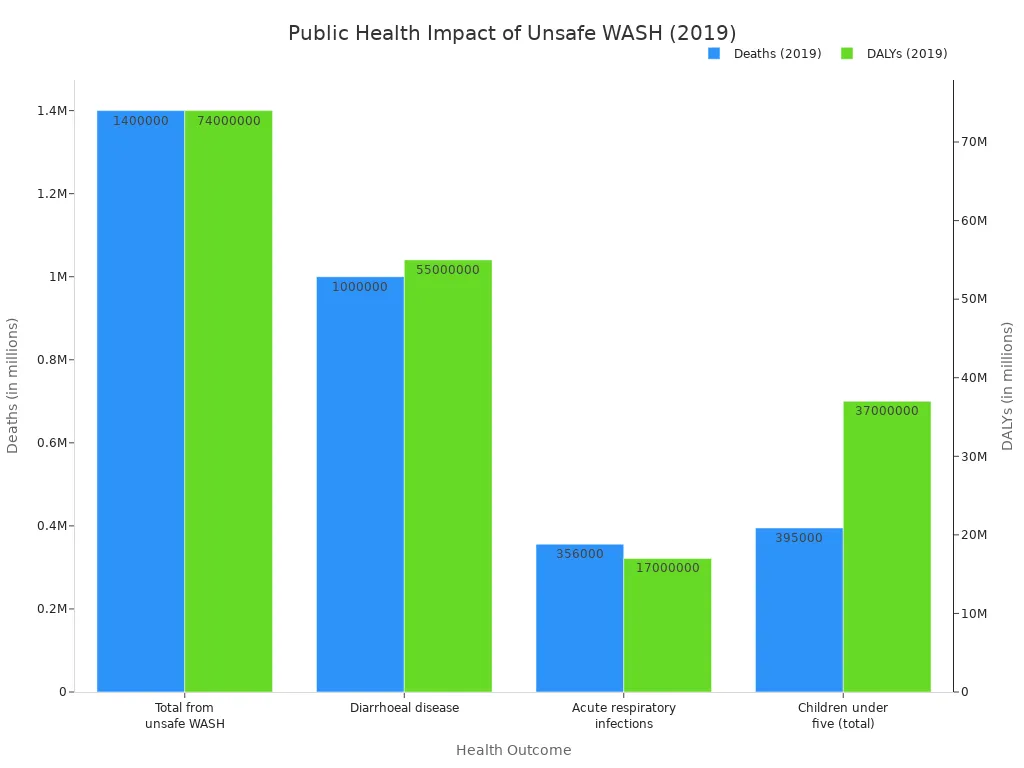
Unsafe water, sanitation, and hygiene (WASH) cause over a million deaths from diarrhoeal disease alone each year. Children are especially vulnerable.
By removing these pathogens, sewage treatment plants break the cycle of disease transmission. They are a cornerstone of modern public health infrastructure.
Protecting Environmental Health
Public health also depends on a healthy environment. Untreated wastewater harms aquatic ecosystems, which can indirectly harm people. A modern stp plant removes the pollutants that cause this damage.
Nutrient Pollution and Dead Zones Sewage is rich in nutrients like nitrogen and phosphorus. What happens when this waste enters our rivers and lakes? The excess nutrients trigger a process called eutrophication.
- The nutrients cause a massive overgrowth of algae, known as an algal bloom.
- These thick blooms block sunlight from reaching underwater plants, causing them to die.
- When the algae die, they sink and decompose. This decomposition process uses up the oxygen in the water.
- The lack of oxygen creates hypoxic conditions. This creates dead zones where fish and other aquatic life cannot survive.
Chemical and Heavy Metal Contamination Industrial wastewater can contain toxic heavy metals. These substances are dangerous even in small amounts.
- Metals like cadmium (Cd), lead (Pb), and arsenic (As) are released into the water.
- They contaminate the water and soil, causing kidney and liver damage in aquatic animals.
- These metals build up in the food chain. An animal eats a contaminated plant, and a larger animal eats that animal. The toxins become more concentrated at each step, eventually reaching wildlife and humans.
The good news is that these effects are reversible. In places like the Chesapeake Bay, upgrading wastewater treatment plants to remove more nutrients has helped reduce dead zones and allowed aquatic life to begin recovering.
Enabling Safe Water Reuse
Water is a limited resource. Sewage treatment plants help us conserve it by turning wastewater into a valuable resource called recycled water. This practice is essential for building resilient communities, especially in dry regions.
A New Source for Agriculture and Industry Treated wastewater provides a reliable water source for farms.
- Israel is a world leader in water reuse. It recycles most of its wastewater, which supplies 40% of the water used for irrigation.
- In the United States, states like California use recycled water to grow food crops, reducing the strain on rivers and groundwater.
Industries also use recycled water. Power plants and refineries need large amounts of water for cooling towers. Using treated wastewater for this purpose saves billions of gallons of fresh water. The water must meet specific quality targets for solids, pH, and hardness to prevent damage to equipment.
From Wastewater to Drinking Water The most advanced form of reuse is potable reuse, which means turning wastewater into drinking water. This process is highly regulated to ensure safety.
Recycled water for drinking must meet the same strict federal standards as any other drinking water source. The World Health Organization provides a framework that regulators use. It sets targets for removing germs, chemicals, and other contaminants.
There are two main types of potable reuse:
- Indirect Potable Reuse: Treated water is released into a river or aquifer. It mixes with the natural water supply before being collected and treated again at a drinking water plant.
- Direct Potable Reuse: Highly treated water is sent directly into a drinking water distribution system or blended with water at a treatment plant.
Cities are already proving this technology works. In Singapore, a high-grade recycled water called NEWater meets about 40% of the country's daily water needs. This shows how a well-run stp plant can create a secure and sustainable water future.
A sewage treatment plant, or stp plant, is a vital public health utility. It systematically cleans wastewater through distinct physical and biological stages. This process removes dangerous pollutants and pathogens. The function of an stp plant is essential for preventing disease outbreaks, protecting natural water sources, and maintaining healthy communities.
FAQ
Do sewage treatment plants smell bad?
Modern plants use advanced odor control technologies. These systems capture and treat smelly gases. This keeps the surrounding air clean and minimizes any unpleasant odors for the community.
What happens to the sludge removed from wastewater?
Sludge is treated to remove pathogens. This process creates biosolids. Biosolids are a nutrient-rich organic material. They can be used as a safe fertilizer for agriculture.
Who pays for sewage treatment?
Local governments or utility districts operate most plants. They fund operations through the sewer fees included in your monthly water bill. This money pays for maintenance and upgrades.
See Also
Boosting System Performance: 2025 Insights on PHE Plate Advantages
Eco-Friendly Heat Exchange: Reducing Environmental Impact with PHE Technology
Industrial Semi-Welded Plate Heat Exchangers: Your 2025 Comprehensive Guide
Hygienic Design Standards: EHEDG Versus 3A SSI Guidelines Comparison
Understanding Plate Heat Exchangers: A Detailed Operational Guide