Why Use a Split Core Current Sensor? A Beginner's Guide
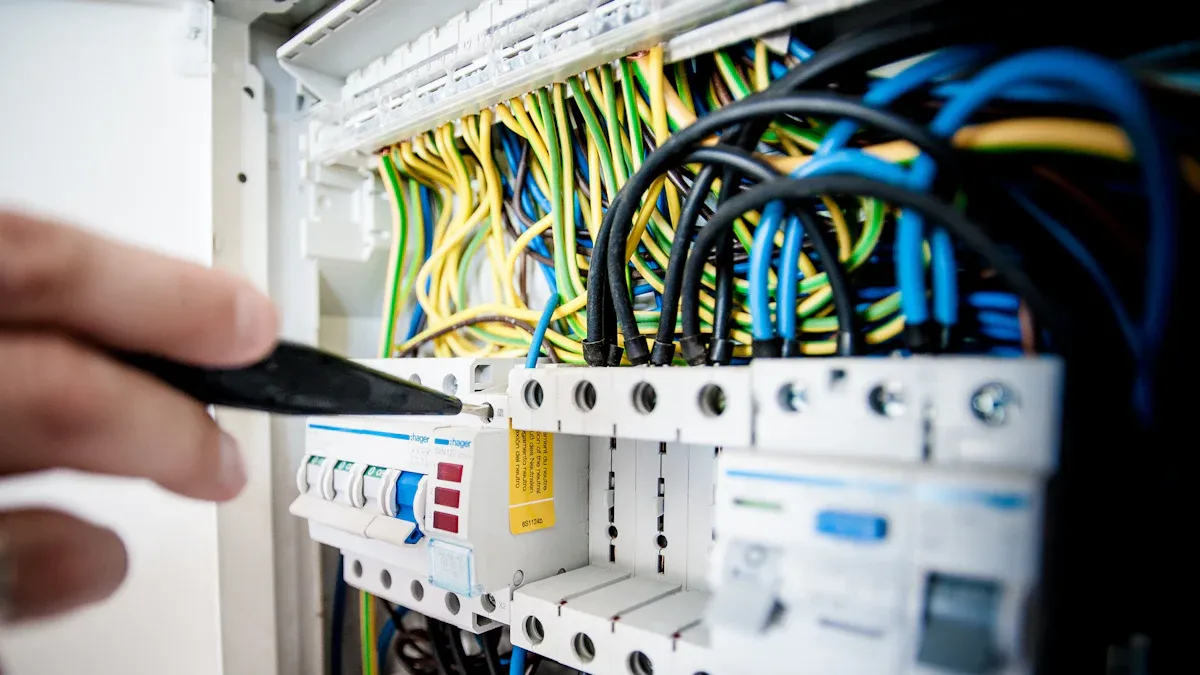
Technicians use a split core current sensor to measure electrical current safely and efficiently. This device eliminates the need to shut down power or cut into live wires during installation. A split core current transformer features a hinged body that simply clamps around an existing conductor.
This non-invasive design makes the split core current transducer an excellent choice for quick installation, especially when retrofitting or monitoring established electrical systems.
Key Takeaways
- Split core sensors measure electricity without turning off power. This saves time and money.
- These sensors are easy to install. You just clamp them around a wire, which makes work faster and safer.
- You can use split core sensors to update old electrical systems. They help monitor energy use without big changes.
- Split core sensors help find problems and check energy use. You can move them around for different tasks.
Reason 1: Avoid Costly Downtime and Operational Interruptions
Time is money, and in the world of electrical systems, downtime is a significant expense. A primary advantage of the split core design is its ability to prevent these costly interruptions.
Install on Live Wires Without Shutdowns
Traditional solid-core sensors require a complete system shutdown. Technicians must disconnect the power conductor and thread it through the sensor's solid ring, a process similar to putting a string through a needle's eye. This action forces a halt to all dependent operations.
A split core current transducer, however, features a hinged body. This design allows a technician to simply open the sensor and clamp it around an active wire. The installation occurs without disrupting the electrical current, completely eliminating the need for a planned power shutdown.
Keep Business-Critical Operations Running
Many industries depend on a constant supply of power for their essential functions. Any interruption can have severe consequences. These sectors include:
- Healthcare: Hospitals require continuous power for life-support systems, patient monitoring, and electronic medical records.
- Data Centers: IT services rely on uninterrupted power to prevent data loss, service outages, and security breaches.
- Manufacturing: Continuous production processes in automotive, chemical, and steel industries cannot afford unexpected stops that disrupt complex operations.
- Financial Institutions: Banks and trading firms need constant uptime to process transactions securely and avoid massive financial losses.
Using a split core sensor for monitoring or retrofitting ensures these critical operations continue running without a pause.
The Financial Benefit of Uninterrupted Power
Avoiding a shutdown directly translates into significant financial savings. Nearly 98% of organizations report that a single hour of downtime costs their business over $100,000. For high-risk industries, these costs escalate dramatically.
| Industry | Average Cost of Downtime Per Hour |
|---|---|
| General Manufacturing | $260,000 |
| Automotive Manufacturing | Over $2 million |
| Energy and Utilities | $2.5 million |
By enabling installation on live systems, the split core current transducer helps companies sidestep these enormous potential losses, making it a financially sound choice for any facility manager.
Reason 2: Achieve Fast, Simple, and Safe Installation
Beyond preventing downtime, the split core current sensor streamlines the entire installation process. Its design prioritizes speed, simplicity, and technician safety from start to finish.
A Simple Clamp-On Design
The core of the sensor's efficiency lies in its intuitive design. A split core current transducer features a hinged or detachable body that opens, fits around a conductor, and securely latches shut. This process is straightforward and requires minimal training.
Many models enhance this simplicity with tool-free features like push-button mechanisms. This allows a single technician to complete the installation without needing to cut cables or remove terminal blocks, making it perfect for retrofit projects.
Drastically Reduce Labor Time and Costs
The clamp-on method significantly shortens project timelines. A traditional solid-core installation is a multi-step process involving shutdowns, wire disconnection, and re-termination. In contrast, a split core installation can reduce labor time by up to 80%.
This time savings directly lowers project expenses. A licensed electrician can charge between $75 and $135 per hour, and complex jobs often require a full team. By simplifying the task, a split core sensor reduces the hours and personnel needed, leading to substantial cost reductions.
Minimize Electrical Hazards
Working with electricity always carries inherent risks. The non-invasive nature of a split core sensor is a major safety advantage. Technicians can install the device without making direct contact with energized conductors, greatly reducing the risk of arc flash or electric shock.
This approach aligns with modern safety standards. For example, many sensors are certified to UL 2808, a standard for retrofit energy monitoring equipment mandated by the National Electrical Code (NEC). This certification ensures the device is safe for field installation. The process mirrors safety principles found in NFPA 70E, which promotes non-invasive methods to verify system status and minimize worker exposure to electrical dangers.
Reason 3: Upgrade and Monitor Existing Systems with Ease
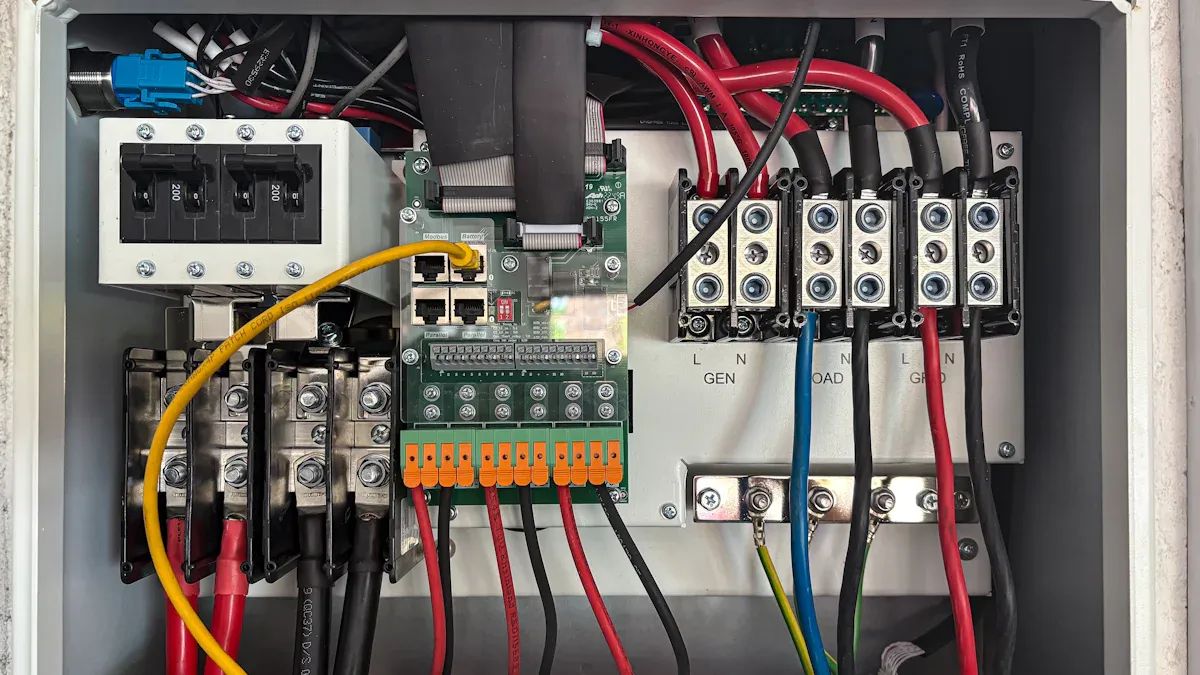
The simple installation of a split core sensor makes it the perfect tool for modernizing existing electrical infrastructure. Facility managers can add advanced monitoring capabilities to older buildings and equipment without the need for extensive and costly rewiring projects.
The Ideal Split Core Current Transducer for Retrofitting
Retrofitting involves adding new technology to older systems. A split core current transducer is specifically designed for this purpose. Its technical features provide the flexibility needed to integrate with a wide variety of existing setups. Key specifications include:
- Field-Selectable Ranges: Technicians can use preset slide switches to select the correct amperage range (e.g., 0-100A, 0-150A) on-site, ensuring high-resolution data.
- Standardized Outputs: These sensors provide common outputs like 0-5 VDC or 4-20 mA, making them compatible with most data loggers, energy meters, and building management systems.
- Self-Powered Operation: Many models draw power directly from the conductor they are measuring, which eliminates the need for an external power supply and simplifies the installation process further.
Add Sub-Metering to Any Building
Sub-metering allows property managers to measure energy consumption for individual tenants, departments, or even specific pieces of equipment. This practice was once difficult to implement in existing buildings. Split core sensors change that by enabling a straightforward, non-invasive way to add meters to any circuit.
Sub-metering provides precise, real-time power usage data. This information allows management to bill tenants accurately and diagnose unusual energy consumption spikes quickly, leading to significant operational cost reductions.
By identifying exactly where energy is used, building operators can optimize HVAC systems, promote environmental sustainability, and make informed decisions about future energy-saving investments.
Monitor Legacy Equipment Without Major Rewiring
Many facilities rely on older, "dumb" industrial equipment that lacks built-in digital monitoring. These machines are often critical to operations but offer no insight into their performance or status. Split core sensors provide a simple solution.
A sensor clamped onto the power line of a motor or pump can track its current draw. A consistent current reading shows the machine is operating normally. If the current suddenly drops from 80A to 20A or to zero, it immediately alerts managers to a potential malfunction or shutdown. This method brings modern predictive maintenance capabilities to legacy assets without requiring a complete system overhaul.
Reason 4: Gain Unmatched Flexibility for Diagnostics and Audits
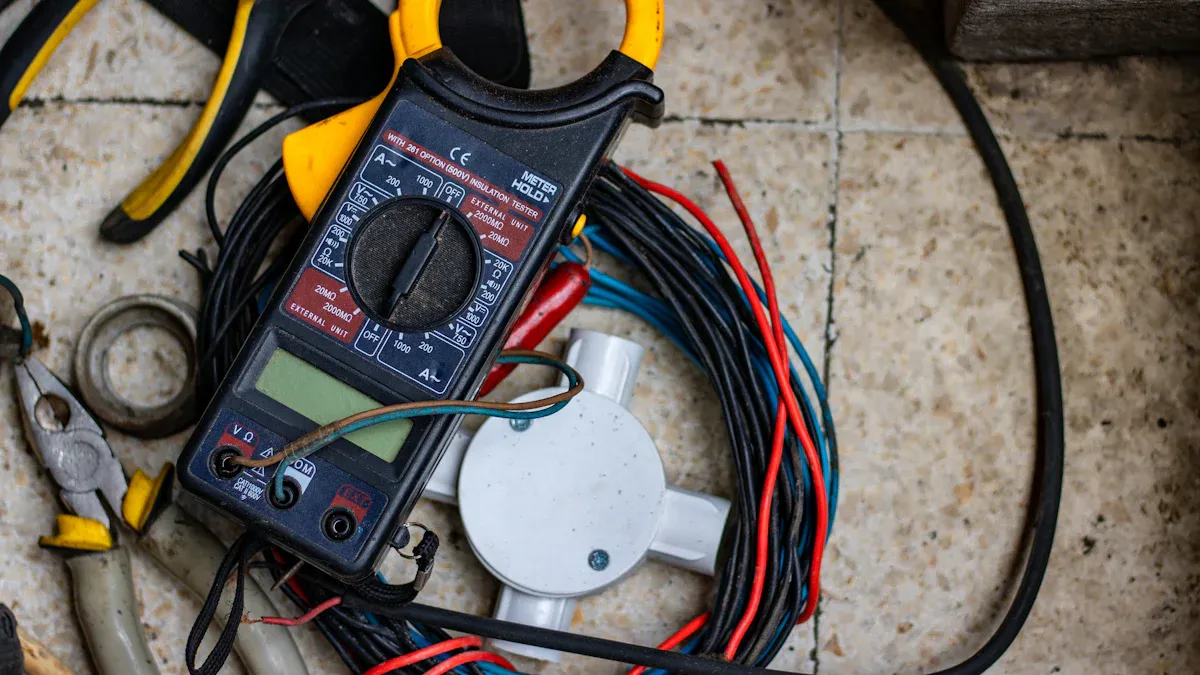
The non-invasive nature of a split core sensor provides unmatched flexibility for temporary tasks like energy audits and electrical troubleshooting. Its design allows for quick deployment, data collection, and removal, making it an essential tool for proactive facility management.
Perfect for Temporary Energy Audits
Energy audits are critical for identifying waste and improving efficiency. Auditors need to collect precise data, often from multiple circuits, to make accurate recommendations. The standard audit process involves:
- Preparation: Gathering historical utility bills and facility data to establish a baseline.
- Data Collection: Conducting an on-site walkthrough to inspect systems and measure real-time energy consumption.
During the data collection phase, auditors can temporarily clamp split core sensors onto high-consumption circuits like HVAC units or production lines. This provides the granular, real-time data needed for a detailed Level 2 or Level 3 audit without any system modifications.
Simplify Troubleshooting and Data Collection
When a machine malfunctions, technicians need to diagnose the problem quickly. A portable Split Core Current Transducer simplifies this process by allowing technicians to check a circuit's current draw without cutting power. An abnormal reading can instantly point to a specific electrical fault. Common issues diagnosed this way include:
- Overload conditions
- Ground faults
- Motor bearing degradation
- Insulation deterioration
This ability to gather live data from any point in the system helps maintenance teams isolate issues faster, reducing diagnostic time and minimizing equipment damage.
Move and Reuse Sensors as Needed
Unlike permanently installed solid-core sensors, split core models are not fixed to a single location. A facility can invest in a set of sensors and use them for various tasks across the entire site. A technician can use the same sensor to perform a spot-check on a motor in the morning and then move it to monitor a lighting panel in the afternoon. This reusability makes the sensor a highly cost-effective diagnostic instrument, maximizing its value and utility for ongoing maintenance and energy management programs.
A split core current sensor is the superior choice for non-invasive, safe, and cost-effective current measurement. Its key advantage is the ability to eliminate operational downtime and avoid complex installation procedures.
These benefits establish the split core sensor as an indispensable instrument for modern energy management, especially in live-system applications and retrofit projects. This makes it a vital tool for any facility manager or technician focused on efficiency and safety.
FAQ
Are split core sensors as accurate as solid core sensors?
Solid core sensors generally offer slightly higher accuracy due to their gapless core design. However, modern split core models provide excellent accuracy, typically within 1%, which is sufficient for most energy monitoring and sub-metering applications. The minor trade-off is often worth the installation benefits.
What is the difference between a current sensor and a current transducer?
A current sensor detects electrical current and produces a basic output. A current transducer also detects current but converts it into a standardized, amplified signal (like 4-20 mA or 0-5 VDC). People often use the terms interchangeably in the industry.
Can a split core sensor measure DC current?
Most standard split core current sensors are designed to measure Alternating Current (AC) only. Technicians must use a specific type of sensor, typically one based on the Hall Effect principle, to measure Direct Current (DC) circuits found in solar or battery systems.
When should someone choose a solid core sensor instead?
A solid core sensor is the preferred choice for new construction projects where technicians can easily thread wires before powering up the system. It is also ideal for applications demanding the highest possible accuracy, such as in laboratory equipment or precision billing systems.
See Also
Innovative Current Transformer Solutions Revolutionize Smart Metering Technology
Essential Guide for Novices: Choosing the Right Power Transformer
Boosting Precision: Manganin Copper Shunts Enhance Metering System Accuracy
Advanced Micro-Channel Technology for Hydrogen Fuel Cell Heat Exchanger Efficiency
Understanding Plate Heat Exchangers: A Comprehensive Step-by-Step Operational Guide