Hydraulic Drilling Rigs A Complete Beginner's Guide
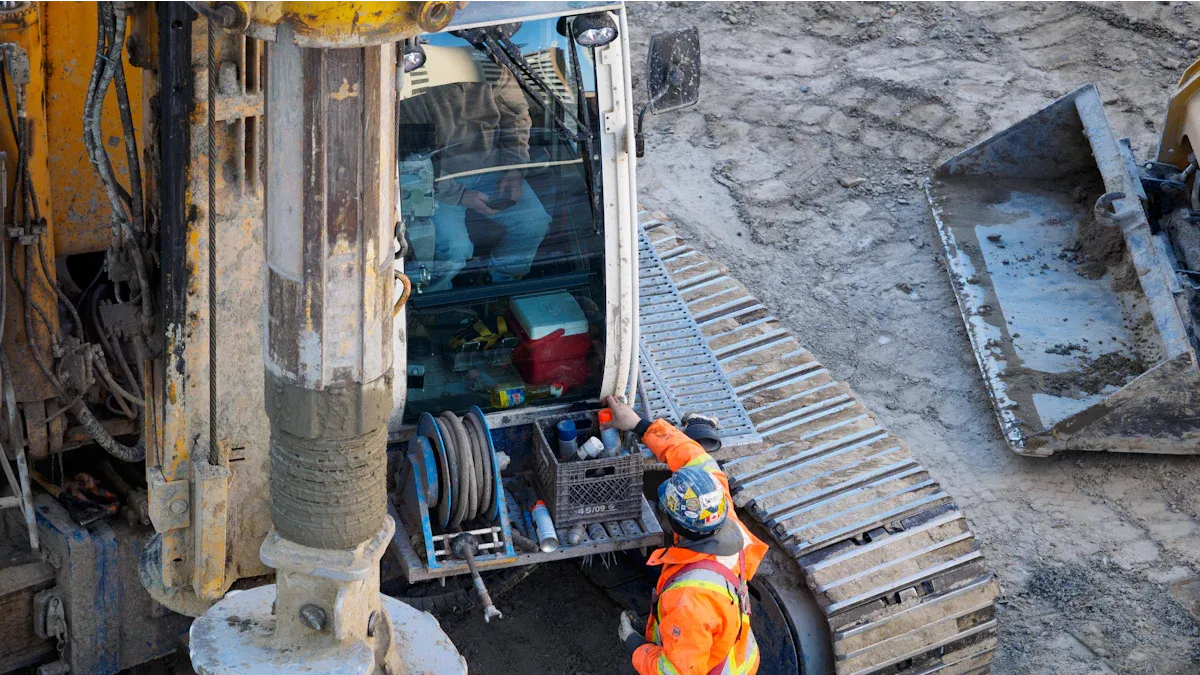
A hydraulic drilling rig is a machine that uses a pressurized fluid system to power its drilling mechanism. This system provides powerful and precise control over the entire drilling process. Its role as a cornerstone of modern operations is reflected in the growing global market:
| Metric | Value |
|---|---|
| Market Size (2023) | USD 3.5 billion |
| Projected Market Size (2032) | USD 5.9 billion |
| CAGR (Forecast Period) | 6.1% |
Key Takeaways
- A hydraulic drilling rig uses fluid under high pressure to drill. This system gives it great power and control.
- The rig has a hydraulic system that creates power and a drilling part that uses it. It can twist the drill bit and push it down.
- These rigs are strong, precise, and can do many jobs. They are used for water wells, building foundations, and finding minerals.
What is a Hydraulic Drilling Rig and How Does It Work?
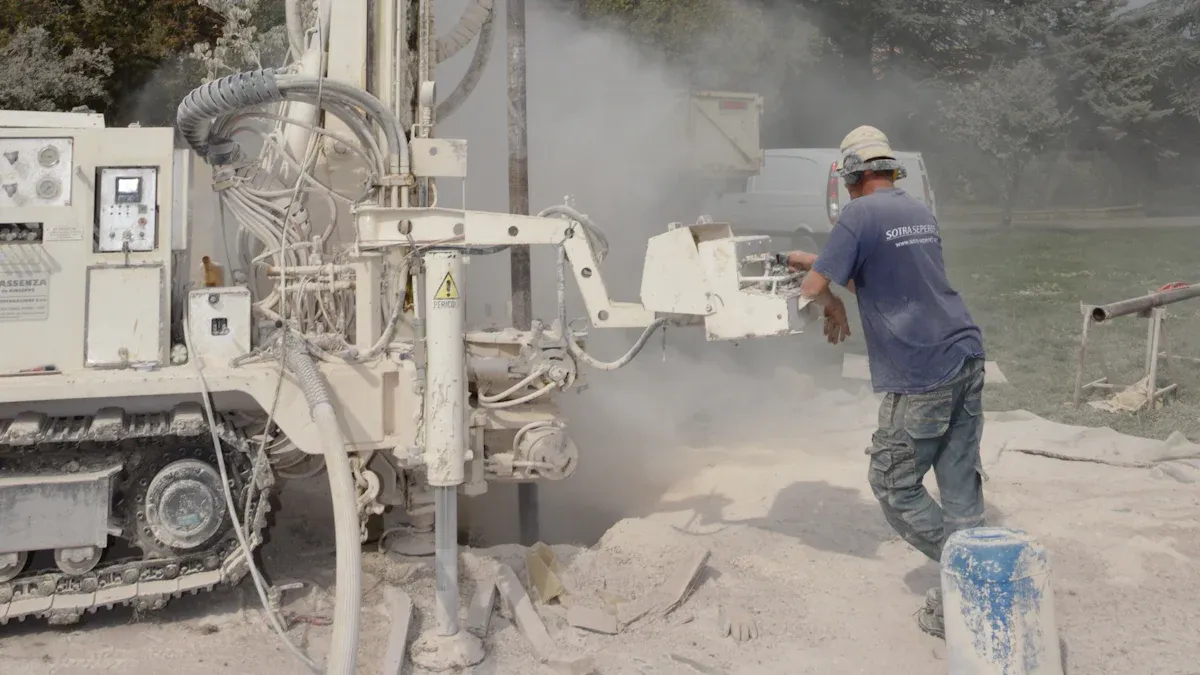
A hydraulic drilling rig operates on a simple yet powerful concept. It uses a special fluid under high pressure to generate and control the immense force needed for drilling. This process involves two primary functions: the hydraulic system that creates the power and the drilling action that applies it.
The Hydraulic System
The hydraulic system is the heart and muscle of the machine. It takes mechanical power from an engine and converts it into fluid power. A pump pushes hydraulic fluid through a network of hoses and valves to various components. This pressurized fluid is the lifeblood that enables every movement. The entire system operates on four fundamental principles of fluid dynamics:
- Pascal's Law: This law explains how hydraulics multiply force. Pressure on a trapped fluid spreads out evenly in all directions. This allows a small force applied to the fluid to create a much larger output force, giving the rig the strength to push, pull, and rotate heavy components.
- Flow Rate: This is the speed at which the fluid moves. A high flow rate results in faster machine movements, like quickly raising the drill mast. A lower flow rate provides more delicate and precise control for careful adjustments.
- Viscosity: This term describes the fluid's thickness or resistance to flow. Engineers select fluids with a specific viscosity. The right thickness ensures the system builds pressure effectively without being too sluggish and inefficient.
- Friction Losses: Hydraulic fluid faces resistance as it moves through pipes and fittings. This resistance causes pressure drops and energy loss. Efficient designs use smooth, correctly sized pipes to minimize this friction and maintain the system's power.
💡 A Note on Maintenance A powerful hydraulic system requires consistent care to perform safely and efficiently. Operators perform daily checks to maintain the rig's health. Key maintenance tasks include:
- Inspecting for Leaks: Regularly checking all hoses, connections, and cylinders for fluid leaks.
- Checking Fluid Levels: Ensuring the hydraulic fluid is at the correct level and free from contamination.
- Replacing Filters: Changing filters at scheduled intervals to prevent clogs that restrict fluid flow.
- Testing Pressure Levels: Monitoring system pressure to confirm it meets operational standards, as changes can signal a problem.
The Drilling Action
The hydraulic system powers the two critical forces of the drilling action: rotational force (torque) and downward force (pull-down). A hydraulic drilling rig masterfully combines these forces to break through soil and rock.
The first force is torque, which is the twisting power that spins the drill bit. The hydraulic motor generates this essential rotational energy.
- Pressurized drilling fluid flows into the motor's power section.
- This section contains a rotor and a stator. The fluid's pressure forces the rotor to move in a unique wobbling motion inside the stator.
- A connecting rod assembly converts this wobbling into a smooth, concentric rotation.
- This assembly transfers the powerful rotation to a strong steel drive shaft.
- Finally, the drive shaft delivers consistent, high-torque rotation directly to the drill bit, enabling it to cut into the ground.
The second force is pull-down, which is the downward pressure applied to the drill bit. The weight of the drill string alone is often not enough. The hydraulic system provides the extra force needed for effective drilling.
- A powerful hydraulic cylinder, controlled by the operator, extends a piston rod.
- This rod pushes a set of pulleys, known as a running pulley block.
- A system of strong cables connects this pulley block to the drill string's swivel.
- As the pulley block moves downward, it pulls on the cables, exerting a strong, controlled downward force on the entire drill string and bit.
By precisely managing both torque and pull-down, operators can adapt to changing ground conditions and drill with remarkable efficiency and control.
Key Components and Main Types
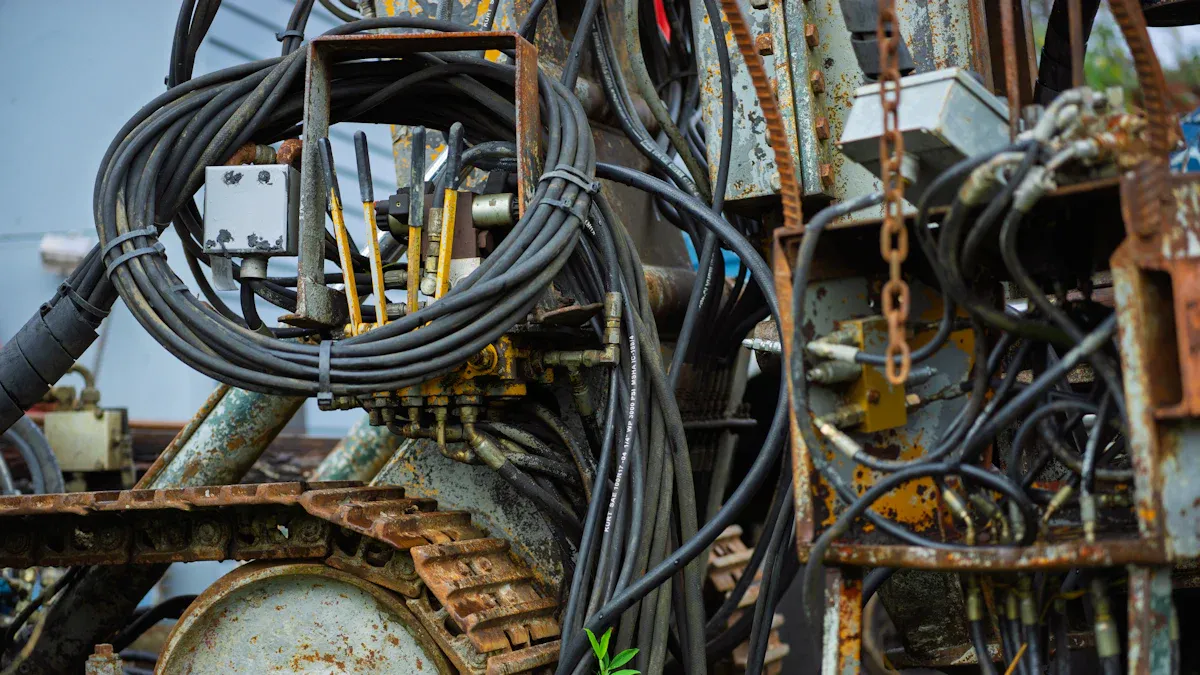
A hydraulic drilling rig is a complex machine built from several critical components. Its design also varies widely depending on its intended application. Understanding these parts and types reveals how this technology is adapted for different tasks.
Power Unit (Engine & Hydraulic Pump)
The power unit is the rig's prime mover. It consists of an engine, often a diesel model with ratings like 58 horsepower, that provides mechanical power. This power drives the hydraulic pump. The pump then converts the mechanical energy into hydraulic energy by creating a vacuum to draw fluid from a reservoir and force it under pressure into the system.
Drill Head/Top Drive
The drill head, or top drive, is a powerful hydraulic motor. It sits at the top of the drill string. Its primary function is to provide continuous rotation and apply torque directly to the drill bit, enabling it to cut through earth and rock efficiently.
Drill Mast
The drill mast serves as the rig's structural backbone. This reinforced steel tower supports the entire drilling assembly, including the top drive and drill string. Its design allows for the hoisting of heavy loads and can often be adjusted for angled drilling.
Control Panel
The control panel is the rig's nerve center. From here, an operator manages all drilling functions, such as rotation speed and downward force. It also integrates critical safety features, including Emergency Shutdown (ESD) systems that ensure fail-safe operation.
Water Well Rigs
These rigs are specifically designed to drill for groundwater. Their capacities vary, with models capable of reaching depths from 200 feet to over 1,000 meters to access clean water sources.
Geotechnical Rigs
Geotechnical rigs investigate ground conditions for construction and engineering projects. They often include specialized features like a centerline head side shift, which simplifies soil sampling procedures like the Standard Penetration Test (SPT).
Mining Rigs
Mining operations use robust rigs for mineral exploration and creating blast holes. These machines are built to withstand harsh environments and operate continuously for long periods.
Construction (Piling) Rigs
In construction, these rigs are used to install foundation piles. Their advanced hydraulic controls allow for the precise and efficient drilling of holes required to create stable building foundations.
Advantages and Common Applications
Hydraulic rigs offer significant advantages in power and control, making them essential across many industries. Their design leads to superior performance, while their adaptability allows them to handle diverse applications, from providing clean water to supporting massive infrastructure.
Powerful and Efficient
Hydraulic systems deliver exceptional power. They generate more force than pneumatic rigs and have fewer moving parts than mechanical systems, which reduces maintenance needs. This efficiency is clear when comparing power sources; for example, a 13-hp hydraulic pack can match the performance of a 60-hp air compressor.
Precise Control
Operators gain exact command over drilling operations. Using advanced controls like electrohydraulic valves, they can make fine adjustments to rotation speed and downward pressure. This precision ensures smooth, consistent performance and high-quality results.
Versatile and Adaptable
These rigs adapt to various job requirements. They can be fitted with numerous attachments, including:
- Auger drives for drilling holes
- Rotary heads for screwing in piles
- Core barrels for sample extraction
This flexibility allows one machine to perform many different tasks.
Compact and Safer Design
Many rigs feature a modular or truck-mounted design. This compact footprint allows for easier transport and operation in confined or remote locations. The enclosed hydraulic system also has fewer external moving parts compared to mechanical rigs, which enhances operator safety.
Water Well Installation
Drilling for groundwater is a primary application. Operators use the rig to create a borehole, then install a steel or PVC casing to prevent collapse. The well is then sealed with grout to protect the water source from surface contamination.
Foundation Building
In construction, these rigs drill deep holes for foundation piles. Their power is essential for creating stable foundations for large structures like high-rise buildings and bridges, even in difficult ground conditions with both soft clay and hard rock.
Mineral Exploration
A hydraulic drilling rig plays a vital role in mining. Its immense power allows it to penetrate hard rock formations to great depths. This capability is necessary for extracting core samples that geologists analyze for mineral deposits.
Soil Sampling
For geotechnical projects, engineers need to understand ground conditions. Rigs use specialized tools like Shelby tube samplers to collect undisturbed soil samples, providing critical data for safe and effective construction planning.
Hydraulic drilling rigs are powerful, versatile machines essential across many industries. They enable critical work, from accessing clean water to building stable foundations. The industry continues to evolve with innovations like automation, data analytics, and eco-friendly designs, promising a more efficient and sustainable future for drilling operations.
FAQ
What makes a hydraulic rig a safe machine?
Hydraulic rigs have enclosed systems with fewer external moving parts than mechanical rigs. They also include critical safety features like Emergency Shutdown (ESD) systems for immediate stops.
How often do operators perform maintenance?
Operators perform daily visual inspections for leaks and damage. They also follow manufacturer schedules for major services. This routine ensures the rig’s long-term health and optimal performance.
What type of fluid powers a hydraulic rig?
These rigs use a specialized hydraulic oil. Engineers select it to transfer power efficiently, lubricate parts, and resist heat. This ensures reliable performance under high pressure.
See Also
Top 5 Applications for Single Stage Rotary Vane Vacuum Pumps
Essential Guide: Frame Plate Kits for Automotive Reinforcement Explained
Expert Guide Bar Tips for Effortless and Efficient Cutting
Understanding Nozzle Solutions: A Comprehensive Guide for Diverse Applications
Demystifying Plate Heat Exchangers: A Detailed Operational Breakdown