Understanding Household Sewage Treatment The Basics
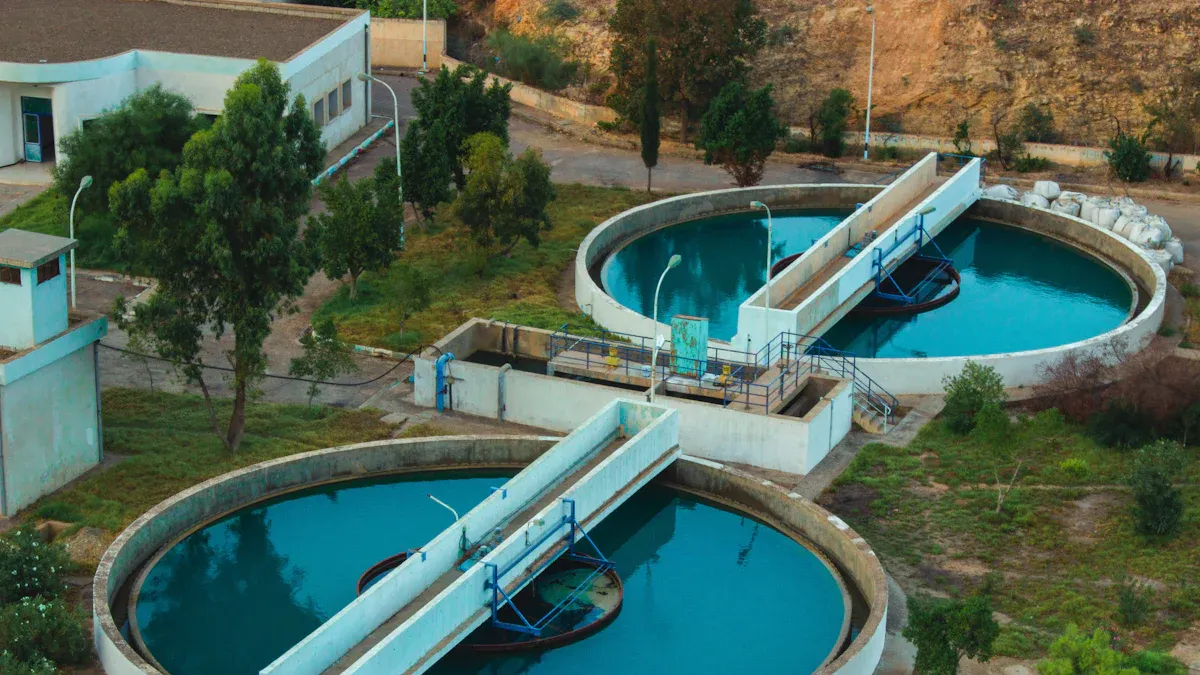
A household sewage treatment system is your home's private wastewater facility. You need one when your property cannot connect to a public sewer. The system's main job is to treat all water from your toilets, sinks, and showers. This process protects your family's health and prevents pollution.
Did You Know? 🧐 Untreated wastewater contains harmful pollutants like nitrogen, phosphorus, and bacteria. Your system removes these to keep groundwater and local streams clean and safe.
Key Takeaways
- Your home's sewage system cleans wastewater using a septic tank and a dispersal field. The septic tank separates solids, and the dispersal field uses soil and bacteria to clean the water before it returns to the ground.
- Proper care of your system is important. Do not flush harmful items, use water wisely, and have your tank pumped every 3-5 years. This helps your system work well and last a long time.
- Protect the area around your system. Do not drive or park on it, and keep trees away. This prevents damage and ensures the system can properly clean your home's wastewater.
How Your Household Sewage Treatment System Works
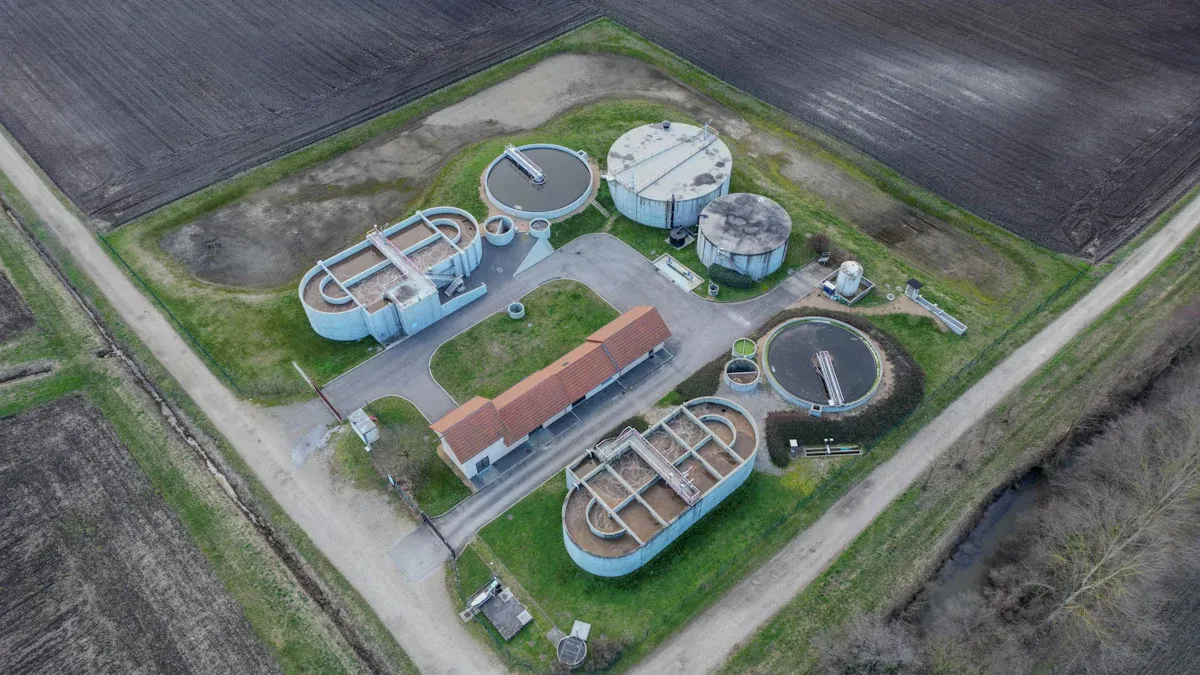
Your household sewage treatment system is a marvel of simple engineering. It uses natural processes to clean wastewater right in your own yard. The entire operation happens in a few key stages, starting the moment you flush a toilet or drain a sink.
The Septic Tank: The First Stop
All the wastewater from your home flows into a large, buried container called the septic tank. This tank is the primary treatment center. It is designed to hold wastewater for at least 24 hours, though a healthy system can provide a retention time of two to three days. This holding period is crucial. It allows heavy solids to settle to the bottom, forming a layer called sludge. Lighter materials like grease and oil float to the top, creating a layer called scum.
In the middle is a relatively clear liquid layer called effluent. This separation is just the beginning. The real work happens through a biological process.
Inside the Tank: A World of Microbes 🔬 The septic tank is an anaerobic environment, meaning it has no oxygen. Here, naturally occurring bacteria from human waste get to work. These microorganisms perform anaerobic digestion, breaking down the organic solids in the sludge layer. This process turns solids into liquids and gases, reducing the overall volume of waste.
This biochemical operation is the heart of a conventional system. The bacteria do their job without any help, but the process is slow. The effluent is now partially treated and ready for the next stage.
The Dispersal Field: Returning Water to the Soil
From the septic tank, the liquid effluent flows into the dispersal field, also known as a leach field or drainfield. This is a network of perforated pipes laid in underground trenches filled with gravel or other porous material. The field serves as the final, natural filter for your wastewater.
The process unfolds in a few simple steps:
- Distribution: Effluent flows from the tank and spreads throughout the network of pipes.
- Filtration: The liquid trickles out of the pipe perforations and slowly seeps into the surrounding soil. The soil acts as a giant, natural filter, trapping fine particles and contaminants.
- Biological Breakdown: The soil contains different bacteria than the tank. These are aerobic bacteria, which use oxygen to break down any remaining organic matter and pathogens. This step removes harmful bacteria and viruses, purifying the water.
- Dispersal: The now-treated water is absorbed by the soil and eventually returns to the groundwater system, clean and safe.
The success of your dispersal field depends heavily on your property's soil conditions. A professional will conduct a site assessment to ensure the soil is suitable.
| Soil Type | Characteristics | Suitability for Dispersal Field |
|---|---|---|
| Loamy Soils | A balanced mix of sand, silt, and clay. | Ideal: Drains well but allows enough time for bacteria to treat the effluent. |
| Sandy Soils | Large particles with big pore spaces. | Less Suitable: Drains too quickly, risking groundwater contamination. |
| Clay Soils | Very fine, tightly packed particles. | Unsuitable: Drains too slowly, causing backups and surface pooling. |
Keep an eye out for signs of a failing dispersal field. These include soggy spots in the yard, foul odors, slow drains inside your home, or unusually green grass over the field area.
Advanced Systems for Special Conditions
A conventional septic system works great with the right conditions. However, you may need an advanced system if your property has poor soil, a high water table, or is close to a lake or stream. These systems provide a higher level of treatment before the water reaches the soil.
One common advanced option is an Aerobic Treatment Unit (ATU). An ATU is like a miniature municipal treatment plant. It pumps oxygen into the treatment tank, which supports aerobic bacteria. These bacteria break down waste much faster and more completely than their anaerobic counterparts.
| Feature | Conventional Anaerobic System | Aerobic Treatment Unit (ATU) |
|---|---|---|
| Bacteria Type | Works without oxygen | Works with oxygen |
| Efficiency | Slower, partial treatment | Faster, cleaner treatment (removes 90-95% of contaminants) |
| Power Needed | None | Requires electricity for an air pump |
| Maintenance | Low (pumping every 3-5 years) | Higher (regular inspections and service) |
| Ideal For | Large lots with good soil | Small lots, poor soil, or sensitive areas |
Other advanced household sewage treatment technologies include intermittent sand bioreactors and drip dispersal systems. These options use materials like sand, gravel, or special emitters to provide enhanced filtration. Because these systems are more complex, they require specific permits. Local health departments regulate individual onsite wastewater treatment systems. They will conduct a site assessment and issue a permit before you can install any system, ensuring it is safe for your property and the environment.
Your Responsibilities as a System Owner
Owning a household sewage treatment system gives you control over your wastewater. It also comes with important responsibilities. Proper care ensures your system runs efficiently for decades. It also protects your investment and the environment. Your daily habits and a simple maintenance schedule are the keys to a healthy system.
Use Your Drains Wisely
What goes down your drains directly affects your system's health. Your septic tank is a living ecosystem, not a trash can. Flushing the wrong items can kill the beneficial bacteria or clog the entire system, leading to expensive failures.
Think of your drains as a "liquids only" pathway. You should never dispose of certain items in your sinks or toilets.
- Solid and Clogging Products: Avoid flushing items like paper towels, diapers, dental floss, cat litter, and wipes, even those marked "flushable." These products do not break down and will quickly fill your tank.
- Grease and Food Waste: Cooking grease, fats, oils, and coffee grounds create a thick scum layer that can clog pipes and your dispersal field. Scrape food scraps into the trash instead of using a garbage disposal, which adds significant solids to your tank.
- Harmful Chemicals: Never pour paint, solvents, pesticides, or motor oil down the drain. These toxic compounds can contaminate groundwater and destroy the bacteria your system needs.
- Cleaners and Soaps: Use bleach, drain cleaners, and antibacterial soaps sparingly. These chemicals can kill the microorganisms that break down waste.
A Note on Water Usage 💧 Using too much water at once can overwhelm your system. When you send large volumes of water into the tank, it doesn't have enough time to separate solids from liquids. This pushes untreated waste into your dispersal field, causing clogs and contamination. You can protect your system by spreading out laundry loads and installing water-saving fixtures.
Schedule Regular Maintenance
Your system works silently underground, but it is not a "set it and forget it" appliance. Regular professional maintenance is the single most important thing you can do to ensure its longevity. This involves two key activities: pumping and inspections.
Most households should have their septic tank pumped every three to five years. The exact frequency depends on your tank size and the number of people in your home. For example, a family of four with a 1,000-gallon tank typically needs pumping every three years. Larger families may need service every one to two years. A professional can help you determine the right schedule.
Should You Use Septic Additives? 🤔 You may see products that claim to clean your tank or eliminate the need for pumping. Independent studies show these additives are unnecessary. A healthy tank already has all the bacteria it needs. Some additives can even harm your system by breaking up the sludge and scum layers, pushing solids into the dispersal field and causing it to fail prematurely. Regular pumping is the only proven method for maintaining your tank.
A professional inspection gives you a complete picture of your system's health. The cost for an inspection is often separate from pumping, typically ranging from $50 to $150, while pumping itself can cost between $300 and $550. During an inspection, a certified technician will:
- Review System History: They will ask about your system's age, last service date, and any past issues.
- Examine the Tank: The inspector will open the tank lid to check the liquid levels and measure the scum and sludge layers. They will also inspect the tank walls, baffles, and lid for cracks or damage.
- Assess the Dispersal Field: They will walk over the field, looking for soggy spots, unusual plant growth, or foul odors that signal a problem.
- Check Components: If you have an advanced system, they will inspect pumps, alarms, and electrical connections.
- Provide a Report: You will receive a detailed report on your system's condition with recommendations for any needed repairs.
Protect the System Area
The ground above your septic tank and dispersal field is a critical part of the system. Protecting this area from damage is essential for proper function. Follow these simple rules to keep it safe.
First, never drive or park vehicles on any part of your system. The weight can compact the soil and crush the underground pipes. This damage can cause wastewater to back up into your home or pool on your lawn, creating a serious health hazard. Even one car can cause expensive and irreversible damage.
Second, be careful with landscaping. Plant only grass over the dispersal field.
- Trees and Shrubs: Keep trees and large shrubs far away from the system. Their roots are aggressive and will seek out the water in your dispersal pipes, causing clogs and breakage. A good rule is to plant trees at least 20 to 35 feet away from the edge of the field.
- Structures: Do not build anything over your system, including decks, patios, or sheds. These structures prevent access for maintenance and can damage components.
Finally, manage water around the system area. Your dispersal field is designed to handle wastewater from your home, not rainwater.
Keep It High and Dry! ☀️ Ensure all surface water drains away from your system. Point roof downspouts away from the dispersal field and avoid overwatering the lawn. Excess water can saturate the soil, preventing it from properly treating wastewater.
Your household sewage treatment system is a reliable wastewater solution. Its long-term health depends on your care. A well-maintained system can last 15 to 40 years, but neglecting it can lead to failures costing tens of thousands of dollars. For peace of mind, always consult a certified professional for inspections.
FAQ
How much does a new system cost?
A new system is a major investment. You can expect to pay between $15,000 and $40,000. The final price depends on your property's size, soil conditions, and system type.
How long will my system last?
Your system's lifespan depends on its type and your maintenance. A well-cared-for conventional system can last 15 to 40 years. Regular professional care is the key to longevity.
What should I do if I suspect a problem? 🚨
You should act fast if you notice slow drains or bad odors.
- First, reduce your water use immediately.
- Then, call a certified professional to inspect the system.