Boost Accuracy with a China Tablet Weighing Machine
A China tablet weighing machine is a high-precision instrument designed for quality control. This automated tablet weighing machine weighs individual tablets or capsules to verify consistency. A quality Capsule & Tablet Checkweigher CMC ensures dosage uniformity by rejecting any out-of-tolerance products from the production line.
Note: This function is critical for maintaining safety and efficacy standards in pharmaceutical and nutraceutical manufacturing.
Key Takeaways
- China tablet weighing machines offer good value. They balance low cost with advanced features.
- These machines use new technology. They have precise sensors and smart software.
- You can customize these machines. They fit your production needs well.
- Look for high accuracy and speed. The machine should also manage data and be easy to clean.
- Choose a good supplier. Check their certifications and support. Ask for product tests.
Why Choose a China Tablet Weighing Machine?
Pharmaceutical and nutraceutical companies constantly seek equipment that enhances quality control without inflating operational costs. A China tablet weighing machine presents a compelling solution, balancing affordability with advanced capabilities. Manufacturers gain a competitive edge by leveraging three primary advantages: exceptional cost-effectiveness, access to cutting-edge technology, and extensive customization.
Unbeatable Cost-Effectiveness
Chinese manufacturers benefit from mature supply chains and large-scale production. These factors significantly lower manufacturing costs. They pass these savings directly to the customer. This allows businesses to acquire high-precision weighing equipment for a fraction of the price of European or North American alternatives.
This strategic investment provides an excellent return on investment (ROI). Companies can allocate capital to other critical areas of production while still upgrading their quality assurance processes with state-of-the-art machinery.
Access to Advanced Technology
Modern Chinese manufacturing has moved far beyond simple replication. Today, leading suppliers are at the forefront of innovation, developing proprietary technologies that boost performance and reliability. Many machines now incorporate sophisticated features that were once exclusive to premium brands.
Key technological advancements include:
- Patented Sliding Board Structure: Some designs use a tilted platform that allows tablets to slide by gravity. This simple yet effective mechanism eliminates complex moving parts, improving accuracy and enabling rapid calibration.
- High-Precision Sensors: Custom-made weighing sensors and dedicated control modules deliver exceptional precision for reliable weight verification.
- Proprietary Digital Processing: Nationally protected software programs ensure high-speed, multi-channel weighing. They effectively filter out environmental disturbances and offer strong fault tolerance for consistent operation.
- Modular Component Design: Separating the weighing sensor from the AD module lowers maintenance costs, as individual components can be replaced easily.
Furthermore, manufacturers are integrating Industry 4.0 technologies to create smarter production lines. This includes AI-powered vision systems for defect detection, cloud-based monitoring systems that can reduce downtime, and real-time data analytics for predictive maintenance.
Wide Range of Customizable Options
Every production line has unique requirements. Chinese suppliers excel at providing tailored solutions to meet specific operational needs. They offer a high degree of flexibility, allowing you to configure a machine that perfectly fits your workflow.
Customization can apply to several areas:
- Physical Dimensions: Adjusting the machine's footprint to fit into existing production spaces.
- Throughput Rate: Selecting a model that matches your tablet press or capsule filler's output speed.
- Product Handling: Modifying channels and guides to accommodate unique tablet shapes or sizes.
- Data Integration: Configuring the 15" industrial tablet computer and software to connect with your existing data collection systems via Ethernet and Modbus-TCP protocols.
This adaptability ensures that the equipment integrates seamlessly into your line, maximizing efficiency from day one.
Key Features to Look for in a Quality Machine
Selecting the right tablet weigher requires a careful evaluation of its core capabilities. Manufacturers must look beyond the price tag and assess specific performance metrics that directly impact product quality, production efficiency, and regulatory compliance. Key features like accuracy, speed, and data management separate a standard machine from a high-value manufacturing asset.
High Accuracy and Precision
Accuracy is the most critical feature of any tablet weighing machine. It directly ensures dosage uniformity, which is fundamental to patient safety and product efficacy. A machine's precision determines its ability to consistently produce the same measurement for the same tablet, eliminating variability and providing reliable quality control.
High-end machines specify their dynamic accuracy, which measures performance while the machine is in operation. This value is often expressed in milligrams (mg).
| Model | Dynamic Accuracy |
|---|---|
| CMC±1 | ±1.0mg |
| CMC±2 | ±2.0mg |
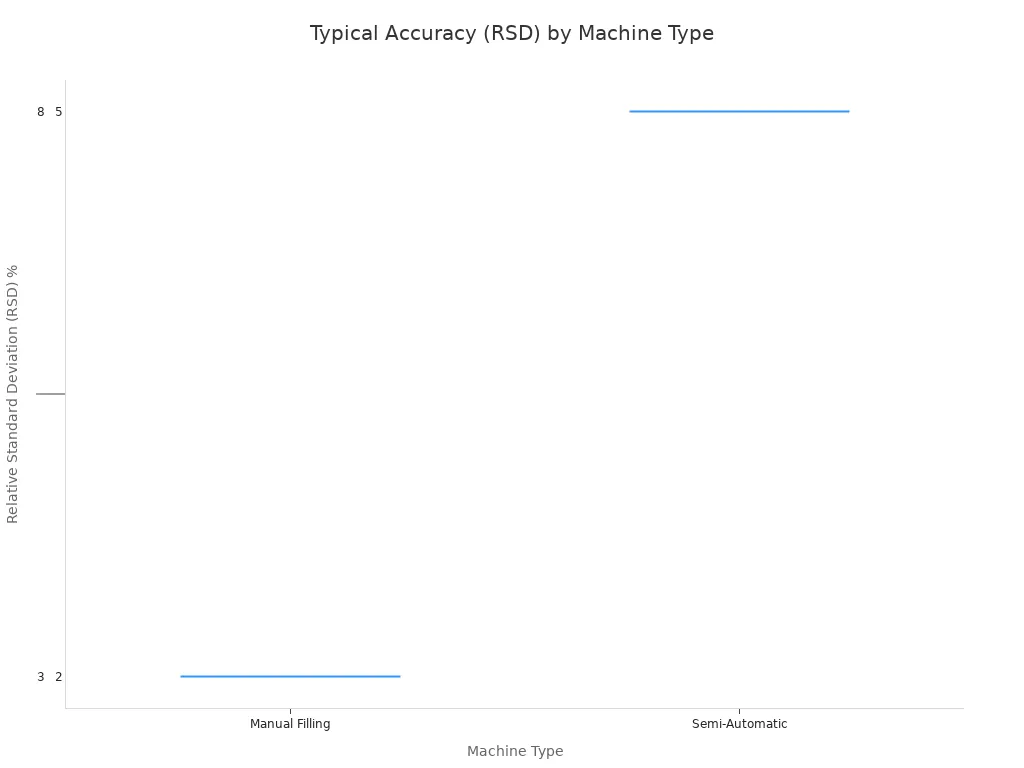
Another vital metric is the Relative Standard Deviation (RSD), which quantifies weight variation within a batch. Regulatory bodies set strict limits for this variation. For example, the European Pharmacopoeia (Ph. Eur.) requires all tablets to meet a specification limit of ±5% for weight variation. A quality machine helps manufacturers easily meet and exceed this standard. The machine's design significantly influences its ability to achieve a low RSD.
Insight: Accuracy improves dramatically as automation increases. Manual processes often have high variability, while fully automated continuous motion systems deliver the highest precision.
Weighing Speed and Throughput Rate
Production efficiency depends on seamless integration. The tablet weigher's throughput rate must match or exceed the output of the tablet press or capsule filler. A slow weigher creates a bottleneck, slowing down the entire production line and reducing overall output. Modern automatic tablet counting machines can process tens of thousands of tablets per minute, keeping pace with even the most demanding production environments.
High-speed tablet presses set the benchmark for production capacity. A compatible weigher must handle this volume without sacrificing accuracy.
| Model | Max. Capacity (tablets/hour) |
|---|---|
| HZP-26/40D intelligent tablet press | 260,000 |
| ZP-26D-40D | 160,000 |
Note: The ideal machine offers a balance. It provides a high throughput rate while maintaining the precision needed for reliable weight verification. Operators should not have to choose between speed and quality.
Data Management and GMP Compliance
In the regulated pharmaceutical industry, data is as important as the product itself. A modern China tablet weighing machine must feature robust data management capabilities that support Good Manufacturing Practices (GMP). This includes creating secure, unalterable records and detailed audit trails for full traceability.
The machine's software should generate comprehensive reports essential for quality assurance and regulatory audits. Key reporting capabilities include:
- Annual quality review summaries
- Stability statistical analysis reports
- Utility statistical analysis reports
- Statistical support for process characterization and Quality by Design (QbD)
- Support for rectifying statistical deficiencies found during GMP inspections
These features transform the weigher from a simple sorting device into a powerful data collection hub. It provides the documentation needed to prove process control, validate batches, and demonstrate compliance to auditors with confidence.
Durable, Easy-to-Clean Construction
The physical construction of a tablet weigher is fundamental to its longevity and compliance with pharmaceutical standards. A well-built machine minimizes production downtime and prevents cross-contamination between batches. Manufacturers must prioritize equipment made from high-quality, non-reactive materials that are easy to sanitize.
Leading Chinese suppliers build their equipment to meet global GMP requirements. They construct machines using high-grade stainless steel. Many models, from large platform scales to automatic tablet presses, utilize fully enclosed 304 or 316L stainless steel. This material provides excellent corrosion resistance and a smooth, non-porous surface that resists bacterial growth. An anti-corrosion surface treatment further enhances durability, ensuring the machine withstands rigorous cleaning protocols for years.
Key Principle: In pharmaceutical manufacturing, a clean machine is a safe machine. The design must eliminate hard-to-reach areas where product residue can accumulate, safeguarding against contamination.
Beyond materials, the mechanical design directly impacts operational efficiency. A quality machine features a design that simplifies disassembly and cleaning. This allows operators to perform rapid changeovers between different products, maximizing production uptime. Smart design features are a hallmark of a reliable machine.
- Quick-Disconnect Components: Tool-less or quick-disconnect parts allow operators to remove and clean components without specialized assistance.
- Removable Internal Parts: Features like a removable air-jet manifold inside a cleaning chamber enable thorough sanitation.
- Interchangeable Designs: Some advanced systems offer an interchangeable turret design. This allows an entire assembly to be swapped out for a clean one, drastically reducing machine downtime.
- Simple Mechanical Structures: An uncomplicated design with fewer moving parts is inherently easier to clean and maintain.
These features demonstrate a manufacturer's commitment to practical, real-world production challenges. They ensure the tablet weigher not only performs its primary function accurately but also supports a lean and efficient manufacturing workflow.
How to Select the Right Chinese Supplier
Choosing the right supplier is as important as selecting the right machine. A partnership with a reputable manufacturer ensures you receive a high-quality China tablet weighing machine backed by reliable support. Buyers should focus on three key areas: certifications, technical support, and product validation.
Verify CE and ISO Certifications
Certifications provide objective proof of a supplier's commitment to quality and safety. Buyers should always verify that a potential partner holds relevant international certifications. The CE marking, for instance, shows a product meets safety standards for sale within the European Economic Area.
ISO certifications are also critical indicators of a robust Quality Management System (QMS).
- ISO 9001: This is a general QMS standard applicable to any industry.
- ISO 13485: This standard is specifically for medical device manufacturing. It has more stringent requirements for documentation, process validation, and regulatory compliance than ISO 9001.
For pharmaceutical equipment, ISO 13485 is the preferred standard. It demonstrates a supplier's capability to meet the rigorous demands of the medical and pharmaceutical sectors.
Evaluate Technical and After-Sales Support
A machine's value extends beyond its initial purchase. Strong after-sales support is essential for long-term operational success. Reputable suppliers offer comprehensive service packages. These often include a standard 12-month warranty, lifetime technical assistance, and a guaranteed 24-hour response time for troubleshooting. Some manufacturers even provide remote diagnosis capabilities, using real-time communication to resolve issues quickly without an on-site visit. Evaluating a supplier's service level agreement (SLA) helps ensure you have a reliable partner for maintenance and repairs.
Request Product Demonstrations and Testing
Never purchase a machine based on specifications alone. Always request a product demonstration to see the equipment in action. Suppliers can provide video demonstrations or even live-streamed sessions. The best way to confirm performance is to send your own product samples for a test run. This allows you to verify the machine's accuracy, speed, and handling capabilities with your specific tablets or capsules. This step eliminates uncertainty and confirms the equipment will meet your production needs.
Integrating a Tablet Weigher into Your Production Line
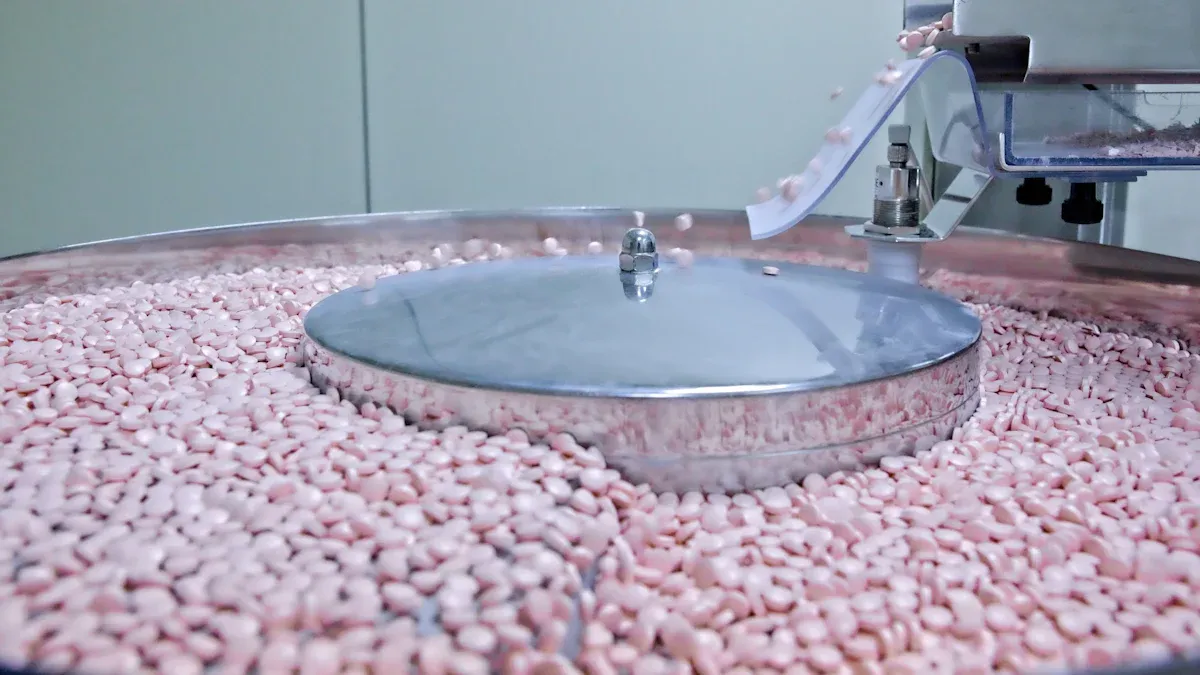
Proper integration transforms a tablet weigher from a standalone device into a core component of a smart production line. A strategic approach to placement, data connection, and operator training ensures the machine delivers maximum value. This process enhances quality control and boosts overall manufacturing efficiency.
Placement After Tablet Pressing or Capsule Filling
The ideal location for a tablet weigher is immediately after the tablet press or capsule filling machine. This placement creates a direct feedback loop. The weigher checks products as they are made, providing real-time quality data. If the machine detects weight deviations, operators can quickly adjust the upstream equipment. This immediate response minimizes waste and prevents the production of large quantities of out-of-specification products.
Connection to Data Collection Systems
Modern manufacturing relies on data for process control and compliance. A China tablet weighing machine should connect seamlessly with a company's central data collection systems, such as a Manufacturing Execution System (MES). This connection allows for the automatic recording of batch data, weight trends, and rejection statistics. Centralized data supports robust audit trails, simplifies batch release procedures, and provides valuable insights for process optimization.
Operator Training and Maintenance Protocols
A machine is only as effective as the team operating it. Comprehensive operator training and strict maintenance protocols are essential for consistent performance. An effective training program empowers staff and improves machine output.
A thorough program covers several key areas:
- Systematic training on machine usage
- Understanding factors affecting tablet production
- Hands-on practice
- Troubleshooting common issues
- Calibration procedures
- Preventive maintenance
Tip: Regular hands-on practice helps operators remember what they learn.
Proper maintenance protocols are equally important for preserving accuracy. Teams should focus on several essential elements to keep the equipment in peak condition.
| Essential Element | Description |
|---|---|
| Control Ambient Temperature | Use HVAC to keep conditions steady. |
| Manage Humidity | Avoid air that is too dry or too wet. |
| Routine Equipment Calibration | Check machines often to keep them accurate. |
| Preventive Maintenance | Fix small issues before they become big problems. |
Calibration is a cornerstone of maintenance. Operators can use different methods to verify the machine's accuracy.
| Calibration Method | Description |
|---|---|
| Integrated Calibration Weights | Lets you test accuracy quickly without stopping production. |
| Using Certified Calibration Weights | Gives the most accurate results. You must follow NIST Handbook 44 rules. |
A China tablet weighing machine offers a compelling blend of affordability, advanced features, and manufacturing flexibility. Companies secure a high-value asset for quality control by carefully evaluating accuracy needs, production volume, and supplier credibility. Future trends point toward even greater automation. The integration of Process Analytical Technology (PAT) and AI will enable real-time monitoring and process control, further boosting efficiency and ensuring consistent quality.
FAQ
What accuracy can I expect from a China tablet weigher?
High-end models offer excellent dynamic accuracy, typically between ±1.0mg and ±2.0mg. This level of precision ensures products meet strict regulatory weight variation standards. Manufacturers can reliably verify dosage uniformity for every batch.
Can these machines match high-speed production lines?
Yes. Modern China tablet weighers process products at very high speeds. Some models handle over 260,000 tablets per hour. This throughput rate easily keeps pace with high-output tablet presses, eliminating production bottlenecks.
Do these machines meet GMP requirements?
Reputable suppliers design their machines for GMP compliance. They use high-grade stainless steel and provide software with secure audit trails. These features support data integrity and help companies pass regulatory inspections with confidence.
What kind of support is available after purchase?
Leading manufacturers offer comprehensive after-sales support. This service often includes a 12-month warranty, lifetime technical assistance, and operator training. Many suppliers also provide remote diagnostics to resolve issues quickly and efficiently.
See Also
Understanding Tablet Samplers: A Comprehensive Guide for Lab Equipment Selection
Essential Capsule Checkweighers for Buyers to Evaluate in the Year 2025
Discovering Top Suppliers for X-Ray Inspection Machines Across China
Three Essential Industrial Checkweighers Crucial for Every Food Processing Plant
Defining Pharmaceutical Checkweighers: Key Features and Their Critical Importance