What Happens After You Flush A Guide to Sewage Plants
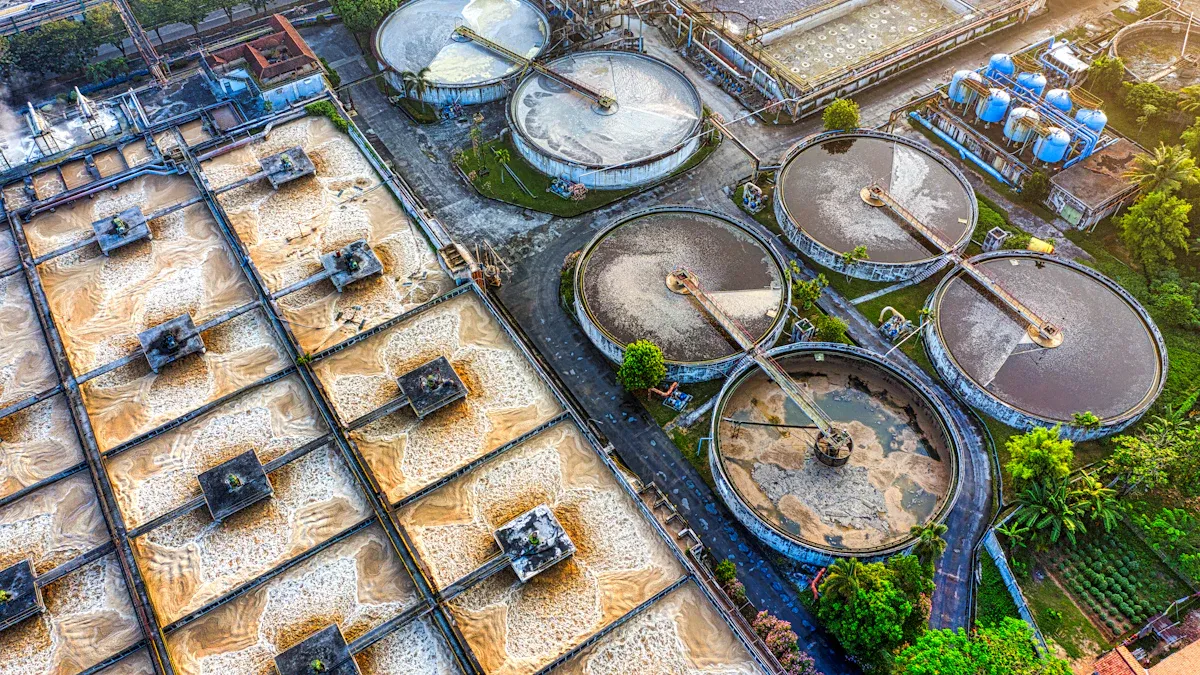
You flush the toilet. Your wastewater then travels through pipes to a municipal sewage treatment plant. It joins an enormous flow; facilities across the United States process approximately 34 billion gallons daily.
This cleaning process is vital for public health. You are part of the 57% of the global population with access to safely managed sanitation as of 2022.
Key Takeaways
- Wastewater travels through pipes to a treatment plant, where it undergoes several cleaning steps.
- Treatment plants use screens, gravity, and helpful bacteria to remove dirt and germs from the water.
- Clean water returns to nature, and leftover solids become useful materials like fertilizer.
The Journey to the Treatment Plant
Through the Sewer System
Your wastewater begins its journey in a small pipe, typically four inches wide. This pipe connects to larger municipal sewer mains, which can be six or eight inches in diameter. Gravity does most of the work from here. Engineers install the entire sewer network at a slight downward angle. This design allows wastewater to flow naturally toward its destination.
The flow is just fast enough to carry solids along, creating a "self-cleansing velocity" that prevents blockages. Sometimes, the landscape does not allow for a continuous downhill path. In these cases, your wastewater flows into a lift station.
What is a lift station? ⚙️ A lift station is like an elevator for sewage. It collects wastewater in a low-lying area and uses powerful pumps to move it to a higher elevation. From there, gravity can take over again to continue the journey.
Arriving at the Facility
After traveling through miles of pipes, your wastewater finally arrives at the municipal sewage treatment plant. It immediately enters the first stage, known as preliminary treatment. This crucial step protects the plant's machinery from damage.
The process begins with screening and grit removal:
- Bar Screening: The raw sewage flows through large screens. These bars catch big objects like rags, sticks, plastic bottles, and other trash you should not flush.
- Grit Removal: Next, the water moves into a special channel where its flow slows down. This allows heavy materials like sand, coffee grounds, and gravel to settle to the bottom for removal.
Step 1: Preliminary and Primary Treatment
The first major stage of cleaning your wastewater involves two parts. Preliminary treatment removes large debris. Primary treatment then uses gravity to separate solids from the water. This combined step prepares the water for the next biological phase.
Screening Out Large Objects
You might be surprised by what ends up at a treatment plant. The initial screening process acts like a giant strainer to catch items that do not belong in the sewer system. These objects could damage pumps and other equipment.
Commonly removed items include:
- Rags and paper towels
- Sticks and tree roots
- Plastic bottles and cans
- Other large trash and debris
After screening, the water flows into a grit chamber. The plant operators slow the water's speed here. This allows heavy inorganic materials like sand, gravel, and coffee grounds to settle to the bottom. Lighter organic waste stays suspended and moves on with the water.
Settling Solids and Skimming Grease
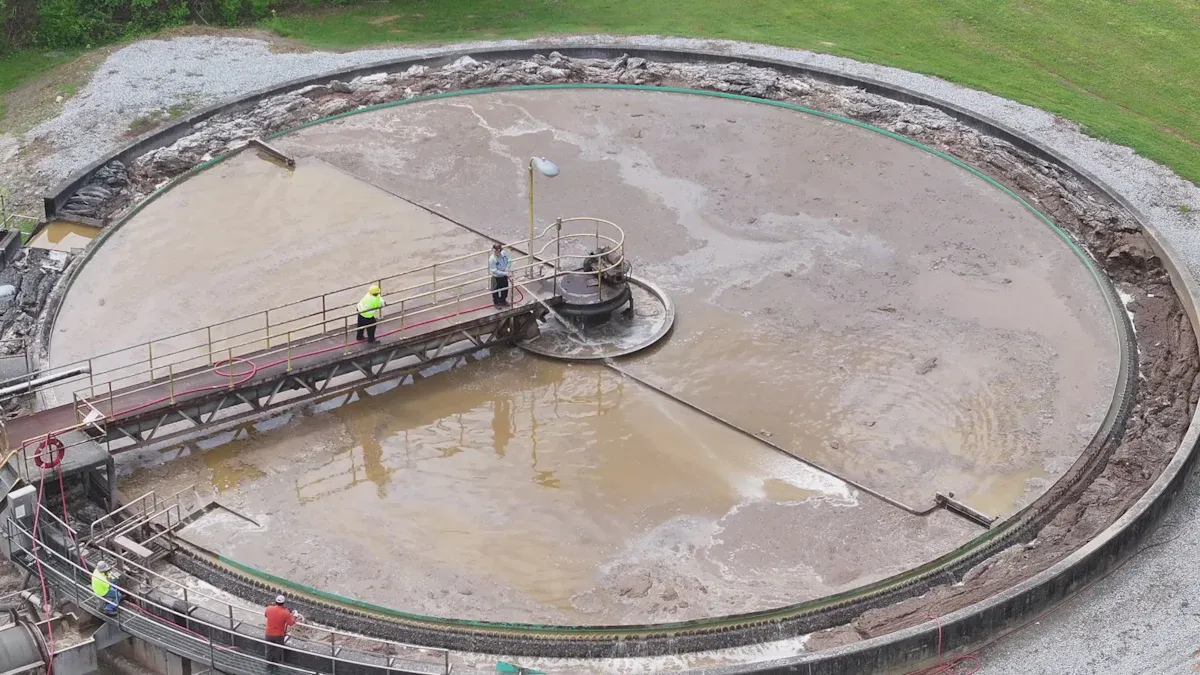
Next, your wastewater enters a large circular tank called a primary clarifier. The water sits quietly in this tank for about one to two hours. This process allows for separation based on density. Heavier organic solids, called sludge, sink to the bottom. Lighter materials like grease and oil float to the top, forming a layer of scum.
Did you know? 💡 Primary treatment is very effective. It can remove 50% to 70% of the total suspended solids from the wastewater.
Large mechanical arms slowly scrape the sludge from the bottom and skim the scum from the top. The plant collects both materials for separate treatment. The partially cleaned water, now called primary effluent, is ready for the next stage.
Step 2: Secondary Treatment with Good Bacteria
Your wastewater has now passed through the physical screening and settling processes. It looks clearer, but it still contains dissolved organic waste and harmful nutrients. The next step uses a powerful, all-natural solution: billions of helpful microorganisms. This biological phase is where the real deep cleaning happens.
The Aeration Process
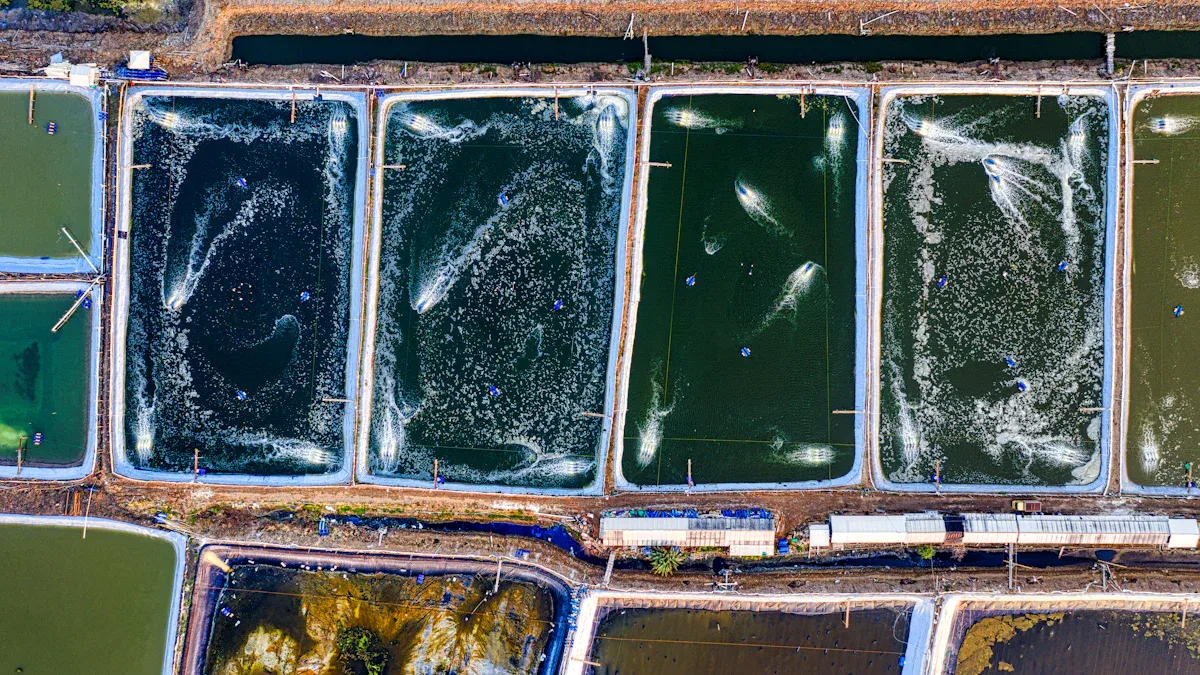
The partially cleaned water, or primary effluent, flows into massive tanks called aeration basins. Here, plant operators introduce a carefully managed culture of "good" bacteria and other microbes. This mixture is known as activated sludge. To get these tiny workers energized, they need one key ingredient: oxygen.
Operators pump large amounts of air into the tanks. This process, called aeration, creates a bubbly, oxygen-rich environment. The constant bubbling also mixes the wastewater and the activated sludge thoroughly.
Why so much air? 🌬️ The helpful microbes need oxygen to breathe, just like you do. Pumping air into the water helps these microorganisms multiply rapidly. A larger population of microbes can consume the organic pollutants in your wastewater much faster.
Operators use different methods to mix air into the water:
- Diffused Aeration: They pump air through underwater pipes with small holes, creating fine bubbles that rise through the water.
- Mechanical Aeration: They use large mixers with propellers or blades to churn the water's surface. This agitation pulls oxygen from the atmosphere into the wastewater.
This aeration stage can last for several hours, giving the microbes plenty of time to do their job.
How Microbes Clean the Water
The microorganisms in the activated sludge are the heroes of secondary treatment. You can think of them as a highly specialized cleaning crew. They see the remaining organic matter in your wastewater as a food source.
These bacteria consume the dissolved pollutants, breaking them down into harmless substances like carbon dioxide and water. As they feed and multiply, they develop a sticky slime layer on their cell walls. This stickiness causes them to clump together with other microbes and waste particles. These clumps are called "flocs."
Did you know? 🔬 Plant operators can add special ingredients like micronutrients to the water. These act like vitamins for the microbes, helping them grow strong and work more efficiently, especially when the wastewater contains complex waste.
These amazing microbes also remove harmful nutrients like nitrogen and phosphorus that can damage aquatic ecosystems. They do this through a few clever biological processes:
- Nitrogen Removal: A two-step process removes nitrogen. First, one group of bacteria converts harmful ammonia into nitrates. Then, in a tank with less oxygen, a different group of bacteria converts the nitrates into harmless nitrogen gas, which is released into the atmosphere.
- Phosphorus Removal: Special bacteria called Polyphosphate Accumulating Organisms (PAOs) absorb and store large amounts of phosphorus from the water.
Once the microbes have eaten their fill, the water moves to another settling tank. Here, the heavy, water-logged flocs sink to the bottom, forming a new layer of sludge. A portion of this microbe-rich sludge is returned to the aeration tank to help clean the next batch of incoming wastewater.
Step 3: Final Polishing and Disinfection
The water from secondary treatment is very clean, but it is not yet ready to return to nature. This final stage, known as tertiary treatment, acts like a high-tech polishing and safety check. It removes the last traces of impurities and eliminates any remaining disease-causing germs.
Advanced Filtration
Before disinfection, your water passes through advanced filters to catch microscopic particles. These filters act like extremely fine screens, removing tiny pollutants that the biological process missed. The membranes in these filters are often made from materials like:
- Polypropylene
- Polyester
- Cellulose
This process, called microfiltration, is incredibly effective. It can capture over 99% of particles as small as 0.3 microns. This includes fine silts, lingering organic matter, and even microplastics, ensuring the water is exceptionally clear.
Killing Harmful Germs
The clear water now enters the final, most critical step: disinfection. This process kills any harmful bacteria and viruses that may have survived. Treatment plants must meet strict standards set by the Environmental Protection Agency (EPA) under regulations like 40 CFR Part 503 to protect public health.
The two most common methods are ultraviolet (UV) light and chlorine.
UV vs. Chlorine: A Quick Look ⚡ UV disinfection uses powerful light to damage the DNA of germs, preventing them from reproducing. It is a physical process that adds no chemicals to the water and is very effective against chlorine-resistant pathogens like Giardia and Cryptosporidium. Chlorination uses a chemical to kill germs and provides residual protection as the water travels, but it can affect the water's taste and create byproducts.
Once disinfected, your wastewater has been fully transformed into clean effluent, ready for its next journey.
What Happens at a Municipal Sewage Treatment Plant?
After the final cleaning stages, your wastewater has been split into two products: clean water and leftover solids. A modern municipal sewage treatment plant manages both of these outputs carefully to protect the environment and recover valuable resources.
Returning Clean Water to Nature
The treated water, now called effluent, is ready to be returned to a river, lake, or ocean. Before this happens, the municipal sewage treatment plant must prove the water is safe. The U.S. Clean Water Act sets strict rules for this process.
The plant operates under a special permit called the National Pollutant Discharge Elimination System (NPDES). This permit lists the exact pollutants the plant must control.
Officials test the water for specific things to ensure it is safe for fish and other aquatic life.
- Conventional Pollutants: These include pH, oil, and solids.
- Toxic Pollutants: These are chemicals that can cause disease or death in organisms.
- Non-Conventional Pollutants: This category includes nutrients like nitrogen and phosphorus.
They even perform Whole Effluent Toxicity (WET) tests. These tests expose sensitive aquatic species, like tiny water fleas, to the treated water to confirm it is not harmful.
Managing the Leftover Solids
The solids removed during treatment, called sludge, go on their own journey. This sludge enters a large, enclosed tank called an anaerobic digester. Inside, helpful bacteria work in an oxygen-free environment. They consume the organic matter in the sludge. This process stabilizes the solids and significantly reduces their volume.
A valuable byproduct of this process is biogas, which is rich in methane. The municipal sewage treatment plant captures this gas. It can be used to create electricity and heat to help power the facility.
The remaining treated solids are now called biosolids. These nutrient-rich materials have many beneficial uses:
- They can be turned into compost for gardening.
- They can be used as a natural fertilizer on farms.
- They can be applied to parks and golf courses to enrich the soil.
The journey from your drain to a clean river is a complex but essential process. Sewage treatment plants use physical, biological, and chemical processes to transform wastewater.
This system protects our natural water sources. It ensures community health by preventing dangerous waterborne diseases like cholera and giardiasis.
FAQ
What should you never flush down the toilet?
You should only flush human waste and toilet paper. Things like wipes, paper towels, and grease cause clogs in the sewer pipes and damage the plant's equipment.
Does a sewage treatment plant smell bad?
Modern plants use special covers and air filters to control odors. You usually only notice smells near the first stages where the raw sewage arrives. 👃
How long does it take to clean the water?
The entire cleaning journey for your wastewater is quite fast. It typically takes about 12 to 24 hours to move through all the treatment stages at the plant.