What Food Products Are Made With Edible Gelatin
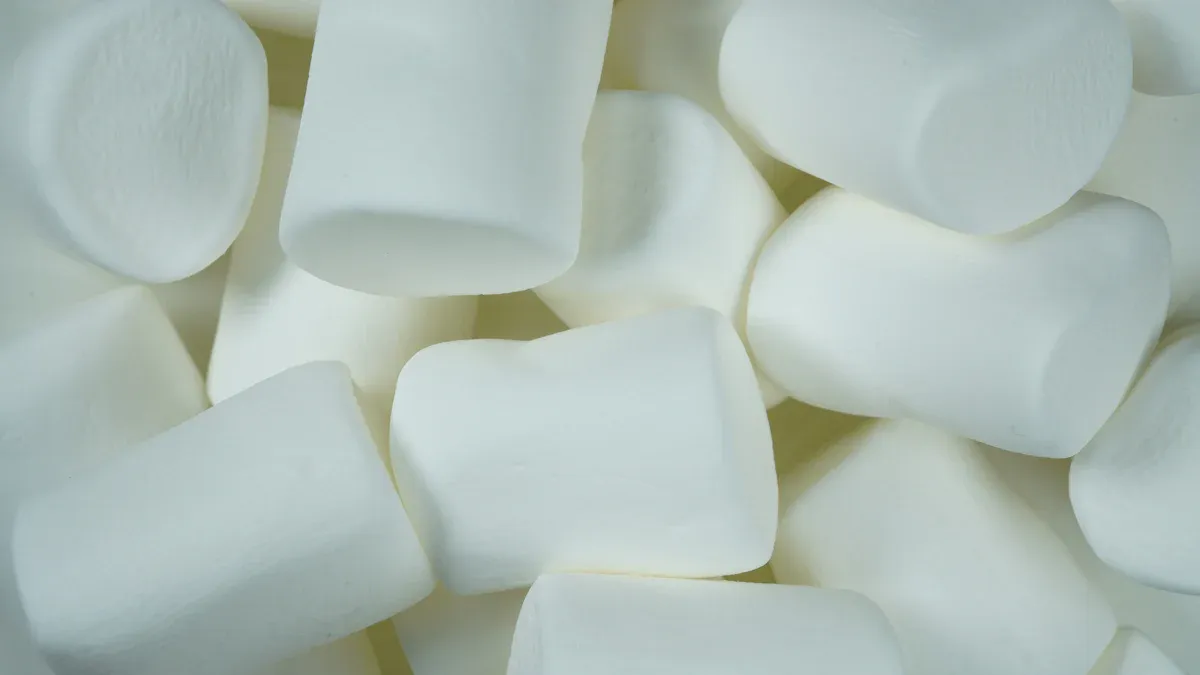
Many everyday foods contain edible gelatin. You will find edible gelatin in items such as yogurt, marshmallows, gummy candies, margarine, and baked goods. Edible gelatin also appears in dairy products, fruit snacks, wine, apple cider, and certain cuts of meat. People avoid edible gelatin for several reasons, including religious or ethical beliefs. For example, porcine gelatin is strictly haram, while fish gelatin is widely accepted as halal. Beyond Biopharma supplies edible gelatin from different sources to meet these needs. The table below shows how edible gelatin options differ:
Animal Source | Halal Status | Key Properties |
|---|---|---|
Bovine | Permissible | Strong gel strength, versatile for many uses |
Fish | Universally allowed | No ritual slaughter, ideal for halal diets |
Key Takeaways
Edible gelatin is found in many foods, including candies, dairy products, and processed snacks. It enhances texture and stability.
Different sources of gelatin, like bovine and fish, cater to various dietary needs. Fish gelatin is a versatile option for those avoiding pork or beef.
Reading ingredient labels helps identify gelatin in products. Look for terms like 'gelatin' or 'hydrolyzed collagen' to make informed choices.
Foods with Edible Gelatin
Candies and Sweets
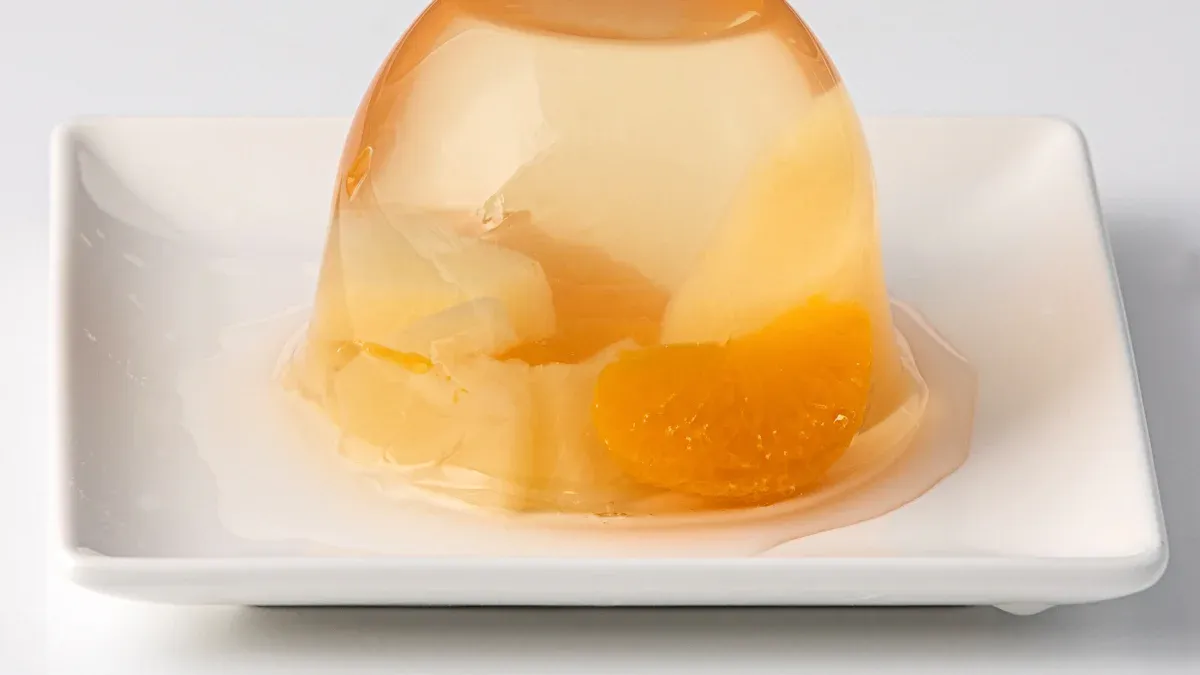
Many popular candies and sweets rely on gelatin for their unique texture and chewiness. Gelatin is a key ingredient in products like marshmallows and gummy candies. It gives these treats their signature bounce and mouthfeel. Marshmallows use gelatin to create a stable foam, which results in their light and airy texture. Gummy candies, such as gummy bears and gummy worms, depend on gelatin for their firm yet chewy consistency. The table below highlights some of the most recognized candies that use gelatin:
Candy Type | Brands |
|---|---|
Gummy Bears | Haribo |
Sour Patch Kids | Haribo |
Jelly Babies | Bassett's |
Gummy Worms | Albanese |
Various Gummy Snacks | Betty Crocker, Hersheys, Disney, Kellogg's |
Other sweets, like jelly babies and candy corn, also contain gelatin. These products are often found in stores year-round and are especially popular during holidays. Gelatin is essential for creating the texture that makes these candies enjoyable. Many food manufacturers, including those who use Beyond Biopharma’s edible gelatin, choose high-quality gelatin to ensure consistency and taste in their products.
Dairy and Desserts
Gelatin plays a crucial role in many dairy products and desserts. It acts as a stabilizer, gelling agent, and thickener. In yogurt, gelatin prevents whey from separating and improves the overall texture. Puddings and trifles use gelatin to achieve a smooth, elastic consistency. Marshmallows and whipped toppings rely on gelatin to maintain their shape and volume. Soft cheeses benefit from gelatin because it prevents syneresis, which is the separation of liquid from the curd.
Yogurt: Gelatin stabilizes the product and improves texture.
Puddings: Acts as a gelling agent for better consistency.
Cream: Stabilizes air bubbles and retains flavor.
Soft Cheese: Prevents liquid separation and enhances taste.
Desserts: Adds a rich mouthfeel and smooth texture.
Gelatin desserts, such as jello and aspic, are classic examples of food with gelatin. These dishes use gelatin to create a firm, wobbly structure that holds fruit or other ingredients in place. Many chefs and food producers select edible gelatin with customizable Bloom strengths, like those offered by Beyond Biopharma, to achieve the desired texture in their recipes.
Snacks and Processed Foods
Gelatin is not limited to sweets and desserts. It is also found in a variety of snacks and processed foods. Nutrition bars often use gelatin as a natural binder. This helps hold ingredients together without the need for artificial additives. Gelatin improves the texture of these bars, making them less likely to crumble or dry out. It also helps retain moisture, which is important for shelf life.
Benefit | Description |
|---|---|
Natural Binding and Structure | Gelatin acts as a natural binder, holding ingredients together without artificial additives. |
Improved Texture | Enhances mouthfeel and prevents dryness or crumbling, balancing the texture of the bars. |
Moisture Retention | Helps retain moisture, crucial for maintaining product quality over time. |
Processed snacks, such as fruit snacks and some baked goods, may also contain gelatin. Gelatin snacks are popular among children and adults alike. Some frothy coffee toppings and whipped creams use gelatin to stabilize the foam and improve the eating experience. Food with gelatin in this category often benefits from the clarity and neutral flavor of high-quality gelatin, which does not interfere with the taste of the final product.
Broth and Gelatin Sources
Broth is a traditional source of gelatin in many diets. When bones and connective tissues are simmered for long periods, gelatin is released into the broth. This process gives the broth a rich, silky texture and adds nutritional value. Broth made from beef, pork, or fish bones contains varying amounts of gelatin, depending on the source and cooking method.
Gelatin is primarily derived from porcine (pork), bovine (beef), and fish sources.
The main commercial sources are porcine skin/bone and bovine hide/bone.
Fish gelatin is produced on a smaller scale and is suitable for those with dietary restrictions.
Fish gelatin is especially important for people who avoid pork or beef for religious or ethical reasons. It is acceptable for all religions and cultures, making it a versatile choice. Fish gelatin does not carry the same disease risks as bovine or porcine gelatin. It also has a lower molecular weight and gel strength, which can be useful in certain food applications. Fish gelatin melts faster at higher temperatures and releases flavors more quickly, which can enhance the sensory experience in desserts and broths.
Broth is not only a comfort food but also a source of protein and collagen. Many people use broth as a base for soups, sauces, and stews. The gelatin in broth helps create a smooth, rich mouthfeel that is hard to replicate with other ingredients. Food with gelatin from broth is valued for both its taste and its nutritional benefits.
Tip: When looking for foods with gelatin, check the ingredient list for terms like "gelatin," "hydrolyzed collagen," or specific sources such as "bovine gelatin" or "fish gelatin." This can help you make informed choices, especially if you have dietary restrictions.
Identifying and Replacing Gelatin in Food
Why Gelatin Is Used
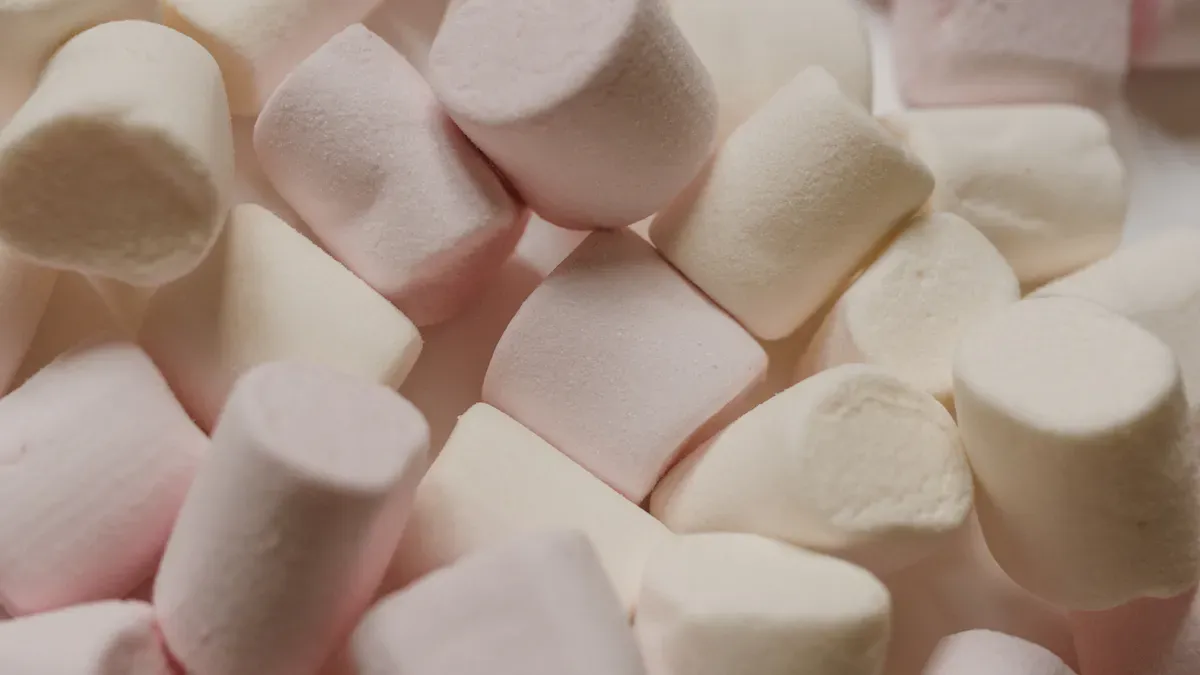
Gelatin serves many important roles in food manufacturing. It creates a unique texture and helps foods hold their shape. The table below shows how gelatin improves product quality:
Property | Impact on Product Quality |
|---|---|
Gelling Property | Forms gels for jellies and marshmallows, allowing control over texture. |
Thermal Stability | Melts at body temperature, giving a pleasant mouthfeel and stability at different temperatures. |
High Water Binding Capacity | Retains moisture, prevents liquid separation, and extends shelf life. |
Transparency and Flavor Neutrality | Keeps foods clear and does not change their taste. |
Emulsification and Foaming | Stabilizes foams and emulsions, improving texture in many foods. |
Gelatin can be adjusted for strength and elasticity, making it useful in both soft and firm foods.
How to Spot Gelatin on Labels
Reading ingredient lists is the best way to find out if a food contains gelatin. Look for the word "gelatin" or terms like "hydrolyzed collagen." Some labels will list the source, such as bovine, porcine, or fish gelatin. This information is important for people with dietary or religious restrictions. Sometimes, the source is not clear, so it helps to know that gelatin can come from pigs, cows, or fish. In processed foods, detecting the exact source can be difficult because of how gelatin is made. New methods are being developed to help identify the source, especially for those who need to avoid certain types.
Term | Definition |
|---|---|
Gelatin | Jelly made by cooking animal parts or dry commercial gelatin used in food products. |
Tip: If you need to avoid certain types of gelatin, look for products that clearly state the source or choose certified Halal or Kosher options.
Gelatin Alternatives
Many people look for alternatives to gelatin. Plant-based options like agar-agar, pectin, and carrageenan are common. Agar-agar comes from red algae and creates a firm gel, but it can be more brittle than gelatin. Pectin works well in fruit products and is often used in jams. Carrageenan is used in dairy and vegan foods. Fish gelatin, such as that supplied by Beyond Biopharma, is a good choice for Halal and Kosher diets. Each alternative has its own strengths and weaknesses, so the best choice depends on the recipe and dietary needs.
Agar-agar sets at higher temperatures and is popular in vegan desserts.
Pectin needs sugar and acid to gel, making it ideal for jams and jellies.
Fish gelatin offers clarity and is suitable for those avoiding pork or beef.
Edible gelatin appears in many foods, including confectionery, dairy, and processed items. The market for gelatin-containing foods is valued at $3.5–$4 billion and continues to grow. Awareness of gelatin helps consumers make better dietary choices. Clear ingredient labels build trust and support health-conscious decisions.
Health Benefit | Implication |
|---|---|
Increased collagen production | May improve skin elasticity and strengthen connective tissues. |
Improved joint and bone health | Can reduce joint pain and increase cartilage density. |
FAQ
What foods most commonly contain edible gelatin?
Gelatin is found in gummy candies, marshmallows, yogurt, fruit snacks, jello, trifles, nutrition bars, and some processed snacks.
How can I tell if a product uses gelatin?
Check the ingredient list for "gelatin," "hydrolyzed collagen," or specific sources like "bovine," "porcine," or "fish gelatin."
Are there plant-based alternatives to gelatin?
Alternative | Source |
|---|---|
Agar-agar | Red algae |
Pectin | Fruits |
Carrageenan | Seaweed |