What Is DTF PET Film And Why Do You Need It?
DTF PET film is a specially coated polyester sheet. It acts as the carrier for designs in the Direct-to-Film (DTF) printing process. These pet film sheets for dtf are engineered to hold wet ink and adhesive powder, enabling a crisp, vibrant, and durable transfer onto various fabrics and materials.
Why High-Quality PET Film Sheets for DTF Are Essential
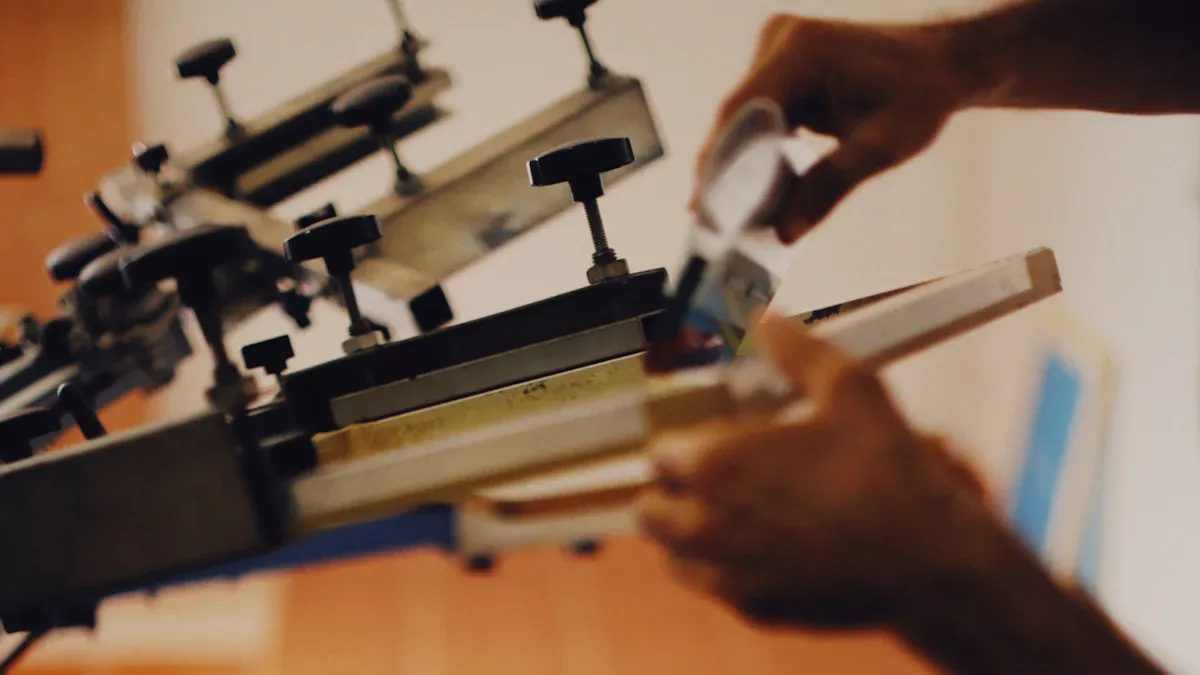
The success of any Direct-to-Film project hinges on the quality of its components. While ink and powder are crucial, the PET film is the foundational element that dictates the final outcome. Using a superior film is not an extra expense; it is a direct investment in print quality, durability, and operational efficiency. High-quality pet film sheets for dtf provide the stability and chemical properties necessary for a flawless transfer, ensuring every design meets professional standards.
Ensures Crisp and Vibrant Transfers
A premium DTF film acts as a perfect canvas for digital designs. Its specialized coating is engineered to manage ink with precision. This coating has an optimal ink absorption rate, typically allowing ink to set within 30 to 60 seconds. This rapid absorption prevents ink from spreading or bleeding, which is essential for maintaining sharp lines and intricate details.
The film's surface properties are critical. A high-quality coating controls the ink's surface tension, preventing it from beading up or flooding the area. This results in a smooth, even ink spread that is vital for achieving a wide color gamut and accurate, vibrant color reproduction.
Lower-quality films often lack a sufficient or properly formulated coating. This deficiency leads to blurry images, dull colors, and poor ink adhesion, ultimately compromising the final product's visual appeal.
Guarantees Print Durability and Longevity
The durability of a DTF transfer is a direct reflection of the film's quality. A superior film ensures the ink and adhesive powder bond correctly, creating a transfer that can withstand repeated wear and washing. Industry tests show that properly executed DTF prints can endure a significant number of wash cycles.
- Wash Resistance: High-quality transfers can typically withstand 50 to 100 washes before showing significant signs of cracking, fading, or peeling.
- Adhesion Strength: Premium films facilitate a strong bond between the ink and the fabric, passing rigorous adhesion tests where the ink remains firmly attached.
Furthermore, leading manufacturers often seek third-party certifications for their products. For instance, the OEKO-TEX Standard 100 certification verifies that a film is free from harmful substances. This commitment to quality control ensures a safer product for the end-user and signals a higher standard of manufacturing, which often correlates with better performance and durability.
Enables Versatile Application on Any Fabric
One of the greatest advantages of the DTF process is its incredible versatility, a feature unlocked by high-quality film. Unlike other printing methods limited to specific fabric types, DTF transfers can be applied to a vast array of materials. This includes natural fibers, synthetics, blends, and even hard surfaces.
High-quality pet film sheets for dtf work effectively on everything from cotton and silk to nylon and leather. This opens up endless creative and commercial possibilities. The technology particularly excels on popular modern apparel fabrics.
| Fabric Type | Performance with DTF | Best Uses |
|---|---|---|
| 100% Polyester | Excellent. Produces exceptional color vibrancy and offers very durable wash performance. | Sports jerseys, athletic wear, performance t-shirts, and outdoor apparel. |
| Tri-Blends | Excellent. Creates an incredibly soft, premium feel with a beautiful drape and fit. | Boutique retail items, high-end custom orders, and fashion-forward designs. |
Improves Your Production Workflow
In a commercial printing environment, efficiency is paramount. High-quality film is engineered to streamline the production process and minimize errors, saving both time and money. Key performance indicators differentiate a superior film from a standard one, directly impacting workflow. A dependable film offers:
- Clean Powder Shaking: Excess adhesive powder is easily shaken off, leaving no residue in non-printed areas. This ensures clean, sharp edges on the final design.
- Excellent Heat Resistance: The film remains stable and flat under the heat press, withstanding temperatures up to 160°C without warping, yellowing, or wrinkling.
- Predictable Peeling: Whether using a hot or cold peel film, the release is clean, quick, and easy. This consistency prevents mis-transfers and reduces waste.
- No Residue: A quality film leaves no sticky or shiny residue on the garment after peeling, resulting in a professional, matte finish.
Ultimately, investing in a better film reduces the rate of failed prints, leading to less material waste and a more predictable, efficient, and profitable operation.
Choosing the Right Type of DTF Film
Selecting the appropriate film is critical for optimizing print quality and production efficiency. The choice between hot peel and cold peel film depends entirely on the project's specific demands, from design complexity to production volume. Each type offers distinct advantages for different applications.
Hot Peel Film for Speed and Efficiency
Hot peel film is the go-to choice for high-volume production environments. Its primary benefit is speed, as the film is peeled away immediately after heat pressing. This eliminates cooling time and keeps the production line moving. This efficiency is ideal for:
- Bulk orders and projects with tight deadlines.
- Everyday apparel and high-volume promotional products.
- Finishing jobs faster, allowing businesses to accept more orders.
Proper settings are crucial for a successful transfer. The following parameters are recommended for cotton and cotton/poly blends.
| Setting | Value |
|---|---|
| Temperature | 300-315°F (149-157°C) |
| Time | 10-13 seconds |
| Peeling | Immediately after pressing |
Cold Peel Film for Detail and Durability
Cold peel film excels where fine detail and a premium finish are paramount. The process requires the transfer to cool completely before peeling, which typically takes 2-5 minutes. This extended cooling time allows the adhesive to settle deeply into the fabric fibers. This method is superior for:
- Designs with fine lines, small text, and intricate patterns.
- Achieving a durable, non-reflective matte finish.
- Ensuring every delicate detail of complex artwork remains intact.
The slower, more forgiving nature of cold peel pet film sheets for dtf makes it the preferred option for high-end custom apparel.
The Risks of Using Low-Quality Film
Using substandard film undermines the entire DTF process and leads to costly failures. Low-quality pet film sheets for dtf often have inconsistent coatings and poor chemical properties. These defects cause several common problems:
- Uneven ink absorption results in blotchy, dull colors.
- Poor ink adhesion causes prints to peel, crack, or fade after washing.
- Difficult peeling can damage the design and the garment.
Investing in quality film prevents these issues, ensuring professional results and protecting a business's reputation.
DTF PET film serves as the essential foundation for every print, dictating the final quality, durability, and versatility. Selecting premium pet film sheets for dtf is a direct investment in a business's efficiency and the professional results it delivers.
Note: Never compromise on film quality. It is the key component that makes the entire DTF process work effectively.
FAQ
Can DTF PET film be reused?
No, DTF PET film is a single-use product. The film's specialized coating is consumed during the transfer process. Attempting to reuse it leads to poor print quality and failures.
How should DTF film be stored?
Proper storage is essential for maintaining film quality. It ensures the material remains effective and ready for use.
Store the film in a cool, dry place away from direct sunlight. Keeping it in its original packaging protects it from humidity, dust, and physical damage.
Does the thickness of the film matter?
Yes, film thickness affects handling and heat stability. Thicker films (75-100 microns) provide better stability during printing and pressing, reducing the risk of curling or wrinkling under heat.
See Also
Leading Precoat Filtration Materials: Essential Choices for Advanced Systems in 2025
Industrial Applications and Solubility of 2,5-Furandicarboxylic Acid: A Comprehensive Guide
Enhancing TIG Welding: Key Facts About WT20 Thoriated Tungsten Electrodes
Understanding ISO 15547-1: Critical Information Every Professional Must Know
Exploring Novel Industrial Uses for N,N-Dimethyl-N,N-Diphenylurea Across Diverse Sectors