Exploring the Upsides and Downsides of Stainless Steel Water Dispensers
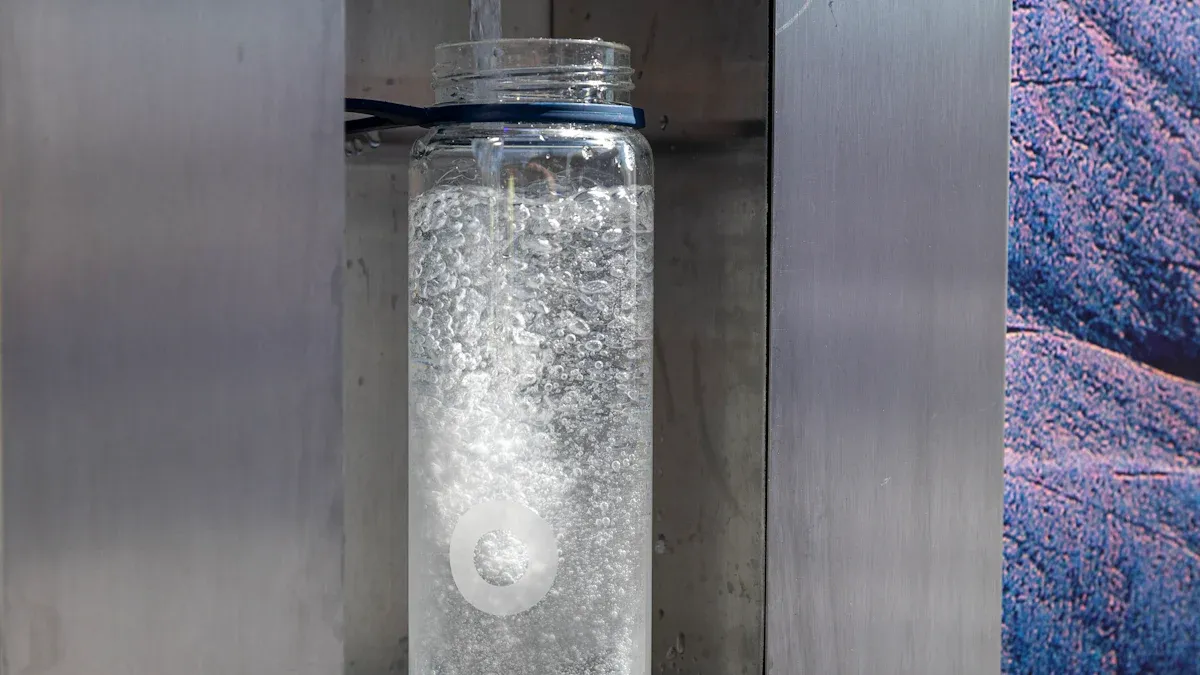
A water dispenser stainless steel provides excellent durability, better hygiene, and purer-tasting water. However, these models typically have a higher initial cost and are heavier than plastic alternatives.
Your final decision balances these factors. You must weigh your personal priorities, such as budget, aesthetics, and long-term value, to choose the best option.
Key Takeaways
- Stainless steel water dispensers offer great durability and keep water pure. They are a healthy choice because they do not hold germs easily.
- These dispensers cost more money at first. They are also heavy and can show fingerprints easily.
- Consider your budget and how you will use the dispenser. This helps you choose between stainless steel and plastic models.
Why Choose a Stainless Steel Water Dispenser? The Pros
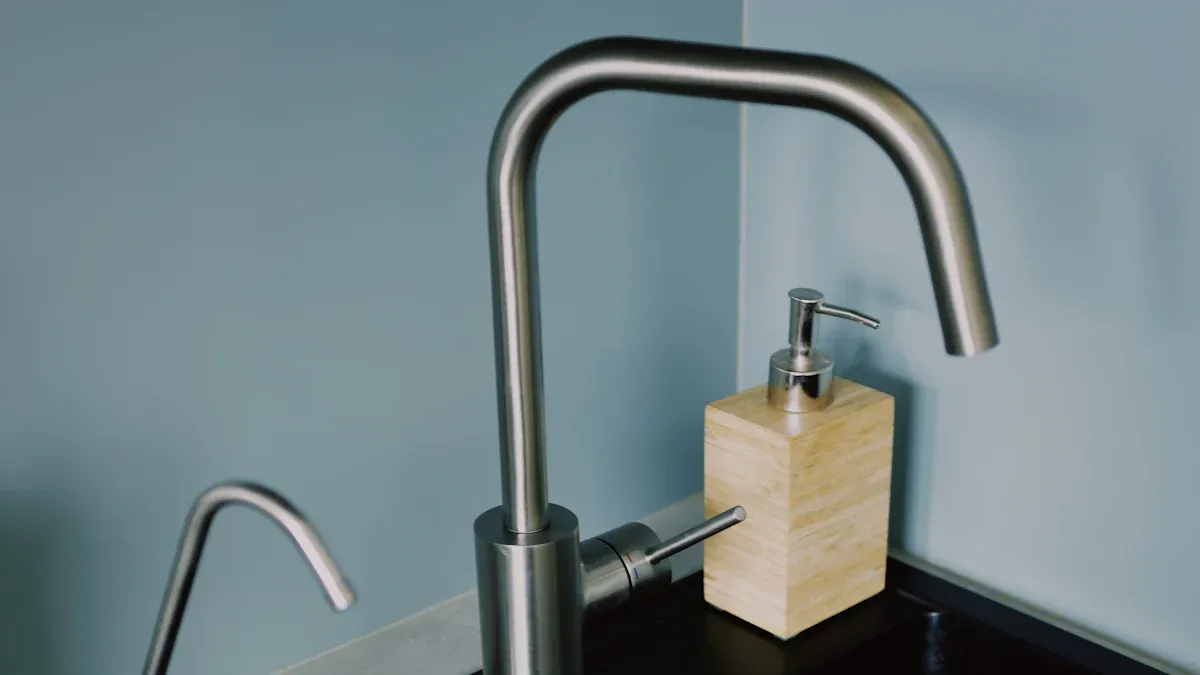
When you invest in a water dispenser, you want a unit that delivers on performance, safety, and style. Stainless steel models excel in several key areas, making them a popular choice for homes and offices. They offer significant advantages that justify their position as a premium option.
Built for Durability and Long-Term Use
You can expect a stainless steel dispenser to last for many years. The material is incredibly strong and resilient. It resists rust, corrosion, and stains far better than plastic. This inherent toughness means your dispenser can handle the daily demands of a busy household or office without showing signs of wear. While plastic models can become brittle and crack over time, a stainless steel unit maintains its structural integrity. This durability makes it a reliable, long-term investment for providing clean water.
A Healthier Choice for Pure Water
Your health is a top priority. Stainless steel offers superior hygiene compared to plastic. Its non-porous surface makes it difficult for bacteria and germs to attach and grow. Scientific studies consistently show that plastic surfaces harbor more bacteria than stainless steel ones.
- A comparative study found that the microbial load in plastic (PET) water bottles was significantly higher than in stainless steel bottles.
- Plastic has a rougher, more porous surface with tiny gaps where bacteria can hide and multiply.
- Stainless steel’s smooth surface and corrosion resistance prevent the formation of small cracks, leaving fewer places for germs to breed.
- The material’s high chromium and nickel content creates a protective film that naturally inhibits microbial attachment.
Major health and safety organizations recognize the importance of sanitary surfaces for food and water. In the United States, agencies like the FDA and USDA set strict hygiene standards. The food and beverage industry relies on food-grade stainless steel to meet these regulations and prevent contamination. Choosing a water dispenser stainless steel aligns your home with these high safety standards.
Preserves the Crisp Taste of Water
You drink water to feel refreshed, not to taste plastic. Stainless steel is an inert material. This means it does not react with the water it holds. Your water will always taste pure and clean, just as it should.
Plastic, on the other hand, can negatively affect water’s flavor.
Over time, plastic components can degrade and release compounds into the water. This process, known as leaching, often accelerates when the dispenser is exposed to heat or sunlight, resulting in a noticeable chemical or plastic-like taste.
A stainless steel dispenser ensures that the only thing you taste is crisp, refreshing water. It preserves the natural flavor without adding any unwanted elements, providing a superior drinking experience every time.
Sleek Aesthetics for Modern Spaces
You want your appliances to complement your home or office decor. Stainless steel offers a timeless and sophisticated look that plastic simply cannot match. Its clean lines and metallic sheen fit seamlessly into modern kitchens, contemporary offices, and stylish break rooms. The neutral silver tone pairs well with almost any color scheme or design style, from industrial to minimalist. This elegant appearance elevates the look of your space, turning a functional appliance into a design feature.
What Are the Drawbacks? The Cons
While stainless steel dispensers offer many benefits, you should also consider their potential downsides. These models are not perfect for every situation. Understanding the drawbacks helps you make a fully informed decision before you buy.
The Higher Upfront Investment
You will notice that stainless steel water dispensers have a higher price tag than their plastic counterparts. The cost reflects the quality and durability of the material. Manufacturing stainless steel is a more complex and expensive process. This initial investment can be a significant factor, especially if you are working with a tight budget. You are paying for a premium product, so you must decide if the long-term benefits justify the higher upfront cost for your home or office.
Heavy and Less Portable
You should prepare for the weight of a stainless steel unit. Steel is much denser and heavier than plastic. This makes the dispenser difficult to move. If you plan to place your dispenser in one spot and leave it there, this may not be an issue. However, if you need to move it for cleaning or rearrange your space frequently, its weight can become a real inconvenience. The lack of portability makes it less ideal for temporary setups or for people who move homes often.
Prone to Smudges and Dents
You will find that a shiny stainless steel surface shows fingerprints, smudges, and water spots very easily. This means you will need to clean it regularly to maintain its sleek appearance. Luckily, you have many effective cleaning options.
- Specialty Cleaners: A plant-based product like Therapy Stainless Steel Cleaner & Polish can leave a great shine and repel future prints.
- Simple Solutions: You can use rubbing alcohol for a quick, streak-free clean. Dish soap and warm water also work well.
- Natural Methods: A mix of vinegar and olive oil can remove smudges and polish the surface naturally.
It is very important to check your cleaning product's ingredients. You should never use cleaners containing ammonia, such as some glass cleaners. Ammonia can cause pitting and permanently damage the stainless steel finish.
Beyond smudges, the metal is also susceptible to dents. An accidental bump from a chair or a dropped item can leave a noticeable mark. Repairing these dents can be tricky. Small, shallow dents might be fixable with DIY methods, but you risk making things worse. Deeper or more complex dents are nearly impossible to fix perfectly without professional help, often leaving you with an uneven surface.
Conducts Ambient Temperature
You might not realize that stainless steel is a good conductor of heat. This property can affect your water's temperature. If you place your water dispenser stainless steel in a warm room, the metal body can absorb the ambient heat. This heat then transfers to the water inside the reservoir, potentially making your cool water warmer than you would like. Quality dispensers combat this with good insulation around the cooling tanks. However, in a poorly insulated model, the material's thermal conductivity can interfere with the unit's ability to keep water consistently cold.
Key Factors for a Water Dispenser Stainless Steel vs. Plastic
When you compare models, you should look at five key areas. These factors will help you decide which material is the right fit for your needs.
Durability and Lifespan
You need a dispenser that lasts. Stainless steel is significantly stronger than plastic. This strength means it resists cracks and damage far better over its lifetime.
- A basic steel alloy has a tensile strength of 620 MPa.
- This is over four times stronger than a tough polymer, which has a strength of around 150 MPa. A steel unit offers you superior long-term durability.
Hygiene and Chemical Safety
Your health is the top priority. Stainless steel is inert, so it does not add chemicals to your water. Plastic, however, can be a concern. Even plastics marked "BPA-free" may contain other chemicals like BPS or BPF. These substances can act similarly to BPA and may leach into your water over time. Some plastics can also release phthalates.
Cost-Effectiveness Over Time
You must consider the total cost. Plastic dispensers are cheaper to buy initially. However, their shorter lifespan may mean you have to buy replacements sooner. A water dispenser stainless steel costs more upfront but can save you money in the long run because you will not need to replace it as often.
Weight and Portability
You should think about how often you might move the unit. Plastic is very lightweight. This quality makes it easy to carry and results in lower shipping costs. In contrast, steel is much heavier. Its weight increases shipping expenses and makes the dispenser harder to move around your home or office.
Appearance and Maintenance
You want an appliance that looks good in your space. Steel offers a modern, premium look. You can also find models with unique finishes to match your decor.
Custom Finishes: Many brands offer special coatings for their steel dispensers. Popular options include Powder Coating for a matte look or PVD for different metallic colors.
Plastic models are functional but generally offer a less sophisticated appearance.
Is It a Cost-Effective and Eco-Friendly Choice?
You should look beyond the initial price to see the full value of your purchase. A stainless steel dispenser offers significant long-term financial and environmental benefits. You invest in a product that saves you money over time and helps protect the planet.
Analyzing the Long-Term Savings
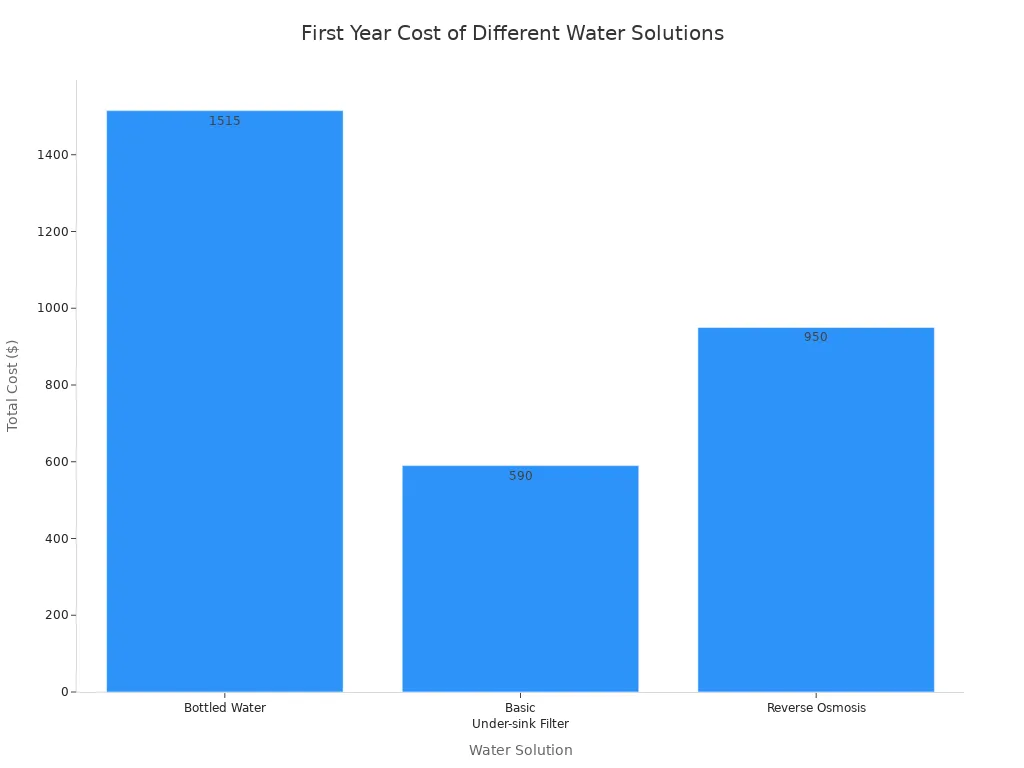
You can save a lot of money by switching from bottled water to a home filtration system. While the upfront cost of a quality dispenser is higher, the savings add up quickly. Over a five-year period, a family can save around $3,495. If you look at a 10-year horizon, those savings can grow to nearly $8,000. You stop paying for single-use plastic bottles and instead invest in a durable solution. The chart below shows how a filtration system costs much less than bottled water, even in the first year.
Environmental Impact Compared to Plastic
You can make a positive impact on the environment with your choice. Steel is one of the most recycled materials on the planet. It has a global recycling rate of 70-80%. This means most of the material from an old appliance can be reused to create new products.
In contrast, plastic has a much lower recycling rate. In the U.S., only about 5-6% of plastic packaging gets recycled. This difference makes a water dispenser stainless steel a far more sustainable option. You choose a material that is part of a circular economy instead of one that often ends up in landfills.
A water dispenser stainless steel is an excellent investment if you prioritize long-term value, health safety, and pure water taste.
You should choose this option if you are willing to pay more upfront. It is less ideal for you if you need a lightweight, portable unit or have a strict budget.
FAQ
How often should you clean a stainless steel dispenser?
You should wipe the exterior weekly to remove smudges. A deep clean of the internal parts is recommended every 3-6 months to ensure optimal hygiene and performance.
Is food-grade stainless steel safe for drinking water?
Yes, it is very safe. Food-grade stainless steel is non-porous and inert. It does not leach chemicals into your water, ensuring a pure and clean taste.
How can you prevent dents on a stainless steel dispenser?
You can prevent most dents by placing the unit in a low-traffic area. Avoid putting heavy objects on top of it or bumping it with furniture during cleaning.