Your Complete Hot and Cold Water Dispenser Buying Guide
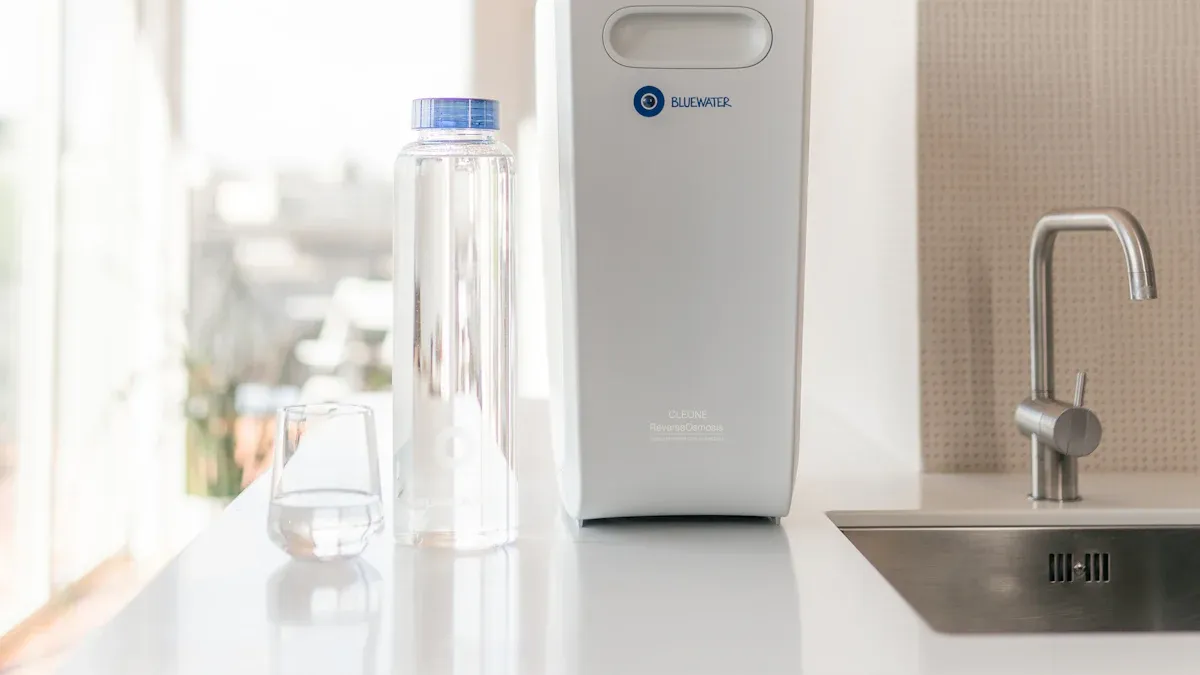
Do you want instant access to perfectly chilled or piping hot water? 💧 You join a growing trend. The global market for the water dispenser hot and cold water was valued at USD 2,983.7 million in 2023. It is projected to reach USD 5,349.9 million by 2030. Your ideal choice depends on your space and water needs.
Key Takeaways
- Choose your water dispenser type based on your space and water needs. Options include bottleless, traditional bottled, countertop, and freestanding models.
- Look for key features like temperature controls, built-in filtration, child safety locks, and energy efficiency to match your daily needs.
- Proper installation and regular cleaning are important for your dispenser. This keeps your water fresh and the unit working well.
First, Choose Your Dispenser Type
Your first major decision is selecting the type of water dispenser. This choice impacts cost, convenience, and installation. You have four main categories to consider. Each one offers unique benefits for different homes and offices.
Bottleless (Point-of-Use) Dispensers
You connect a bottleless dispenser directly to your building's water line. This option gives you an endless supply of filtered water. You never have to worry about running out or storing heavy jugs. The initial setup is more involved, but the long-term convenience is a major advantage.
The financial benefits are also compelling. You can save a significant amount of money by switching from bottled water. For home use, you might save up to $500 per year. A family of four could see savings over $4,000 annually. A direct comparison shows the first-year cost difference.
| System | Year 1 Total Cost |
|---|---|
| Bottled Delivery Service | $1,980 |
| Bottleless Dispenser | $820 |
Installation requires connecting to your plumbing. A professional handles this process in a few steps:
- Site Assessment: A technician checks your space and water supply.
- System Selection: You choose a cooler that fits your needs.
- Installation: The technician connects the unit to your plumbing and installs filters, such as those for chlorine removal.
- Testing: The system is tested to make sure the water quality is excellent.
Note: You should consult an expert for installation. This helps you avoid potential plumbing problems and ensures your dispenser works correctly from day one.
Traditional Bottled Water Coolers
These are the classic dispensers you see in many offices. You place a large 3- or 5-gallon water jug on top of the unit. Their main advantage is portability. You can place them anywhere with an electrical outlet. Setup is simple. You just need to buy and load the water bottles.
However, you must consider the ongoing costs and effort. The price for a 5-gallon jug is typically around $7. The cost can change based on the water type, like spring or purified water. Delivery services often charge more than picking it up yourself.
| Service Type | Price per 5-Gallon Bottle |
|---|---|
| Delivery | $7.75 |
| Cash & Carry | $5.00 |
The environmental impact of plastic bottles is also significant.
- Depletion of Natural Resources: Taking water from natural springs can harm local ecosystems and reduce water availability for communities.
- Large Carbon Footprint: The energy used to produce, bottle, and transport water is up to 2,000 times greater than for tap water. This process creates a lot of greenhouse gases.
- Plastic Pollution: Most plastic bottles are not recycled. They end up in landfills and oceans, where they take hundreds of years to break down and harm marine life.
Countertop Models for Small Spaces
Do you have limited floor space in your kitchen, dorm, or small office? A countertop model is an excellent solution. These compact units sit on your counter, providing hot and cold water without taking up a large footprint. You can find both bottled and bottleless versions.
Several models are highly rated for smaller environments.
- The Avalon A8 Bottleless dispenser is a perfect choice for small homes and can rest easily on a desk.
- The Frigidaire EFWC519 is often rated best for a small office due to its efficient operation.
- A Costway model is lightweight and about a third smaller than a freestanding cooler.
These models vary in size, so you can find one that fits your exact space. Here are the typical dimensions for some popular countertop units.
| Model Name | Capacity | Product Dimensions (inches) |
|---|---|---|
| Amay Countertop | 5 Gallons | 13"D x 12.2"W x 15.8"H |
| Avalon Premium | 5 Cubic Feet | 13"D x 12"W x 19"H |
| Vitapur Countertop | 5 Gallons | 11"D x 11.1"W x 15"H |
| Brio Limited Edition | 5 Gallons | 15"D x 17.5"W x 20.5"H |
Freestanding Models for Higher Capacity
Freestanding models are the best choice for high-traffic areas. You see them in busy offices, waiting rooms, and large households. These floor units offer the largest capacity and most robust performance. Like countertop models, they are available in both bottled and bottleless styles. A freestanding water dispenser hot and cold water provides instant refreshment for many people throughout the day.
Pro Tip: If you choose a bottled freestanding model, look for a bottom-loading design. This feature eliminates the need to lift and flip heavy 5-gallon jugs, saving you from potential back strain. You simply slide the bottle into a cabinet at the base of the cooler.
Key Features of a Water Dispenser Hot and Cold Water
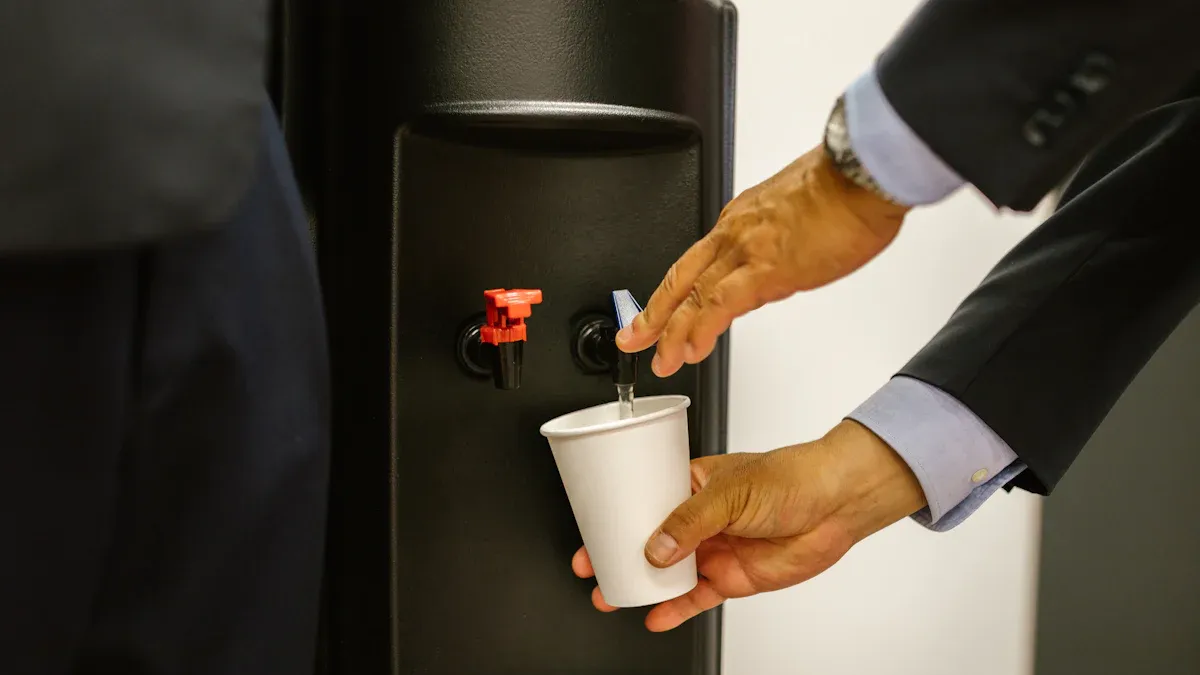
After you choose a dispenser type, you need to look at its features. These details determine how convenient, safe, and efficient your unit will be. Understanding these key features helps you find the perfect model for your daily needs.
Temperature Options and Controls
You want a dispenser that delivers water at your preferred temperature. Most units offer fixed hot and cold settings. Hot water is usually hot enough for tea or instant noodles, while cold water is perfectly chilled for drinking. Some advanced models give you more control.
An adjustable thermostat allows you to set your preferred temperature. You can often choose a hot water temperature between 190°F and 210°F. This feature gives you convenience and helps save energy. You only heat the water to the temperature you actually need.
Some units even offer a third temperature option for room-temperature or cool water. This is great if you prefer water that is not ice-cold.
Built-in Water Filtration Systems
The quality of your drinking water is very important. Many bottleless dispensers include built-in filtration systems. These systems remove impurities directly from your tap water. A good filter ensures your water is clean, safe, and tastes great. You should look for filters certified by NSF/ANSI. These certifications mean the filter is tested to remove specific contaminants.
High-quality filters can remove a wide range of harmful substances.
- Lead (up to 99.9% removal)
- "Forever Chemicals" like PFAS (up to 99.6% removal)
- Fluoride (up to 97.8% removal)
- Microplastics (up to 99.6% removal)
- Pesticides like Glyphosate (up to 99.9% removal)
- Chlorine and Benzene
Dispensers use different filtration technologies. The two most common are Carbon Filters and Reverse Osmosis (RO). Each has its own strengths.
| Feature | Reverse Osmosis | Carbon Filter |
|---|---|---|
| How It Works | Uses a special membrane to remove tiny dissolved impurities. | Uses activated carbon to absorb unwanted tastes and odors. |
| Removes | Removes up to 97% of contaminants like lead, fluoride, bacteria, and viruses. | Removes chlorine and improves taste. Less effective against dissolved solids or viruses. |
| Best For | You want the purest water possible, free from nearly all contaminants. | You want to improve the taste and smell of your tap water. |
Capacity and Dispensing Speed
Capacity refers to how much water the unit can hold and dispense. For bottled coolers, the capacity is the size of the jug, usually 3 or 5 gallons. For bottleless models, capacity refers to the internal hot and cold water tanks. A larger tank means you can dispense more water before the unit needs to chill or heat more.
Dispensing speed, or flow rate, is also important. A high flow rate is useful in busy offices where many people fill their bottles back-to-back. A slower flow rate is usually fine for home use.
Child Safety Locks for Hot Water
Safety is a top priority, especially in a home with young children. The hot water from a dispenser is hot enough to cause serious burns. Almost every water dispenser hot and cold water comes with a child safety lock on the hot water tap. This feature requires a specific action, like pushing a button and a lever at the same time, to dispense hot water. You should always check for this essential safety feature before buying a unit for your home.
Energy Efficiency and Eco Modes
A water dispenser hot and cold water runs 24/7 to keep water at the right temperature. This uses electricity. To save money and reduce your carbon footprint, you can look for an ENERGY STAR® certified model. Many modern dispensers also include an eco-mode or sleep mode. This feature intelligently reduces energy use when the dispenser is not active.
Eco-modes work in a few smart steps:
- Data Collection: The unit learns your water usage patterns.
- Prediction: It predicts when you will need hot or cold water next.
- Scheduling: The system schedules heating and cooling cycles just before you need them.
- Sleep Mode: The dispenser enters a low-power sleep mode during inactive periods, like overnight.
This technology can reduce electricity consumption by up to 28% each month without affecting performance.
Design, Materials, and Finishes
Your water dispenser should match your space. Models come in various colors, from classic white and black to modern stainless steel. The materials affect both the look and the durability of the unit.
For a clean and long-lasting appearance, you should consider specific finishes.
Anti-fingerprint stainless steel and laminated metal panels are excellent choices. These materials have special coatings that resist fingerprints, water spots, and coffee stains. They are also very durable and resistant to scratches and rust, keeping your dispenser looking new for years.
Choosing a high-quality finish means you will spend less time cleaning the exterior and more time enjoying fresh water.
Installation and Long-Term Maintenance
To keep your water fresh and your dispenser running smoothly, you need to think about setup and upkeep. Proper installation and regular cleaning are essential for performance and hygiene.
DIY vs. Professional Installation
Your dispenser type often decides the installation method. Bottled coolers are simple plug-and-play units. Bottleless dispensers connect to your water line, which may require professional help. If you decide to install a bottleless unit yourself, you will need some basic tools.
- Drill
- Drywall Knife
Note: For bottleless models, we recommend you hire a professional. This ensures the connection is secure and prevents potential water damage.
Cleaning Your Water Dispenser
You must clean your dispenser regularly to prevent the growth of bacteria and mold. A consistent schedule keeps your water tasting great and safe to drink.
- Daily: You should wipe down the exterior and empty the drip tray.
- Every 3-6 Months: You need to perform a deep clean to sanitize the unit's interior reservoirs and spigots.
For a deep clean, you can use a solution of equal parts white vinegar and water. Pour the solution into the reservoir, let it sit, and then drain it through the spigots. Finally, you must rinse the system thoroughly with fresh water until any vinegar taste is gone.
Changing Filters and Bottles
Maintenance also includes changing filters or bottles. For bottleless units, you should replace filters every 6 to 12 months for residential use. Filter costs vary by system.
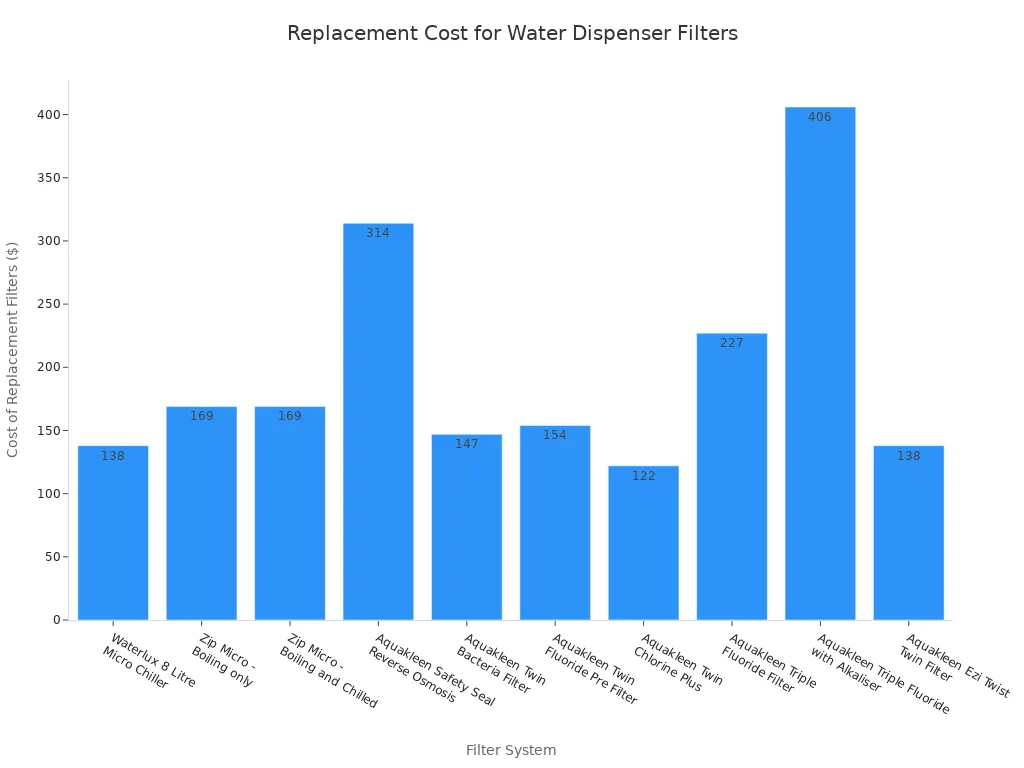
If you have a top-loading bottled cooler, you must lift heavy jugs safely.
“The most common mistake we see is people bending over at the waist and yanking the bottle up with their back and arm muscles... Always remember: squat down, keep the load close, and lift with the power of your legs.”
Following these maintenance steps will ensure your dispenser provides clean, refreshing water for years.
Our Top Water Dispenser Recommendations
Choosing a dispenser can be tough. We have selected top models in key categories to help you decide. These recommendations balance performance, features, and user satisfaction. You can use them as a starting point for your search.
Best Bottleless: Avalon A5
The Avalon A5 is a top-tier bottleless dispenser. You connect it directly to your water line for an endless supply of pure water. It offers three temperature settings: crisp cold, room temperature, and piping hot. The unit includes a dual filtration system to remove lead, chlorine, and other contaminants.
A key benefit is its self-cleaning feature. You can activate an ozone function to sanitize the water tanks and lines, ensuring your water stays fresh and clean with minimal effort.
Best Countertop: hOmeLabs Countertop
You can get hot and cold water without sacrificing floor space with the hOmeLabs Countertop dispenser. This compact model is designed for small kitchens, dorm rooms, or offices. It accommodates both 3- and 5-gallon water jugs. The user-friendly design features simple push-button controls and a removable drip tray for easy cleaning.
This dispenser is perfect for anyone needing a simple, effective solution. You just plug it in, load a water bottle, and enjoy instant refreshment.
Best Bottom-Loading: Primo Bottom Loading
The Primo Bottom Loading dispenser eliminates the hardest part of owning a bottled cooler. You no longer need to lift and flip heavy water jugs. You simply slide the bottle into the cabinet at the base of the unit. This model provides ice-cold and piping-hot water on demand. Its sleek stainless steel finish fits well in any modern home or office.
The bottom-loading design is its greatest strength. It saves you from potential back strain and makes bottle changes quick and easy.
Your ideal water dispenser hot and cold water hinges on three main choices. You must consider the dispenser type, its placement, and key features. Match these factors to your daily water habits, available space, and budget. You are now ready to choose a unit that brings refreshment to your home or office.
FAQ
How often should I clean my water dispenser?
You should wipe the exterior daily. Perform a deep clean of the internal parts every 3 to 6 months to prevent bacteria and ensure your water tastes fresh.
Can I use tap water in a bottled dispenser?
You should not use tap water in a standard bottled cooler. These units do not have filters. Unfiltered water can cause mineral buildup and affect the taste.
How much electricity does a water dispenser use?
A water dispenser hot and cold water uses about the same energy as a mini-fridge. You can choose an ENERGY STAR model to lower your electricity costs.