Dispenser or Pitcher Finding Your Perfect Water Solution
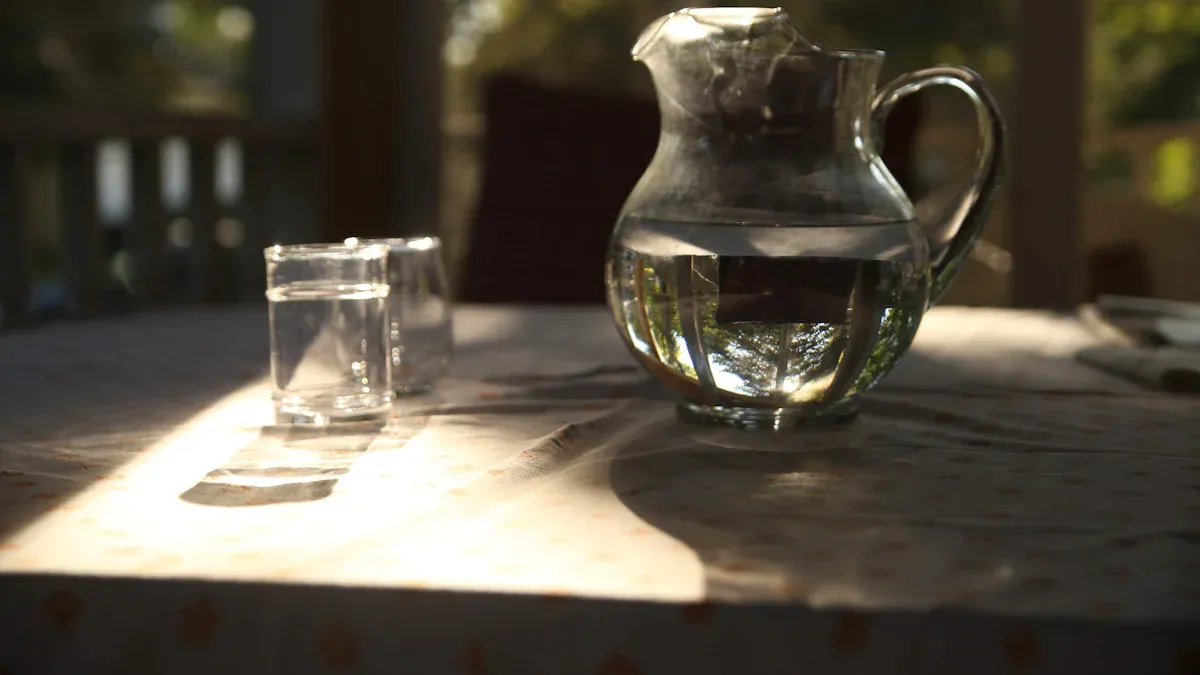
An increasing number of people are choosing to filter their water. You might be one of the many households looking for a better hydration solution. Deciding between a water dispenser at home or a simple pitcher depends on your needs. This choice often comes down to convenience and capacity versus simplicity and cost.
Key Takeaways
- Choose a water pitcher for low cost, small spaces, and simple water filtering.
- Select a water dispenser for large families, instant hot and cold water, and advanced filtering.
- Consider both the initial price and ongoing costs like filters or electricity when deciding.
Quick Comparison: Dispenser vs. Pitcher at a Glance
Choosing the right water solution can be simple. You can weigh your options by looking at a few key differences between pitchers and dispensers. This quick guide breaks down what you need to know.
Initial and Long-Term Cost
Pitchers have a very low upfront cost, making them an easy first step into filtered water. However, you will need to buy replacement filters regularly. Dispensers require a larger initial investment. Your long-term costs depend on whether you refill your own bottles or use a delivery service.
Convenience and Access
A pitcher requires you to manually fill it from the tap and wait for the water to filter through. A water dispenser at home provides instant access to filtered water, often with hot and cold temperature options, directly from a spout.
Good to Know: Filtering a full pitcher is not instant. You should expect it to take a few minutes. If water flows through in just seconds, your filter might not be seated correctly.
Water Capacity
Water filter pitchers are small. They are great for individuals or couples. Water dispensers hold much more water. They typically use large 3 or 5-gallon bottles, making them ideal for families or anyone who drinks a lot of water.
Filtration Effectiveness
Standard pitcher filters improve taste and odor by reducing chlorine. Many dispensers use similar filtration technology but can sometimes offer more advanced, multi-stage filtering systems for removing a wider range of contaminants.
Space Requirements
A pitcher is compact and easily fits inside your refrigerator. A dispenser is a standalone appliance that requires its own dedicated floor space in your kitchen or office.
Cost Breakdown: Upfront vs. Long-Term Expenses
When you choose a water solution, you should consider both the initial price and future costs. Your budget plays a big role in this decision. Let's break down the expenses for both pitchers and dispensers.
The Budget-Friendly Pitcher
Water filter pitchers are very affordable to start. You can buy a new pitcher for a low price, often under $40. The main ongoing cost is for replacement filters.
- Initial Cost: Low (typically $20 - $40)
- Ongoing Costs: You will need to buy new filters every two to six months. A pack of filters can cost between $15 and $30.
These costs make pitchers an excellent choice if you have a tight budget or just want to try filtered water without a big commitment.
The Dispenser as an Investment
A water dispenser at home is a larger purchase. The initial price for a unit can range from $150 to over $300. Your long-term expenses include the cost of water and electricity. You can choose to refill your own 3 or 5-gallon jugs at a store, which is cheaper. You could also use a water delivery service, which is more convenient but costs more.
Tip: Don't forget about electricity! A dispenser that heats and cools water uses energy. This will add a small amount to your monthly utility bill.
The electricity use depends on the functions you use. Here is a general idea of the power consumption.
| Function | Daily Consumption (kWh) | Annual Consumption (kWh) |
|---|---|---|
| Cold Water Only | 0.3 - 1.2 | N/A |
| Hot and Cold Water | 2.8 | 912 |
While the upfront cost is higher, a dispenser can be a worthwhile investment for families needing large amounts of filtered water.
Convenience Factor: Refills and Instant Access
Your daily routine plays a big part in choosing a water solution. How you get your water—and how often you refill—defines convenience. Let's compare the daily experience with pitchers and dispensers.
Pitchers: Simple, Portable, but Manual
A water filter pitcher offers straightforward convenience. You fill it directly from your tap and place it in the fridge. The main task is the manual refilling. You will likely need to refill the pitcher one or more times per day, depending on your water intake. Portability is a key benefit; you can easily carry the pitcher to the dinner table or an outdoor patio.
Filter Lifespan: While you refill the pitcher with water daily, the filter itself lasts much longer. A single filter in a standard 10-cup pitcher can often process enough water for about 640 eight-ounce glasses before you need to replace it.
The process is simple: fill, wait for it to filter, and pour. This manual approach works well if you don't mind the small wait time.
Dispensers: Hot and Cold Water on Demand
A water dispenser at home provides the ultimate convenience for instant access. You get filtered water immediately with the push of a button or lever. There is no waiting for water to filter. The biggest advantage is temperature control.
- Hot Water: Instantly make tea, oatmeal, or hot cocoa.
- Cold Water: Enjoy a perfectly chilled glass of water anytime.
- Room-Temp Water: Many models also offer a third, room-temperature option.
Refilling involves replacing a large 3 or 5-gallon bottle, which is much less frequent than refilling a pitcher. However, the bottles are heavy and require some strength to lift and replace.
Capacity: Matching Your Household's Needs
How much water does your household drink each day? The answer helps you choose the right water solution. Capacity is a major difference between a pitcher and a dispenser. You should match the water supply to your daily needs.
Pitchers for Individuals and Small Homes
Water filter pitchers are designed for personal use or small households. They offer a limited but convenient supply of fresh water.
- Standard Pitcher: Holds about 10 cups (0.6 gallons)
- Large Pitcher: Holds up to 18 cups (1.1 gallons)
A pitcher works perfectly if you live alone or with one other person. You can easily keep it full with a few trips to the sink each day. However, a pitcher may feel too small if your family drinks a lot of water. You will find yourself refilling it constantly.
Dispensers for Families and Offices
Dispensers are built for high-demand environments like busy homes and offices. They connect to large water bottles, providing a huge supply of water.
A standard 5-gallon dispenser bottle holds the equivalent of eighty 8-ounce glasses of water. This is about eight times more water than a standard 10-cup pitcher.
A water dispenser at home is an excellent choice for families. It meets the hydration needs of multiple people without requiring constant attention. You replace the large bottle every few days or weeks, not multiple times a day. This high capacity ensures that fresh, filtered water is always available for everyone.
Filtration Power: What Contaminants Are Removed?
The main reason you filter water is to make it cleaner. However, not all filtration systems are created equal. The type and number of contaminants a system removes can vary greatly. Let's explore what you can expect from the filters in a standard pitcher versus the advanced options available with some water dispensers.
Standard Pitcher Filtration
Most water filter pitchers use a simple yet effective method: an activated carbon filter. As water passes through, the carbon traps certain impurities. This process primarily improves the aesthetic qualities of your tap water, meaning its taste and smell.
A standard pitcher filter is certified to reduce several common substances. You can expect a noticeable improvement in your water's quality. These filters typically reduce:
- Chlorine (improves taste and odor)
- Zinc (reduces metallic taste)
- Copper
- Mercury
- Cadmium
Good to Know: A typical activated carbon filter in a pitcher can clean about 40 gallons of water. After that, you will need to replace it to ensure it keeps working effectively.
While these filters do a great job of making water more pleasant to drink, they do not remove every possible contaminant.
Advanced Dispenser Filtration Options
If you are concerned about a wider range of contaminants, a water dispenser may offer more powerful filtration. While many dispensers use standard carbon filters similar to pitchers, some models—especially point-of-use systems that connect to your water line—can incorporate advanced technologies.
Two powerful options are Reverse Osmosis (RO) and Ultraviolet (UV) Disinfection.
- Reverse Osmosis (RO): This process pushes water through a special membrane that blocks an extremely wide range of contaminants.
- UV Disinfection: This system uses ultraviolet light to kill bacteria and viruses, sterilizing the water.
These advanced systems can remove many more contaminants than a standard pitcher filter.
Advanced filters can remove heavy metals like arsenic, chemicals like pesticides and pharmaceuticals, and even microscopic organisms. This includes bacteria, viruses, and "forever chemicals" (PFAS), offering a much higher level of purification.
Understanding NSF/ANSI Certifications
When you shop for a filter, you will see labels like "NSF/ANSI Certified." These certifications are your proof that a filter does what it claims. They are independent standards that verify a product's performance. Here are the three main ones to look for.
NSF/ANSI 42: Aesthetic Effects This standard certifies that a filter improves the taste, odor, and appearance of water. If you just want water that tastes and smells better, a filter with this certification is a great choice. It confirms the reduction of non-health-related contaminants.
| Contaminant | Certified Reduction |
|---|---|
| Chlorine | 99% |
| Chloramine | >97.5% |
| Particulates (Class I) | >99% |
NSF/ANSI 53: Health Effects This is a much stricter standard. It certifies that a filter can remove specific contaminants that can be harmful to your health. If you are worried about things like lead or industrial chemicals, you should look for this certification. Contaminants covered include:
- Lead
- Mercury
- Asbestos
- Volatile Organic Compounds (VOCs)
- PFOA/PFOS
NSF/ANSI 401: Emerging Contaminants This newer standard addresses public concern over "emerging contaminants" found in water. It certifies that a filter can reduce trace amounts of pharmaceuticals, herbicides, and pesticides that may not be regulated by other standards. Examples include:
- Prescription drugs (e.g., atenolol)
- Over-the-counter medications (e.g., naproxen)
- Herbicides (e.g., metolachlor)
- Pesticides and chemical compounds (e.g., DEET)
Checking for these certifications helps you choose a filter that truly meets your household's health and safety needs.
The Benefits of a Water Dispenser at Home
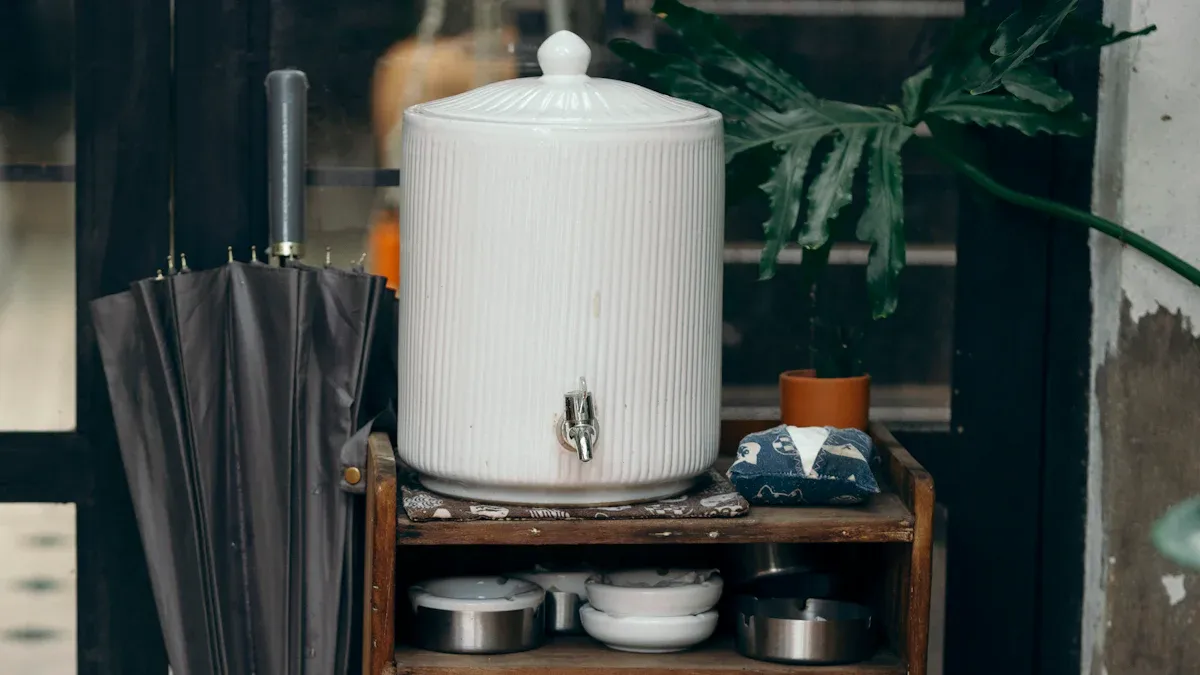
A water dispenser offers more than just filtered water. It can transform your daily routine and even become a stylish part of your kitchen. You might find it is the perfect upgrade for your family’s hydration needs.
Ideal for Busy Households
For a busy family, time is valuable. A water dispenser saves you time and effort. You no longer need to refill a small pitcher multiple times a day. Everyone in the family gets instant access to fresh water. The instant hot water feature is a game-changer for quick meals and drinks. You can prepare oatmeal, tea, or hot cocoa in seconds without waiting for a kettle to boil. This convenience helps keep your busy household running smoothly.
A Centerpiece for Hydration
Modern dispensers are designed to be both functional and beautiful. A new water dispenser at home can act as a central hub that encourages everyone to drink more water. Many now offer amazing features that go beyond simple dispensing.
- Choose between still or sparkling water.
- Add enhancements like vitamins or electrolytes.
- Mix natural fruit flavors to create custom drinks.
- Track your environmental impact by seeing how many plastic bottles you have saved.
Today’s dispensers feature sleek, minimalist designs. They use premium materials like stainless steel and have clean lines with touch controls. You can even find them in customizable finishes like matte black to match your kitchen’s style.
Why a Water Filter Pitcher Might Be Your Best Bet
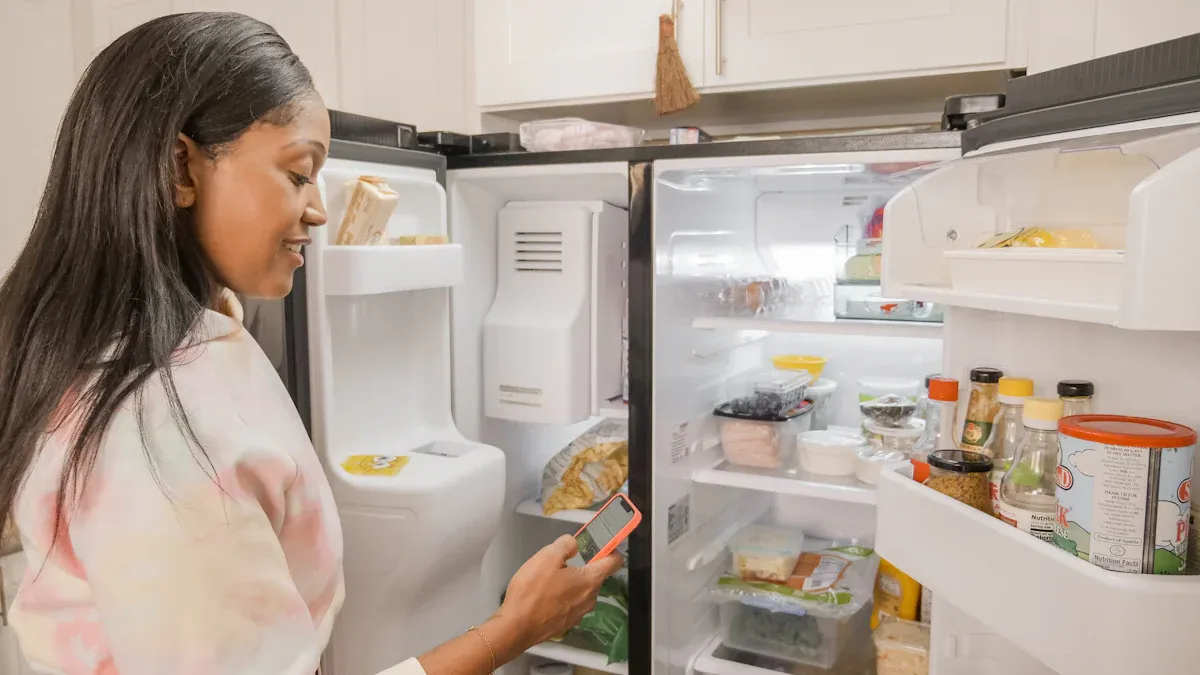
Sometimes, the simplest solution is the most effective. A water dispenser is a great appliance, but a filter pitcher offers unique advantages. You might find that its simplicity and small footprint are exactly what you need for your lifestyle.
The Ultimate Space-Saver
Space is a luxury in many homes. A water filter pitcher is the perfect choice when you have limited room. It does not require any dedicated floor space. You can simply store it on a shelf inside your refrigerator.
A pitcher keeps your countertops clear and your kitchen feeling open. You get the benefit of filtered water without adding another large appliance to your home.
This compact design makes it an easy addition to any kitchen, no matter the size. You get fresh, cold water without sacrificing valuable living area.
Perfect for Renters and Students
Your living situation can change. A water filter pitcher offers flexibility that is perfect for temporary homes. If you are a renter or a student living in a dorm, a pitcher is an ideal choice.
- No Installation: You can use it right out of the box.
- Low Commitment: It is an inexpensive purchase with no contracts.
- Portable: You can easily take it with you when you move.
A pitcher provides a simple, effective water filtration solution. You do not need your landlord's permission or any special tools. It is the easiest way to get better-tasting water in a temporary living space.
Your perfect water solution depends on your needs. A water dispenser is the superior choice for high-capacity use and instant temperature control. A water filter pitcher offers simplicity and effectiveness for budget-conscious individuals with limited space. Ultimately, the best option seamlessly integrates into your lifestyle while helping reduce plastic waste.
FAQ
How often should I clean my water dispenser or pitcher?
You should clean your pitcher with every filter change. A water dispenser needs a deep cleaning every three to six months to prevent buildup and keep your water fresh.
Do water dispensers use a lot of electricity?
A dispenser's electricity use depends on its features. The heating function uses the most energy. Cooling uses less. A non-electric model uses no power at all.
Tip: You can unplug your dispenser or turn off the heating/cooling switches when you are away for a few days to save energy. (Tip)
Can I put hot water in a filter pitcher?
No, you should not put hot water in a standard filter pitcher. High temperatures can damage the plastic and the filter, making it less effective at cleaning your water.