The Ultimate Guide to Water and Ice Machines Pros and Cons
An all-in-one water dispenser and ice machine offers amazing convenience. You get instant filtered water and fresh ice. This convenience, however, has costs. You must consider maintenance needs and potential repairs. The key is deciding if daily benefits outweigh these long-term commitments for your home.
Key Takeaways
- Water and ice machines offer great convenience. They give you instant filtered water and fresh ice. This helps you drink more water and makes entertaining guests easier.
- These machines have high costs. You pay for the machine, installation, and new filters. They also need regular cleaning and can take up space.
- Consider your budget, kitchen space, and how much water and ice you use. This helps you decide if a machine is right for your home. You can also choose other options like a refrigerator dispenser or a separate ice maker.
The Pros: Unbeatable Convenience and Quality
A combined water and ice machine brings a level of luxury and efficiency to your daily routine. You gain immediate access to high-quality refreshment. These benefits often make the appliance a favorite feature in any modern home. Let's explore the advantages you can expect.
Instant Access to Filtered Water and Ice
Imagine getting a glass of chilled, filtered water or a scoop of fresh ice whenever you want. You no longer need to wait for a pitcher to filter or for ice trays to freeze. This on-demand access is the primary benefit. It simplifies making drinks, filling water bottles, and preparing for your day. The convenience is truly unbeatable for busy households.
Improved Taste and Odor
You will notice a significant improvement in the taste and smell of your water. The machine's built-in filtration system actively removes impurities that cause unpleasant flavors. Filtered water consistently wins in taste tests against standard tap water. Many people describe tap water as having hints of chlorine or metal, but filtered water tastes clean and pure.
"The water tastes way better than bottled and I tend to believe it is cleaner than bottled water which often tasted off and different with every bottle."
High-quality filters target specific substances that affect water quality. Common contaminants removed include:
- Chlorine
- Heavy metals like copper and zinc
- Sulfur compounds
- Sediment and algae
- Parasitic cysts
Removing these elements provides a cleaner, more refreshing drinking experience. A 2023 survey found that 42% of people dislike the taste of their tap water, which is why so many turn to filtration.
Encourages Better Hydration Habits
Easy access to great-tasting water helps you and your family drink more of it. When getting a refreshing drink is simple and enjoyable, it becomes an easy habit to maintain. Kids are often more excited to use a dispenser than to pour water from a pitcher. This simple change can support a healthier lifestyle for everyone in your home.
Enhances Modern Kitchen Aesthetics
Today's appliances are designed with style in mind. A sleek water dispenser and ice machine can elevate your kitchen's look, acting as a modern focal point. Many models offer a sophisticated finish, from stainless steel to panel-ready designs that blend seamlessly with your cabinetry. For example, brands like Scotsman are recognized for creating machines that harmonize with high-end kitchen layouts, proving that you do not have to sacrifice performance for beauty.
Ideal for Entertaining Guests
Hosting parties becomes much easier when you have a reliable source of ice. You can stop worrying about running out of ice or buying bags from the store. A good machine produces a steady supply, ensuring your guests' drinks stay cold all evening. This is especially useful for larger gatherings.
- A party with just eight guests can easily use 10–15 pounds of ice.
- A summer cookout can require over 15 pounds of ice.
An endless supply of fresh ice means you are always prepared, whether for a planned party or unexpected visitors.
More Hygienic Than Manual Ice Trays
Ice cube trays sit open in your freezer. They can absorb odors from other foods and collect airborne bacteria. A closed, automated ice-making system is far more hygienic. Studies have found that manual ice can be surprisingly dirty. One 2011 study of food establishments found that over 72% of ice samples contained coliform bacteria. Another study found fecal bacteria in ice from several major coffee chains. Common bacteria that can grow in unclean ice include:
- E. coli
- Salmonella
- Listeria
A self-contained water dispenser and ice machine protects your ice from contamination, giving you peace of mind with every glass.
The Cons: Costs, Care, and Complications
While the convenience is tempting, you must also consider the downsides. A water dispenser and ice machine demands a significant investment of money, time, and space. Understanding these challenges will help you make a balanced decision.
High Initial Purchase and Installation Price
The first major hurdle is the cost. These appliances are a luxury item with a premium price tag. The price often depends on the machine's ice production capacity and the type of ice it makes. Specialized ice, like nugget or sonic ice, usually costs more.
You can see a general breakdown of costs below.
| Category | Daily Production (lbs) | Price Range |
|---|---|---|
| Budget-Friendly | 50 to 250 | $1,500 to $2,500 |
| High-End | 1,000 to 2,000 | $5,000 to $10,000 |
Beyond the purchase price, you must account for installation. Built-in models require professional installation to connect to your water line. This service adds to your total upfront cost. Estimates show that professional installation for an icemaker component can start between $494 and $599. This price often includes the unit, labor, and necessary supplies like fittings and connectors.
Ongoing Costs of Filters and Energy
Your expenses do not stop after the initial purchase. These machines require regular filter replacements to keep the water clean and tasting great. The cost of filters can add up over the year, so you should research replacement filter prices for any model you consider.
Energy consumption is another ongoing cost. An average ice maker uses about 350 kWh of electricity per month. This usage can add approximately $21 to your monthly utility bill. While not a huge amount, it is an extra expense you should factor into your budget.
Requires Regular Cleaning and Maintenance
Proper maintenance is essential for hygiene and performance. You cannot simply set up the machine and forget about it. Manufacturers and health departments provide strict cleaning guidelines to prevent bacteria growth.
Note: Always follow the cleaning instructions in your user manual. Using the wrong cleaning solutions can damage your machine and void the warranty.
A consistent cleaning schedule is necessary.
- You should perform some daily cleaning and maintenance tasks.
- You must deep clean the machine at least once every six months.
- High-use machines may need deep cleaning every three months.
This process involves cleaning all parts of the machine. You will need to clean the interior, exterior, compressor, and storage bin. This regular upkeep takes time and effort.
Takes Up Valuable Counter or Freezer Space
Space is a precious commodity in most kitchens. A countertop water dispenser and ice machine can occupy a significant footprint. Before you buy, measure your available space carefully. A typical unit can be quite large, limiting your area for food prep and other appliances.
| Dimension | Measurement |
|---|---|
| Height | 22.50 in |
| Width | 14.62 in |
| Depth | 23.50 in |
Some models offer an optional base stand. This can raise the total height to over 47 inches, making it a substantial piece of equipment in your kitchen.
Common Source of Appliance Repairs
More moving parts mean more potential problems. Ice makers are known to be one of the most frequently repaired appliance components. Common issues include:
- Clogged water lines
- Malfunctioning water filters
- Broken water inlet valves
- Motor failures
Repairs can be costly and inconvenient. You may find yourself without ice or filtered water while waiting for a technician. This potential for repairs is a significant risk you take on with these complex machines.
Potential for Noise and Heat
These machines are not silent. They generate noise during operation. You will hear the fan, the water pump, and the sound of ice dropping into the bin. While many modern units are designed for quiet operation, some can produce noise levels between 35 and 45 decibels (dB). This is similar to the sound of a quiet library or a soft whisper.
The ice-making cycle also produces a small amount of heat. The machine's ventilation system releases this heat into the surrounding area. In a small or poorly ventilated kitchen, this can slightly increase the ambient temperature.
Key Factors for Your Decision
You have seen the pros and cons. Now you must decide if a water dispenser and ice machine is right for you. Think about your budget, space, and daily habits. Answering a few key questions will help you make the best choice for your home.
Assessing Your Budget vs. Lifestyle
First, look at your budget. These machines are expensive upfront and have ongoing costs for filters and energy. Ask yourself if the convenience fits your lifestyle. Do you host parties often? Do you have a large family that drinks a lot of water and uses a lot of ice? If so, the daily benefits might be worth the price. If not, a simpler solution may be better.
Evaluating Your Kitchen Space
Next, measure your kitchen. Countertop models use valuable prep space. Built-in models require a permanent spot and professional installation. An installer will need to:
- Locate and turn off the cold water supply.
- Connect a new water hose from the supply line to the machine.
- Check all connections carefully to prevent leaks.
Make sure you have the right location with access to plumbing before you buy.
Are You Prepared for the Upkeep?
You must be ready for regular maintenance. These machines need consistent cleaning to stay hygienic and work properly. A deep clean every few months involves several steps. You will have to unplug the unit, empty the ice, clean all internal parts with special solutions, and then sanitize everything. If this sounds like too much work, you may want to reconsider.
How Much Water and Ice Do You Use?
Finally, think about your actual usage. Track how much ice and filtered water your household consumes in a week. Do you constantly refill ice trays or a water pitcher? If your family uses a large amount, the on-demand supply can be a major upgrade. If your usage is low, the machine might be an unnecessary luxury.
What to Look for in a Water Dispenser and Ice Machine
Choosing the right appliance means looking closely at its features. You should compare filtration, ice output, and energy use to find the best fit for your home.
Filtration System Quality
The filter is the heart of your machine. Different systems remove different things. You can see how common filter types compare below.
| Feature | Reverse Osmosis (RO) | Activated Carbon | UV Purification |
|---|---|---|---|
| Removes | Dissolved solids, heavy metals, bacteria | Chlorine, bad tastes, odors | Bacteria, viruses, cysts |
| Pros | Very effective, improves taste | Improves taste, easy to maintain | Kills germs without chemicals |
| Cons | Wastes water, slow process | Does not remove germs or metals | Does not remove chemicals |
You should also look for NSF/ANSI certifications. These prove a filter meets public health standards. Key certifications include:
- NSF/ANSI 42: Reduces things that affect taste and smell, like chlorine.
- NSF/ANSI 53: Reduces specific health-related contaminants like lead.
- NSF/ANSI 372: Certifies that the product is "lead-free."
Ice Production Capacity and Speed
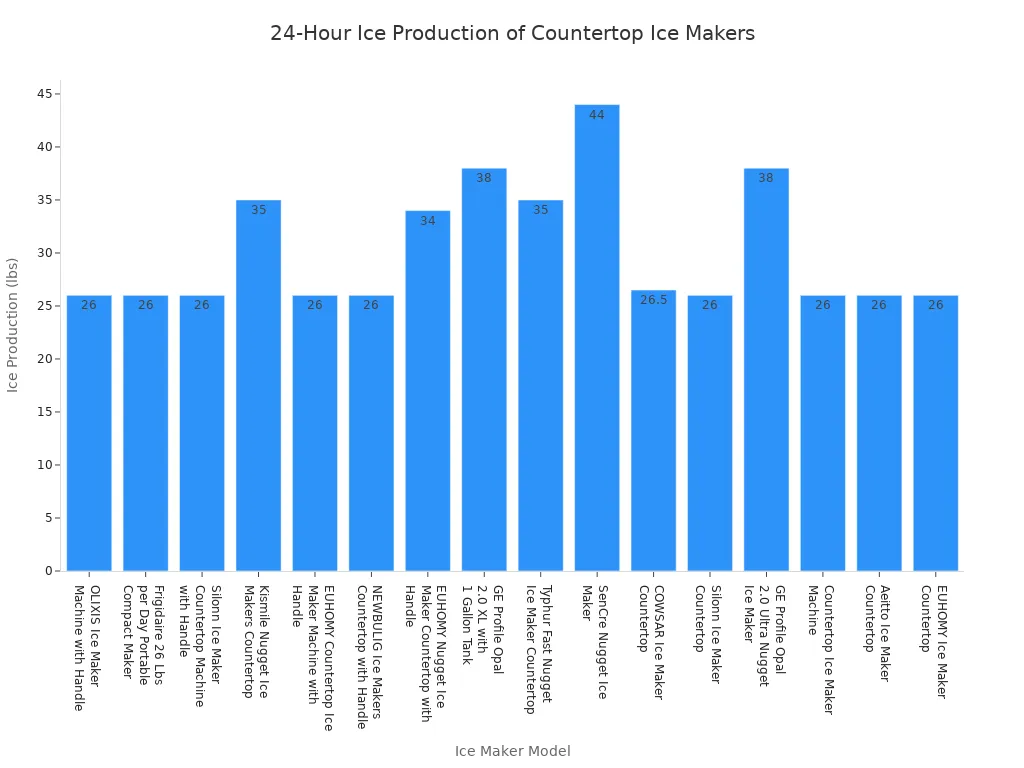
Think about how much ice you need. Machines are rated by how many pounds of ice they can make in 24 hours. Countertop models often produce between 26 and 44 pounds per day.
Countertop vs. Built-In Models
You have two main style choices. Countertop models are portable and easy to set up. They are great for renters or smaller kitchens. Built-in models fit seamlessly into your cabinetry. They often have a higher capacity but require professional installation.
Energy Efficiency Ratings
Look for the ENERGY STAR label. This label means the U.S. Environmental Protection Agency (EPA) certifies the product as energy efficient. An efficient water dispenser and ice machine uses less electricity and water. This saves you money on utility bills and helps protect the environment.
Comparing Alternatives
An all-in-one water dispenser and ice machine is a great luxury. However, it may not be the right choice for everyone. You have several other options that provide similar benefits. Let's compare these alternatives to see how they stack up.
Refrigerator with Built-In Dispenser
Many modern refrigerators come with built-in water and ice dispensers. This is a popular and convenient choice. You get filtered water and ice from an appliance you already own. This saves counter space. However, these dispensers are a common source of repairs. Fixing a broken dispenser can be expensive.
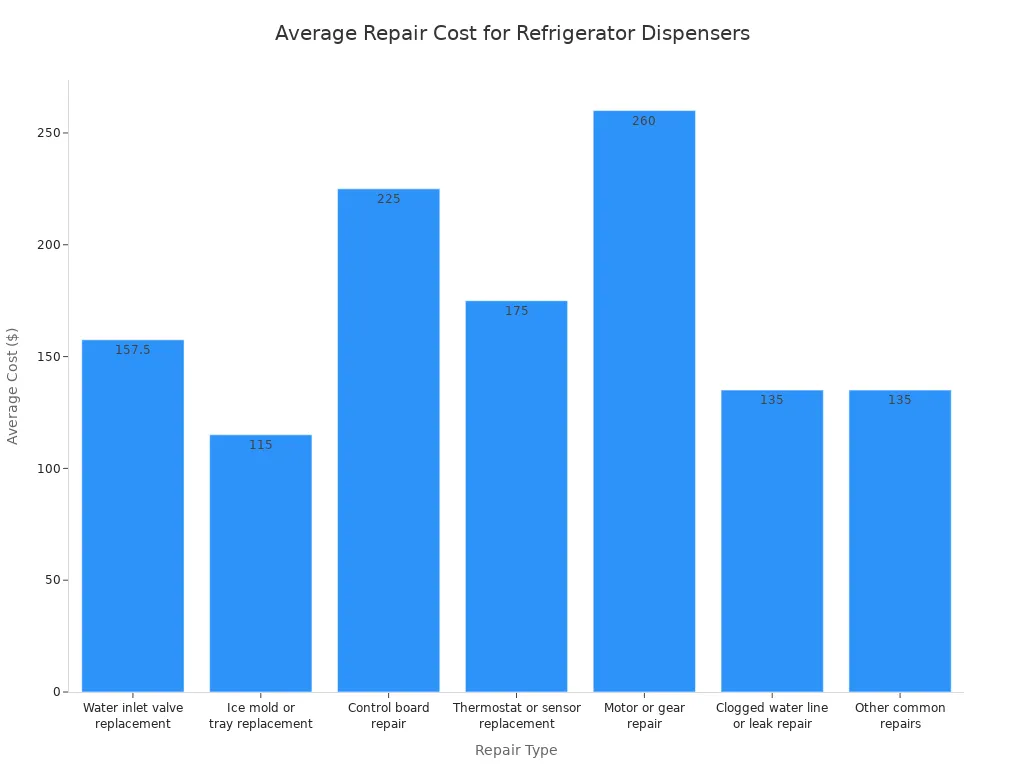
Repair costs for refrigerator dispensers can range from $70 to over $400. Common issues include clogged water lines and broken motors. While convenient, you should be aware of these potential long-term costs.
Separate Countertop Ice Maker
A separate countertop ice maker is a great option if you only need more ice. These portable units are fast. They often make a new batch of ice in just 6 to 10 minutes. This speed is perfect for parties or families that use a lot of ice. They are also much cheaper to repair than built-in models. A portable ice maker repair costs around $90 to $180 on average. The main drawback is that they do not dispense water.
Standalone Water Cooler
A standalone water cooler is an excellent choice for high-quality water. You can choose models that use large water jugs or bottleless systems connected to your plumbing. Bottleless coolers offer several advantages.
- They provide a continuous supply of filtered water.
- You save money by not buying jugs or paying for delivery.
- They are more sanitary because the water is in a sealed system.
These coolers are very convenient and low-maintenance. They give you great-tasting water without the hassle of changing heavy bottles.
Traditional Pitcher Filters and Ice Trays
The simplest and cheapest option is using a water filter pitcher and manual ice trays. This method requires no installation and has a very low upfront cost. You get the benefit of filtered water and can make ice as needed. However, this approach is less convenient. You must constantly refill the pitcher and trays. Pitcher filters also create more plastic waste over time compared to a plumbed-in system. This classic method works well if your water and ice needs are low.
The decision is a trade-off between premium convenience and long-term costs. A machine can be a great luxury if your budget allows it. You will enjoy instant high-quality water and ice. Carefully weigh the pros and cons against your personal needs to find the right investment for your home.
FAQ
How often should I change the water filter?
You should replace the water filter about every six months. Your user manual provides specific guidance based on your model and your local water quality.
Can I install a built-in model myself?
You should hire a professional for installation. Built-in models need a direct connection to your plumbing. This ensures the machine works correctly and prevents leaks.
What kind of ice do these machines make?
The ice type depends on the model. Many machines produce popular nugget ice. Others create classic cubes, half-cubes, or crescent-shaped ice for different needs.