Convenience vs Purity Water Delivery and Distillers
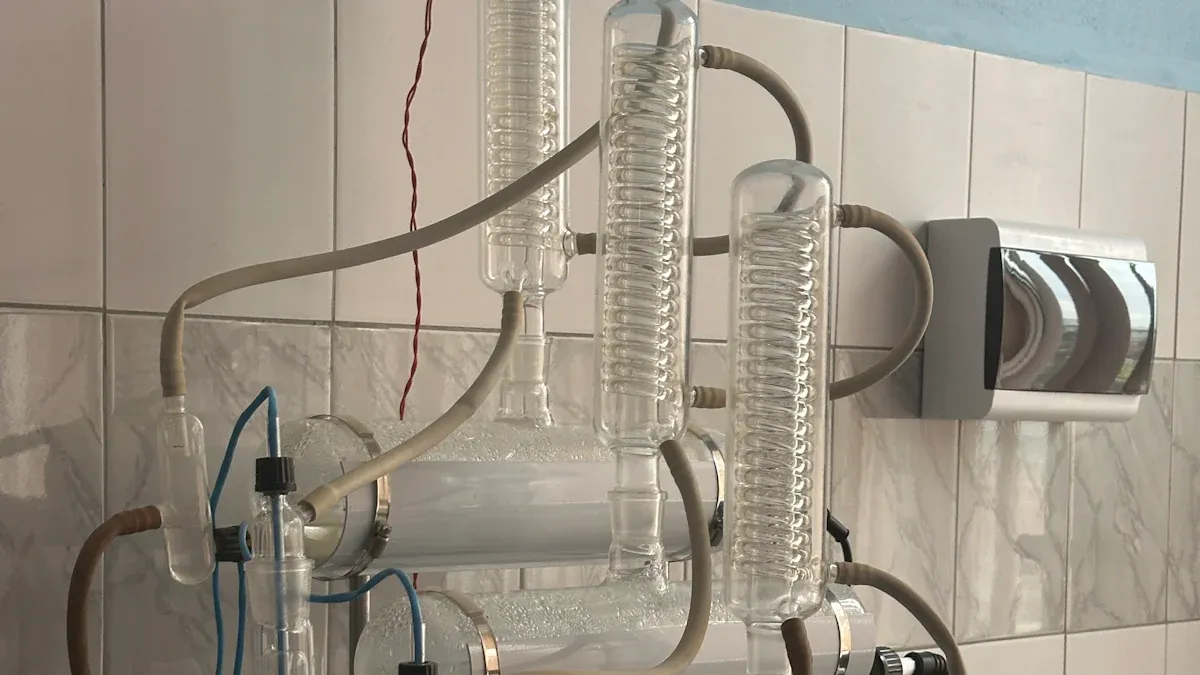
Choosing your home's water source involves a key decision. You might select a water delivery service for ultimate convenience. This popular option requires no equipment management from you. The market for delivery is growing steadily.
| Metric | Value |
|---|---|
| Market Size (2024) | US$ 16.6 billion |
| Projected Market Size (2031) | US$ 22.94 billion |
Your other choice is a distilled water dispenser. This path gives you top-tier water purity, long-term savings, and full control.
Key Takeaways
- Water delivery offers convenience with regular payments, but a distiller saves money over time after an initial purchase.
- Water delivery is easy, but a distiller gives you control and the purest water.
- Water delivery uses plastic bottles and trucks, but a distiller uses electricity and avoids plastic waste.
Cost Comparison: Upfront vs. Ongoing
Your budget plays a big role in this decision. Water delivery and home distillers have very different cost structures. One requires small, regular payments that add up over time. The other asks for a larger payment at the beginning for long-term savings. Let's break down the numbers.
The Subscription Cost of Water Delivery
With a delivery service, you enter a subscription model. You pay a recurring fee, usually based on how many bottles you use each month. This seems straightforward, but the price on the bottle is not your final cost. You must account for several additional charges that companies often add to your bill.
Many services include extra fees that can surprise you. These charges increase your monthly expenses. Common fees include:
- Cooler Rental: You will likely pay a monthly fee to rent the water dispenser, often under $10.
- Fuel Surcharge: Companies add a fuel charge to each delivery to cover transportation costs. This can be a flat rate like $3.00 or $4.99 per delivery.
- Bottle Deposits: You pay a deposit, perhaps $6.50 or $7.00 for each bottle, to ensure you return it. You get this money back only when you end the service and return all bottles.
Note: Always read the service agreement carefully. Ask about all potential fees, including delivery charges, fuel surcharges, and dispenser rental costs, before you sign up.
These small costs accumulate significantly. An annual subscription can cost you between $510 and $960. Over five years, your total spending could reach anywhere from $2,550 to $4,800 just for drinking water.
The One-Time Cost of a Distiller
A countertop water distiller works on a different financial model. You make a single, upfront purchase. The initial cost for a home water distiller can range from around $100 for a basic unit to over $5,000 for a high-capacity model. This one-time payment is your main expense.
After you buy the distiller, your only ongoing cost is the electricity needed to run it. The operational cost is very low. You can produce a cup of distilled water for less than two cents. You use your own tap water, which costs very little. There are no surprise fees, no delivery charges, and no monthly bills.
Let's look at a five-year cost projection to see the difference clearly.
| Cost Factor | Water Delivery (Average) | Countertop Distiller (Mid-Range) |
|---|---|---|
| Upfront Cost | $0 (plus initial deposits) | ~$350 |
| Ongoing Cost (5 Years) | ~$3,675 | ~$250 (electricity) |
| Total 5-Year Cost | ~$3,675 | ~$600 |
As you can see, while water delivery has a low entry cost, the distiller provides substantial savings over the long term. Your initial investment in a distiller pays for itself and continues to save you money for years.
Convenience Factor: Hands-Off vs. Hands-On
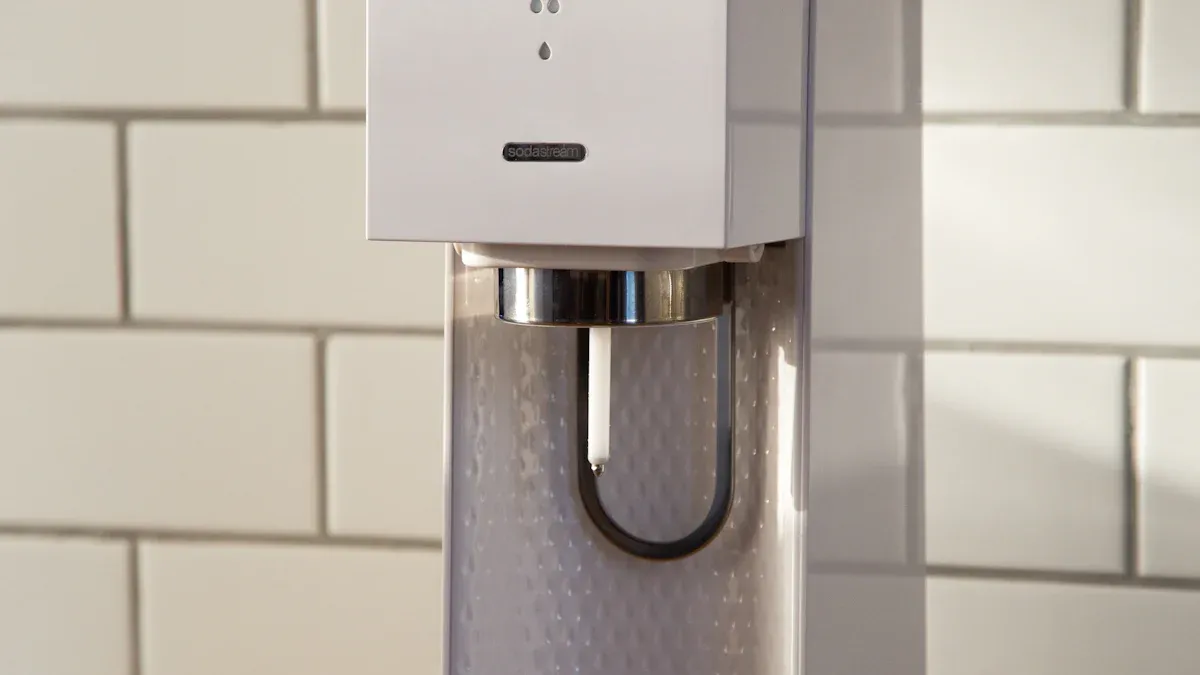
Your lifestyle often dictates the best water solution for you. One option offers hands-off ease. The other requires a simple daily habit. You must decide which approach fits your routine better.
The "Set and Forget" Ease of Delivery
Water delivery services offer maximum convenience. You sign up, and heavy water bottles arrive at your door. Many companies provide flexible schedules to match your needs. You can often choose weekly, bi-weekly, or monthly deliveries.
| Company | Delivery Schedules | Customization Options |
|---|---|---|
| Arrowhead | Weekly, bi-weekly, or monthly | Modify product choice and quantity anytime |
| Poland Spring | Weekly, bi-weekly, or monthly | Modify product choice and quantity anytime |
| LA Waters | Recurring or one-time orders | Wide range of water products |
This system seems simple. However, you depend on the company's logistics. Poor customer service or delivery delays can create problems. You might run out of water if a delivery is rescheduled.
Be aware of potential issues. Some customers report untimely deliveries and trouble with customer service, which can disrupt your "set and forget" convenience.
The Daily Routine of a Distiller
A countertop distilled water dispenser gives you control but requires a hands-on approach. You become your own water supplier. The process is straightforward and becomes a quick part of your day. You just need to follow a few simple steps.
- Fill the boiling chamber with tap water.
- Place the collection jug under the spout.
- Press the start button.
The machine works on its own and shuts off automatically when the cycle is complete. This daily routine takes only a few minutes of your time. In return, you get a constant supply of pure water without relying on a delivery schedule. Using a distilled water dispenser ensures you never run out of water unexpectedly.
Purity Showdown: Purified vs. Distilled
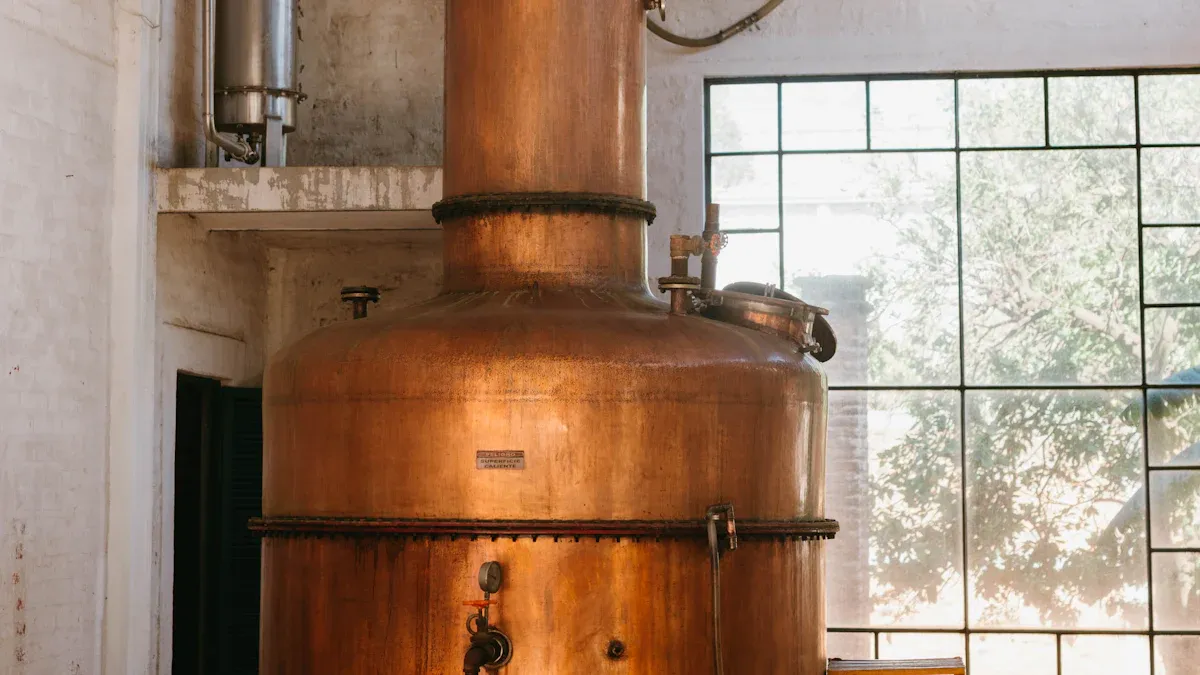
The term "pure" can mean different things. When you choose a water source, you need to know exactly what you are getting. Water from a delivery service is clean and safe, but water from a distiller reaches a different level of purity. Let's compare them side-by-side.
Water Quality from Delivery Services
When you choose a water delivery service, you receive water labeled as "purified." This is a regulated term. The U.S. Food and Drug Administration (FDA) regulates bottled water just like a food product. This means companies must follow strict rules for quality and manufacturing.
Many top companies also follow standards set by the International Bottled Water Association (IBWA). These standards often require extra steps to ensure quality.
- Federal Rules: The FDA sets limits for chemicals, microbes, and other contaminants.
- State Rules: States have their own programs for testing water sources and inspecting bottling plants.
- Industry Standards: IBWA members must pass a yearly third-party inspection and follow safety programs like HACCP (Hazard Analysis and Critical Control Points).
These services use methods like reverse osmosis or carbon filtration to clean the water. These processes are effective at removing many common impurities from the source water. You can trust that your delivered water is free from many unwanted substances.
Common contaminants removed include:
- Heavy metals like lead
- Chlorine
- Pesticides
- Bacteria
This multi-level oversight ensures the water arriving at your door is safe and clean. However, "purified" does not mean 100% free of all substances.
The Unmatched Purity of Distillation
A home distiller offers you the highest level of water purity possible. The process mimics nature's own water cycle. It boils water, captures the pure steam, and leaves nearly all contaminants behind. This simple phase change process is incredibly effective.
Distillation removes an exceptional amount of impurities. Studies show it eliminates up to 99.9% of all contaminants. This includes things that other methods might miss.
- It removes biological contaminants like bacteria, viruses, and cysts.
- It removes heavy metals like lead, arsenic, and mercury.
- It removes dissolved salts and other inorganic chemicals.
The table below compares the effectiveness of distillation against other common purification methods.
| Contaminant Type | Distillation Effectiveness | Reverse Osmosis Effectiveness | Carbon Filtration Effectiveness |
|---|---|---|---|
| Biological | Kills and removes by boiling. | Does not kill; can allow growth. | Not effective for removal. |
| Organic | Highly effective (99%+ removal). | Effectiveness varies with age. | Removes specific chemicals only. |
| Inorganic | Very effective (99%+ removal). | Effective, but depends on age. | Not effective for removal. |
| Overall Purity | Ultimate purity with consistent results. | Effectiveness can decrease over time. | Improves taste but not purity. |
This unmatched purity comes with an important consideration. The distillation process removes everything, including beneficial minerals.
The World Health Organization (WHO) has noted potential health risks from drinking demineralized water long-term. Because a distilled water dispenser removes minerals like calcium and magnesium, your body does not get these essential nutrients from your water.
Drinking water that lacks these minerals may lead to:
- Fatigue and weakness
- Muscle cramps
- Headaches
- An electrolyte imbalance
You get most of your minerals from food. However, relying only on distilled water means you miss out on the minerals that water typically provides. You must decide if achieving maximum purity is worth managing your mineral intake from other sources.
Maintenance and Space Requirements
You must consider the physical space and upkeep each water solution requires. Water delivery involves managing large bottles. A distiller needs a spot on your counter and regular cleaning. Your choice depends on your home's layout and your willingness to perform simple maintenance.
Storing Bottles vs. Countertop Space
Water delivery services require you to store heavy, bulky 5-gallon jugs. These bottles take up significant floor space in a pantry, garage, or closet. A typical 5-gallon bottle has considerable dimensions.
| Attribute | Measurement |
|---|---|
| Width | ~10 inches |
| Height | ~14.5 inches |
You need a dedicated area for both full and empty bottles. Proper storage is also important for water quality.
Store your water jugs in a cool, dry, and dark place. Light and heat can affect water safety. You should also keep the plastic jugs away from surfaces with chemicals like oil or gasoline.
In contrast, a countertop distiller occupies a small, fixed area. It fits easily in most kitchens, similar to a coffee maker or other small appliance.
| Attribute | Measurement |
|---|---|
| Width | ~10-13 inches |
| Height | ~14-18 inches |
| Depth | ~6-11 inches |
This option saves you from managing and storing large bottles.
Maintaining Your Distilled Water Dispenser
Your distilled water dispenser needs regular cleaning to work well. Minerals from your tap water build up inside the boiling chamber over time. You should clean this residue, called scale, about once a month. The process is simple.
- Unplug the unit and let it cool completely.
- Fill the chamber with water and add a distiller cleaning powder or white vinegar.
- Turn the unit on and let it boil for about 30 minutes.
- Turn it off, let it cool, and then empty the chamber.
- Wipe away any leftover residue and rinse thoroughly.
This quick monthly task ensures your machine runs efficiently and continues to produce the purest water.
Environmental Footprint: Plastic vs. Power
Your choice of water solution has an impact on the environment. You must weigh the effects of plastic bottles and delivery trucks against the energy use of a home appliance. Let's look at the environmental cost of each option.
The Impact of Delivery Trucks and Bottles
Water delivery services create a significant environmental footprint. The process involves several steps that consume resources and produce waste.
- Transportation: Delivery trucks burn fossil fuels. These trucks travel to your home, adding to air pollution and carbon emissions.
- Plastic Production: The large 5-gallon jugs are made of plastic. Manufacturing these bottles requires energy and raw materials.
- Water and Chemicals: Bottling plants use large amounts of water and cleaning chemicals to sanitize the bottles for reuse.
While companies reuse the large jugs, this process is not without its own environmental cost. Each bottle has a limited lifespan before it becomes plastic waste.
This system relies heavily on transportation and plastic, which affects the planet. You contribute to this cycle with every delivery you receive.
The Energy Use of a Countertop Distiller
A countertop distilled water dispenser uses electricity to purify your water. This is its main environmental impact. You use your home's power to run the machine. Household water distillers typically use about 3 kWh to produce one gallon of water.
For example, a common 580-watt model takes about 5.5 hours to make one gallon. This works out to just over 3 kWh per gallon. The total energy you use depends on how much water your family drinks. While it does consume power, a distilled water dispenser eliminates the need for plastic bottles and delivery trucks. You create a self-sufficient system in your own kitchen. This choice reduces your reliance on plastics and transportation-related emissions.
Your final choice depends on your priorities. You should choose a water delivery service for ultimate convenience and a low upfront cost. You should select a countertop distiller if you want the highest purity, long-term savings, and a more self-sufficient, eco-friendly solution that avoids plastic bottle production.
FAQ
Is distilled water safe for daily drinking?
Yes, you can drink distilled water every day. Your body gets most of its essential minerals from food. You should eat a balanced diet to get all necessary nutrients.
How long does a countertop water distiller last?
A quality countertop distiller is very durable. You can expect it to last for many years with proper monthly cleaning. Many models offer long warranties for your peace of mind.
Can you add minerals back to distilled water?
Yes, you can remineralize your water. You can buy special mineral drops or powders to add to your water. These products put electrolytes and trace minerals back into your water.