Wastewater and Sewage Treatment Key Distinctions Explained
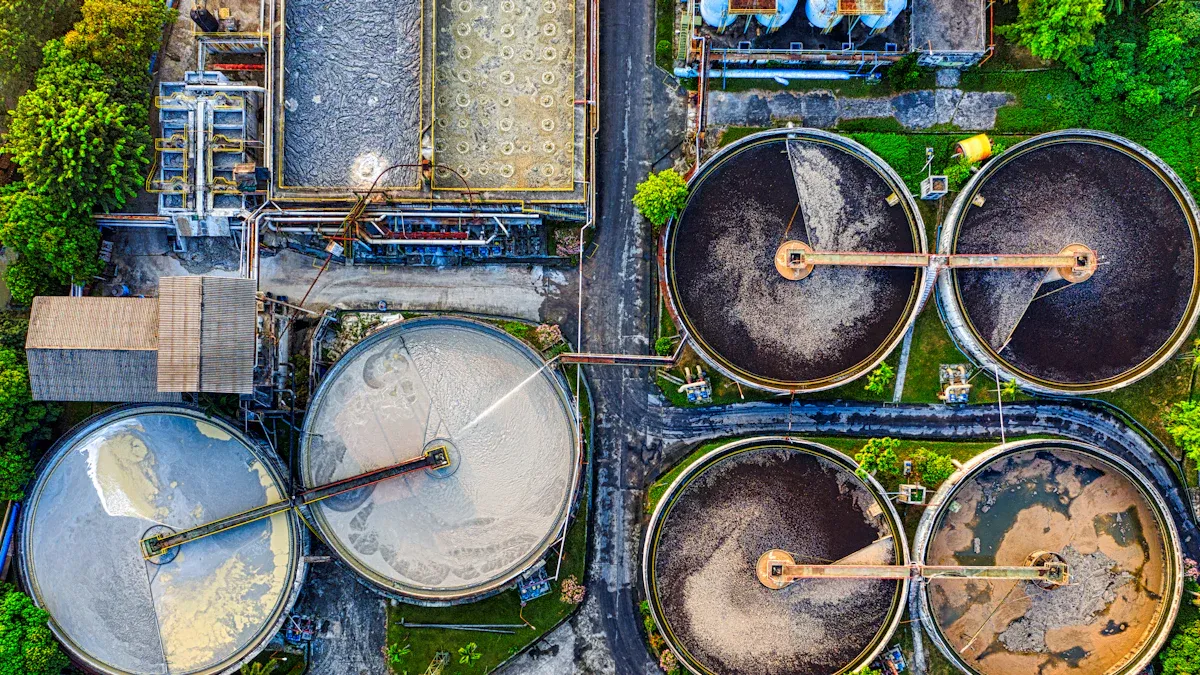
Wastewater is any water used by humans, with global generation reaching 380 billion cubic meters annually. Sewage is a specific wastewater type from domestic sources like homes.
Note: Only 56% of global wastewater is safely treated. Effective treatment of sewage is vital for protecting our environment.
Key Takeaways
- Wastewater is a broad term for any water humans use. Sewage is a specific type of wastewater from homes and businesses.
- Sewage treatment follows a standard process. Industrial wastewater treatment needs special methods for its unique and often dangerous pollutants.
- Understanding the difference helps us protect our health and the environment. It ensures proper treatment for each water type.
Wastewater vs. Sewage: A Look at the Sources
Understanding the difference between wastewater and sewage begins with their origins. One term is a massive umbrella. The other describes something much more specific. Thinking about where the water comes from helps clarify what is inside it and how it must be treated.
The Broad Origins of Wastewater
Wastewater is a broad term. It includes any water that has been affected by human use. Its sources are incredibly diverse, ranging from giant industrial factories to the rain running off your street. The three main categories are industrial, agricultural, and municipal sources.
Industrial facilities are among the largest producers of wastewater. The type of contamination depends heavily on the industry.
- Chemical and Pharmaceutical Manufacturing: These plants release water containing complex solvents, acids, and other production chemicals.
- Food Processing: Factories that process food create wastewater full of organic materials like fats, oils, and sugars from cleaning and production.
- Pulp and Paper Industry: Making paper requires large amounts of water. The resulting wastewater contains wood fibers, lignin, and bleaching chemicals.
- Mining and Metal Processing: These operations can produce wastewater with high levels of heavy metals and acidic compounds.
- Textile Mills: The dyeing and finishing of fabrics create wastewater that is often brightly colored and contains dyes, surfactants, and other chemicals.
Agricultural activities also contribute significantly to the wastewater stream. This often comes from runoff, which is water that flows over the land instead of soaking into the ground. Agricultural runoff can carry:
- Fertilizers and pesticides from fields
- Animal waste from livestock farms
- Sediment from soil erosion
Did You Know? Stormwater is a Major Wastewater Source 💧 Rainwater and melting snow that flows over roads, parking lots, and rooftops is also a form of wastewater. This stormwater runoff picks up a surprising variety of pollutants before entering our water systems. These can include oil from cars, microplastics from degrading litter, and even chemicals from tires like 6PPD-quinone.
The Specific Origins of Sewage
Sewage is a much narrower category of wastewater. It is specifically the wastewater that comes from domestic and commercial buildings. Think of all the water you use in your home each day. That is sewage. On average, a single person in a residential area can produce around 67 gallons of sewage daily.
The sources of sewage are very consistent.
- Residential Homes: This is water from toilets (called blackwater), as well as water from showers, sinks, and washing machines (called greywater).
- Commercial Buildings: This includes wastewater from office buildings, schools, restaurants, and hotels.
Because its sources are limited to human daily life, the composition of sewage is relatively predictable. It is mostly water mixed with human waste, food scraps, soaps, and detergents. This predictability makes the treatment of sewage a more standardized process compared to the highly variable nature of industrial wastewater.
Comparing Contaminants: What's Inside?
The source of used water directly determines what is inside it. Sewage has a fairly consistent recipe of contaminants. Broader wastewater, however, can contain a nearly endless list of pollutants, making it much more complex to handle.
The Composition of Sewage
Sewage is what flows from our homes and offices, so its contents are predictable. It is about 99.9% water. The remaining 0.1% contains a mix of organic materials, nutrients, and potentially harmful microorganisms. The primary goal in the treatment of sewage is to remove these contaminants.
A major health concern with sewage is the presence of pathogens. These are disease-causing germs that come from human waste. They fall into four main categories:
- Bacteria: Such as Salmonella, E. coli, and Shigella.
- Viruses: Including Rotavirus, Hepatitis A, and Polio virus.
- Protozoa: Like Giardia and Cryptosporidium.
- Helminths: These are parasitic worms, such as Ascaris (roundworm) and Taenia (tapeworm).
Pathogens of Note 🔬 Some pathogens are particularly tough. Giardia and Cryptosporidium are well-known for being resistant to chlorine, a common disinfectant. Scientists often use the presence of bacteria like E. coli, which exists in very high numbers in raw sewage, as an indicator to measure the level of fecal contamination.
The Wider Range of Wastewater Pollutants
Wastewater from industrial and agricultural sources presents a much greater challenge. Its composition is highly variable and often contains hazardous substances not found in typical sewage.
For example, wastewater from the textile industry is a complex chemical cocktail. Making and dyeing fabrics requires thousands of different substances. This results in wastewater containing:
- Synthetic dyes and pigments
- Heavy metals like chromium, lead, and mercury
- Salts and fluctuating pH levels
- Chemicals like formaldehyde, phthalates, and per- and polyfluoroalkyl substances (PFAS)
Many industrial processes also release Persistent Organic Pollutants (POPs). These are toxic chemicals that do not break down easily in the environment. They can build up in the food chain and pose long-term risks to wildlife and human health. Common POPs include:
- Polychlorinated biphenyls (PCBs): Formerly used in electrical equipment and paints.
- Dioxins and Furans: Unintentional byproducts from combustion and industrial manufacturing.
- PFOS and PFHxS: Used in firefighting foam, non-stick cookware, and textiles.
Finally, some wastewater doesn't even need to contain chemicals to be harmful. Thermal pollution is a major issue, especially from power plants that use water for cooling.
The Danger of Warm Water 🌡️ Discharging large amounts of heated water into a river or lake has serious consequences. Warm water holds less dissolved oxygen, which aquatic animals need to breathe. This can lead to massive fish kills and create conditions for harmful algae blooms. It also speeds up the metabolism of fish, making them require more food than the stressed ecosystem can provide, leading to a sharp decline in biodiversity.
The Goals and Methods for Treatment of Sewage
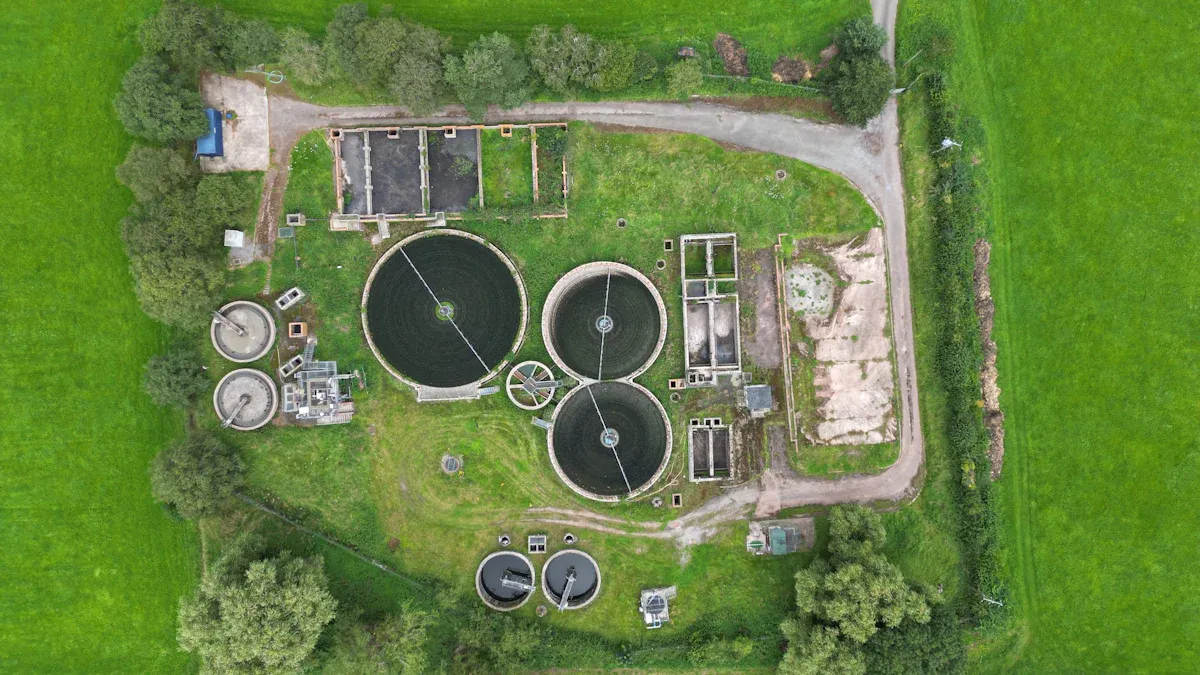
The treatment of sewage is a multi-step process designed to clean water from our homes and businesses. Each stage targets different types of contaminants, making the water progressively safer for release back into the environment. The process is typically divided into three main phases.
Primary Treatment: Physical Removal
The first step is like a giant strainer. Primary treatment uses physical methods to remove large solid materials.
- Screening: Water first passes through large screens. These catch trash, branches, and other debris.
- Sedimentation: The water then flows into large tanks called primary clarifiers. Here, the water sits quietly. Heavier solids, called sludge, sink to the bottom by gravity. This stage is very effective, removing approximately 60% of suspended solids.
Secondary Treatment: Biological Processes
Next, the water undergoes biological cleaning. This stage uses helpful microorganisms to consume the dissolved organic waste. In the activated sludge process, air is pumped into aeration tanks. This gives oxygen to good bacteria, which eat the remaining pollutants. This biological action is highly efficient. The U.S. EPA requires this stage to remove at least 85% of the Biochemical Oxygen Demand (BOD).
Tertiary Treatment: Final Polishing
The final stage in the treatment of sewage is like a finishing polish. Tertiary treatment removes any remaining impurities, especially nutrients and germs.
Disinfection Methods 🛡️ To kill harmful pathogens, plants use several techniques. Chlorination adds chlorine to kill germs. Ultraviolet (UV) light is another method that uses powerful light rays to destroy pathogen DNA without chemicals.
This final cleaning can produce high-quality reclaimed water. The water is often clean enough to be used for irrigating crops and can even meet the strict safety standards set for public swimming pools.
Specialized Approaches for Industrial Wastewater
Industrial wastewater requires a different playbook than sewage. Its contents are often hazardous and unpredictable. Treatment must be customized to handle specific chemical threats before the water can be safely returned to the environment.
Neutralizing Chemical Hazards
Many industrial processes create wastewater that is either highly acidic or alkaline. These extreme pH levels can damage ecosystems and destroy the helpful bacteria used in standard treatment plants. The first step is often neutralization. This process adjusts the water's pH to a safe, neutral level.
Common agents used to neutralize acidic wastewater include:
- Lime (CaO) and secondary lime-containing materials like fly ash.
- Magnesium-based compounds such as magnesium oxide (MgO).
Safety First! ⚠️ Mixing chemicals for neutralization can be dangerous. It might create hazardous gases. Facilities must follow strict safety protocols for handling, storing, and treating these materials. Safety features are built into modern systems, but careful planning is always necessary to prevent accidents.
Removing Heavy Metals and Toxins
Industrial wastewater can contain toxic heavy metals like arsenic, cadmium, and chromium. These substances must be removed to meet strict safety limits, known as Maximum Contaminant Levels (MCLs). Two common methods are chemical precipitation and ion exchange.
Chemical precipitation adds substances that cause dissolved metals to become solid particles. These solids then settle out of the water. Using sulfide-based chemicals is highly effective. It can remove over 99% of metals like cadmium and copper.
Ion exchange is another powerful technique. Water flows through special resin beads. These beads capture heavy metal ions and release harmless ions, like sodium, in their place. This process is very efficient at removing even trace amounts of toxins from the water.
Wastewater and sewage are different. Their main distinction comes from their source and contents. Sewage treatment follows a standard method. Industrial wastewater needs special, customized cleaning. Knowing this difference helps us build better systems. These systems protect our health and keep the environment safe for everyone.
FAQ
What is the main difference between wastewater and sewage?
Sewage comes from homes and businesses. Wastewater is a much broader term. It includes sewage plus water from industrial, agricultural, and stormwater sources.
Is all wastewater treated the same way?
No. Sewage treatment follows a standard process. Industrial wastewater treatment must be customized. It removes specific and often hazardous pollutants from factories and other facilities.
Why is stormwater considered a type of wastewater? 💧
Stormwater is rain that flows over surfaces like roads. It collects pollutants such as oil, chemicals, and trash. This contamination makes it a form of wastewater.