The Future of Wastewater Treatment A Supplier's Guide
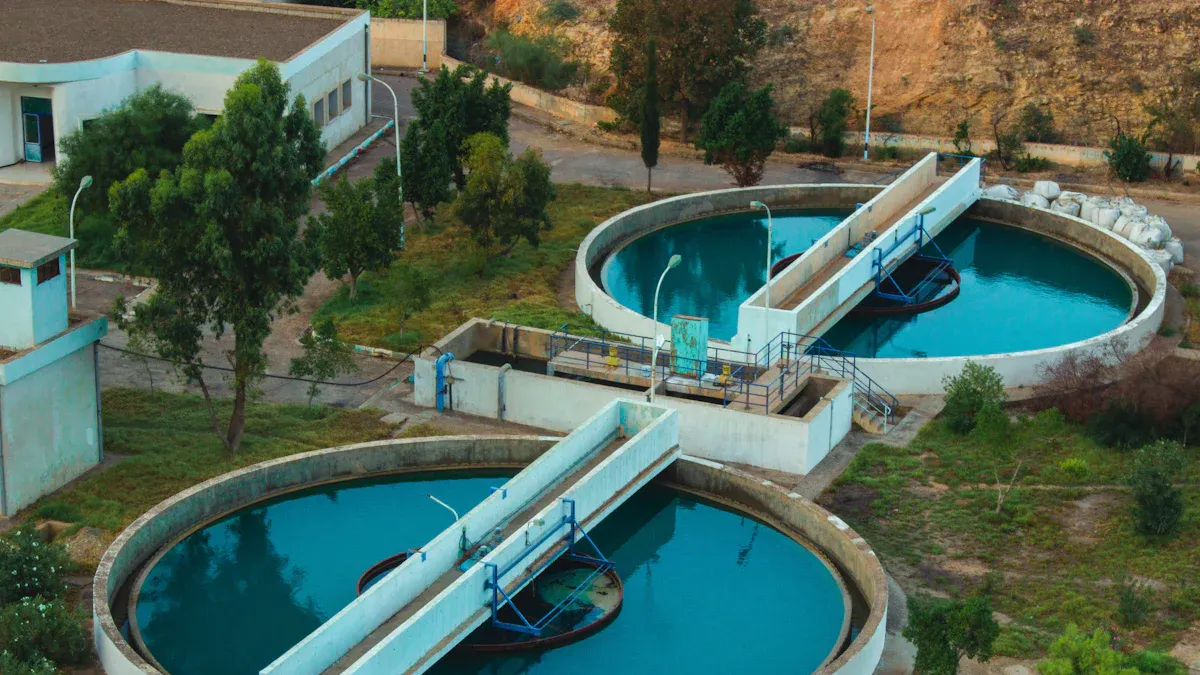
The wastewater treatment plant market is projected to reach $149 billion in 2026. A forward-thinking wastewater equipment supplier must adapt to capture this growth. Customers now seek partners who can deliver comprehensive value.
Your strategy should shift from selling components to providing integrated, sustainable systems that boost efficiency and ensure compliance.
Key Takeaways
- Wastewater equipment suppliers must offer complete solutions, not just parts. This includes smart systems, water reuse, and green chemistry.
- Suppliers should help customers meet environmental goals. This means providing energy-efficient and resource-recovering technologies.
- Modular systems offer flexible and cost-effective solutions. They help clients grow their operations easily.
Trend 1: Integrating Smart Systems and Digital Monitoring
The smart water management market is growing rapidly. Experts predict it will expand at a compound annual growth rate (CAGR) between 11% and 13% through 2030. This signals a major shift in customer expectations. Plant operators no longer want just pumps and filters. They need intelligent systems that provide actionable data for efficiency and compliance.
Meeting the Demand for Real-Time Data
Customers now require continuous insight into their operations. You can meet this need by supplying IoT-enabled sensors and monitoring platforms. These tools track key performance indicators in real time.
- Water Quality Probes: Monitor pH, dissolved oxygen (DO), turbidity, and nutrient levels.
- Flow Meters: Track liquid movement to identify leaks and optimize system loads.
- Level Sensors: Prevent overflows and protect equipment by measuring water depths.
- Digital Inputs: Report the real-time status of pumps and valves.
This data empowers operators to move from reactive fixes to proactive management.
“We can automate complex reporting, alert to issues that aren’t indicated by SCADA alarms, combine data sources to develop correlations and predictions in real time. That’s very powerful to optimize facility operations.” —Jamie Lefkowitz, Brown and Caldwell National Analytics Engineering Lead
Capitalizing on Service and Integration Packages
A modern wastewater equipment supplier should bundle hardware with analytics and support. Companies like Xylem and DAS Environmental Expert already provide comprehensive solutions. They combine equipment with intelligent control systems and ongoing service. This approach creates new revenue streams through subscription or performance-based contracts. It shifts customer spending from large upfront investments to predictable operational costs. Offering turnkey packages with clear ROI helps you become a long-term partner, not just a parts vendor.
Trend 2: Mastering Advanced Water Reuse and Recycling
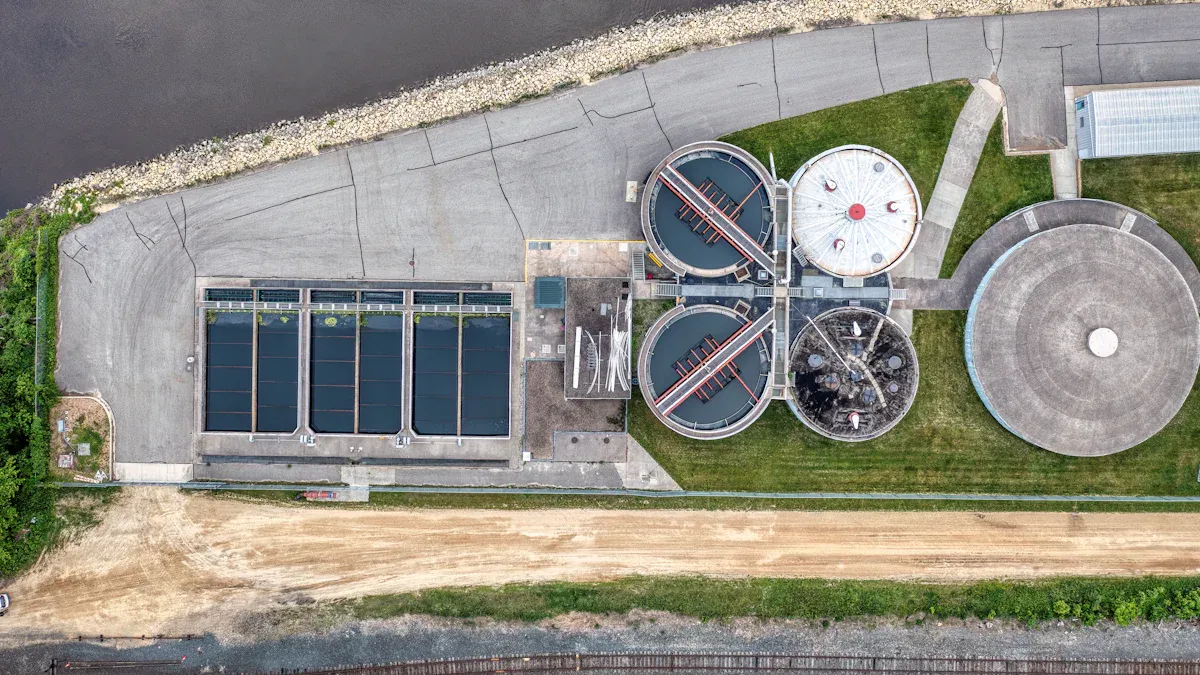
Water scarcity and rising operational costs are pushing industries toward water reuse. This market is expanding quickly, creating a major opportunity for suppliers.
| Metric | Value |
|---|---|
| Projected Market Size by 2030 | USD 30.5 Billion |
| CAGR (2022-2030) | 14.1% |
Your customers need solutions that turn wastewater from a liability into a valuable asset.
Addressing Stricter Discharge Regulations
Governments worldwide are tightening rules for wastewater discharge. In the European Union, new directives target "priority hazardous substances" like PFAS. The United States EPA is also increasing monitoring requirements as a first step toward stricter limits. Non-compliance can lead to huge fines and even facility shutdowns. This regulatory pressure forces your clients to seek advanced treatment technologies. They need systems that not only meet today's standards but also prepare them for future rules.
Note: The "Polluter Pays" principle is gaining traction, meaning industries are now responsible for treating contaminants at the source. This makes effective on-site treatment essential.
Positioning Chemicals for High-Efficiency Pre-Treatment
Advanced water reuse often relies on membrane systems like reverse osmosis (RO). These systems are sensitive to fouling. You can become an indispensable partner by supplying high-efficiency pre-treatment chemicals.
- Coagulants and Flocculants: Products like anionic polymeric flocculants help remove suspended solids and particulate matter. This protects downstream membranes and reduces long-term operating costs.
- Dechlorinating Agents: These chemicals remove chlorine that can damage delicate RO and ultrafiltration membranes.
- pH Control Agents: Proper pH adjustment improves the efficiency of the entire treatment process.
Properly designed chemical programs can achieve over 95% removal of suspended solids. This enhances the performance of filtration systems and makes water reuse a reliable and cost-effective strategy for your clients.
Trend 3: Leading the Shift to Green Chemistry and Sustainability
Sustainability is no longer a secondary concern for your customers. It is a core business driver. Companies now actively seek partners who can help them reduce their environmental impact. The market for green chemistry in water treatment reflects this shift, showing steady growth.
| Metric | Value |
|---|---|
| Market Size (2024) | USD 1.59 billion |
| Projected Market Size (2029) | USD 2.25 billion |
| CAGR (2024-2029) | 7.2% |
This trend presents a clear opportunity to align your products with your customers' values.
Fulfilling Customer ESG and Footprint Reduction Goals
Your clients have ambitious Environmental, Social, and Governance (ESG) targets. Helping them achieve these goals makes you an invaluable partner. You can supply solutions that directly lower their carbon footprint and operational costs.
- Energy-Efficient Solutions: Offer technologies that convert organic sludge into biogas. This can power facilities and reduce reliance on the grid.
- Circular Economy Principles: Provide systems that treat and reuse wastewater. This minimizes waste and conserves fresh water resources.
- Optimized Chemical Use: Supply advanced treatment chemicals that reduce overall consumption and lower Scope 3 emissions.
These strategies turn sustainability from an expense into a source of efficiency and savings.
Marketing Certified and Traceable Green Product Lines
Customers need proof of your green claims. Transparency is key to building trust and winning business. You should focus on offering product lines with clear, verifiable sustainability credentials.
Tip: Promote products with certifications like NSF/ANSI 60 or EPA Safer Choice. These third-party validations assure customers that your chemicals are safe, effective, and environmentally responsible.
Develop marketing materials that highlight the lifecycle benefits of your products. Showcasing a traceable supply chain and certified performance helps you stand out. It proves your commitment to helping clients operate more sustainably.
Trend 4: How a Wastewater Equipment Supplier Can Win with Modular Systems
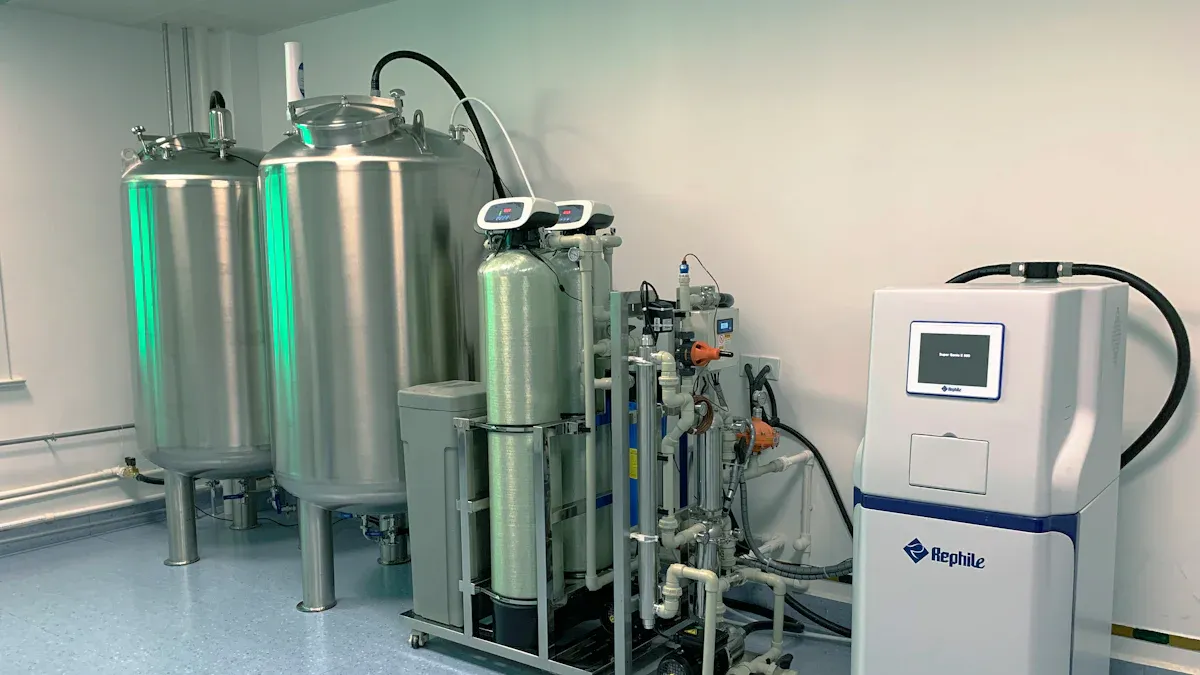
Traditional, large-scale treatment plants are no longer the only option. Modular systems offer a flexible and cost-effective alternative. The market for these systems is growing fast. In the United States, decentralized modular systems are expected to drive over 60% of revenue growth in the next three years. This shift is due to urbanization and the need for scalable infrastructure. A smart wastewater equipment supplier will capitalize on this trend.
Answering the Need for Scalable and Flexible Solutions
Clients need solutions that can grow with their operations. Modular systems are perfect for this. They are pre-fabricated, containerized units that can be installed quickly. This approach avoids the high upfront costs and long construction times of traditional plants. As a facility's needs change, more modules can be added easily. This scalability is a major selling point for industries facing uncertain production volumes or phased expansion plans.
The global market for packaged water treatment systems, which includes modular units, was projected to grow at a 10.4% CAGR between 2016 and 2021. This shows a strong, sustained demand for flexible solutions.
Offering Turnkey Packages with Clear ROI
To succeed, a wastewater equipment supplier should offer complete, ready-to-use packages. These turnkey solutions provide clients with a single point of contact and a clear return on investment (ROI). A comprehensive package typically includes everything from initial design to final testing.
- Process Design and Engineering: Custom plans based on water quality and flow rates.
- Equipment Procurement: Sourcing all necessary pumps, tanks, and filtration units.
- Installation and Construction: Managing on-site assembly and system integration.
- Testing and Commissioning: Ensuring the system performs correctly before handover.
By bundling these services, you simplify the buying process for your customer. You also transform your role from a simple vendor to a full-service solutions provider.
Trend 5: Focusing on Resource Recovery and Energy Efficiency
Wastewater is no longer just waste. It is a source of valuable resources. The market for resource recovery is growing fast, driven by sustainability goals and new technologies. This shift creates a major opportunity for suppliers.
| Metric | Value |
|---|---|
| Market Size in 2024 | USD 44.5 Billion |
| Projected Market Size in 2034 | USD 107.3 Billion |
| CAGR (2025-2034) | 9.2% |
Helping Clients Reduce Rising Operational Costs
Energy is a major expense for treatment plants. Electricity costs can make up 2% to 60% of a facility's total operating budget. You can help clients lower these costs by supplying energy-efficient equipment. Aeration is one of the most energy-intensive processes.
A plant in Cuxhaven, Germany, cut its aeration energy use by 30% with an AI-powered optimization system.
You can offer solutions that provide similar savings:
- Fine Bubble Diffusers: These increase oxygen transfer efficiency and reduce blower energy needs.
- Automatic DO Control: This technology maintains optimal dissolved oxygen levels, preventing excess aeration.
- Variable Frequency Drives (VFDs): VFDs allow blowers to adjust their speed based on real-time demand.
Supplying Solutions for Nutrient and Energy Recovery
Your customers can turn their wastewater treatment plants into resource factories. You can supply the technologies to make this happen. These systems recover valuable materials that can be sold or reused.
One key area is nutrient recovery. Technologies like struvite precipitation allow plants to capture phosphorus from wastewater. This process creates a slow-release fertilizer, turning a pollutant into a profitable product.
Energy can also be recovered. Anaerobic digestion systems convert organic sludge into biogas. This biogas can be used to generate electricity and heat for the plant. The economic value is significant, with recovered biogas from some projects valued at over 42 million euros.
The future wastewater equipment supplier must evolve beyond selling parts. You become a strategic partner. Your portfolio should combine sustainable products with integrated digital services.
This approach delivers comprehensive value. It solves your customers' core challenges of efficiency, compliance, and sustainability.
FAQ
How do I transition from a parts vendor to a solutions partner?
Bundle equipment with digital monitoring and installation services. Offer turnkey packages with a clear ROI. This makes you a full-service partner, not just a parts vendor.
What is the first step to integrating smart systems?
Start by supplying IoT-enabled sensors for real-time data on water quality and flow. This helps your customers move from reactive fixes to proactive, data-driven operational management.
Why is green chemistry important for my business?
Customers have ESG goals. Supplying certified green products helps them reduce their environmental footprint. This aligns your business with their values and builds strong, lasting partnerships.