Why a Warm Water Dispenser Beats a Kettle for Baby Bottles
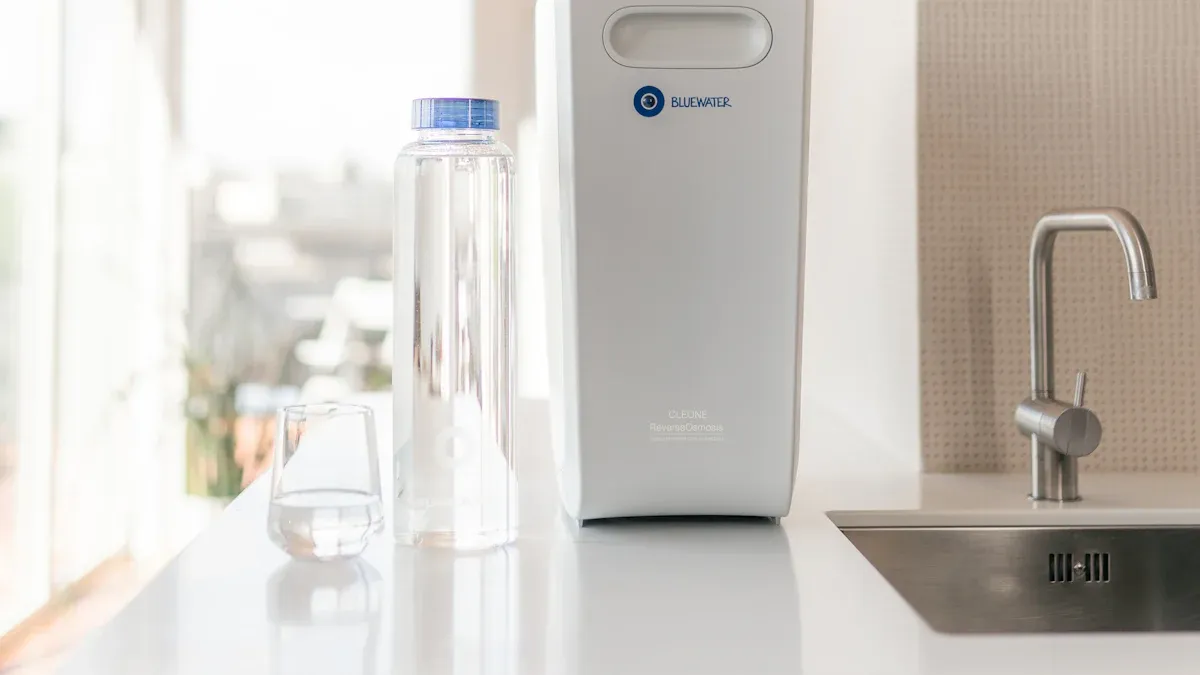
Picture this: it's 3 AM, and your baby is crying for a bottle. A warm water dispenser baby gives you perfectly heated water instantly. You can skip the dangerous waiting game of cooling down boiling water from a kettle.
This simple switch makes nighttime feedings faster, safer, and so much less stressful.
Key Takeaways
- A warm water dispenser gives you perfectly warm water right away. This makes nighttime feedings faster and less stressful.
- Dispensers are safer than kettles. They prevent burns from hot water and remove the guesswork of checking bottle temperature.
- You can use a dispenser with one hand. This makes preparing bottles easy when you are holding your baby.
The Nightly Struggle with a Kettle
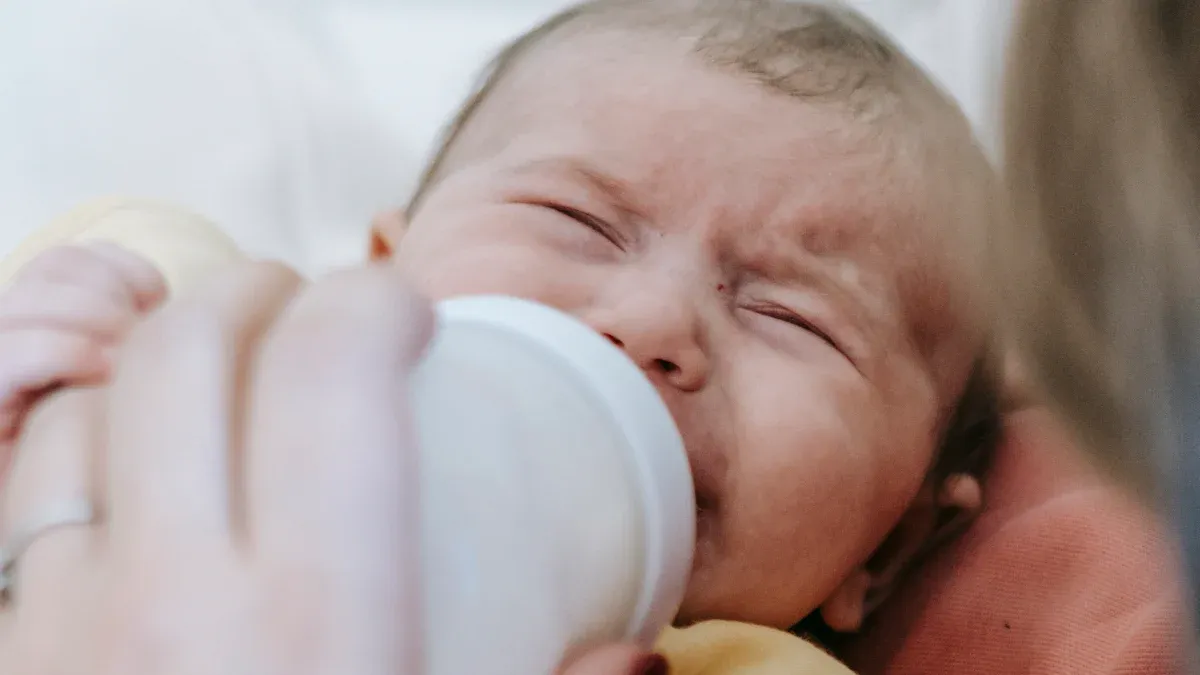
You stumble into the kitchen, guided by the sound of your crying baby. The goal is simple: make a warm bottle. But your trusty kettle, a hero for your morning coffee, quickly becomes the villain of your nighttime routine. You're not just boiling water; you're starting a stressful, multi-step process filled with hidden dangers and frustrating delays. Sound familiar? Let's break down this nightly struggle.
The Danger of Hot Spots
Your first priority is your baby's safety. You know that preparing powdered formula requires hot water to be safe. Health organizations like the WHO and NHS recommend using water heated to at least 70°C (158°F). This temperature is crucial for eliminating harmful bacteria, like Cronobacter, that can be present in the powder.
However, this safety step introduces a new risk: burns. Most scalds affecting young children happen right at home, often involving hot liquids from kettles. After you mix the boiling water with the formula, the liquid is far too hot for your baby. Even after a vigorous shake, you can't be sure you've eliminated dangerous "hot spots." These are super-heated pockets of liquid that can cause serious burns to a baby's delicate mouth and throat.
A Sobering Reality 😟 Microwaving bottles is a well-known cause of hot spots, but any method using overly hot water carries a risk. Studies have shown that infants have been hospitalized with severe scalds from hot water used during formula preparation.
The Time-Consuming Cooling Process
You've mixed the bottle. Now, the race against the clock begins. Your baby's cries get louder while you start the cooling process. You can't just leave the bottle on the counter; that takes forever. Instead, you're forced into an awkward juggling act.
Official guidance highlights just how long this can take.
Boil the water. Then leave the water to cool in the kettle for no more than 30 minutes so that it remains at a temperature of at least 70C.
After mixing, you still have to cool the bottle itself. This means more waiting. Common methods include:
- Holding the bottle under cold running water.
- Placing the bottle in a bowl of icy water.
How much time does this really add? Those minutes feel like hours at 3 AM.
| Cooling Method | Bottle Size | Average Cooling Time |
|---|---|---|
| Iced water bath | 150ml | ~8 minutes |
| Cold running water | 150ml | ~8-10 minutes |
Those 8-10 minutes are precious time when your baby is hungry and distressed, and your own sleep is on the line.
The Inconsistency and Guesswork
After the long wait, you face the final challenge: the temperature test. Is the bottle ready? You're left with an imprecise, old-fashioned method.
- Shake the bottle well to distribute the heat.
- Turn it upside down.
- Drip a few drops onto the inside of your wrist.
Now you have to make a judgment call. 🤔 Does it feel "lukewarm"? Is it "body temperature"? Is it cool but not too cool? There's no digital reading, just your tired senses.
Getting it wrong has consequences. If it's still too hot, you risk burning your baby. If you over-cool it, your baby might refuse the bottle entirely, forcing you to start the warming process all over again. This guesswork adds a final layer of stress to a process that was already slow and dangerous. You're not just a parent; you're a scientist in a dark kitchen, and the stakes couldn't be higher.
Why a Warm Water Dispenser for Baby is the Solution
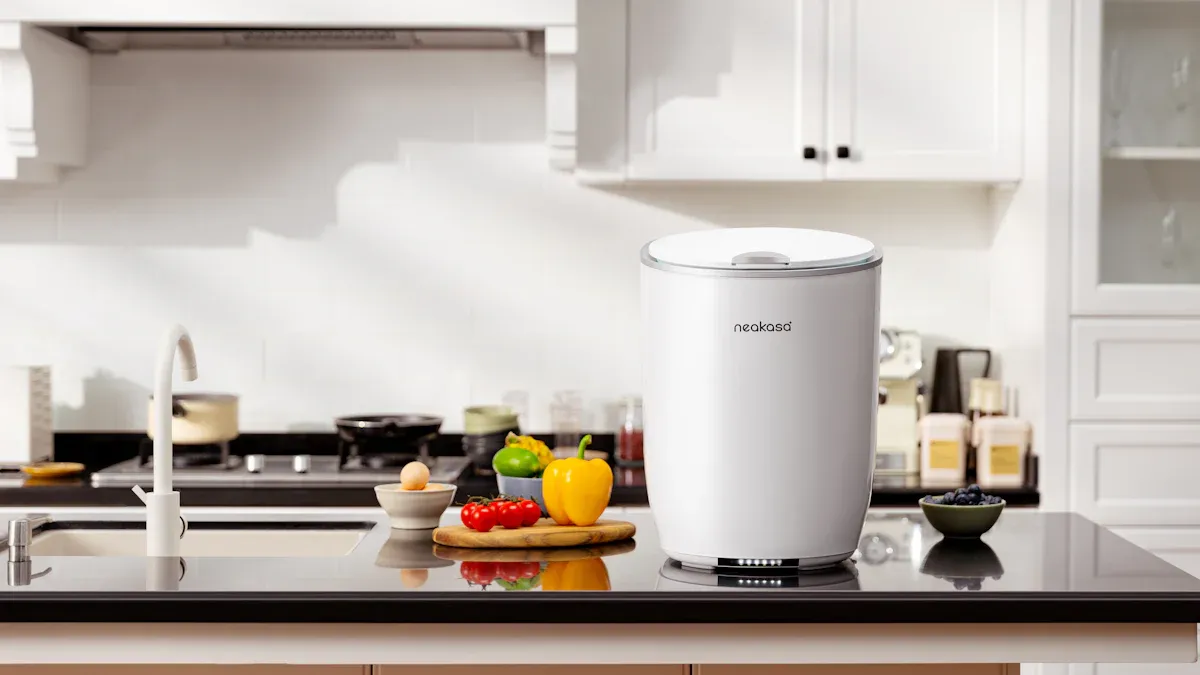
After wrestling with the kettle, the idea of a better way sounds like a dream. That dream is a reality. A warm water dispenser for baby bottles isn't just a fancy gadget; it's a complete upgrade to your feeding routine. It directly solves the problems of danger, wasted time, and stressful guesswork that come with using a kettle. Let's explore how this one appliance can restore peace to your nighttime feedings.
Instant Water at the Perfect Temperature
Imagine getting perfectly warm water the second you need it. No more boiling, no more waiting, no more frantic cooling. A warm water dispenser baby makes this possible. These devices use smart technology, sometimes called Micom systems, to hold water at a precise, ready-to-use temperature 24/7.
When your baby cries, you just walk up, press a button, and get water that's ready for the bottle. You skip the entire 8-10 minute cooling process. Think about what that means at 3 AM.
| Feature | Kettle Method | Warm Water Dispenser |
|---|---|---|
| Speed | 8-10+ minutes (boil + cool) | Instant |
| Temperature | Guesswork with wrist test | Precise digital setting |
| Energy Use | Wastes energy boiling a full tank | Heats only the water you need |
Did you know? 🤔 Many modern dispensers are more energy-efficient than a kettle for this task. Instead of repeatedly boiling a large volume of water, they heat only the amount you dispense. This can cut energy waste by over 50%, saving you money in the long run.
You get back precious minutes of sleep and eliminate the anxiety of the temperature-guessing game. The water is the same perfect temperature every single time.
Eliminating Safety Risks
Your baby's safety is non-negotiable. The kettle method, as we've seen, introduces risks of burns from hot spots and spills. A warm water dispenser for baby bottles is designed from the ground up to be safer.
- No Tipping, No Spills: Unlike a kettle with a cord, a dispenser is a stable unit. You can't accidentally knock it over, which dramatically reduces the risk of scalding accidents in the kitchen.
- Child-Proof Features: Many models come with safety locks or two-step dispensing actions to prevent curious toddlers from operating them.
- No More Hot Spots: By delivering water at a consistent, safe drinking temperature, you eliminate the danger of super-heated pockets of liquid that can burn your baby's mouth.
A Crucial Safety Check 🔬 Powdered formula is not sterile and can contain bacteria. Experts like pediatrician Dr. Gina Posner stress that water must be heated to at least 70°C (158°F) to kill harmful germs before mixing. A study found that 85% of formula prep machines tested didn't reach this temperature. When choosing a warm water dispenser baby, ensure it either:
- Dispenses water at 70°C for safe mixing, which you then cool.
- Is used to add warm water after you've mixed the formula with a small amount of boiled water first.
By choosing the right device and using it correctly, you create a much safer environment for preparing every bottle.
One-Handed Operation for Convenience
Picture this: you're holding your fussy, hungry baby in one arm. The last thing you need is a task that requires two hands. You can't safely operate a boiling kettle with one hand, but you can easily use a dispenser.
This is one of the biggest real-world benefits. Most dispensers feature large, easy-to-press buttons or paddle-style levers. You can simply press the paddle with the baby bottle itself.
- Hold your baby in one arm.
- Place the bottle under the spout with your free hand.
- Press the lever with the bottle.
- There it is! The bottle is filling with perfectly warmed water.
This simple, ergonomic design is a game-changer. It transforms the frantic juggling act of bottle-making into a calm, controlled process. This convenience isn't just about saving time; it's about reducing your stress. Instead of focusing on logistics, you can focus on comforting your baby, turning a moment of anxiety into an opportunity for bonding.
When you compare speed, safety, and convenience, a warm water dispenser baby is the clear winner over a kettle. It provides instant, perfectly-warmed water, removing the stress and hazards from nighttime feedings.
This makes the warm water dispenser baby an essential tool for simplifying your routine and reducing parental stress.
FAQ
Is the water from a dispenser safe for formula?
Yes, when used correctly. You should always mix powdered formula with water heated to at least 70°C (158°F) first to ensure it is sterile and safe.
Are warm water dispensers expensive to run?
They are often more energy-efficient. You avoid re-boiling a full kettle, which can save you over 50% on energy costs for bottle preparation.
How often do I need to clean the dispenser?
You should follow your model's cleaning instructions. Most require a simple descaling process every few weeks to keep the water fresh and the machine working perfectly.