A Quick Guide to Optimizing Used KOMATSU Forklifts for Warehouse Tasks
Warehouse managers face unique challenges when optimizing a Used KOMATSU Forklift for daily operations. They often navigate leasing complexities, select the right equipment, and ensure compliance with strict safety regulations. Inconsistent quality among refurbished forklifts and limited model availability can affect reliability and performance. By focusing on immediate strategies and practical checks, operators can boost efficiency, enhance safety, and maximize the value of every Used KOMATSU Forklift in their fleet.
Used KOMATSU Forklift Essential Pre-Use Checks
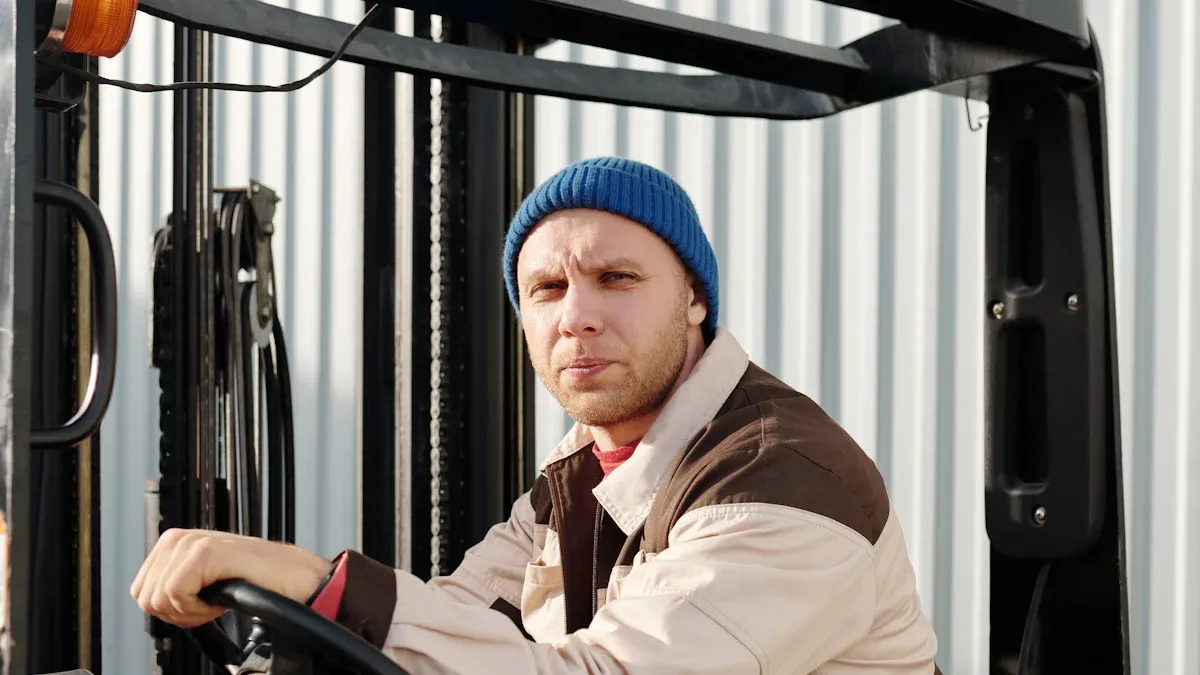
Inspecting Key Components
Warehouse teams rely on thorough pre-use checks to maintain the reliability and performance of every Used KOMATSU Forklift. Before each shift, operators should walk around the forklift and visually inspect critical components. They look for tire wear, bodywork damage, and loose or missing panels. Clean and visible number plates help ensure compliance, while a tidy access area reduces the risk of slips or trips. Operators also check that tax and insurance discs are current if the forklift operates on public roads.
A well-organized cab interior supports safe operation. Operators adjust the seat and steering wheel for comfort and control. They test all lights, horns, and warning systems to confirm proper function. Instruments, gauges, and warning devices must operate correctly. Steering and brakes require testing before moving the forklift. Any defects should be recorded and reported according to company procedures.
The following table outlines recommended inspection frequencies for key components:
| Part Category | Key Components | Maintenance Frequency |
|---|---|---|
| Engine Parts | Oil Filters, Cylinder Heads, Pistons | Every 250–500 hours |
| Transmission Parts | Filters, Gear Sets, Clutch Packs | Every 500 hours |
| Body Parts | Cabs, Frames | Monthly inspection |
| Hydraulic Parts | Pumps, Cylinders, Hoses | Every 250 hours / As needed |
| Electrical Parts | Starters, Batteries, Alternators | Weekly to monthly |
Verifying Safety Features
Safety checks play a vital role in warehouse operations. Operators begin with a visual inspection of the operator compartment, tires, and hydraulic hoses. They ensure all fluid levels, including hydraulic fluid and oil, meet recommended standards. The steering wheel must respond smoothly, and the parking brake should engage securely.
Operators examine the lift mechanism and hydraulic controls for smooth operation. They verify that all safety devices, such as limit switches and indicator lights, function as intended. Steering, brakes, and controls undergo operational testing to confirm smooth performance. Finally, operators check the capacity load plate and assess forklift stability with different loads. These steps help maintain a safe and efficient work environment.
Used KOMATSU Forklift Maintenance Best Practices
Routine Servicing
Routine servicing forms the backbone of reliable warehouse operations. Warehouse managers begin by creating a comprehensive inventory of all forklifts and assessing their current condition. This step ensures that each asset receives the attention it requires. They then establish clear maintenance frequencies, dividing tasks into daily, short-term, and long-term schedules. By organizing these schedules and leveraging technology, such as automated reminders, teams can plan maintenance during off-peak hours to minimize operational disruptions.
A well-structured maintenance program includes both scheduled and predictive maintenance. Scheduled maintenance involves routine inspections and servicing during planned downtimes, which helps prevent unexpected breakdowns. Predictive maintenance uses condition monitoring to anticipate issues before they escalate, further reducing downtime. Many warehouses implement a Computerized Maintenance Management System (CMMS) to streamline processes and track maintenance tasks efficiently.
Tip: Proactive scheduling of routine inspections and servicing during planned downtimes can significantly reduce unexpected breakdowns and extend equipment life.
The following table outlines recommended maintenance intervals for Used KOMATSU Forklifts:
| Maintenance Task | Frequency |
|---|---|
| Daily inspections | Daily |
| Cleaning in muddy or dusty environments | Weekly |
| Comprehensive maintenance checklist | Regularly |
Warehouse teams also benefit from remote monitoring solutions. Systems like Komtrax Plus track operating parameters and identify potential issues, maximizing uptime. Onboard sensors provide real-time data, allowing technicians to address maintenance needs proactively. Real-time management systems, such as MineCare and mRoc, help reduce costs and increase equipment availability.
Addressing Common Wear Issues
Addressing common wear issues ensures that Used KOMATSU Forklifts remain safe and efficient. Regular inspections play a crucial role in identifying early signs of wear, such as tire degradation, hydraulic leaks, or electrical faults. A comprehensive maintenance checklist helps teams maintain equipment reliability and comply with safety standards.
Technicians empower themselves by using ready-to-use asset packages for preventive maintenance. Standardizing maintenance workflows reduces unplanned downtime and lowers overall costs. Many warehouses use tools like MaintainX CoPilot for 24/7 support, ensuring that maintenance activities stay on track.
Note: Adhering to maintenance schedules not only prevents major failures but also ensures compliance with OSHA requirements and industry regulations.
Warehouse managers prioritize cleaning, especially in muddy or dusty environments, to prevent buildup that can accelerate wear. They also monitor hydraulic systems, brakes, and electrical components for signs of fatigue. By addressing these issues promptly, teams extend the lifespan of each forklift and maintain a safe working environment.
Used KOMATSU Forklift Operational Optimization
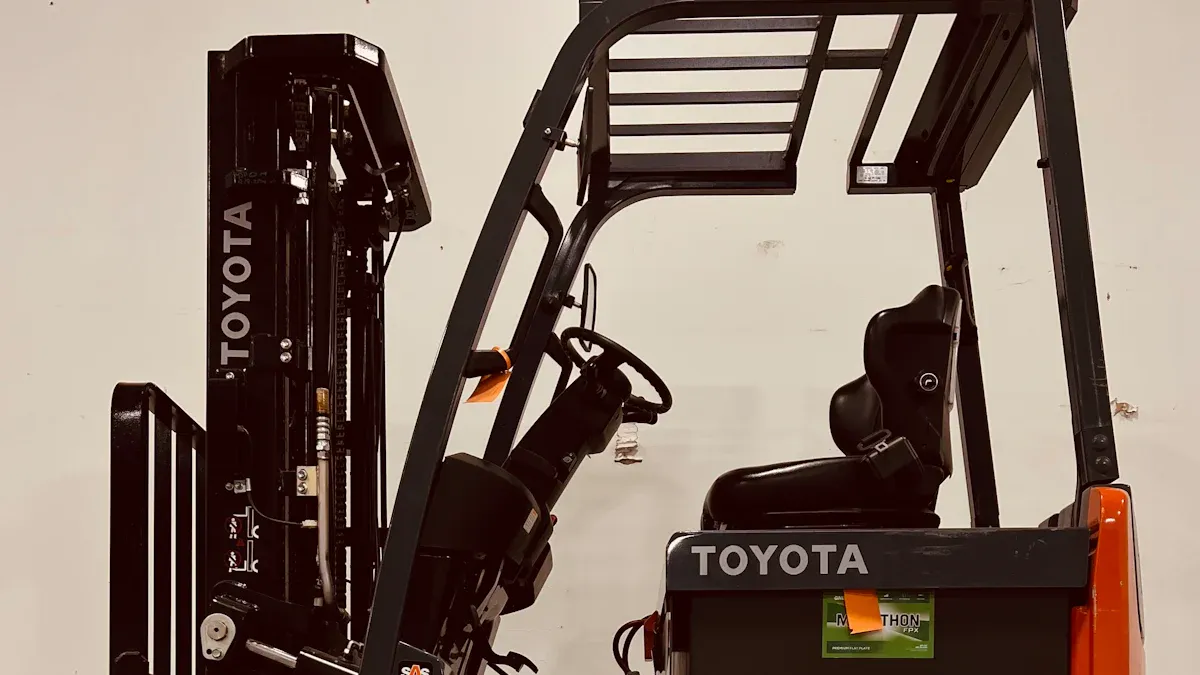
Adjusting for Warehouse Layout
Warehouse layouts differ greatly, requiring tailored approaches for optimal forklift performance. Teams must evaluate aisle widths, racking heights, and turning radii to select the best configuration for their operations. The choice of forklift mast type plays a critical role in maximizing efficiency, especially in narrow aisle environments. Selecting the right mast—such as Triple Stage (TT), Full Free Lift (FFL), or Full Free Triplex (FFT)—improves maneuverability and visibility. This adjustment allows operators to handle materials efficiently, even in confined spaces.
Managers also consider the durability and adaptability of their equipment. Features like sealed electrical connections protect forklifts from moisture and debris, reducing maintenance needs. Anti-corrosion coatings on the chassis extend the lifespan of the forklift, especially in challenging environments. These enhancements ensure consistent performance and reliability, regardless of warehouse conditions.
Customizing forklift operations to match specific warehouse requirements delivers measurable benefits. The table below outlines the advantages of this approach:
| Benefit | Description |
|---|---|
| Increased Customer Output | Tailored solutions enhance efficiency and productivity, meeting unique operational demands. |
| Enhanced Customer Support | Dedicated support addresses specific client needs, improving satisfaction and response times. |
| Tailored Solutions | Customization aligns equipment capabilities with business goals, fostering long-term success. |
Warehouse teams that invest in these adjustments see improved workflow, reduced downtime, and greater overall productivity.
Training Operators for Efficiency
Operator training stands as a cornerstone of warehouse safety and productivity. Comprehensive programs equip operators with the skills needed to handle a Used KOMATSU Forklift efficiently and safely. Modern training methods combine interactive simulations, hands-on experience, and ongoing education to maximize skill retention and confidence.
The following table summarizes effective training strategies and their outcomes:
| Training Strategy | Key Feature | Expected Outcome | Implementation Timeframe |
|---|---|---|---|
| Interactive Simulations | Realistic Scenarios | Increased Retention of Skills | 1-2 Months |
| Hands-On Training | Practical Experience | Improved Operator Confidence | 2-3 Months |
| Regular Refresher Courses | Ongoing Education | Maintenance of Skills | Quarterly |
| Use of E-learning Tools | Online Modules | Flexibility in Learning | Ongoing |
| Assessment & Feedback | Performance Reviews | Identification of Improvement Areas | After Each Training Session |
Integrating technology into training, such as virtual reality and simulation-based modules, creates immersive experiences that mirror real-life scenarios. This approach helps operators develop essential skills in a controlled environment, leading to better retention and safer practices. Many organizations also incorporate gamification elements and VR simulations to enhance engagement and provide safe practice opportunities.
Companies that prioritize operator training report significant benefits. These include a reduction in workplace accidents, improved workflow management, and measurable returns on investment. The table below highlights these impacts:
| Evidence Type | Description |
|---|---|
| Accident Reduction | Comprehensive training initiatives lead to fewer workplace accidents. |
| Productivity Improvement | Training programs result in better workflow and increased productivity. |
| ROI | Businesses see reduced operational costs and higher productivity. |
Additional benefits include improved workplace morale, safer operations, and minimized downtime due to enhanced skills in equipment handling. Regular assessment and feedback ensure that operators maintain high standards and adapt to evolving warehouse needs.
Used KOMATSU Forklift Safety and Compliance
Ensuring Regulatory Standards
Warehouse managers must ensure that every Used KOMATSU Forklift meets all relevant safety and compliance standards. They start by verifying that operators hold valid certifications according to OSHA requirements. Certification confirms that operators understand safe handling practices and can respond to hazards. Managers also keep detailed records of operator training and equipment inspections. These records help demonstrate compliance during audits and safety reviews.
Routine inspections play a key role in maintaining regulatory standards. Teams check that all safety devices, such as seat belts and warning alarms, function correctly. They confirm that load capacity plates remain visible and accurate. Managers schedule regular reviews of safety protocols to keep up with changing regulations. This proactive approach reduces the risk of fines and workplace incidents.
Tip: Keeping up-to-date documentation and conducting regular safety meetings help reinforce compliance and build a culture of safety.
Implementing Safety Protocols
Effective safety protocols protect both operators and warehouse staff. Teams follow a set of proven practices to minimize risks:
- All forklift operators complete training and certification based on OSHA standards.
- Pre-use inspections ensure each Used KOMATSU Forklift operates safely before every shift.
- Operators wear appropriate personal protective equipment, such as helmets and safety vests.
Warehouse teams also implement lockout/tagout procedures during maintenance. This step ensures that forklifts remain inoperable while technicians perform repairs. Regular equipment inspections help identify issues before they cause injuries. Adhering to safe operating procedures, such as maintaining clear aisles and observing speed limits, further reduces risks.
A real-world incident highlights the importance of these protocols. An operator who skipped safety checks and rushed through a task collided with a co-worker, resulting in injuries. This example shows why proper training and strict adherence to safety procedures are essential for a safe workplace.
Note: Consistent enforcement of safety protocols leads to fewer accidents, improved morale, and greater operational efficiency.
Used KOMATSU Forklift Maximizing Value
Upgrading and Retrofitting
Warehouse managers often seek ways to enhance the performance and value of their equipment. Upgrading and retrofitting a Used KOMATSU Forklift can deliver significant returns. Installing advanced safety features, such as backup alarms and LED lighting, reduces workplace accidents and improves productivity. Modern hydraulic systems and ergonomic controls increase operator comfort and efficiency. Retrofitting with telematics or fleet management technology enables real-time monitoring, which helps teams track usage patterns and schedule maintenance proactively.
Managers also benefit from adapting forklifts to specific warehouse layouts. Custom attachments, such as side shifters or fork positioners, allow for more precise material handling. These upgrades align forklift capabilities with operational needs, supporting long-term business goals. The following table highlights key performance indicators for maximizing value:
| Key Performance Indicator | Description |
|---|---|
| Maintenance Frequency | Forklifts should be serviced every 200–250 hours of operation to ensure optimal performance. |
| Warehouse Layout | Adapting the layout for high-capacity forklifts enhances operational efficiency and safety. |
| Safety Features | Investing in advanced safety features reduces accidents and improves productivity. |
| Inspection of Equipment | A thorough inspection of used forklifts ensures safety and reliability, minimizing downtime. |
| Operator Training | Regular training updates for operators enhance safety and operational proficiency. |
| Proactive Maintenance | Regular checks and adherence to guidelines keep forklifts in optimal condition, saving costs. |
| Support Services | Establishing relationships with reliable service providers ensures quick resolution of issues. |
| Needs Assessment | Conducting a detailed needs assessment aligns forklift capabilities with operational requirements. |
| Future-proofing | Continuous training and certification keep operators skilled, ensuring long-term value. |
Extending Forklift Lifespan
A Used KOMATSU Forklift can deliver years of reliable service when cared for properly. Teams extend equipment lifespan by following these best practices:
- Conduct thorough pre-operation inspections to identify potential issues before use.
- Follow a regular maintenance schedule, adjusting based on real-world conditions.
- Clean and lubricate components regularly to prevent damage from buildup.
- Care for the battery and electrical systems to ensure reliability.
- Inspect tires and the undercarriage frequently to avoid unexpected breakdowns.
- Train operators on maintenance practices to foster a culture of care.
- Utilize technology for monitoring and managing maintenance needs.
A well-maintained forklift can last between 10,000 to 20,000 operating hours. Under optimal conditions, some units exceed 25,000 hours. Poor maintenance, however, may reduce lifespan to less than 10,000 hours. Consistent care and proactive upgrades ensure that each forklift remains a valuable asset in warehouse operations.
Warehouse managers can optimize Used KOMATSU Forklift operations by following clear steps:
| Actionable Step | Description |
|---|---|
| Find the most direct path through crowded spaces | Optimizes travel time and efficiency. |
| Adjust speed based on load weight and balance | Enhances safety and operational efficiency. |
| Report problems before they cause breakdowns | Prevents unexpected downtime and maintenance issues. |
| Work together with other machines to finish tasks faster | Increases overall productivity and efficiency. |
Ongoing maintenance, safety checks, and operator training deliver long-term benefits. Regular inspections prevent costly repairs. Functional safety features reduce accidents. Consistent training keeps operators skilled. Continuous improvement and proactive management ensure every Used KOMATSU Forklift remains a valuable asset.
FAQ
What are the most important daily checks for a Used KOMATSU Forklift?
Operators should inspect tires, hydraulic hoses, fluid levels, and safety devices before each shift. They must test brakes, steering, and warning systems. These checks help prevent accidents and ensure reliable performance.
How often should a Used KOMATSU Forklift receive routine maintenance?
Technicians should perform routine maintenance every 250–500 operating hours. They should adjust intervals based on usage intensity and working conditions. Regular servicing extends equipment life and reduces unexpected downtime.
Can a Used KOMATSU Forklift handle heavy loads safely?
The KOMATSU 7TON Original Made in Japan Forklift can handle heavy loads when operators follow load capacity guidelines. They must always check the capacity plate and ensure proper load balance for safe operation.
What upgrades improve the efficiency of a Used KOMATSU Forklift?
Installing LED lighting, backup alarms, and advanced hydraulic controls increases efficiency. Adding telematics systems allows real-time monitoring. Custom attachments, such as side shifters, help adapt the forklift to specific warehouse needs.
How does operator training impact warehouse safety?
| Benefit | Result |
|---|---|
| Fewer accidents | Safer work environment |
| Improved productivity | Faster, more accurate tasks |
| Lower costs | Reduced equipment damage |
Well-trained operators follow safety protocols and use equipment efficiently.
See Also
Evaluating Custom Cargo Lifts: Benefits and Drawbacks for Businesses
Selecting the Ideal 10KW Diesel Generator for Your Requirements
Simple Maintenance Tips to Avoid Dumbwaiter Elevator Issues
Essential Industrial Checkweighers for Every Food Processing Facility