From Start to Finish Urban Wastewater Treatment Steps
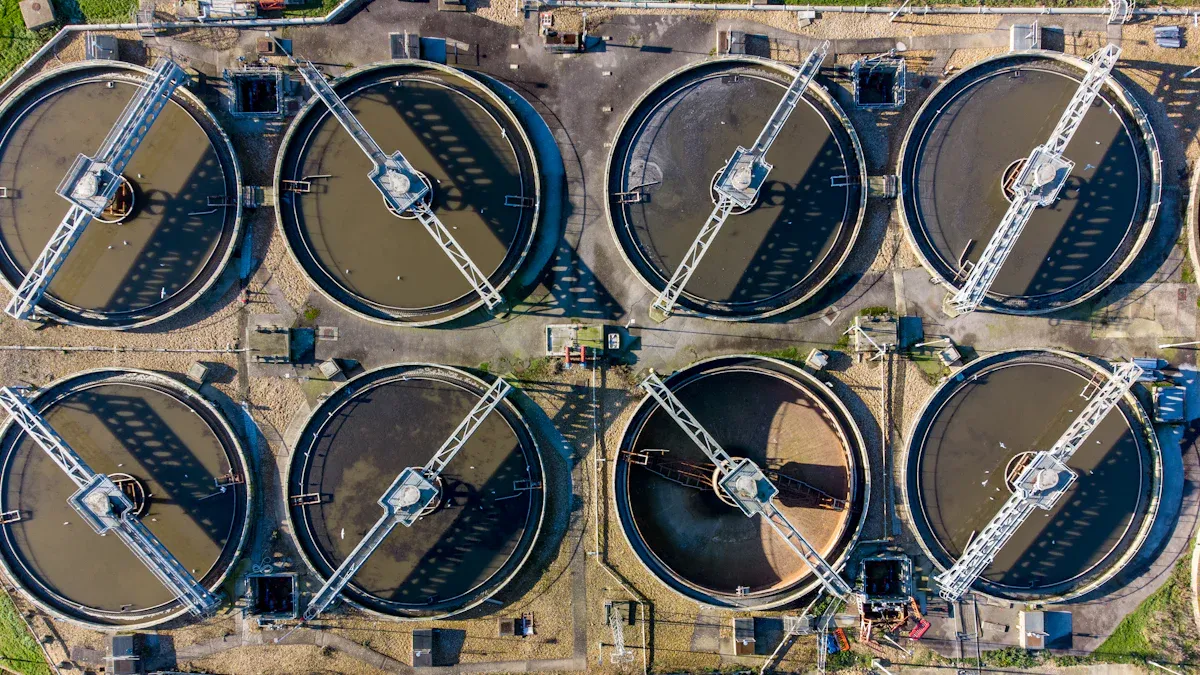
You rely on clean water for health and daily life. At an urban sewage treatment plant, you see how experts remove harmful substances from wastewater. This process protects you from waterborne diseases by keeping contaminants out of your environment. You gain safer water and a healthier community.
Key Takeaways
- Urban sewage treatment plants play a vital role in providing clean water and protecting public health by removing harmful substances from wastewater.
- Each step in the treatment process, from screening to disinfection, has a specific purpose that contributes to cleaner water and a healthier environment.
- Understanding the treatment stages helps you appreciate how wastewater management protects ecosystems and supports community well-being.
Urban Sewage Treatment Plant: The Process Overview
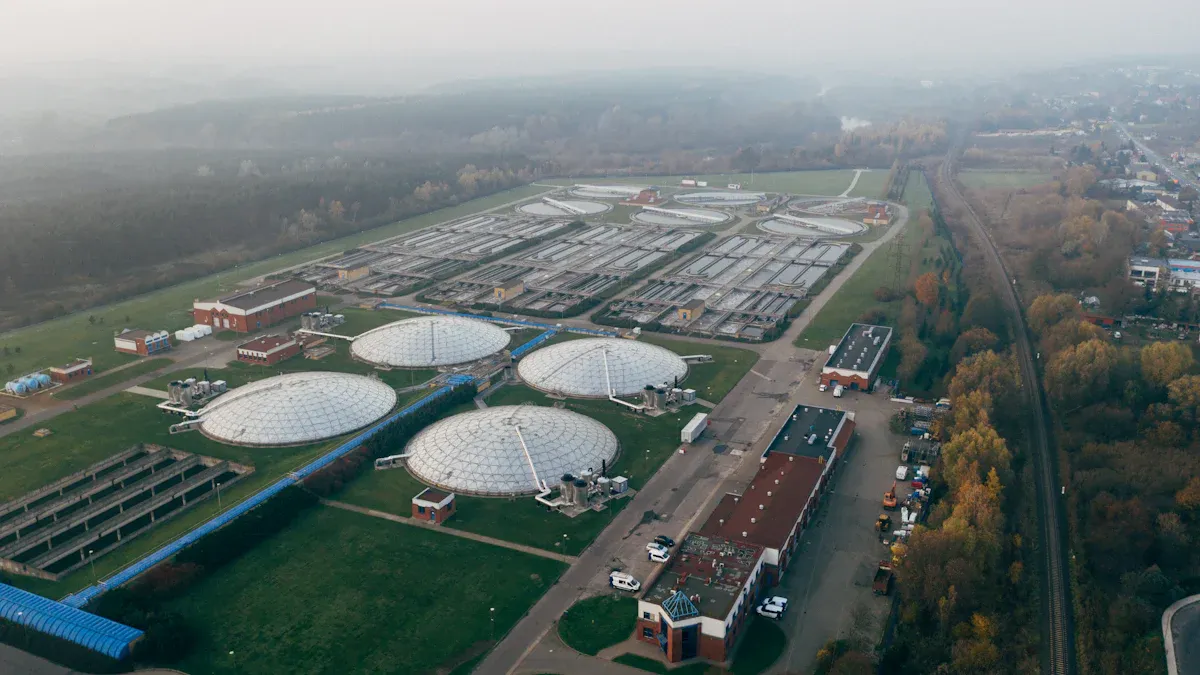
Main Stages of Wastewater Treatment
You can follow a clear path when you look at how an urban sewage treatment plant works. Each stage has a special job. The table below shows the main steps and what happens at each one:
| Step Number | Stage Name | Description |
|---|---|---|
| 1 | Screening and Pumping | Removal of large objects from wastewater. |
| 2 | Grit Removal | Removal of heavy materials like sand and gravel. |
| 3 | Primary Settling | Settling of materials in clarifiers to separate primary sludge. |
| 4 | Aeration / Activated Sludge | Biological treatment of wastewater by microorganisms. |
| 5 | Secondary Settling | Separation of treated wastewater from biological material. |
| 6 | Filtration | Polishing of clarified effluent through filtration. |
| 7 | Disinfection | Use of ultraviolet light to kill remaining bacteria. |
| 8 | Oxygen Uptake | Aeration of treated water to meet dissolved oxygen levels. |
| N/A | Sludge Treatment | Treatment of primary and activated sludge to reduce volume and produce usable end product. |
Purpose of Each Step
You see that each step in the urban sewage treatment plant helps protect your health and the environment. Screening and pumping remove trash and large items. Grit removal takes out sand and gravel, which keeps machines safe. Primary settling lets solids sink, so you get cleaner water. Aeration adds oxygen, helping tiny organisms break down waste. Secondary settling separates these organisms from the water. Filtration catches small particles, making the water even cleaner. Disinfection kills germs, so the water is safe. Oxygen uptake restores healthy oxygen levels before the water returns to rivers or lakes.
Note: Urban sewage treatment plants must follow strict rules. In the United States, the Clean Water Act sets standards for clean water. Plants must monitor water quality and use advanced technology to remove nutrients and tiny pollutants. Operators also work to save energy by using new methods like solar panels and heat recovery.
You may notice that old pipes and crowded cities can make treatment harder. Some plants face challenges like too many nutrients or new chemicals in the water. By following each step, you help keep your community safe and your rivers clean.
Screening and Pumping
Removing Large Debris
When you visit an urban sewage treatment plant, you see the first step is screening. Large screens catch items like rags, sticks, plastics, and grease as wastewater enters the facility. These materials do not belong in the water. If you let them pass, they can block pipes and damage machines. Screening removes these unwanted solids quickly. This step keeps the rest of the treatment process running smoothly. You help prevent flow problems and reduce the risk of equipment failure.
Tip: Removing large debris early means less maintenance and fewer repairs for the plant.
Transporting Wastewater for Treatment
After screening, pumps move the cleaner water to the next stage. These pumps lift and push the wastewater through the treatment system. You rely on strong pumps to keep water flowing, even when the amount of wastewater changes during the day. By removing large debris first, you protect the pumps from clogs and damage. The urban sewage treatment plant uses this method to make sure only water and small particles reach the next phase, called grit removal. This careful process helps the plant work efficiently and keeps your community safe.
Grit Removal
Eliminating Sand and Small Particles
You see the next step in the urban sewage treatment plant is grit removal. Here, you watch as the water flows through special tanks called grit chambers. These chambers slow down the water so heavy particles like sand, gravel, and small stones can settle at the bottom. You notice that these particles come from streets, storm drains, and even household drains. If you leave them in the water, they can cause problems later in the process.
- Grit chambers use gravity to separate out the heavy materials.
- Workers remove the settled grit and send it to a landfill or use it for other purposes.
By removing grit early, you help keep the treatment process smooth and efficient.
Protecting Treatment Equipment
You protect the machines in the plant when you remove grit. Sand and gravel act like sandpaper. They can scratch, wear down, or even break pumps, pipes, and other equipment. When you take out these small, coarse particles, you help the plant avoid costly repairs and downtime. Grit removal keeps the equipment running longer and saves money for your community.
Note: Grit removal is essential because it maintains the integrity of downstream equipment. Without this step, abrasive materials would damage machines and slow down the treatment process.
You play a key role in making sure the urban sewage treatment plant works well. By understanding grit removal, you see how each step protects both the water and the tools needed to clean it.
Primary Settling
Separating Solids from Liquids
You watch as wastewater enters large tanks called primary clarifiers. These tanks slow down the flow of water. Heavy solids sink to the bottom, while lighter materials float to the top. You see that this step helps separate most of the solid waste from the liquid. The clear water in the middle moves on to the next stage. This process removes about half of the suspended solids and some organic material. You notice that removing solids early makes the rest of the treatment easier and more effective.
Tip: Primary settling helps reduce the amount of work needed in later steps. Cleaner water means fewer problems for the machines and less energy used.
Collecting Sludge for Further Processing
You see workers collect the thick layer of solids, called sludge, from the bottom of the tank. They use special devices like continuous belts or vacuum systems to remove the sludge. The urban sewage treatment plant then pumps this sludge to another unit for further treatment. You learn that the plant thickens the sludge to concentrate the solids. This can happen by letting gravity do the work or by using air bubbles to float the solids. The plant then stabilizes the sludge using aerobic or anaerobic digestion. These methods break down the organic matter and make the sludge safer for disposal or reuse.
- Sludge is removed from the bottom of the tank.
- The plant pumps sludge to digesters or other treatment units.
- Thickening and stabilization prepare sludge for safe handling.
You play a part in keeping the process smooth by understanding how each step works.
Aeration and Activated Sludge
Adding Oxygen to Support Microorganisms
You enter the aeration tanks at the urban sewage treatment plant. Here, you see large machines bubbling air into the water. These bubbles supply oxygen to tiny microorganisms living in the tank. Oxygen helps these microbes stay active and healthy. When you add air, you keep the bacteria suspended and moving. This movement lets the bacteria mix with the incoming wastewater. You notice that the air comes from diffusers or agitators, which spread oxygen evenly. The bacteria need oxygen to survive and work hard. Without enough oxygen, the microbes slow down and cannot clean the water well.
Tip: Aeration is the key to keeping microorganisms alive and working. You help them break down waste faster by making sure they get enough oxygen.
Breaking Down Organic Waste
You watch as the bacteria begin to eat the organic matter in the water. These microbes use oxygen to digest and remove harmful substances. During this stage, you see a big drop in pollution levels. The process can remove up to 95% of biochemical oxygen demand (BOD), which means most organic waste disappears. You also notice that the concentration of biodegradable organics falls by as much as 90%. The bacteria break down food scraps, oils, and other waste into safer materials. You help protect rivers and lakes by making sure this step works well.
- Aeration tanks support bacteria that clean the water.
- The activated sludge process removes most organic pollution.
- Cleaner water leaves the tank, ready for the next step.
You play a vital role in keeping the treatment process strong. By understanding aeration and activated sludge, you see how the plant turns dirty water into something safe for the environment.
Secondary Settling
Allowing Remaining Solids to Settle
You reach the secondary settling tanks at the urban sewage treatment plant. Here, you watch as the water slows down and enters large, quiet basins. Gravity pulls the remaining suspended solids to the bottom of these tanks. This step lets the heavier particles settle out of the water. You see that the process forms a layer of secondary sludge at the bottom. Operators remove this sludge for further treatment. The clear water above moves on to the next stage.
Note: The efficiency of solids removal depends on how fast the solids settle and how long the water stays in the tank. If you give the water enough time, more particles will sink to the bottom.
- Gravity helps separate solids from the water.
- The design of the tanks ensures that most particles have time to settle.
Clarifying Treated Water
You notice that secondary settling plays a key role in making the water clear. When you remove these last solids, you reduce turbidity, which means the water looks cleaner and brighter. The final settling tanks catch particles that escaped earlier steps. This extra settling step is important because it improves the quality of the treated water. You help protect rivers and lakes by making sure only clear water leaves the plant.
In the urban sewage treatment plant, secondary settling ensures that the water meets safety standards before it returns to the environment. You see how each step, including this one, works together to produce clean water for your community.
Filtration and Tertiary Treatment
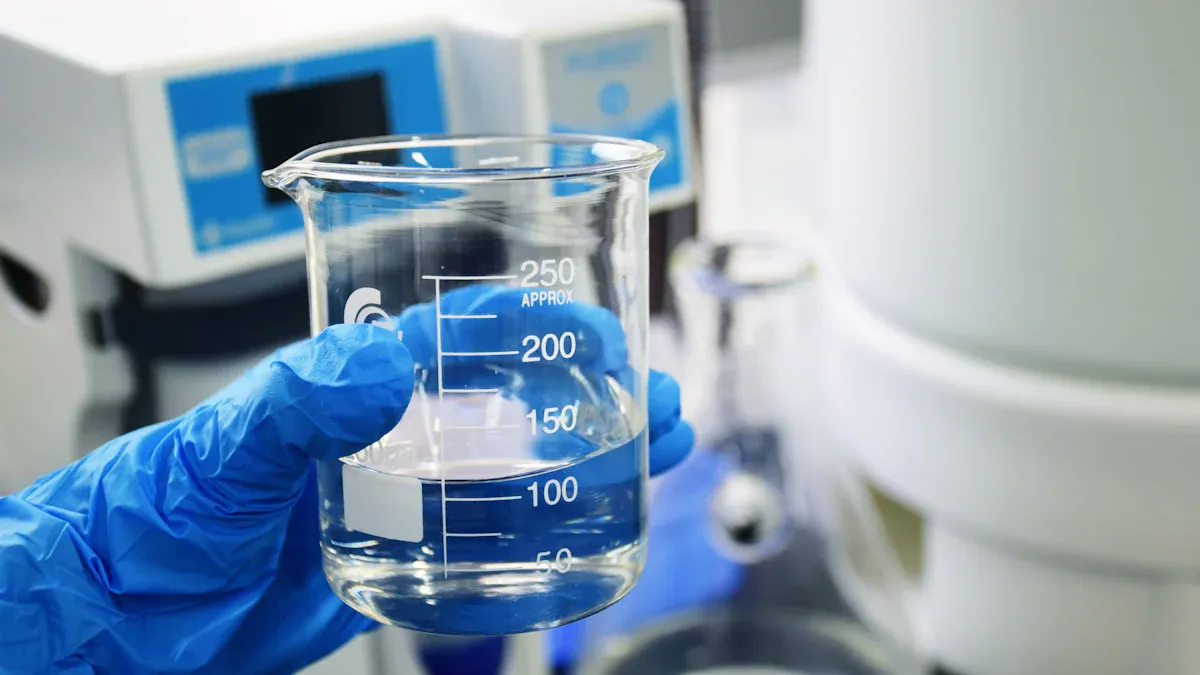
Removing Fine Particles and Nutrients
You reach the final cleaning steps at the urban sewage treatment plant. Here, you see how advanced filtration methods remove the smallest particles and extra nutrients from the water. These steps help catch what earlier stages missed. You find that different filters work in different ways. Some use layers of sand, while others use special materials or even membranes. The table below shows common filtration methods and how each one works:
| Filtration Method | Description |
|---|---|
| Diatomaceous Earth Filtration | Uses diatomaceous earth to trap fine particles. |
| Chemical Clarification | Uses chemicals to clump solids, then filters them out. |
| Sand Filtration | Filters water through sand to catch solids. |
| Multimedia Filtration | Uses several materials to improve filtering and last longer. |
| Ultrafiltration | Pushes water through tiny membranes to remove particles, viruses, bacteria. |
| Moving-Bed Filters | Uses moving media for better contact and removal of particles. |
You notice that these filters can remove very fine solids, bacteria, and even some viruses. You also learn that tertiary treatment uses chemical and biological steps to lower nutrient levels. These methods can reduce phosphorus to less than 1 mg/l, sometimes even below 0.1 mg/l. Membrane bioreactors help remove both nitrogen and phosphorus, making the water much safer for the environment.
Enhancing Water Purity
You see that filtration and tertiary treatment make the water as clean as possible before it leaves the plant. These steps protect rivers, lakes, and wildlife from harmful pollution. When you remove extra nutrients, you stop algae from growing too fast in natural waters. You also help keep drinking water sources safe. By using advanced filters and special treatments, you make sure the water meets strict safety standards. You play a part in keeping your community and the environment healthy.
Tip: The cleaner the water, the less risk there is for people and animals downstream.
Disinfection
Eliminating Harmful Microorganisms
You reach the final barrier in the urban wastewater treatment process—disinfection. Here, you see how the plant removes dangerous germs from the water. These germs include bacteria, viruses, and parasites that can cause illness. You learn that disinfection uses strong methods to kill or inactivate these harmful microorganisms.
Most treatment plants use one of these main disinfection methods:
- Chlorination: You add chlorine to the water. Chlorine destroys bacteria and viruses quickly.
- Ultraviolet (UV) Light: You shine UV light on the water. The light damages the DNA of germs so they cannot reproduce.
- Ozone Treatment: You bubble ozone gas through the water. Ozone breaks down cell walls and kills microorganisms.
Tip: Each method has strengths. UV light does not leave chemicals in the water. Chlorine keeps working as water travels through pipes.
Ensuring Water Safety Before Release
You make sure the water is safe before it leaves the plant. Operators test the water to check for any remaining germs. You see that the water must meet strict health standards set by the government. If the water passes all tests, you can release it into rivers, lakes, or reuse systems.
You protect your community by following these steps:
- Test the disinfected water for bacteria.
- Record the results and report them.
- Release only water that meets safety rules.
Note: Safe water helps prevent disease outbreaks and keeps the environment healthy. You play a key role in this important final step.
Oxygen Uptake
Restoring Oxygen Levels in Treated Water
You reach the final stage before treated water leaves the plant. Here, you focus on restoring oxygen levels. Oxygen is vital for rivers, lakes, and all aquatic life. When water contains too much organic material, microorganisms use up oxygen as they break down waste. This process is called biochemical oxygen demand (BOD). High BOD means more oxygen gets used up, which can harm fish and other aquatic animals. If you release water with low oxygen, you risk damaging the ecosystem.
You help maintain a healthy environment by making sure treated water has enough dissolved oxygen. Aquatic organisms need this oxygen to survive. Without it, they struggle to breathe and may die. You see that oxygen uptake is not just a technical step—it protects life in the water.
Preparing Water for Environmental Discharge
You use several methods to measure and control oxygen in treated water. Aeration plays a key role. In this step, you introduce air into the water. This air contains oxygen, which supports the growth of helpful microorganisms. These microbes consume pollutants and turn them into safer substances like water and nitrogen.
- You transfer effluent from the settling tank to the aeration tank.
- You add air to the system, boosting oxygen levels.
- Microorganisms digest organic waste, lowering BOD and chemical oxygen demand (COD).
By carefully managing oxygen uptake, you ensure the water is safe for release. You protect rivers and lakes from pollution and help aquatic life thrive. 🌊🐟
Sludge Treatment at Urban Sewage Treatment Plant
Processing and Stabilizing Sludge
You see that sludge is a thick, muddy material left over after treating wastewater. At an urban sewage treatment plant, you help manage this sludge so it does not harm people or the environment. First, you use thickening to concentrate the solids. This step reduces the volume of sludge by letting gravity pull the solids together or by using air bubbles to float them. Next, you stabilize the sludge. You can use aerobic digestion, which adds oxygen, or anaerobic digestion, which works without oxygen. Both methods break down the organic matter and make the sludge safer. Finally, you use dewatering to remove extra water. Machines like belt filter presses squeeze out the liquid, making the sludge easier to handle.
| Method | Description |
|---|---|
| Thickening | Concentrates solids to reduce sludge volume, using gravity or dissolved-air flotation. |
| Stabilization | Involves aerobic or anaerobic digestion to stabilize organic sludge before disposal or reuse. |
| Dewatering | Reduces water content in sludge using methods like belt filter press, depending on plant size and type. |
Tip: Processing and stabilizing sludge helps prevent bad smells and stops the spread of germs.
Safe Disposal or Beneficial Reuse
You must decide what to do with the treated sludge. Safe disposal is important. Sometimes, you send the dried sludge to a landfill. Other times, you use it as a soil conditioner for farms or gardens. Some plants turn sludge into energy by capturing methane gas during digestion. You help protect the environment by making sure sludge is safe before reuse or disposal. When you follow these steps, you keep your community clean and support recycling efforts.
You help produce clean water by supporting every treatment stage. The table below shows how each step removes waste and protects your health.
| Stage | Contribution to Clean Water |
|---|---|
| Preliminary treatment | Removes solid waste to prevent machinery damage and blockages. |
| Primary treatment | Settles heavier solids and skims off lighter materials. |
| Secondary treatment | Uses bacteria to break down organic matter, enhancing purification. |
| Tertiary treatment | Eliminates remaining contaminants, including nutrients and pathogens. |
Urban sewage plants safeguard communities and ecosystems. You benefit from improved water quality, public health protection, and new jobs. Effective wastewater management creates cleaner rivers and supports a healthier environment.
FAQ
What happens to water after it leaves the urban sewage treatment plant?
You see the treated water released into rivers or lakes. This water meets safety standards and supports healthy fish and plants.
Why do you need so many steps in wastewater treatment?
You need each step to remove different types of pollution. Every stage helps protect your health and keeps the environment clean.
Can you visit an urban sewage treatment plant?
You can visit many plants during open house events. You learn how experts clean water and see the equipment in action.
See Also
Comprehensive Overview of Plate Heat Exchanger Functionality
Innovations in Heat Exchanger Manufacturing Boost Industrial Efficiency
2025 Overview of Semi-Welded Plate Heat Exchangers Usage
Unexpected Techniques for Diagnosing Sulfur Recovery Catalysts