The Unique Chemistry Behind Dimeryl Diisocyanate (DDI) CAS 68239-06-5
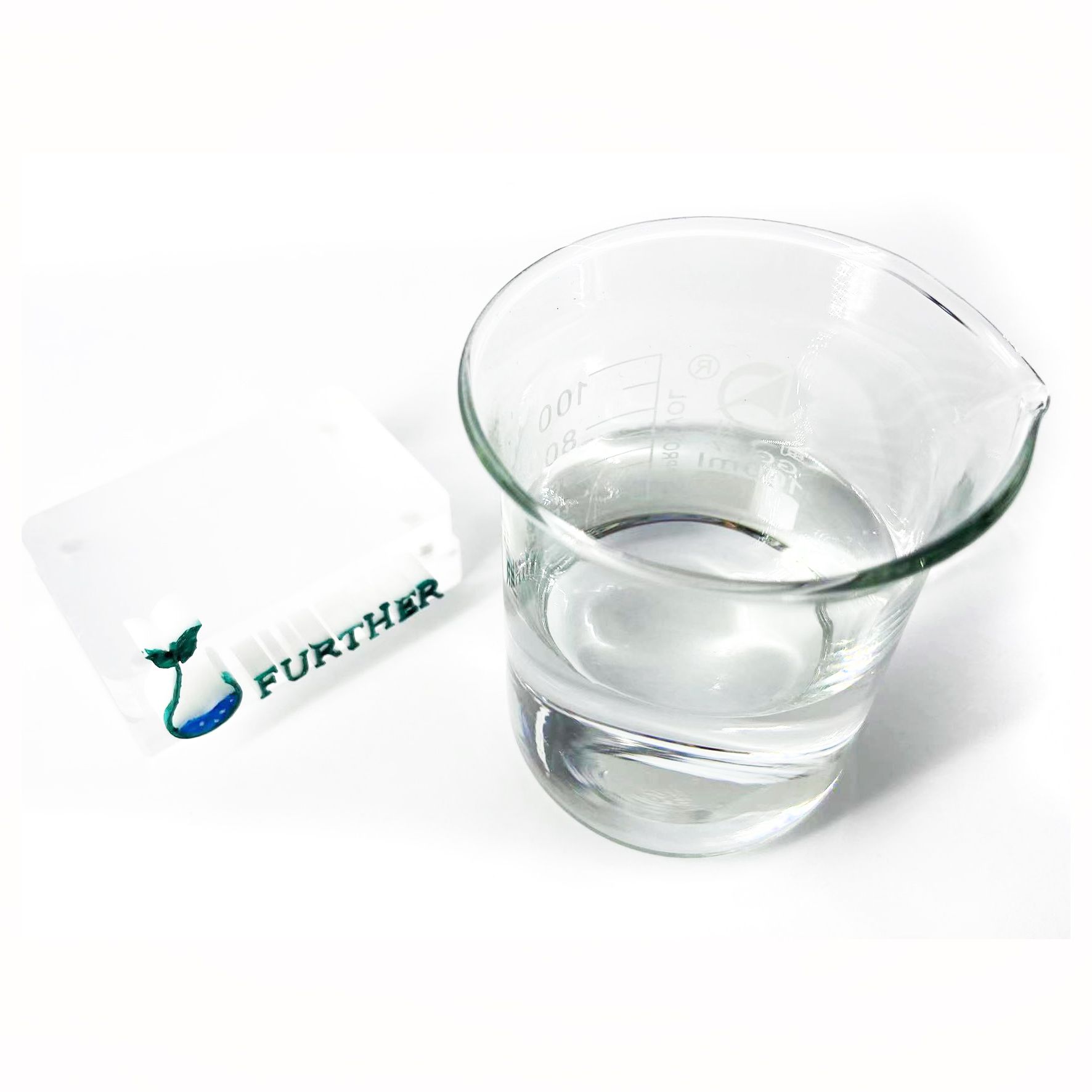
Dimeryl Diisocyanate(DDI) CAS NO. 68239-06-5 features a 36-carbon dimer fatty acid backbone. This structure delivers flexibility, low toxicity, non-yellowing properties, and biorenewability. The long aliphatic chain lowers NCO content to 13.60–15.00% and vapor pressure to <0.001 mmHg at 25°C. Key differentiators include exceptional abrasion and chemical resistance, water resistance, and a melting point of −34.4°C.
Key Takeaways
- DDI's long carbon chain creates flexible polyurethanes that resist wear and water.
- DDI has very low vapor pressure, making it safer to handle than other isocyanates.
- DDI is non-yellowing and made from renewable plants, perfect for outdoor and eco-friendly products.
The Unique Molecular Structure of Dimeryl Diisocyanate(DDI) CAS NO. 68239-06-5
The molecular architecture of Dimeryl Diisocyanate(DDI) CAS NO. 68239-06-5 sets it apart from conventional diisocyanates. Its structure explains nearly every performance benefit that formulators observe in the lab and in finished products. Three structural features deserve close attention: the dimer fatty acid backbone, the low isocyanate content paired with low vapor pressure, and the non-yellowing and biorenewable nature of the molecule.
The Dimer Fatty Acid Backbone
The foundation of DDI is a 36-carbon dimer fatty acid backbone. This long, branched aliphatic chain gives the molecule its distinctive character. Unlike short-chain diisocyanates, DDI carries two isocyanate groups at the ends of a very long hydrocarbon structure. The chain length creates a large distance between the reactive NCO groups.
This distance matters for polyurethane chemistry. A long chain acts like a soft, flexible spring inside the polymer network. The spring absorbs stress and bends without breaking. As a result, materials made with DDI show remarkable elasticity and elongation. The backbone also introduces branching and ring structures. These features disrupt the symmetry of the molecule. A less symmetric molecule cannot pack into tight crystalline regions. This trait keeps DDI liquid at room temperature and gives it a low melting point of −34.4°C.
The dimer fatty acid backbone also carries the biorenewable story of DDI. Dimer fatty acids come from natural oils, such as tall oil or soybean oil. This plant-based origin makes DDI a green specialty isocyanate. Formulators who seek sustainable raw materials often turn to DDI for this reason.
Low Isocyanate Content and Vapor Pressure
The long backbone dilutes the reactive NCO groups within a large molecular volume. This dilution produces a low isocyanate content of 13.60–15.00%. A low NCO value means fewer reactive sites per unit of mass. The reaction proceeds at a controlled, predictable pace. Formulators gain more working time and better process control.
The large molecular weight also suppresses volatility. DDI has a relative molecular weight of about 600. Heavy molecules do not escape into the air easily. Experimental measurements confirm this behavior:
Steam pressure, mmHg: <0.001 (25°C)
This extremely low vapor pressure delivers a major safety advantage. Workers inhale far less airborne isocyanate when they handle DDI. The low vapor pressure also reduces the need for expensive ventilation and personal protective equipment. For these reasons, DDI ranks among the safest aliphatic diisocyanates available for industrial use.
Non‑Yellowing and Biorenewable Attributes
Aliphatic isocyanates resist discoloration under ultraviolet light. DDI belongs to this family, so it does not form yellow or amber tints when exposed to sunlight. Aromatic isocyanates, such as MDI and TDI, lack this stability. Their aromatic rings absorb UV energy and degrade into colored byproducts. DDI avoids this pathway entirely. Coatings, elastomers, and films made with DDI keep their original color for years, even in outdoor service.
The biorenewable nature of DDI adds another layer of value. The dimer fatty acid backbone originates from renewable plant sources. This origin reduces dependence on petroleum feedstocks. It also lowers the carbon footprint of the final product. Many industries now prioritize bio-based content in their supply chains. DDI fits this trend without sacrificing performance.
The combination of non-yellowing behavior and biorenewable content makes DDI a rare specialty isocyanate. Few other products offer both traits in one molecule. This dual benefit explains the growing interest in Dimeryl Diisocyanate(DDI) CAS NO. 68239-06-5 across coatings, adhesives, and elastomer markets.
Performance Advantages in Polyurethane and Coating Systems
Dimeryl Diisocyanate(DDI) CAS NO. 68239-06-5 brings a rare combination of properties to polyurethane and coating formulations. Its long aliphatic backbone transforms into real, measurable benefits in finished products. Formulators choose DDI when they need flexibility, durability, and safety in one package.
Flexible Elastomers and Coatings
The 36-carbon backbone acts as a built-in soft segment. This structure gives DDI-based polyurethanes outstanding elasticity without added plasticizers. The long chain between NCO groups creates a flexible hinge inside the polymer network. The network bends and stretches under stress. It then returns to its original shape.
DDI-based polyurethanes also perform well in cold environments. They show a relatively low glass transition temperature (Tg). This property means the material stays soft and pliable even at low temperatures. Key low-temperature benefits include:
- DDI-based polyurethanes retain flexibility at low temperatures without becoming brittle.
- This low-temperature flexibility makes them suitable for outdoor equipment and cold-environment applications.
- The low Tg allows formulators to design products for harsh winter conditions and refrigeration systems.
Coatings made with DDI share this flexibility. They resist cracking when the substrate expands or contracts. A metal roof, for example, moves with temperature changes. A DDI-based coating moves with it. This characteristic prevents fractures and extends service life. The coating adheres well to metal and wood. It also maintains its integrity through repeated flexing.
Elastomers made with DDI show high elongation and excellent resilience. They recover quickly after deformation. This recovery makes them ideal for dynamic applications. Seals, gaskets, and rollers all benefit from this behavior. The material absorbs shock and vibration. It also dampens noise. These traits prove valuable in automotive and industrial settings.
Exceptional Abrasion, Chemical, and Water Resistance
DDI-based polyurethanes resist wear at a level that few other materials can match. The long hydrocarbon chains create a tough, cross-linked network. This network stands up to repeated friction and impact. Abrasion resistance matters in many applications. Conveyor belts, floor coatings, and protective linings all face constant wear. DDI-based systems handle this punishment with ease.
Chemical resistance is another strength. The aliphatic backbone resists attack from many common chemicals. Acids, bases, and solvents have difficulty penetrating the cross-linked structure. This resistance protects the underlying substrate. It also extends the life of the coating or elastomer. Industrial facilities often expose equipment to harsh chemicals. DDI-based coatings provide a reliable barrier.
Water resistance sets DDI apart from many other isocyanates. The long hydrocarbon chains repel water molecules. This property prevents swelling and degradation. Moisture-sensitive applications benefit greatly from this trait. Fabrics treated with DDI gain waterproof properties. They also feel smooth and gentle to the touch. Outdoor gear, tents, and protective clothing all use this technology.
The combination of abrasion, chemical, and water resistance creates a durable material. This durability reduces maintenance costs. It also improves product reliability. Formulators value DDI for these long-term performance benefits.
Safe Handling and Low Toxicity Profile
Safety is a critical concern in any industrial setting. DDI offers a profile that sets it apart from traditional isocyanates. Its low vapor pressure of <0.001 mmHg at 25°C means very little material escapes into the air. Workers inhale far fewer fumes during handling. This low volatility reduces health risks and improves workplace safety.
The low toxicity of DDI stems from its high molecular weight. At around 600, the molecule is too heavy to evaporate easily. It also cannot penetrate biological membranes as readily as smaller isocyanates. These factors combine to create a safer handling experience. The relative molecular weight and low NCO content work together. They reduce the reactivity per unit mass. This reduction gives formulators more control over the reaction.
DDI also offers low water sensitivity. This property means the material reacts predictably even in humid conditions. Formulators do not need to take extreme measures to exclude moisture. This ease of use saves time and reduces production costs. The controlled reaction time further enhances processability. Workers can mix and apply DDI-based systems without rushing.
The environmental profile of DDI adds another layer of safety. Its biorenewable backbone comes from natural oils. This origin reduces dependence on fossil fuels. It also lowers the carbon footprint of the final product. Many industries now seek sustainable raw materials. DDI meets this demand without compromising performance.
These safety and handling advantages make DDI a preferred choice for many applications. Formulators can work with confidence. Workers can handle the material with standard precautions. The result is a safer, more sustainable production process.
Applications and Comparative Benchmarking
Dimeryl Diisocyanate(DDI) CAS NO. 68239-06-5 serves many industries that demand flexible, durable, and safe materials. Its unique chemistry opens doors to applications where other isocyanates fall short.
Key Applications in Automotive, Construction, and Consumer Goods
Automotive manufacturers use DDI in flexible body panels, seals, and interior coatings. These parts must bend without cracking. They also need to resist fuel, oil, and road chemicals. DDI delivers both properties.
Construction relies on DDI for waterproof membranes, protective floor coatings, and sealants. Buildings move with temperature changes. DDI-based materials move with them. This flexibility prevents fractures and extends service life.
Consumer goods benefit from DDI in outdoor gear, synthetic leather, and protective clothing. Fabrics treated with DDI become waterproof and smooth. They also stay soft and gentle against the skin. Sporting equipment, tents, and footwear all use this technology.
Detailed Comparison with IPDI, MDI, and TDI
DDI stands apart from other common isocyanates. The table below highlights key differences.
| Property | DDI | IPDI | MDI | TDI |
|---|---|---|---|---|
| NCO Content (%) | 13.60–15.00 | 37.5–37.8 | 31.5–32.0 | 48.0–48.5 |
| Vapor Pressure (mmHg, 25°C) | <0.001 | <0.001 | <0.001 | 0.02–0.05 |
| Non-Yellowing | Yes | Yes | No | No |
| Flexibility | Excellent | Good | Moderate | Moderate |
| Toxicity | Low | Low | Moderate | High |
| Bio-Based Content | Yes | No | No | No |
DDI offers the lowest NCO content among these options. This low value gives formulators more control. DDI also provides superior flexibility and a biorenewable backbone. MDI and TDI yellow under UV light. DDI does not. TDI poses higher toxicity risks. DDI remains a safer choice.
Dimeryl Diisocyanate(DDI) CAS NO. 68239-06-5 bridges flexibility, durability, and safety in polyurethane systems. This unique backbone makes it a top choice for low-toxicity, non-yellowing applications. For detailed specifications like viscosity and density, consult the product technical data sheet. Contact the sales team for samples, bulk pricing, or custom R&D support.
FAQ
What makes Dimeryl Diisocyanate different from other diisocyanates?
DDI features a 36-carbon dimer fatty acid backbone. This long chain delivers exceptional flexibility, low toxicity, non-yellowing properties, and biorenewable content. Its low vapor pressure and NCO content make it safer to handle.
Which industries use Dimeryl Diisocyanate most often?
Automotive, construction, and consumer goods industries rely on DDI. Manufacturers use it for flexible body panels, waterproof membranes, protective coatings, synthetic leather, and outdoor gear. Its durability and flexibility suit demanding applications.
Is Dimeryl Diisocyanate safe for workers to handle?
Yes. DDI has a vapor pressure below 0.001 mmHg at 25°C. This low volatility means workers inhale fewer fumes. Its high molecular weight also reduces toxicity risks compared to smaller isocyanates.
See Also
Industrial Uses and Dissolution Methods for 2 5-Furandicarboxylic Acid
Novel Industrial Applications of N,N-Dimethyl-N,N-Diphenylurea Across Multiple Sectors
Understanding the Chemical Structure of 2 5-Furandicarboxylic Acid
Evidence-Based Strategies for Enhancing 2 5-Furandicarboxylic Acid Sustainability
Contemporary Synthesis Techniques for Aminoguanidine Bicarbonate and Industrial Uses