What Are Undersink Water Chillers A Complete Guide
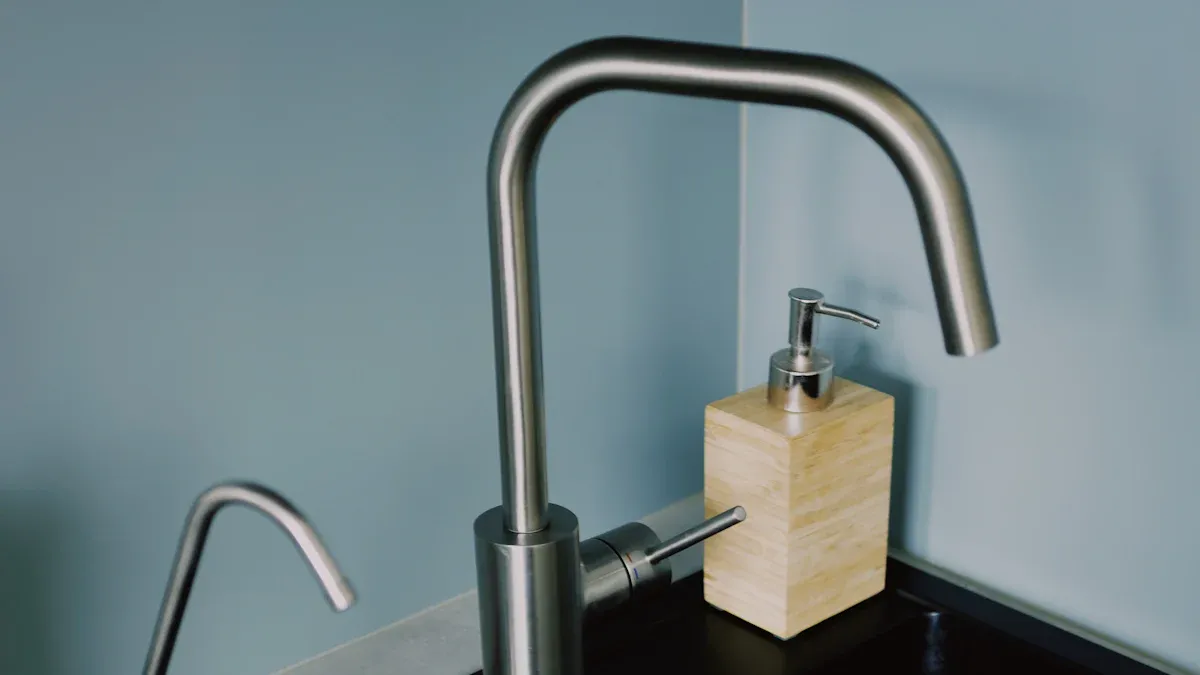
Imagine getting perfectly chilled water right from your kitchen sink. 🧊
An undersink water chiller is a compact appliance you place in the cabinet below. This cooling water dispenser connects directly to your water line. You get crisp, cold drinking water instantly from a dedicated faucet anytime you want it.
Key Takeaways
- Undersink water chillers give you instant cold water from your tap. They save space in your fridge and help reduce plastic waste.
- These chillers work like a small refrigerator. They use a special process to cool water to your preferred temperature, usually between 37°F and 54°F.
- Consider the cost and space needed under your sink. A chiller is a good choice if you drink a lot of cold water and want to save money over time.
How an Undersink Water Chiller Works
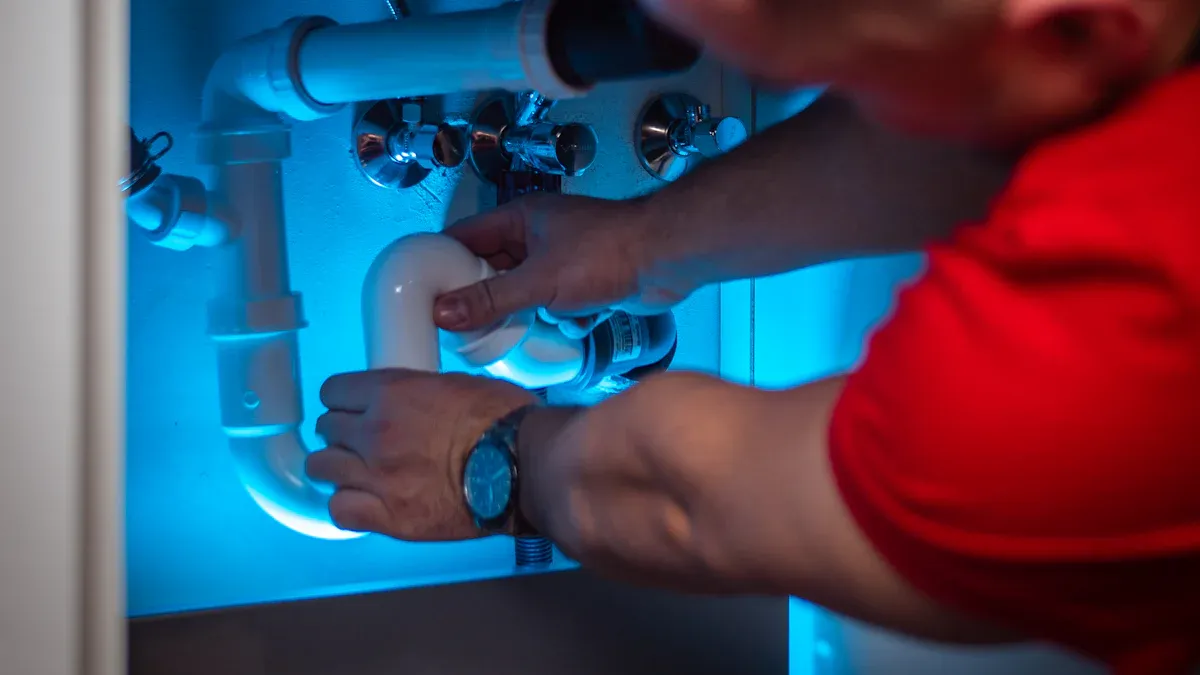
An undersink water chiller works much like your refrigerator, but it focuses all its cooling power on your drinking water. It uses a special process to make your water cold instantly.
The Chilling Process Explained
Your chiller uses a vapor compression cycle to remove heat from the water. This system has two main circuits working together: one for the refrigerant (the cooling liquid) and one for your water. The process is simple.
- Compression: A compressor squeezes a special refrigerant gas. This action raises its temperature and pressure.
- Condensation: The hot gas moves through coils. It releases heat into the air under your sink and turns into a liquid.
- Expansion: The liquid refrigerant passes through a valve. This lowers its pressure and makes it extremely cold. The cold refrigerant then absorbs heat from the water in the tank, chilling it to a refreshing temperature, typically between 37°F and 54°F.
Key Components of a Chiller
Several key parts work together inside your chiller to deliver cold water. These components are built from durable materials like copper and stainless steel to ensure they last.
- Compressor: This is the engine of the chiller. It circulates the refrigerant to start the cooling process.
- Thermostat: This is the brain. You can adjust it to set your preferred water temperature. It tells the compressor when to turn on and off.
- Tank & Coils: Your water sits in a small, insulated tank. Copper or stainless steel coils containing the cold refrigerant run through or around this tank, chilling the water inside.
Pairing with a Water Filter
Pro Tip: For the best-tasting water, you can connect a water filter before the chiller. 💧
Most undersink chillers do not filter water on their own. You can easily install an inline water filter between your water supply and the chiller. This setup ensures you get water that is not only perfectly cold but also free from impurities. You get crisp, clean, and chilled water every time.
Your Undersink Cooling Water Dispenser: Benefits vs. Drawbacks
An undersink chiller offers amazing convenience, but it's important to weigh the good against the bad. You should consider both sides before deciding if this appliance is the right upgrade for your kitchen.
Major Benefits
You gain several key advantages when you install an undersink cooling water dispenser. These benefits improve daily life and can even save you money over time.
- On-Demand Cold Water: You get perfectly chilled water the moment you turn on the faucet. You no longer need to wait for a pitcher to cool in the fridge or use up all your ice.
- Frees Up Refrigerator Space: Say goodbye to bulky water pitchers and plastic bottles. Your refrigerator gains valuable shelf space for food and other drinks. This makes your kitchen feel more organized.
- Reduces Plastic Waste: You can stop buying single-use plastic water bottles. An undersink chiller is an environmentally friendly choice that helps reduce your household's plastic footprint.
- Significant Cost Savings: You might spend more upfront, but you save a lot by not buying bottled water. Switching from bottled water to a home system can save you hundreds or even thousands of dollars each year.
Annual Savings from Ditching Bottled Water
| Household Size | Estimated Annual Savings |
|---|---|
| Single Person | $354 |
| Family of Four | $1,416 |
Potential Drawbacks
While a cooling water dispenser is a great tool, you should also be aware of the potential downsides. These factors mostly relate to cost and space.
- Initial Investment: The main drawback is the upfront cost. The price for the unit itself can vary quite a bit. You can find models for around $350, while high-end professional units may cost over $900. You may also need to pay for professional installation.
- Requires Cabinet Space: This appliance needs a home under your sink. Most chillers are compact, often measuring less than 15 inches tall and wide. However, you must measure your cabinet to ensure a good fit.
Note: Your chiller needs to breathe! The compressor generates heat, so you must ensure proper ventilation. You might need to drill a few holes in the back of the cabinet or install a small vent to let air circulate.
- Minor Operational Noise: A cooling water dispenser is not silent. It uses a compressor that makes a soft humming sound when it runs, similar to your refrigerator. The noise level is usually between 39 and 50 decibels (dB), which is quiet enough for most kitchens.
Who Is It Best For?
So, is an undersink cooling water dispenser right for you? It is an excellent choice for certain households.
You will love this appliance if you:
- Drink a lot of cold water: If your family constantly reaches for cold drinks, the convenience is unmatched.
- Want to save money long-term: If you currently spend a lot on bottled water, a chiller will pay for itself over time.
- Value a clean and organized kitchen: Freeing up fridge space and eliminating bottle clutter helps create a streamlined look.
- Are environmentally conscious: You want to make a positive impact by reducing plastic waste.
This upgrade might not be the best fit if you are on a strict budget, have very limited under-sink space, or are renting and cannot make permanent modifications to the plumbing.
A cooling water dispenser offers you the ultimate convenience of instant cold water. You free up valuable refrigerator space and reduce plastic bottle waste. The main trade-off is the initial cost and under-sink cabinet space. This upgrade is a practical choice if you want a more streamlined and refreshing kitchen experience.
FAQ
How cold does the water get?
Your chiller cools water to a refreshing temperature. You can typically set it between 37°F and 54°F. This gives you perfectly chilled water for any occasion.
Is installation difficult?
Most people find installation straightforward. You can follow the included instructions for a DIY setup. You can also hire a plumber for a quick and professional installation. 🛠️
How long does a water chiller last?
A quality undersink chiller is a durable appliance. You can expect it to last for many years with proper care, often providing over a decade of reliable service.