How Under-sink Water Purifiers Work to Solve Hard Water Problems

Did you know that about 85% of households in the United States deal with hard water? If you’re tired of spots on glasses or stiff laundry, an under-sink water purifier might be your new best friend. These smart systems use ion exchange filters to swap out calcium and magnesium for sodium, turning hard water into soft, fresh clean water. Modern under-sink water purifier models even feature automatic flushing and multi-stage sterilization. You get clean drinking water, longer-lasting appliances, and super easy maintenance. With an under-sink water purifier, every tap brings comfort and care right to your home.
Key Takeaways
Hard water affects 85% of U.S. households, causing issues like spots on dishes and stiff laundry. An under-sink water purifier can solve these problems.
Under-sink water purifiers use ion exchange technology to replace hard minerals with sodium, resulting in softer water that is better for your skin and appliances.
These systems improve water quality and taste by removing impurities, making drinking and cooking more enjoyable.
Investing in an under-sink water purifier can save you money on appliance repairs and reduce your household's overall water costs.
Installation is straightforward, and many modern systems feature automatic maintenance, making them easy to use and maintain.
Understanding Hard Water Problems
What Is Hard Water
Let’s start with the basics. Hard water is water that contains high levels of minerals, mainly calcium and magnesium. These minerals are measured in milligrams per liter (mg/L) or grains per gallon (GPG). If your water has a hardness level of 7.5 GPG (121 mg/L) or above, you’re dealing with hard water problems.
Mineral | Measurement Units |
|---|---|
Calcium | mg/L or GPG |
Magnesium | mg/L or GPG |
Hard Water Level | 7.5 gpg (121 mg/L) or above |
You might notice white spots on your dishes or a chalky film on your shower doors. These are signs that your home is facing water quality problems caused by these minerals.
Effects On Home And Health
Hard water doesn’t just affect your pipes. It can impact your whole home and even your health. Here’s what can happen:
Impact on Appliances and Plumbing | Description |
|---|---|
Scale Buildup | Hard water leads to mineral deposits that accumulate in pipes and appliances, causing clogs and reduced efficiency. |
Reduced Efficiency | Appliances must work harder due to scale, leading to increased energy consumption and potential damage. |
Potential Damage | Over time, the buildup can cause leaks, blockages, and shorten the lifespan of appliances. |
When it comes to your health, hard water can leave behind contaminants that bother your skin. Studies show that:
Hard water can disrupt the skin’s natural barrier, causing irritation and inflammation.
People with sensitive skin may notice more redness and dryness.
The mix of hard water and chlorine can lead to oxidative stress, which is linked to skin aging.
Residue from hard water can clog pores and make acne worse.
Why You Need A Solution
You want your home to be a safe and comfortable place. That’s why finding a solution for hard water is so important. Homeowners look for a long term solution because:
Reason for Seeking Solutions | Description |
|---|---|
Rising Water Quality Concerns | Many homes face scale buildup and appliance damage, so people want to fix these issues. |
Growing Health and Wellness Trends | More families want to avoid contaminants that can cause skin irritation and other problems. |
Regulatory Standards and Guidelines | New rules push for better water quality, which means less calcium and magnesium in your water. |
Increased Home Renovation Activities | When updating a home, adding a water softener is now a must-have. |
Technological Innovations in Water Softening | Smart systems make it easier to remove contaminants and protect your home. |
A good under-sink water purifier can help you tackle these contaminants, protect your home, and give you peace of mind.
How Under-sink Water Purifiers Work
Filtration And Ion Exchange Water Filter Technology
Let’s break down how under-sink water purifiers tackle hard water. The main job of these systems is to remove calcium and magnesium, which are the minerals that make water hard. Most purifiers use a combination of filter types and ion exchange water filter technology.
The ion exchange process works like a magnet. Resin beads inside the water softener attract hard minerals. When water flows through, the beads exchange sodium ions for calcium and magnesium ions. This swap turns hard water into soft water. You get water that feels better on your skin and works better with soap.
Here’s a quick look at the steps:
Water enters the filter chamber.
Resin beads exchange sodium for hardness minerals.
Softened water flows out, leaving calcium and magnesium behind.
Modern water filtration systems often include activated carbon filters. These filters remove chlorine, odors, and other impurities. The result is water that tastes fresh and looks clear.
Tip: If you want to protect your appliances and enjoy softer skin, choose a water softener with ion exchange technology. It’s a proven way to improve water quality.
Reverse Osmosis And Other Filter Methods
Reverse osmosis filters take water purification to the next level. This method pushes water through a semi-permeable membrane. The membrane blocks contaminants, including hardness minerals, bacteria, and even tiny particles. You get pure water for drinking and cooking.
Some under-sink water filtration systems combine reverse osmosis with other filters. For example, activated carbon filters remove chemicals and odors. Deionization filters use charged resin beads to eliminate minerals and salts. Each filter has a specific job, but together they create a powerful water filtration system.
The Mejec Automatic Under-Sink Water Softener stands out with its advanced features. It uses multi-stage sterilization to remove a wide range of impurities. Automatic flushing keeps the system clean and efficient. Customizable options let you tailor the system to your needs, whether you want alkaline water or extra UV protection.
Feature | Description |
|---|---|
Multi-Stage Process | Removes a vast array of harmful and aesthetic impurities for fresh water. |
Automatic Refill Technology | Provides pure water on demand, eliminating waiting time. |
UV Sterilization | Enhances purification against bacteria and viruses. |
Leak Detection | Prevents water damage by shutting off the system if a leak is detected. |
Customizable Systems | Options like alkaline, UV, or deionization for tailored purification. |
Comparison With Whole-house Systems
You might wonder how under-sink water purifiers stack up against whole-house water softener systems. Let’s compare:
Under-sink water purifiers focus on advanced filter methods for clean drinking water.
Whole-house water softener systems address broader water quality issues throughout the home.
Pricing for under-sink systems ranges from about $28.99 to $2,799.99.
Whole-house systems can also reach up to $2,799.99, depending on complexity and features.
Both types improve water quality and remove contaminants, but under-sink models are more targeted.
If you want to upgrade just your kitchen or bathroom, an under-sink water softener is a smart choice. It’s easier to install and maintain. You get the benefits of soft water right where you need it most.
Note: The Mejec Automatic Under-Sink Water Softener offers high-volume output and automatic backwash. This keeps your filter running smoothly and extends its life. You can customize the system to fit your space and water usage.
Under-sink water purifiers use a mix of filter types, ion exchange, and reverse osmosis to exchange hardness minerals for softer water. Advanced models like Mejec add automatic flushing, multi-stage sterilization, and customization. These features make daily life easier and more comfortable.
Benefits Of Under-sink Water Filters For Hard Water
Improved Water Quality And Taste
Under-sink water filters make a big difference in water quality. They remove minerals and impurities that cause hard water problems. When you use a softener under your sink, you get water that looks clear and feels fresh. Many people notice a big improvement in taste. No more odd smells or strange flavors in your glass!
Here’s what studies and user reviews say about under-sink water filters and taste:
Source | Key Points |
|---|---|
Homeowner’s Guide to Under-Sink Water Filters | These filters reduce chlorine and sediment, making water taste better. |
How Under-Sink Water Filters Work | Activated carbon filters remove odors and flavors, improving taste. |
Water Filter Buying Guide | Filters are rated for improving taste and reducing odors in tap water. |
With these systems, you enjoy better-tasting water every day. Cooking, making coffee, or just filling a bottle becomes a treat.
Appliance And Skin Protection
Hard water can be tough on your skin and appliances. Under-sink water filters with a softener help protect both. You’ll notice softer skin and hair after washing. Laundry feels smoother, and your clothes last longer.
Filtering and softening bath water helps keep skin healthy and prevents dryness.
Using a softener reduces harsh minerals, so you avoid irritation and redness.
Both salt-based and salt-free softeners can make a real difference for sensitive skin.
Appliances also benefit. Dishwashers, washing machines, and faucets stay cleaner. Less scale means fewer repairs and longer life for your home equipment.
Cost Savings And Maintenance Ease
Saving money is another big perk. Under-sink water filters protect your appliances and plumbing, so you spend less on repairs. Many homeowners save $100 to $300 each year on repairs alone. With longer appliance life, savings can reach $1,000 to $2,000 per year.
Fewer repairs: $100-$300 saved annually.
Longer appliance lifespan: $200-$500 saved each year.
Total household savings: up to $2,000 per year.
Modern systems like the Mejec softener make maintenance simple. Automatic backwash and UV sterilization keep the filter clean and safe. You don’t have to worry about bacteria or clogs. Plus, under-sink water filters help the planet. They cut down on plastic waste from bottled water and use less energy.
Tip: Choosing under-sink water filters with automatic features means less work for you and more reliable water quality for your family.
Installation And Maintenance Of Under-sink Water Purifiers

Installation Steps And Customization
Setting up an under-sink water purifier is easier than you might think. Most units fit right inside your kitchen cabinet, but you should check the space first. Here’s what you need to know:
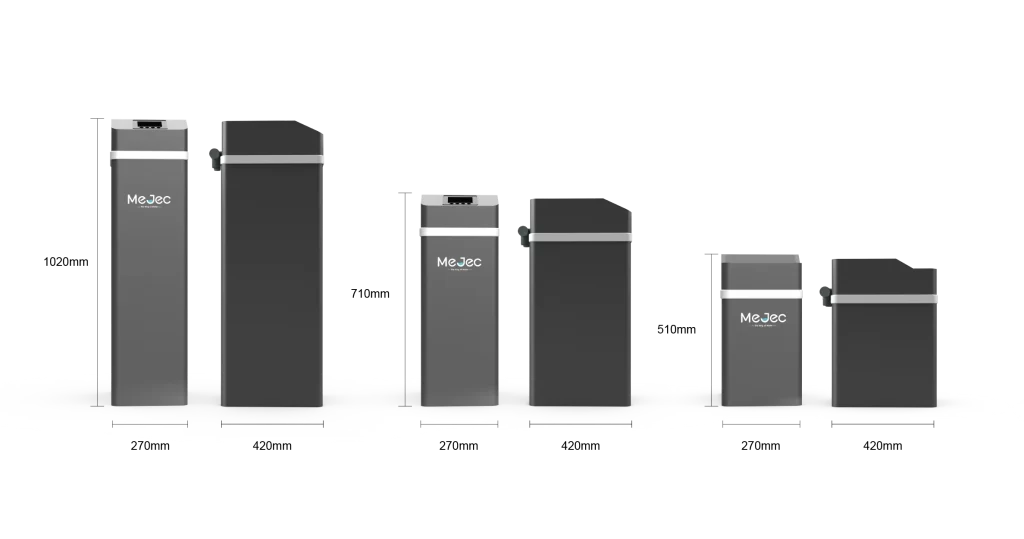
The typical purifier measures about 20½ by 4½ inches.
If your cabinet is crowded or small, the system may not fit.
The purifier will take up some storage space under your sink.
Before you start, turn off your home water supply. Follow the instructions in the manual for connecting the inlet and outlet hoses. Many modern systems, like the Mejec Automatic Under-Sink Water Softener, offer customization. You can adjust the setup to match your cabinet size and water usage needs. Some models even let you choose extra features, such as UV sterilization or remineralization.
Tip: Measure your cabinet before buying a purifier. This helps avoid surprises during installation.
Maintenance Tips And Automatic Features
Keeping your under-sink water purifier in top shape is simple, especially with automatic systems. Here are the most common maintenance tasks:
Maintenance Task | Description |
|---|---|
Regular Filter Replacement | Change cartridges on time to keep water clean and safe. |
System Checks | Look for leaks and make sure all connections are tight. |
Replace filter cartridges every 6 to 12 months, depending on your water quality and usage.
Inspect connections for leaks and make sure everything is secure.
Check the manufacturer’s guidelines for your specific model.
Automatic features make life even easier. Systems like Mejec handle backflushing, membrane rinsing, and filter regeneration on their own. Smart technology tracks water quality and schedules maintenance, so you don’t have to remember. This means less work for you and more reliable performance.
Choosing The Right System For Your Needs
Picking the best under-sink water purifier depends on your home and family. Here’s what to consider:
Test your tap water to find out what contaminants are present.
If your water’s TDS (total dissolved solids) is above 500 mg/L, a reverse osmosis system works best.
For water with low TDS, look for a system with a remineralization stage.
Think about how much water your household uses each day. If you use more than two or three gallons, an under-sink system is a smart choice.
Check for important certifications like NSF 42, 53, 58, and 401. These show the system meets safety and performance standards.
Review maintenance needs and your budget before making a decision.
A good under-sink purifier will keep your home water supply clean and safe, making daily life more comfortable for everyone.
Under-sink water purifiers make life easier by turning hard water into soft, clean water right at your tap. Features like automatic backwash and multi-stage sterilization keep your system running smoothly for years by stopping clogs and bacteria. Want to get started? Try these steps:
Do a quick soap suds test at home.
Check your city’s water quality report.
Use a hard water test kit for accurate results.
If you’re unsure, a water treatment professional can help you pick the perfect system for your needs.
FAQ
How long does it take to install an under-sink water purifier?
Most people can install an under-sink water purifier in about 30 to 60 minutes. You just need basic tools and a little patience. Some systems come with step-by-step guides to make things even easier.
Can I drink water from an under-sink water softener?
Yes, you can! Many under-sink systems, like the Mejec, use advanced filters and sterilization. This means the water is safe for drinking, cooking, and making coffee. Always check your system’s manual for details.
How often do I need to change the filters?
Tip: Most filters last 6 to 12 months.
Check your water quality and usage. Some smart systems will remind you when it’s time for a change. Clean filters keep your water fresh and your system running smoothly.
Will an under-sink water purifier save me money?
Absolutely! You’ll spend less on bottled water, appliance repairs, and cleaning products. Softer water helps your appliances last longer. Many families notice real savings within the first year.