The Ultimate Guide to Small Home Elevators in 2025
The best options for a Home Small Elevator in 2025 solve distinct challenges. The PVE30 is ideal for its minimal footprint. The Stiltz Duo Alta provides fast, non-disruptive installation. Meanwhile, the Savaria Vuelift Mini delivers a premium 360-degree panoramic design. These innovations meet rising consumer interest. Reports Insights Consulting Pvt Ltd projects the North American market will grow at a Compound Annual Growth Rate of 8.5% from 2025, showing strong demand for home accessibility solutions.
What Qualifies as a 'Small' Home Elevator?
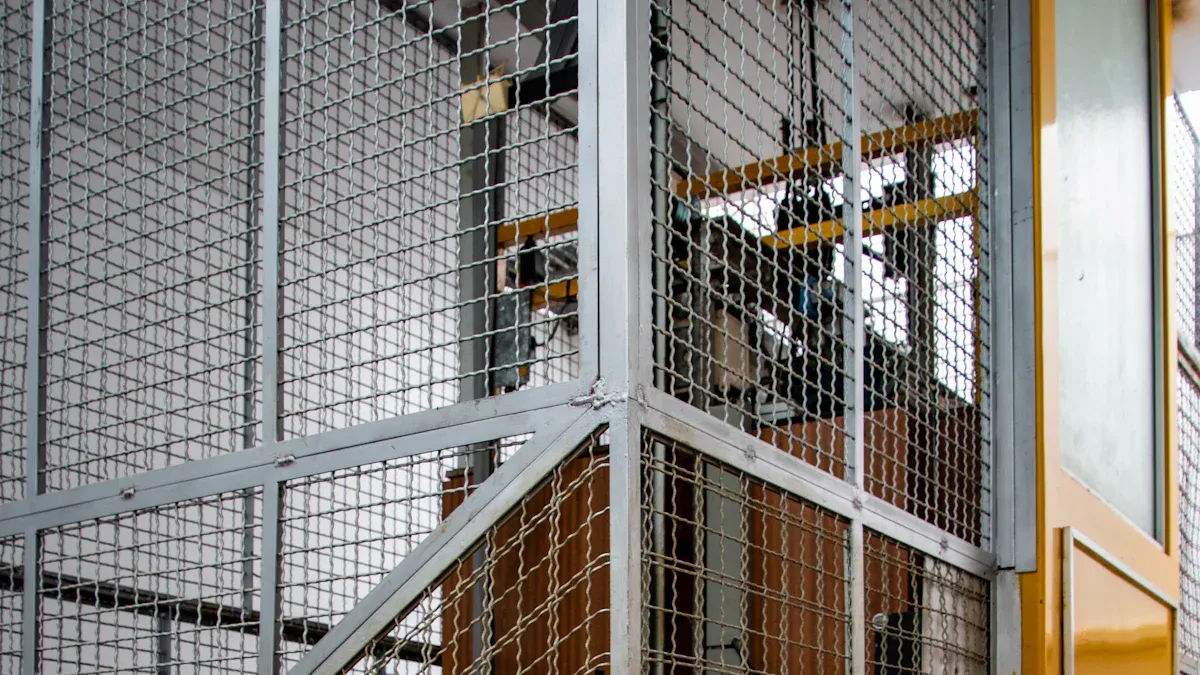
A small elevator is designed specifically for residential use where space is limited. These elevators prioritize a minimal footprint over large capacity. They allow homeowners to add accessibility without major structural changes.
Defining Compact Dimensions
Compact dimensions are the main feature of a Home Small Elevator. These models fit into spaces that traditional elevators cannot. Many designs occupy an area similar to a large closet or a corner of a room.
- The Stiltz Duo, for example, takes up less than seven square feet. This equals a footprint of under 1008 square inches.
- Pneumatic models like the Nibav Series IV need a circular space of about 1241.4 square inches.
Weight capacity is another defining factor. Small elevators usually carry two to four people. Their weight limits often range from 250 to 500 kilograms (about 550 to 1100 pounds). This capacity suits most family needs perfectly.
Key Types for Tight Spaces
Several elevator types are engineered for tight spaces. Each uses a different technology to move the cab between floors.
- Pneumatic Vacuum Elevators (PVE): These elevators use air pressure to lift and lower the cab. They do not need a pit or machine room, which saves significant space. PVEs are typically designed for one or two passengers.
- Traction Elevators: These use a counterweight system with ropes or belts. Modern machine-room-less (MRL) traction designs are very compact and energy-efficient.
- Hydraulic Elevators: These use a piston and pump to move the cab. While traditionally larger, newer compact hydraulic systems are available for home use.
Note: The weight capacity of a pneumatic elevator is an important consideration. Different models offer different limits. Always check that the model you choose can support your needs.
The table below shows typical capacities for PVE models.
| Model | Weight Capacity |
|---|---|
| PVE-30 | 350 lbs (159 kg) |
| PVE-37 | 450 lbs |
| PVE-52 | Accommodates a person in a wheelchair with an attendant or up to three adults |
Choosing the right type depends on your home's structure and your accessibility requirements.
Review: Pneumatic Vacuum Elevators (PVE) PVE30

The PVE30 is a single-passenger elevator that uses innovative air-pressure technology. Its unique design makes it a top choice for homeowners looking to add accessibility with minimal home modification. This elevator does not require a pit, hoistway, or machine room, offering great placement flexibility.
Best For: The Tightest Spaces
The PVE30 excels in homes where every inch matters. Its self-contained, circular design allows it to fit into spaces that are too small for traditional elevators, such as closets or the corner of a room. The elevator’s small footprint makes it an ideal retrofitting solution for existing homes, preserving the original floor plan and architectural integrity.
Key Specifications and Cost
The PVE30's specifications highlight its compact and efficient nature. It operates on a standard 220V, 25 Amp, single-phase service. This model is very energy-efficient, drawing minimal electricity during ascent and using no power at all for descent.
The table below details its precise dimensions.
| Measurement | Value |
|---|---|
| External cylinder diameter | 30 inches (750mm) |
| Internal cabin diameter | 20 ½ inches (521mm) |
| Internal cabin height | 6’7” (79 inches/ 2005mm) |
Cost Insight 💰: The total cost for a PVE30, including installation, typically ranges from $35,000 to $45,000. Prices vary based on the number of floors, chosen features, and specific installation requirements.
Pros and Cons
Homeowners should weigh the advantages and disadvantages of the PVE30.
- Pros:
- Extremely small footprint fits almost anywhere.
- Fast installation with minimal construction.
- Eco-friendly with low energy consumption.
- 360-degree panoramic view.
- Cons:
- Limited to a single passenger (350 lbs capacity).
- Not suitable for wheelchair users.
- The vacuum pump can be noisy during operation.
Review: Stiltz Duo Alta
The Stiltz Duo Alta is a two-person home elevator known for its freestanding design. It travels on two slim, self-supporting rails. This unique system eliminates the need for a load-bearing wall, offering homeowners significant placement flexibility. The elevator plugs directly into a standard home electrical outlet.
Best For: Easy Retrofitting
The Stiltz Duo Alta is an excellent choice for adding an elevator to an existing home. Its design minimizes major construction. Installers simply create an aperture between floors for the elevator to pass through. A typical installation for a standard model often takes just one day.
A home's layout and the specific lift model affect the installation timeline. The process can take from a few days to several weeks. This does not include time for any required regulatory approval.
Key Specifications and Cost
The Duo Alta balances a compact size with practical capacity. It can carry two people, or 375 lbs, between two floors. Its maximum travel distance is 13 feet and 1 inch from one finished floor to the next. The self-contained drive system is housed discreetly on top of the cab.
The table below shows its small footprint.
| Measurement | Value |
|---|---|
| Footprint Width | 42 inches |
| Footprint Depth | 30 inches |
| Max Capacity | 375 lbs (2 people) |
Cost Insight 💰: The Stiltz Duo Alta model typically costs around $25,000. This price generally includes standard installation.
Pros and Cons
Homeowners should consider the benefits and drawbacks of this model.
- Pros:
- Fast and minimally disruptive installation.
- No need for a pit or machine room.
- Quiet electric motor is housed out of sight.
- Plugs into a standard wall outlet.
- Cons:
- Limited to two-story travel.
- Lower weight capacity than some other models.
- Requires cutting an opening in the ceiling.
Review: Savaria Vuelift Mini
The Savaria Vuelift Mini is a cylindrical glass elevator that acts as a stunning architectural feature. It uses a winding drum drive system with aircraft cables. This model offers a full 360-degree panoramic view, making it a centerpiece in any home. It blends high-end design with practical accessibility.
Best For: Modern Aesthetics
This elevator is the top choice for homeowners who prioritize style and want to make a visual statement. The Vuelift Mini’s transparent design allows light to pass through, preserving an open-concept feel. It can be installed in the middle of a spiral staircase or stand alone as a focal point. Homeowners can tailor the elevator to match their interior design.
- Acrylic Panels: The elevator features premium, UV-resistant clear acrylic panels. These panels are designed to remain crystal clear and not discolor over time.
- Frame Colors: The standard frame comes in a textured black powder coat. However, homeowners can select white, silver, or hundreds of other custom colors for the metal components.
Key Specifications and Cost
The Vuelift Mini offers a larger capacity than many other compact models. It requires no machine room, as the drive system is housed discreetly within the hoistway. It can serve up to six stops with a maximum travel distance of 50 feet.
| Measurement | Value |
|---|---|
| Footprint Diameter | 50 inches |
| Max Capacity | 500 lbs |
| Max Stops | 6 |
Cost Insight 💰: The Savaria Vuelift Mini is a premium product. The total cost, including installation, generally starts at $60,000 and can increase based on the number of floors and custom finishes.
Pros and Cons
The Vuelift Mini presents a unique set of advantages and considerations.
- Pros:
- Stunning 360-degree panoramic design.
- Highly customizable with many color options.
- Higher weight capacity (500 lbs) than other small models.
- Adds significant aesthetic value to a home.
- Cons:
- Higher price point compared to other options.
- Larger footprint than ultra-compact models like the PVE30.
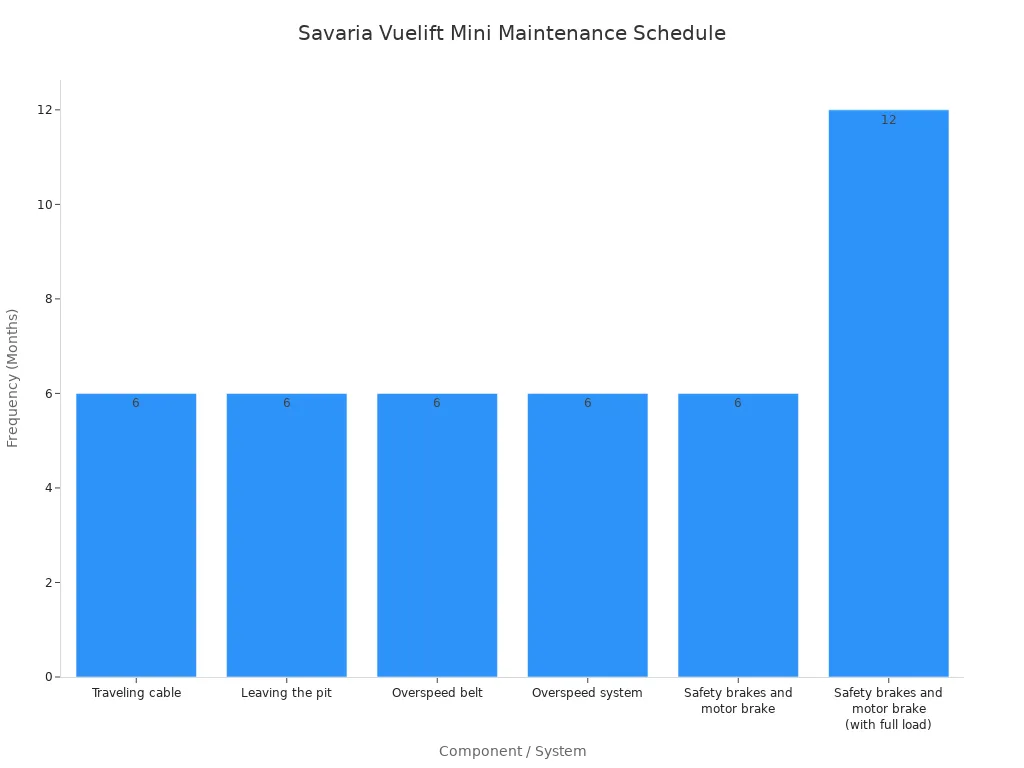
- Requires a regular professional maintenance schedule to ensure safety and performance.
Review: LiftonDUO Home Elevator
The LiftonDUO Home Elevator is a top choice for homeowners seeking a discreet solution. It is stylish and compact, designed to blend into the home's decor rather than dominate it. The elevator does not need a bulky shaft or a separate machine room. A quiet electric motor, hidden from view, powers the elevator. It travels on two slim rails, creating a self-contained unit.
Best For: Unobtrusive Design
This elevator excels in homes where maintaining the existing aesthetic is a priority. Its small size and elegant design make it one of the least intrusive options available. The LiftonDUO can be installed neatly into a corner or closet space. It can also be placed in the void of a turning staircase. The clear car body allows light to pass through, helping to preserve a room's open and airy feel. Its design minimizes the visual impact on a home's interior.
Key Specifications and Cost
The LiftonDUO has an overall footprint of 40 15/16 inches by 29 15/16 inches, including its rails. This compact size allows for versatile placement. The elevator comes in two main configurations:
- LiftonDUO Classic: 40 15/16 inches wide by 29 1/8 inches deep.
- LiftonDUO Thru Car: 40 15/16 inches wide by 33 1/8 inches deep, allowing entry and exit from two sides.
It plugs into a standard electrical outlet and has a weight capacity of 375 lbs, suitable for two people.
Cost Insight 💰: The LiftonDUO typically costs around $25,000, a price that includes standard installation. Homeowners should always confirm if site preparation is included in a quote, as this work can add to the total expense.
Pros and Cons
Considering the LiftonDUO involves weighing its unique features.
- Pros:
- Elegant, unobtrusive design that blends with home decor.
- Very small footprint requires minimal space.
- Plugs into a standard wall outlet for easy power connection.
- Includes a standard two-year parts warranty for peace of mind.
- Cons:
- Limited to travel between two floors.
- Lower weight capacity compared to hydraulic or traction models.
- Installation requires creating an opening between floors.
Key Factors When Choosing a Home Small Elevator
Choosing the right elevator involves more than just picking a model. Homeowners must carefully evaluate their home's layout, structural capacity, and the total budget for the project.
Measuring Your Space
Accurate measurements are the first step. Homeowners need to identify a viable location and measure the available footprint. Most importantly, they must check the ceiling height. Standard installations for a Home Small Elevator typically require a minimum ceiling height of 8 to 9 feet (2.4m to 2.7m). This clearance provides enough room for the elevator cabin and its mechanical components.
Structural Requirements
A professional installer must assess a home's structure. They determine if the chosen location can support the elevator's weight and operation. The assessment also covers electrical needs. Elevators require specific wiring to function safely.
- Main Power: Needs a 30-amp dedicated circuit.
- Cab Light Power: Needs a separate 20-amp dedicated circuit.
A licensed electrician must perform all wiring. This ensures the installation meets local building codes and the manufacturer's specifications for safety and performance.
Breaking Down the Total Cost
The total cost extends beyond the price of the elevator itself. Homeowners must account for several other expenses. Structural modifications, such as cutting floor openings or building a hoistway, can cost between $5,000 and $25,000. Ongoing maintenance is another critical budget item. The table below outlines typical annual service costs.
| Maintenance Plan | Typical Annual Cost |
|---|---|
| Basic (Inspections & Tune-ups) | $300 - $500 |
| Comprehensive (Includes Parts & Labor) | $700 - $1,200 |
These recurring costs ensure the elevator remains safe and reliable for years to come.
The Installation Process Explained
Installing a Home Small Elevator is a structured process with several key stages. Understanding these steps helps homeowners know what to expect from start to finish. The entire project is managed by professionals to ensure safety and quality.
The installation journey typically follows a clear path:
- Project Consultation and Site Check: The process begins with a discussion. Homeowners meet with installers or architects to review building plans and discuss their needs. They decide on the elevator type, capacity, and features.
- Design and Engineering: Next, the team finalizes the elevator's specifications. They define the cab size, speed, and number of stops. An engineering team confirms the design matches the home's layout and meets all safety codes.
- Permits and Scheduling: The installation company secures all necessary permits from local authorities. This step must happen before any construction starts. The team also coordinates the installation schedule to fit the project timeline.
- Site Preparation: A general contractor prepares the space. This often involves building the hoistway or cutting an opening between floors. An electrician installs the required power circuits.
- Equipment Installation: Certified technicians deliver and install the elevator system. They put in the guide rails, assemble the car, and connect the motor and control systems.
- Testing and Inspection: The elevator undergoes strict testing. Technicians check the brakes, speed, and safety systems. A third-party inspector then verifies that the installation complies with all regulations.
- Final Handover: Once the elevator passes inspection, it is ready for use. The installation team provides training on how to operate it. They also deliver important documents, including the warranty and maintenance schedule.
Must-Have Safety Features
Modern home elevators come with essential safety features. These systems protect passengers and ensure reliable operation. Homeowners should look for elevators that include backup power, advanced door sensors, and clear communication options.
Emergency Backup Power
An emergency backup power system is a critical feature. During a power outage, this system takes over. It provides enough electricity for the elevator to travel safely to a lower floor. This allows passengers to exit the cab without waiting for power to be restored. Most systems use a battery that recharges automatically, so it is always ready.
Door Sensors and Interlocks
Elevator doors need advanced safety mechanisms to prevent accidents. The ASME A17.1 standard is the main code for elevator safety. It sets specific rules for residential elevator doors.
- Door gaps must not allow a 4-inch object to pass through. This prevents entrapment.
- The car door must resist a force of 75 pounds without moving from its track.
- Door Lock Monitoring (DLM) systems stop the elevator from moving if a door is open. Some local codes, like in Florida, now require these systems.
Safety First! 🚨 These features work together. They ensure the elevator cannot operate in an unsafe condition, providing peace of mind for all users.
In-Cab Communication
In an emergency, passengers must be able to call for help. All modern elevators include an in-cab communication device. New codes for 2025 require clear, two-way voice communication systems. These systems even include options for users who are hearing-impaired. Installers can place these devices in several ways.
- Integrated into the car operating panel for a built-in look.
- Recessed in the elevator wall for a low-profile design.
- Placed in an elevator phone cabinet for easy access from a seated position.
This ensures a passenger can always get assistance when needed.
Choosing the right Home Small Elevator requires balancing a home's layout, budget, and specific accessibility needs. This investment can also increase a property's value by 5% to 25%. A well-chosen elevator makes a home more functional and adds significant financial worth.
Pro Tip 💡: Homeowners should always get multiple quotes from certified installers. This step ensures a safe, cost-effective investment by allowing them to compare different products and service levels.
FAQ
Do home elevators increase property value?
Yes, a home elevator can increase property value. It makes a home accessible to more buyers. Experts estimate the value increase can be between 5% and 25%. This makes the elevator a smart financial addition for many homeowners.
How long does installation take?
Installation time varies by elevator model. A simple lift like the Stiltz Duo may take only one day. More complex projects requiring a hoistway can take several weeks. The installer provides a specific timeline after the site check.
Are small home elevators noisy?
Noise levels differ among elevator types. Pneumatic vacuum elevators produce sound from their pumps during use. Models with modern electric motors, like the Stiltz or Lifton, operate very quietly. The drive system's location also affects the noise heard inside the home.
What happens if the power goes out?
Modern elevators include a battery backup system. During a power outage, this system automatically activates. It provides enough power for the elevator to descend safely to a lower floor. This feature ensures passengers can always exit the cab without assistance.
Tip 💡: Homeowners should ask their installer about the specific noise level (measured in decibels) for the models they are considering.
See Also
Comparing Leading Hospital Bed Elevators: Safety and Performance Insights
Simple Maintenance Practices to Avoid Dumbwaiter Elevator Malfunctions
Uncovering the Advantages of Commercial Heat Exchangers for 2025
Essential Capsule Checkweighers for Buyers to Evaluate in 2025
Custom Cargo Lifts: Advantages and Disadvantages for Your Enterprise