The Different Water Filtration Methods in Modern Dispensers
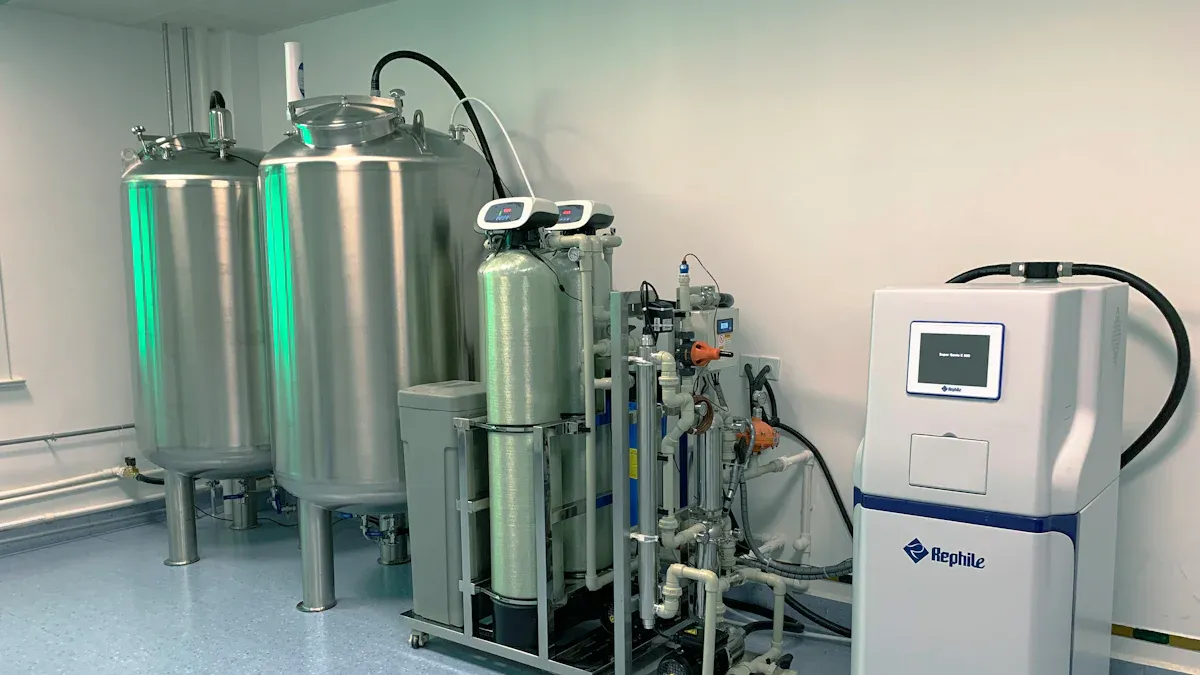
Modern dispensers use several filtration methods. The most common are Activated Carbon, Reverse Osmosis (RO), UV Purification, and Sediment filters. These systems remove contaminants like chlorine and bacteria, improving water safety and taste. The market for the water cooler water dispenser is expanding rapidly.
| Metric | Value |
|---|---|
| Global Market Revenue (2023) | USD 2,983.7 million |
| Projected Market Revenue (2030) | USD 5,349.9 million |
| CAGR (2024-2030) | 8.7% |
Note: Many dispensers combine multiple methods. This multi-stage approach provides the most complete water purification.
Key Takeaways
- Modern water dispensers use different filters. These filters make water safe and taste good.
- Common filters like activated carbon and sediment improve water's taste, smell, and clarity. They remove things like chlorine and dirt.
- Advanced systems like Reverse Osmosis and UV purification clean water even more. They remove tiny germs and dissolved solids.
Common Filters for Taste, Odor, and Clarity
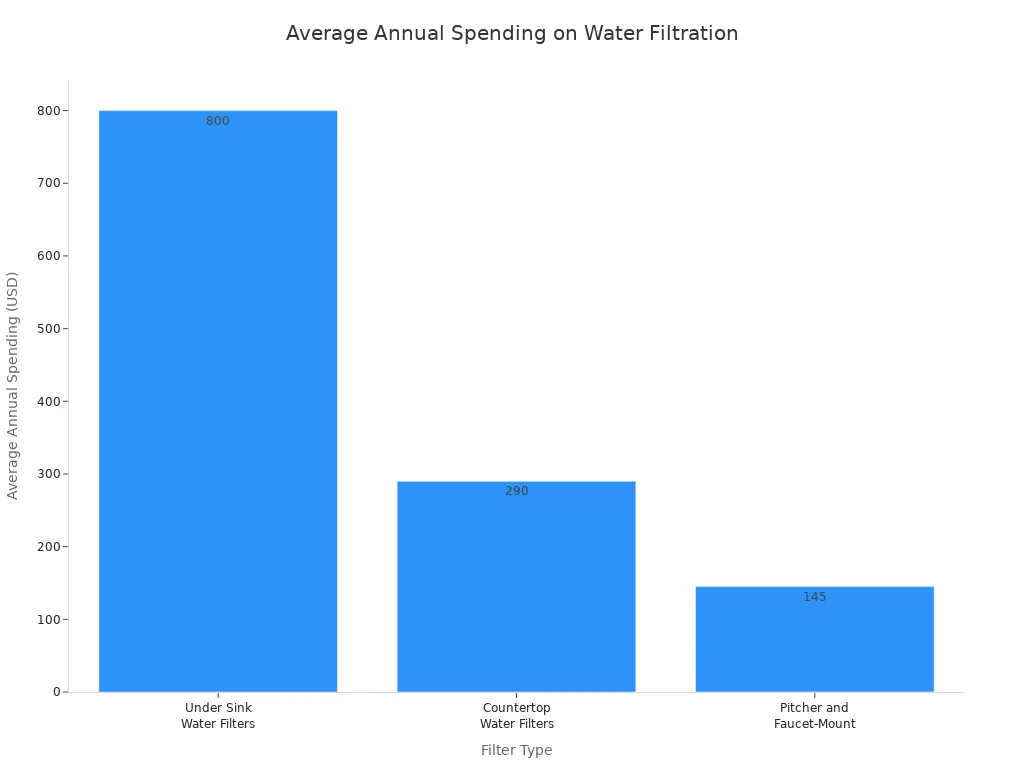
Some filtration methods focus on improving the general quality of drinking water. They target contaminants that affect how water looks, smells, and tastes. These filters are often the first line of defense in a multi-stage purification system. Consumers spend about $200 annually on water filtration solutions. The initial cost and upkeep vary depending on the system type.
| Filter Type | Installation Cost | Annual Maintenance |
|---|---|---|
| Under Sink Water Filters | $200-$1,200 | $50-$150 |
| Countertop Water Filters | $50-$400 | $30-$100 |
| Pitcher and Faucet-Mount | $20-$100 | $50-$120 |
Activated Carbon Filters
Activated carbon filters are excellent for improving water's taste and smell. They use a process called adsorption. The carbon material has millions of tiny pores. These pores trap chemical impurities as water passes through. This method is highly effective at removing specific contaminants.
- Chlorine
- Volatile Organic Compounds (VOCs)
- Pesticides and herbicides
- Pharmaceuticals
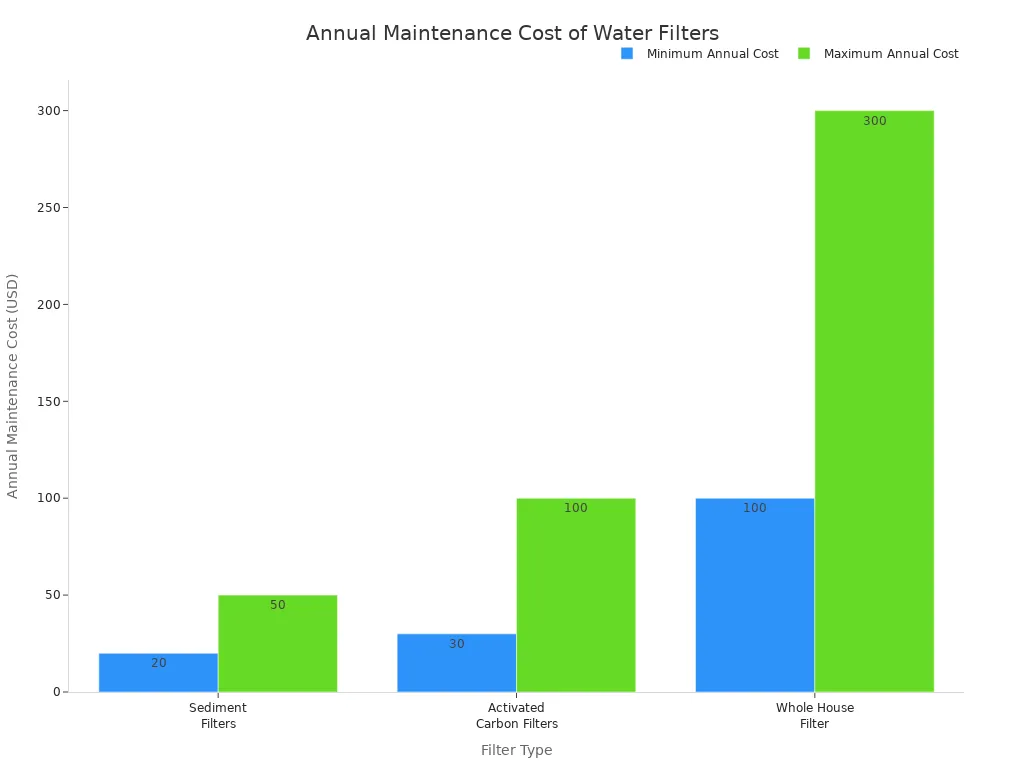
These filters help water meet industry standards for quality. For example, the standard for odor is a Threshold Odor Number (TON) of 3. Activated carbon removes the compounds that cause unpleasant odors and tastes. Maintenance for these filters is straightforward. Users typically replace the carbon cartridge every 12 to 24 months. The annual cost for these replacement filters generally falls between $30 and $100.
Sediment Filters
Sediment filters act as a physical screen. They remove visible particles from water. These particles include sand, dirt, rust, and silt. This process improves water clarity. The filter's effectiveness depends on its micron rating. A smaller micron rating means the filter can capture smaller particles. An "absolute" rating of 5 microns means the filter removes nearly all particles 5 microns or larger. A "nominal" rating means it removes a high percentage of them.
These filters are often made from materials like pleated polyester or housed in reinforced polypropylene. Some advanced systems even use 316L food-grade stainless steel.
Tip: A sediment filter often protects other, more sensitive filters in a multi-stage system. It prevents larger particles from clogging them.
Users know it is time to replace a sediment filter when they see certain signs.
- Slow Water Flow: A clogged filter restricts water from passing through.
- Murky Water: Cloudiness indicates the filter is no longer trapping particles.
- Reached Lifespan: Most filters need replacement every 6 to 12 months.
Ion Exchange Filters
Ion exchange filters target specific dissolved contaminants. They are best known for softening "hard" water and removing heavy metals. These filters contain resin beads with a specific electrical charge. Heavy metals like lead (Pb²⁺) and minerals like calcium exist as positively charged ions in water.
The process is simple. Water flows over the resin beads. The beads attract the positively charged contaminants. They then release harmless ions, like sodium (Na⁺), into the water in exchange. This method is very effective. It can remove over 90% of minerals that cause water hardness. It also removes dangerous heavy metals. For certain metals like mercury, special chelating resins are used for very high adsorption efficiency.
Note: The resin in an ion exchange filter eventually becomes saturated with contaminants. It must be regenerated or replaced.
Regeneration involves flushing the resin with a salt solution. This process removes the trapped contaminant ions and recharges the resin beads with sodium ions. However, the resin must be replaced if it shows physical damage or if performance does not improve after regeneration. This ensures the filter continues to operate effectively.
Advanced Purification in a Water Cooler Water Dispenser
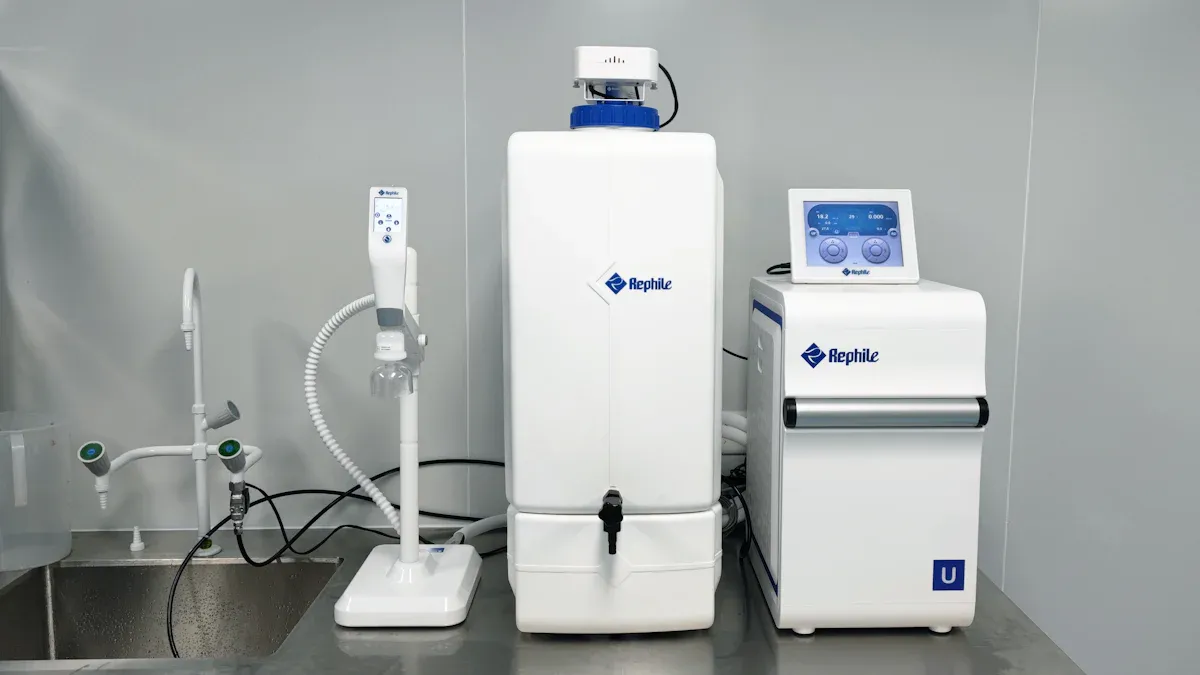
While standard filters improve water's taste and clarity, advanced purification methods take water quality to the next level. These systems target microscopic contaminants, including dissolved solids, chemicals, and dangerous pathogens. Purification goes beyond simple filtration. It involves processes that eliminate a much wider range of invisible impurities to produce exceptionally clean water.
| Feature | Water Filtration | Water Purification |
|---|---|---|
| Contaminant Removal | Removes visible particles and some larger microorganisms. | Eliminates a wide range of contaminants, including pathogens and chemical pollutants. |
| Methods | Uses physical barriers like carbon or sediment filters. | Involves complex processes like reverse osmosis or UV disinfection. |
| Scope | Does not remove dissolved salts or heavy metals. | Targets dissolved substances, viruses, and chemical pollutants. |
Reverse Osmosis (RO) Systems
Reverse Osmosis (RO) systems provide one of the most thorough levels of water purification available. This technology uses high pressure to push water through a semi-permeable membrane. The membrane has incredibly small pores, effectively smaller than 0.001 microns. This process physically blocks a vast array of contaminants from passing through.
An RO system is highly effective at removing impurities.
- It removes up to 99% of total dissolved solids (TDS), such as salts and nitrates.
- It is excellent at blocking heavy metals like lead, arsenic, and chromium.
- It also removes bacteria and viruses, ensuring microbiological safety.
The performance of an RO system in a water cooler water dispenser often surpasses the purity of bottled water. To ensure these high standards, consumers can look for products certified under NSF/ANSI 58. This certification confirms that a system effectively reduces TDS and can also be certified for removing other harmful contaminants like fluoride and hexavalent chromium.
Note: The effectiveness of an RO system depends heavily on water pressure. Higher pressure increases the water production rate, but excessive pressure can damage the membrane.
A significant consideration for RO systems is water waste. The process separates pure water from water containing rejected contaminants. This wastewater is flushed away. Many under-sink systems produce about 4 gallons of wastewater for every 1 gallon of purified water. However, modern countertop RO systems and those in an advanced water cooler water dispenser are more efficient, with some achieving a ratio closer to 3 gallons purified for every 1 gallon of waste.
Ultraviolet (UV) Purification
Ultraviolet (UV) purification is a disinfection method that uses UV-C light to make water microbiologically safe. It does not physically remove contaminants. Instead, the UV light penetrates pathogens like bacteria, viruses, and protozoa. This light damages their DNA, which prevents them from reproducing and causing illness. A UV system can eliminate 99.99% of these harmful microorganisms.
UV purification is extremely effective against common waterborne pathogens.
- It inactivates protozoan parasites like Giardia and Cryptosporidium at very low UV doses (under 10 mJ/cm²).
- It is also lethal to bacteria like E. coli.
Tip: UV purification is chemical-free. It disinfects water without adding any substances or changing its taste and odor.
For UV purification to work correctly, the water must be clear. Suspended particles create shadows where microorganisms can hide from the UV light. The World Health Organization (WHO) recommends that water turbidity be below 1 NTU for effective disinfection. For this reason, a water cooler water dispenser almost always pairs a UV system with sediment and carbon filters.
Maintenance involves replacing the UV lamp. The lamp's intensity decreases over time. Users should replace it every 9,000 to 12,000 hours, or about once a year, to ensure the system delivers a powerful enough dose to kill pathogens. Systems certified under NSF/ANSI 55 meet strict performance standards.
- Class A systems deliver a dose of 40 mJ/cm² and are for disinfecting contaminated water.
- Class B systems deliver a lower dose and are for supplemental treatment of already safe water.
Choosing the right filtration depends on local water quality and specific health needs. Multi-stage systems, which hold a dominant market share, combine methods for the most thorough purification. A quality water cooler water dispenser provides significant long-term savings over bottled water, making it a valuable investment for any household.
FAQ
How does a person choose the right filter?
A person should first check their local water quality report. This report identifies specific contaminants. They can then select a filter designed to remove those particular impurities.
What is a multi-stage filtration system?
A multi-stage system combines several different filter types. It might use a sediment filter, a carbon filter, and a UV purifier together for more thorough cleaning.
Is filtration the same as purification?
No, they are different. Filtration removes larger particles to improve taste and clarity. Purification eliminates microscopic contaminants like viruses and dissolved solids for the highest level of safety.