Choosing Your 2026 Home Hot Water Dispenser
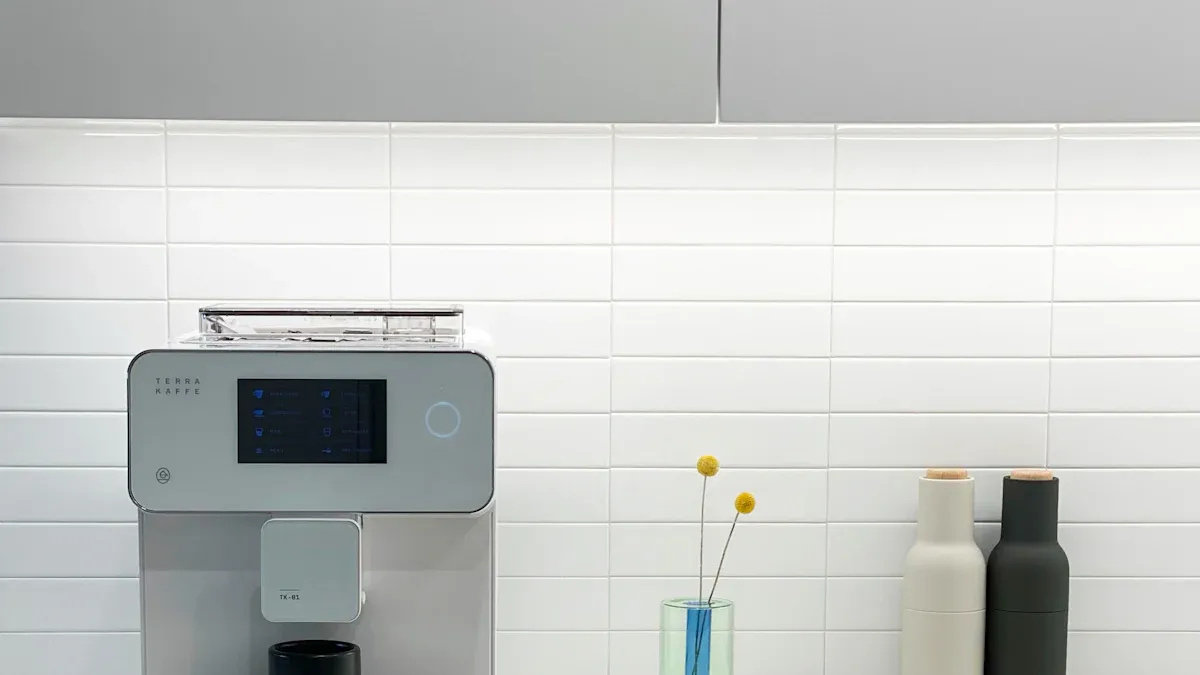
You have two main options when choosing a hot water dispenser for home.
Under-sink models integrate directly with your plumbing for a clean, seamless look. In contrast, countertop models are standalone appliances that provide flexibility and a very simple setup.
Your kitchen space, usage habits, and installation preference determine the right fit for you.
Key Takeaways
- Choose an under-sink hot water dispenser for a clean, built-in look. It offers instant hot water and saves counter space.
- Select a countertop hot water dispenser for easy setup and portability. It is good for small kitchens or renters.
- Look for features like adjustable temperature control and energy efficiency. These improve your experience and save money.
Under-Sink Dispensers: An Integrated Solution
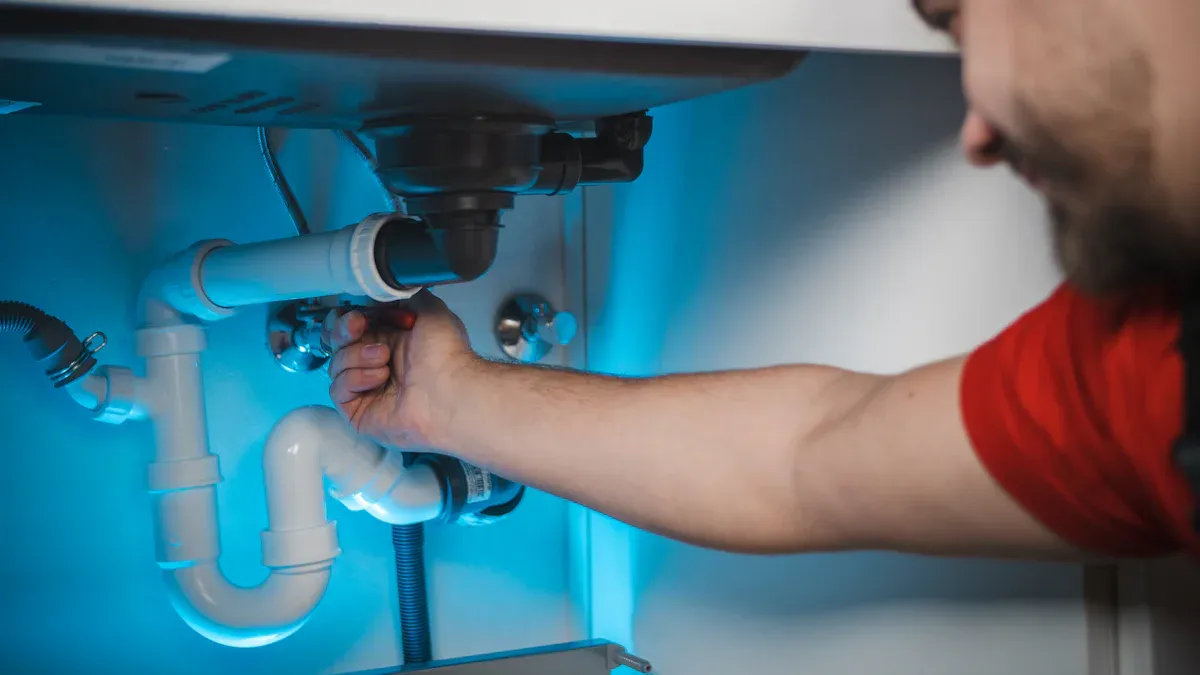
You choose an under-sink dispenser for a clean, built-in look. This type of hot water dispenser for home hides the main unit in your base cabinet, leaving only a sleek faucet at your sink. This approach offers fantastic benefits for a modern kitchen.
- Time-Saving Convenience: You get near-boiling water in seconds for coffee, tea, or cooking.
- Space-Saving Design: The system frees up valuable counter space.
- Improved Water Quality: Many models come with filters that remove impurities for better-tasting water.
- Increased Home Value: A built-in dispenser is an attractive feature for future home buyers.
You will find two main technologies in this category: tank-based and tankless.
Tank-Based Models
Tank-based models are the traditional choice. They feature a small, insulated tank that you install under your sink. This tank holds and constantly heats a specific amount of water, usually between 2/3 of a gallon and 1 gallon.
The system keeps water prepared in advance at a temperature you set. Most units allow you to adjust the temperature from around 160°F to 210°F. Because the water is always hot and ready, you get instant delivery when you turn on the faucet. These models generally have a lifespan of about 8 to 12 years with proper care.
| Pros | Cons |
|---|---|
| Lower initial purchase price | Uses energy to keep water hot (standby loss) |
| Very fast initial water delivery | Limited capacity; can run out of hot water |
| Simple, proven technology | Takes up more cabinet space than tankless |
Tankless On-Demand Models
Tankless models represent the future of efficiency for 2026. Instead of storing hot water, these units heat water instantly as it flows through the system. When you activate the faucet, cold water passes over a powerful heating element, delivering hot water on demand.
This method is highly efficient. Tankless systems do not have the standby heat loss that tank-based models do. This makes them much more energy-efficient.
According to the EPA, tankless heaters can use up to 34% less energy in households with lower water usage. This efficiency is reflected in their Uniform Energy Factor (UEF), a measure of performance.
| Water Heater Type | Typical Uniform Energy Factor (UEF) |
|---|---|
| Standard Tank | 0.60 - 0.70 UEF |
| Tankless | 0.82 - 0.94 UEF |
The primary advantages of tankless technology are significant. You get an endless supply of hot water and save on energy bills. These units are also more compact, saving precious under-sink space. While the upfront cost is higher, their longer lifespan of 20 years or more often provides a better long-term return on your investment.
Countertop Hot Water Dispenser for Home: The Plug-and-Play Option
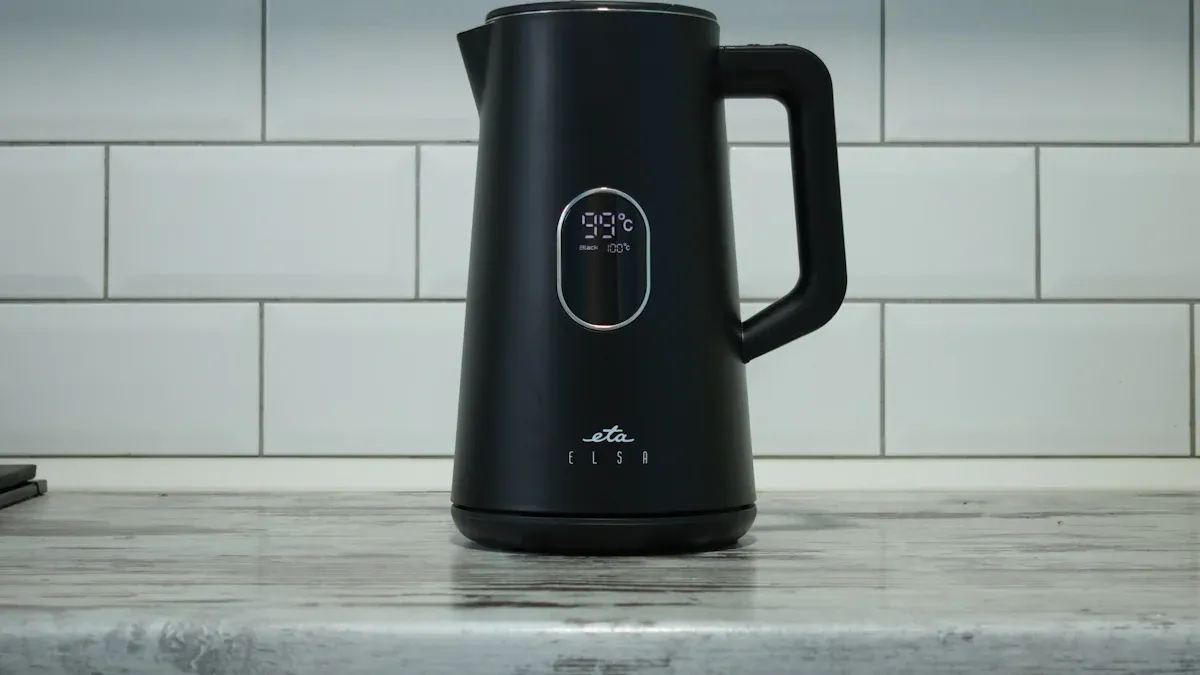
You might prefer a countertop hot water dispenser for home if you value flexibility and simplicity. These standalone appliances sit on your counter and plug into a standard electrical outlet. You just fill them with water, and they are ready to go. This makes them an excellent choice for renters, small kitchens, or anyone who wants to avoid permanent installation.
- They are compact and easy to use.
- You can move them around, making them portable.
- They require minimal installation—just plug them in.
- They are ideal for smaller households that do not need large volumes of hot water.
You will find two main types of countertop dispensers: thermo pots and boil-on-demand units.
Thermo Pot Dispensers
Thermo pot dispensers are like a hybrid of an electric kettle and a thermos. You fill the internal reservoir with water, and the unit boils it. It then keeps the water at a set hot temperature for hours. When you need hot water, you simply press a button to dispense it.
These models are incredibly convenient for households that use hot water frequently throughout the day. You always have hot water ready for your next cup of tea, instant noodles, or oatmeal.
Tip: To keep your thermo pot working well, you should clean it regularly. A simple cleaning routine every few months will prevent mineral buildup and ensure fresh-tasting water.
Basic Cleaning Steps:
- Unplug the unit and let it cool completely.
- Empty any remaining water from the reservoir.
- Fill it with a 50/50 mixture of white vinegar and water.
- Let the solution sit for about 20-30 minutes to dissolve mineral deposits.
- Dispense some of the solution through the tap to clean the internal lines.
- Empty the reservoir and rinse it thoroughly with clean water two or three times.
Thermo pots come in various sizes to match your family's needs. Common capacities you will find include:
- 2.0 to 3.0 liters (about 8-12 cups)
- 4.0 to 5.0 liters (about 16-20 cups)
Boil-on-Demand Dispensers
Boil-on-demand dispensers offer a more energy-efficient approach for 2026. These units keep water at room temperature in a reservoir. When you press the dispense button, the machine instantly heats only the amount of water you need as it passes through the unit. This process is similar to a tankless under-sink model but in a compact, countertop form.
The main advantage is energy savings. You do not use electricity to keep a large tank of water hot all day. Some models can reduce energy waste by over 50% compared to repeatedly boiling a full electric kettle. While the upfront cost may be higher, the long-term savings on your energy bill can be significant.
This type is perfect if your hot water use is less frequent or if you are concerned about energy consumption. You get the speed of a dispenser without the standby energy loss of a thermo pot.
Here is how they compare to a traditional electric kettle:
| Feature | Boil-on-Demand Dispenser | Electric Kettle |
|---|---|---|
| Time to Boil | Instant | 2–5 minutes per boil |
| Energy Use | Lower daily consumption | Higher with repeated use |
| Best For | Quick, single servings; energy-conscious users | Boiling larger amounts at once |
Ultimately, a boil-on-demand model gives you instant gratification and efficiency in one sleek package.
Key Features to Look For in 2026
When you select a new dispenser, you should look beyond the basic function. Modern features can greatly improve your experience. For 2026, you will find models with smart technology, sustainable materials, and even voice controls.
Adjustable Temperature Control
You can perfect your favorite drinks with adjustable temperature control. Different beverages need specific water temperatures for the best flavor. For example, using water that is too hot can make green tea taste bitter. Precise control lets you get it just right every time.
This feature is not just for taste. It supports a healthy lifestyle by encouraging you to drink more water. It also helps you prepare beverages safely for everyone in your family.
Here are some ideal temperatures for popular drinks:
| Beverage | Optimal Temperature |
|---|---|
| Black Tea & Coffee | 90-98°C (194-208°F) |
| Oolong Tea | 88°C (190°F) |
| Green Tea | 70-80°C (158-176°F) |
Built-In Water Filtration
A built-in filter gives you cleaner, better-tasting water directly from the tap. These systems improve your water quality significantly. A good filter removes many common impurities.
- Chlorine: Eliminates the chemical taste and smell.
- Sediment: Removes particles like rust and dirt.
- Heavy Metals: Reduces contaminants like lead.
- Bacteria and Cysts: Advanced filters can remove microscopic organisms.
Energy Efficiency
An energy-efficient hot water dispenser for home saves you money and helps the environment. In 2026, look for models with a high Uniform Energy Factor (UEF). Many new units also have smart features. These can include remote control and usage analytics to help you monitor power consumption. An efficient model uses less electricity, reducing your daily energy costs.
Capacity and Flow Rate
You need to match the dispenser's capacity to your household's needs. Capacity refers to how much hot water the unit can hold or produce at once. Flow rate is how quickly the water comes out of the faucet. A larger family will need a higher capacity and a faster flow rate to avoid waiting.
You can select an under-sink model for a clean, built-in solution. A countertop model offers you simple setup and portability. Your ideal hot water dispenser for home depends on your needs. Looking ahead, AI and smart home integration will make these appliances even more efficient and personalized for you.
FAQ
How often should you clean your hot water dispenser?
You should clean your dispenser every 3 to 6 months. This simple task prevents mineral buildup. It also ensures your water tastes fresh and extends the unit's life.
Are tankless dispensers more energy-efficient?
Yes, they are. Tankless models heat water only when you need it. This method avoids the standby energy loss of tank-based units, which saves you money on bills.
Do you need a plumber to install an under-sink model?
Yes, you should hire a professional. An under-sink dispenser connects to your water lines and electricity. Proper installation ensures safety and prevents leaks in your kitchen cabinet.