Understanding Different Decentralized Wastewater Treatment Options
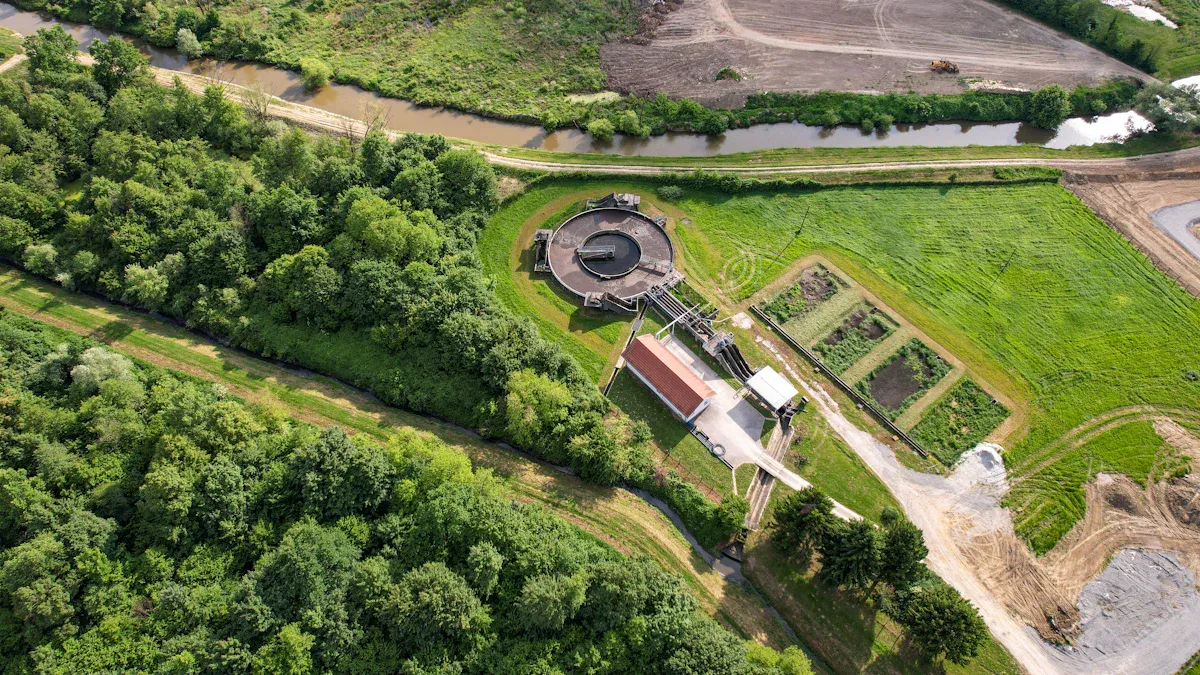
You can find many decentralised wastewater treatment systems in use around the world. These include septic systems, cesspools, container-based setups, DEWATS, and natural treatment systems. Each option helps manage wastewater on-site. Some use tanks or pits, while others rely on natural processes or special containers.
Key Takeaways
- Decentralized wastewater treatment systems, like septic tanks and constructed wetlands, manage wastewater on-site, saving money and protecting local water sources.
- Choosing the right system depends on factors like water availability, climate, and community needs. Always check local regulations before installation.
- Regular maintenance is crucial for all systems to prevent breakdowns and environmental pollution. Schedule inspections and pump septic tanks as needed.
Main Types of Decentralised Wastewater Treatment Systems
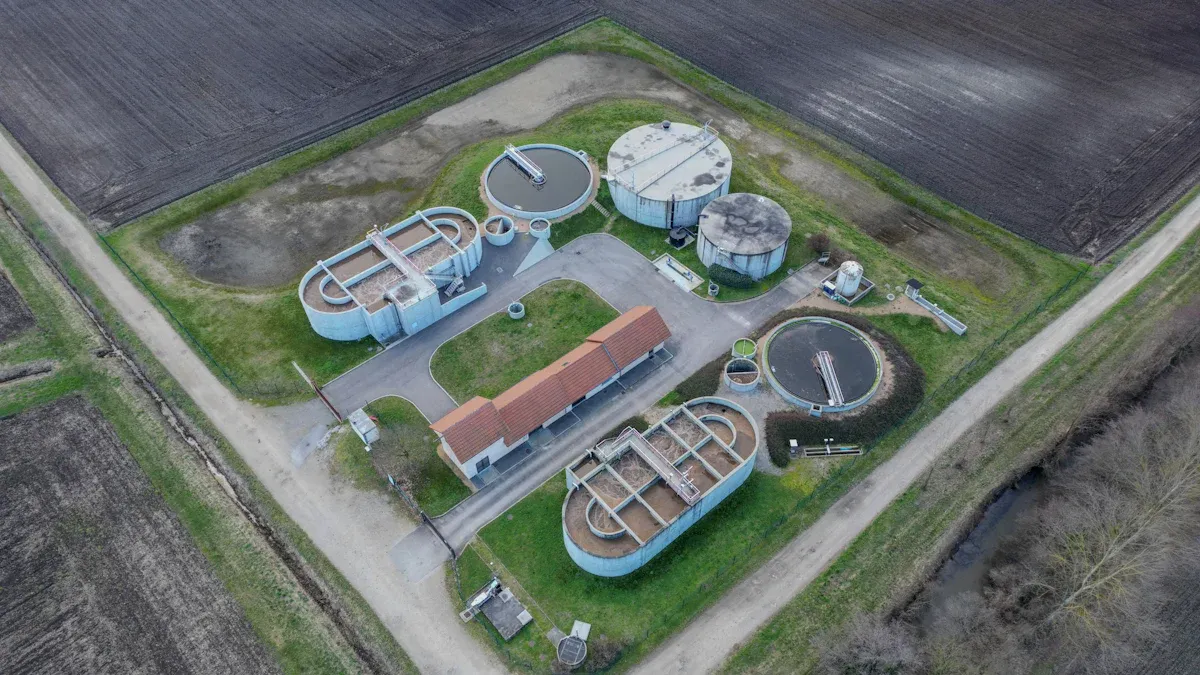
Decentralised wastewater treatment systems come in many forms. You can choose from several main categories, each with unique features and uses. The table below shows how experts classify these systems:
| Category | Description |
|---|---|
| Treatment/disposal facilities requiring effluent infiltration | These systems work on-site and need suitable soil for wastewater management. Examples include pit latrines and septic tanks. |
| Treatment facilities resembling natural purification processes | These systems use natural processes, like constructed wetlands and stabilization ponds. They work best in warmer climates. |
| Engineered wastewater treatment technologies | These systems use advanced technology, similar to large plants, but on a smaller scale. They face unique challenges. |
Septic Systems
Septic systems are one of the most common decentralised wastewater treatment options in rural areas. You will find them in homes not connected to public sewers. About 20% of people in the United States rely on these systems. Septic tanks treat wastewater on-site and release the effluent into the ground. You need suitable soil for proper infiltration. Urban areas usually have more sewer connections, so septic systems are less common there.
Tip: If you live in a rural area, a septic system may be the most practical choice for managing household wastewater.
Constructed Wetlands
Constructed wetlands use plants, soil, and natural processes to clean wastewater. You can use these systems for homes, schools, or small communities. They mimic natural wetlands and work best in warm climates. The plants and microbes break down pollutants as water flows through the wetland. You need enough land and the right climate for these systems to work well.
Membrane Bioreactors (MBR)
Membrane bioreactors combine biological treatment with membrane filtration. You can use MBRs for small-scale wastewater treatment, especially where space is limited. Studies show that MBRs are cost-competitive and effective for recycling municipal wastewater. They work well in rural areas and can treat household wastewater with high efficiency. The compact size makes them ideal for places with limited land.
| Study Title | Findings |
|---|---|
| Membrane Bioreactors for Produced Water Treatment: A Mini-Review | MBRs offer a cost-effective and efficient solution for small-scale wastewater treatment. |
| Novel membrane bioreactor (MBR) coupled with a nonwoven fabric filter for household wastewater treatment | This system provides effective treatment and reduced costs, suitable for rural areas. |
| How does a membrane bioreactor work in wastewater treatment processes? | MBRs are perfect for recycling municipal wastewater in small spaces. |
Sequencing Batch Reactors (SBR)
Sequencing batch reactors treat wastewater in batches. You can use SBRs in remote communities, industrial sites, and small municipal plants. These systems are compact and easy to operate. SBRs handle fluctuating flows and work well where infrastructure is limited. Resorts, campgrounds, and wineries often use SBRs for reliable treatment during peak times.
- SBRs suit small to medium-sized municipal plants.
- You can use them for industrial wastewater, like food processing or pharmaceuticals.
- They work well in remote or decentralised wastewater treatment facilities.
- SBRs help upgrade existing plants with process improvements.
Aerated Treatment Units (ATU)
Aerated treatment units use air to help bacteria break down waste. You can install ATUs in homes or small businesses. These systems treat wastewater faster than septic tanks. ATUs need electricity to run the aerators. You may choose an ATU if you want better treatment and have access to power.
Composting Toilets
Composting toilets offer a water-saving solution for waste management. You can use them in off-grid or remote locations. These toilets do not need flushing, so they conserve water. Composting toilets recycle nutrients and enrich the soil with compost. They reduce costs compared to traditional sewage systems. Tiny houses and self-sufficient homes often use composting toilets.
- Composting toilets work well in remote areas.
- They save water and recycle nutrients.
- You can lower costs by choosing composting toilets for your home.
Suspended Growth Treatment Plants
Suspended growth treatment plants use free-floating microorganisms to clean wastewater. You will find these systems in urban facilities that need efficient treatment and small land areas. Suspended growth systems suit large-scale operations. They treat high volumes of wastewater and need less land than other options.
| Treatment Type | Key Characteristics | Operational Scale |
|---|---|---|
| Suspended Growth | Uses free-floating microorganisms; efficient for urban facilities; smaller land requirement. | Suitable for large-scale operations. |
Attached Growth Treatment Units
Attached growth treatment units use fixed media for microorganisms to grow. You can use these systems for small to medium-sized operations. They need more land and may have odor issues. Attached growth units are less efficient for high volumes but work well for smaller communities or businesses.
| Treatment Type | Key Characteristics | Operational Scale |
|---|---|---|
| Attached Growth | Uses fixed media for microorganism growth; larger land requirement; odor issues; less efficient for high volumes. | Best for small- to medium-sized operations. |
Note: When you choose a decentralised wastewater treatment system, consider your location, available land, and the amount of wastewater you need to treat. Each system has strengths and limitations.
How Decentralised Wastewater Treatment Systems Work
Septic Systems
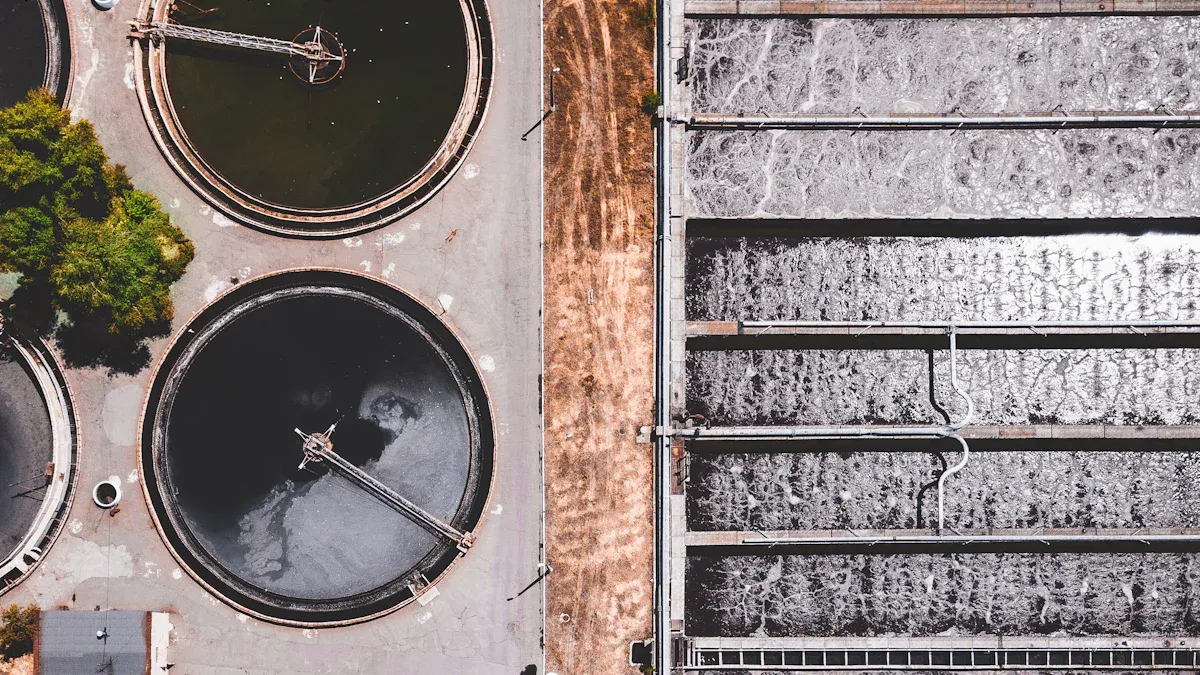
You use a septic system to treat wastewater right where you live. Wastewater flows into a tank. Solids settle at the bottom. Bacteria break down waste. The liquid moves into a drain field and filters through the soil. This process keeps treatment local and reduces the need for long pipes.
Constructed Wetlands
Constructed wetlands clean water by mimicking nature. You send wastewater through beds of plants and gravel. Microbes and plant roots remove pollutants. You can use the treated water for irrigation in some cases. These systems work best in warm climates with enough space.
Membrane Bioreactors
Membrane bioreactors use tanks with special filters. You add air to help bacteria break down waste. The membrane blocks tiny particles and germs. You get clean water that you can reuse for gardens or toilets. These systems fit well in small spaces.
Sequencing Batch Reactors
Sequencing batch reactors treat water in steps. You fill a tank, let bacteria clean the water, and then drain it. Each step happens in the same tank. You can adjust the process for different amounts of wastewater.
Aerated Treatment Units
Aerated treatment units use air pumps to mix wastewater. Bacteria use the air to break down waste faster. You get cleaner water than with a regular septic tank. These units need electricity to run.
Composting Toilets
Composting toilets turn waste into compost. You do not need water to flush. Microbes break down waste in a special chamber. You can use the finished compost to enrich soil.
Suspended Growth Treatment Plants
Suspended growth plants keep bacteria floating in the water. These bacteria eat the waste. You can treat large amounts of wastewater in a small area. Cities often use this method.
Attached Growth Treatment Units
Attached growth units use surfaces for bacteria to grow on. Wastewater flows over these surfaces. The bacteria clean the water as it passes by. You can use these units for small communities or businesses.
Decentralised wastewater treatment systems treat water close to where you use it. You can recover resources like water for irrigation, nutrients for plants, and even energy from biogas.
Pros and Cons of Each System
Septic Systems
You can save money with septic systems. You do not pay monthly sewer bills. These systems help the environment by treating water on-site and recharging groundwater. However, you must maintain them. If you do not, the system can fail. Septic tanks have a limited capacity. Too much water or flushing the wrong items can cause problems.
| Advantages | Disadvantages |
|---|---|
| Cost savings | Maintenance requirements |
| Environmental benefits | Potential for system failures |
| Independence from municipal systems | Limited capacity |
Constructed Wetlands
You help nature when you use constructed wetlands. These systems clean water with plants and soil. They support wildlife and improve water quality. Wetlands also help fight climate change by storing carbon. You may need a lot of space and some electricity. Good design can make them more sustainable.
- Improve water quality through natural filtration
- Promote biodiversity and wildlife habitat
- Aid in carbon sequestration
Membrane Bioreactors
You get very clean water with membrane bioreactors. These systems remove almost all bacteria and germs. You can reuse the treated water. MBRs use more energy than other systems, but new designs help lower this cost.
- High treatment efficiency
- Suitable for water reuse
- Higher energy use than traditional systems
Sequencing Batch Reactors
You can treat changing amounts of wastewater with sequencing batch reactors. These systems need regular checks and skilled operators. They use a lot of energy during mixing and aeration. You must manage sludge and watch for foaming.
| Maintenance Requirement / Challenge | Description |
|---|---|
| Regular Monitoring and Maintenance | Essential for effective SBR performance. |
| Skilled Operators | Needed for automated controls. |
| High Energy Consumption | Significant during aeration. |
| Sludge Management | Prevents overload. |
| Foaming Concerns | May occur during aeration. |
Aerated Treatment Units
You get fast treatment with aerated units. These systems need power for blowers. The upfront cost can be high. You must pay for energy and maintenance. Reliable units can save you money over time.
Composting Toilets
You save water with composting toilets. These toilets keep waste out of the water system. They lower disease risk if managed well. You help protect public health, especially where sanitation is poor.
- Reduce burden on treatment plants
- Lower exposure to pathogens
- Help prevent diarrheal diseases
Suspended Growth Treatment Plants
You can remove nutrients like nitrogen and phosphorus with suspended growth plants. These systems work well for large amounts of wastewater. They need careful management to keep working well.
Attached Growth Treatment Units
You get stable treatment with attached growth units. These systems last a long time and need less maintenance. The parts resist corrosion and can work for 15-20 years. Self-cleaning features make upkeep easier.
When you choose a decentralised wastewater treatment system, think about your needs, space, and resources.
Choosing the Right Decentralised Wastewater Treatment System
Factors to Consider
When you choose a decentralised wastewater treatment system, you need to look at several important factors. Water availability matters most, especially if you live in a dry area. You want a system that can handle changes in weather or disasters. Think about how the system will affect your environment and your community.
- Water availability shapes your choice of treatment technology.
- System resilience helps your system keep working during storms or droughts.
- Environmental and social impacts matter, including greenhouse gas emissions and community involvement.
- Local regulations set rules for how you design and run your system.
- Climate conditions affect how well your system treats and disposes of water.
- Community participation leads to better management and ownership.
Tip: Always check your local rules before you install a new system. This helps you avoid problems later.
Suitability for Homes, Communities, and Businesses
You need to match the system to your needs. The table below shows what you should think about for different settings:
| Suitability Factor | Explanation |
|---|---|
| Population Size | Smaller communities save money with decentralised systems. |
| Infrastructure Needs | These systems use less energy and need fewer pipes. |
| Expansion Capability | You can add more units as your community grows. |
| Risk of Failure | Local systems lower the chance of big problems for whole cities. |
If you live in a place where sewer lines cost too much, onsite systems work better. When your area grows fast, modular units let you expand easily. If you need high-quality water, you can pick a system that meets strict standards.
Comparing Decentralised Wastewater Treatment Systems
Cost
You save money when you choose decentralised wastewater treatment. These systems lower the need for expensive sewer networks in crowded areas. You pay less for initial setup than you would for a large treatment plant. Centralized systems cost more because they need big pipes and facilities. Decentralised options help you avoid high upfront costs.
- Decentralised systems reduce infrastructure expenses.
- Centralized plants require more investment for pipes and buildings.
Maintenance Needs
You must take care of your system to keep it working. Regular tasks include checking the system, pumping out septic tanks, and replacing old parts. If you skip maintenance, your system can break down and pollute the environment. You may need special training to run some systems, especially in rural places where experts are hard to find.
- Routine inspections and pumping keep systems safe.
- Lack of maintenance can cause breakdowns and pollution.
- Training helps operators manage systems well.
Treatment Efficiency
You get good results with most decentralised systems. Membrane bioreactors and aerated units clean water very well. Septic tanks and wetlands work best for homes and small communities. Some systems let you reuse water for gardens or toilets. You protect local water sources when you treat wastewater close to home.
Environmental Impact
You help nature when you use decentralised wastewater treatment. These systems stop untreated water from reaching rivers and lakes. You protect drinking water and keep people healthy. If your system fails, it can harm the environment and cause algae blooms. Good maintenance keeps water clean and safe.
- Systems protect local water bodies and ecosystems.
- Failing systems can pollute and harm public health.
Best Use Cases
| User Type | Best Use Cases |
|---|---|
| Homeowners | Cost-effective sanitation, off-grid living, irrigation, local water protection |
| Communities | Easy expansion, modular scaling, supports reuse, integrates housing |
| Commercial/Industrial | Isolated sites, tailored pollutant control, water recycling, revitalizes sites |
| Tourist Facilities | Remote amenities, resorts, conservation, incremental expansion |
| Institutions | Campus autonomy, flexible infrastructure, sensitive discharge, modernization |
| Temporary Setups | Rapid deployment, flexible events, interim solutions, essential treatment |
Tip: Choose the system that matches your needs, location, and future plans.
You have many decentralized wastewater treatment options. Each system fits different needs. Compare features using the table below:
| Feature | Centralized Systems | Decentralized Systems |
|---|---|---|
| Treatment Capacity | Larger volume | Smaller scale |
| Scalability | Poor scalability | Highly flexible |
| Energy Efficiency | Higher energy use | Lower transport needs |
| Environmental Impact | More pollution risk | Less pollution, harder to supervise |
To choose the best system, follow these steps:
- Check local codes and special rules.
- Measure current and future wastewater needs.
- Note seasonal or changing flows.
- Review available space.
- Set treatment goals.
- Study site and soil conditions.
- Find a local maintenance provider.
You can select the right system by matching your needs, site, and resources.
FAQ
What is the main benefit of a decentralized wastewater system?
You treat water close to where you use it. This saves money and protects local water sources. You also reduce the need for long pipes.
How often should you maintain your septic system?
You should inspect your septic tank every one to three years. Pump the tank when needed. Regular checks help prevent costly repairs.
Can you reuse water from these systems?
Yes. You can reuse treated water for gardens or toilets. Always follow local rules before using recycled water.
See Also
Innovative Materials Transforming Heat Exchanger Availability
Ways to Reduce Environmental Impact Using Plate Heat Exchangers
Research-Driven Strategies to Enhance 2 5-Furandicarboxylic Acid Sustainability
Benefits of Selecting a Self-Priming Water Pump for Systems
Unexpected Methods for Diagnosing Sulfur Recovery Catalyst Issues