What types of home sewage treatment systems exist in 2026
- Conventional (Gravity) Septic Systems
- Chamber Septic Systems
- Drip Distribution Systems
- Aerobic Treatment Units
- Mound Systems
- Recirculating Sand Filter Systems
- Evapotranspiration Systems
- Constructed Wetlands
- Cluster/Community Systems
You can choose a home sewage treatment plant that fits your property. Soil, local rules, and your needs all affect your choice. Each system has special features and benefits.
Key Takeaways
- Choose the right sewage treatment system based on your soil type, local regulations, and property needs. Each system has unique benefits.
- Regular maintenance is crucial for all sewage systems. Schedule inspections and pump-outs every 3 to 5 years to prevent costly repairs.
- Consult local health departments before installation. They can provide guidance on permits and ensure compliance with safety standards.
Types of a Home Sewage Treatment Plant
Conventional (Gravity) Septic Systems
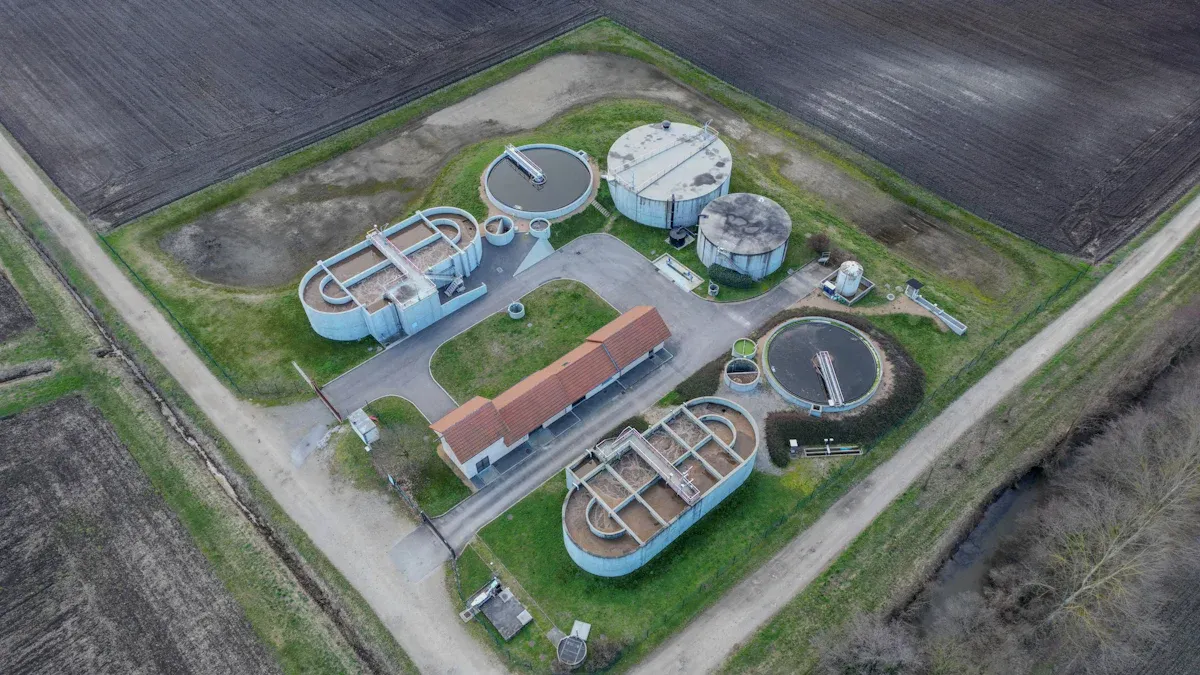
You will find that a conventional septic system uses gravity to move wastewater from your home into a septic tank. Solids settle at the bottom, and bacteria break down waste. The liquid, called effluent, flows into a drain field where the soil filters it before it returns to the environment. This type of system works best if your property has good soil and enough space.
💡 Note: The average installation cost for a conventional septic system on good soil ranges from $10,000 to $20,000. On many rural lots, the cost can reach $18,000 to $35,000.
Chamber Septic Systems
A chamber septic system uses a series of connected chambers instead of gravel-filled trenches. You will notice that this design makes construction simpler and works well in areas with high groundwater or where gravel is hard to find. The chambers allow wastewater to flow and filter through the soil, just like traditional systems.
- The expected lifespan of chamber septic systems is usually 20 to 30 years.
- Some systems last 15 to 40 years, depending on maintenance and design.
Drip Distribution Systems
Drip distribution systems use pumps to send pretreated wastewater through tubing into the soil. The water drips out at regular intervals, spreading over a large area. You do not need a large mound of soil for this system. The drip lines sit in the top 6 to 12 inches of soil, which helps treat the sewage and prevents untreated water from moving too quickly.
- Drip distribution systems work best when you consider soil texture and structure.
- You need enough soil depth above bedrock or the water table.
- Most rules require at least three feet of separation from limiting layers.
Aerobic Treatment Units
Aerobic treatment units (ATUs) use oxygen to break down waste faster than traditional septic systems. You will see that these systems produce high-quality effluent and work well in areas with poor soil or small lots. ATUs suit environmentally sensitive locations and require regular maintenance.
| Benefit | Aerobic Treatment Units (ATUs) | Conventional Septic Systems |
|---|---|---|
| Effluent Quality | High-quality effluent | Varies |
| Soil Suitability | Better for disturbed soil | Limited by soil conditions |
| Environmental Sensitivity | Suitable for sensitive areas | Less suitable |
| Maintenance | Regular lifetime maintenance | Varies |
| Space Requirements | Can be used on smaller lots | Requires larger space |
| Treatment Efficiency | Higher due to oxygen injection | Standard treatment |
Mound Systems
You may need a mound system if your property has shallow soil, high water tables, or lots of rock or clay. Wastewater first enters a septic tank, then moves to a dosing chamber. The chamber sends the water to a raised mound, where sand and soil filter and treat it before it returns to the environment.
| Component | Description |
|---|---|
| Septic Tank | Initial treatment of wastewater where solids settle and bacteria partially treat the waste. |
| Dosing Chamber | Distributes treated effluent to the mound at a controlled rate, preventing overload. |
| Mound | Engineered drain field that treats effluent as it moves through sand and soil layers. |
🏡 Tip: Mound systems are a home sewage treatment plant option for properties where traditional systems cannot work due to difficult soil conditions.
Recirculating Sand Filter Systems
A recirculating sand filter system treats wastewater by passing it through sand several times. This process removes contaminants, especially nitrogen, and works well on small lots or in areas with high water tables. You will find these systems effective where space is limited or where nitrogen contamination is a concern.
- These systems filter wastewater multiple times, improving treatment.
- They are less effective for removing fecal coliform than single-pass sand filters.
- Typical loading rates are 4–5 gallons per day per square foot.
- Recirculation usually happens at least four times for good results.
| Maintenance Task | Frequency |
|---|---|
| Regular inspections | At least annually |
| Cleaning and repairs | As needed |
| Media replacement | Every 2–5 years (high loading) |
| Visual inspection of effluent | Regularly |
| Laboratory analysis | As necessary |
| Check flow meter and timer | Periodically |
Evapotranspiration Systems
Evapotranspiration systems move wastewater from a septic tank to an open-air tank. The water then evaporates into the air. This system depends on heat and sunlight, so it works best in dry, sunny climates. If you live in a rainy or snowy area, this system may not work well.
🌞 Note: Evapotranspiration systems are a home sewage treatment plant choice for dry regions with lots of sun.
Constructed Wetlands
Constructed wetlands use plants, gravel, and sand to treat wastewater. When water enters the wetland, it slows down, and particles settle out. The gravel and sand filter out larger particles, while bacteria in the wetland break down pollutants and clean the water.
- Water slows down, letting particles settle.
- Gravel and sand beds filter out solids.
- Bacteria use oxygen to break down waste and pathogens.
Cluster/Community Systems
Cluster or community systems serve several homes or buildings together. You share the cost and maintenance with your neighbors. These systems often save money and use energy more efficiently than individual systems.
- Sharing energy production can reduce system costs by 13%.
- Studies show a 14.4% savings in annual costs compared to single-home systems.
🏘️ Tip: Cluster systems are a home sewage treatment plant solution for neighborhoods or rural communities that want to lower costs and improve efficiency.
Comparing and Choosing a Home Sewage Treatment Plant
Key Differences and Suitability
You will see that each type of home sewage treatment system fits different property needs. Conventional systems work best if you have good soil and enough space. Chamber systems help when gravel is hard to find or groundwater is high. Drip distribution and mound systems suit areas with poor soil or high water tables. Aerobic treatment units work well on small lots or where you need high-quality effluent. Recirculating sand filters and constructed wetlands offer strong treatment for sensitive sites. Cluster systems serve several homes together, which can lower costs.
Soil conditions play a big role. If your soil does not have enough depth or separation from bedrock, you may need a raised system or a different design. Local permitting agencies will check your soil and decide what system you can use.
Factors to Consider
When you choose a home sewage treatment plant, you need to think about more than just the type. Local regulations set minimum standards and may be stricter than state rules. Always check with your local health department before you build or repair a system. You also need to look at:
- Plant location: Keep the system away from wells, streams, and buildings.
- Sizing: Make sure the system matches your home’s size and water use.
- Effluent disposal: Use safe methods to protect water supplies.
- Maintenance: Plan for regular inspections and pump-outs.
- Standards: Pick systems that meet national standards for safety and durability.
Summary Table of Pros and Cons
| System Type | Pros | Cons | Cost Range (CAD) |
|---|---|---|---|
| Conventional System | Simple, affordable, uses gravity | Needs good soil, more maintenance | $10,000 – $20,000 |
| Chamber System | Space-saving, good for poor soil | Complex install, more maintenance | $18,000 – $35,000 |
| Drip Distribution System | Flexible, good for large areas | Higher cost, needs power and upkeep | $25,000 – $50,000+ |
| Aerobic Treatment Unit | High treatment, fits small lots | Expensive, needs regular care | $25,000 – $50,000+ |
| Mound System | Works in tough soil, high water tables | Costly, needs space, high upkeep | $20,000+ |
| Recirculating Sand Filter | Strong treatment, fits many sites | Expensive, needs regular maintenance | $25,000 – $50,000+ |
💡 Tip: Always ask your local permitting agency to assess your site before you choose a home sewage treatment plant. This step helps you avoid costly mistakes and ensures you meet all rules.
You can make smart choices about home sewage treatment when you know your options. Use this table to compare common systems:
| System Type | Advantages | Disadvantages |
|---|---|---|
| Vacuum Sewerage System | Less disruption, prevents leaks | Needs monitoring, less common |
| Gravity Sewerage System | Simple, no electricity needed | Can leak, may block in heavy rain |
| Low-Pressure Sewerage | Easy install, small tanks | You handle maintenance and power |
Follow these steps to match a system to your property:
- Check your soil and water table.
- Test how fast water drains.
- Get permits and talk to local officials.
- Pick a system that fits your needs.
For expert help, you can find guides and support from groups like the National Rural Water Association or the Rural Community Assistance Program.
FAQ
How often should you pump your septic tank?
You should pump your septic tank every 3 to 5 years. Regular pumping keeps your system working well and prevents costly repairs.
Can you install a home sewage treatment system yourself?
You should hire a licensed professional. Local rules require permits and inspections. DIY installation can lead to system failure or legal problems.
What signs show your system needs maintenance?
- Slow drains
- Bad smells in your yard
- Wet spots near the drain field
Call a professional if you notice these problems.
See Also
Best Precoating Options for Filtration Systems in 2025
Understanding Advantages of Commercial Heat Exchangers in 2025
2025 Overview of Semi-welded Plate Heat Exchangers for Industries
Innovative Materials Transforming the Heat Exchanger Market
Comparing EHEDG Guidelines with 3A SSI Standards for Hygiene