Trusted Names in IoT Wireless Energy Meter Manufacturing
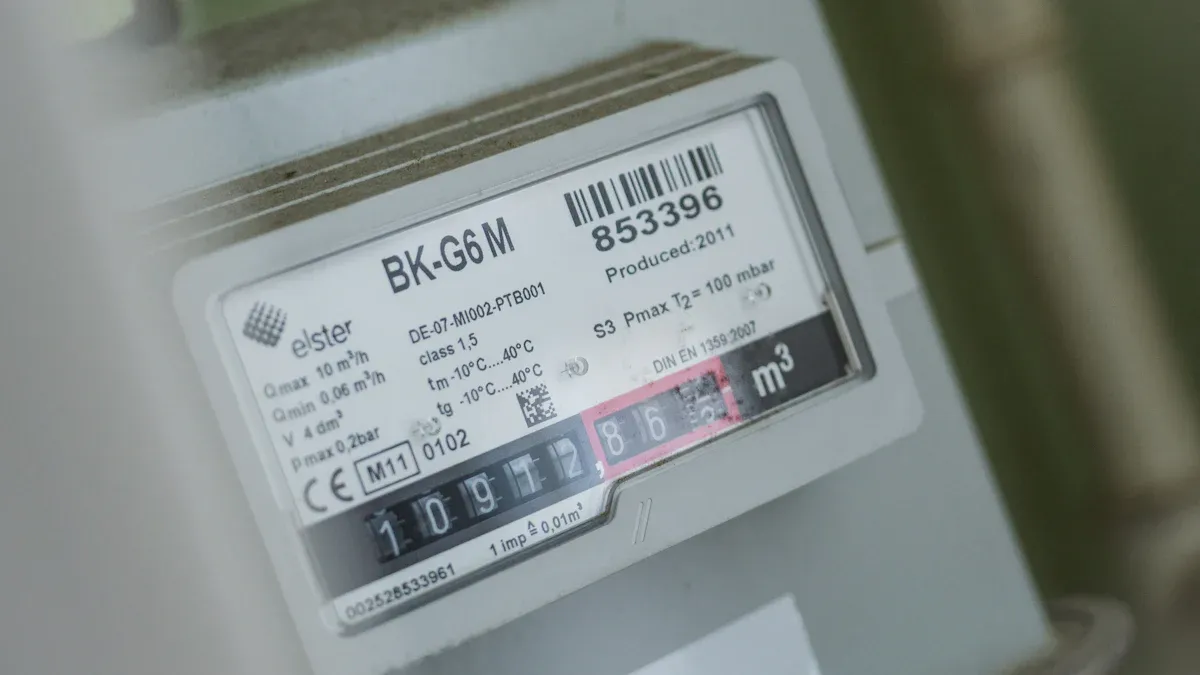
Leading manufacturers of IoT Wireless Energy Meters include Schneider Electric, Siemens, Honeywell, Landis+Gyr, ABB, Acrel, Sierra Wireless, Blue Jay, Eaton, and Accuenergy. These brands earn trust through proven performance, advanced technology, and reliable customer support. Their innovation and product quality set them apart in the industry.
Key Takeaways
- Choose manufacturers based on product quality and reliability. Look for companies that conduct thorough testing and use high-quality components.
- Consider technological innovation when selecting a meter. Features like remote monitoring and secure data transmission can enhance performance.
- Strong customer support is crucial. Opt for brands that offer technical assistance, warranties, and training to maximize your investment.
Key Criteria for Evaluating IoT Wireless Energy Meter Manufacturers
Product Quality and Reliability
Industry experts place high importance on product quality and reliability when selecting IoT Wireless Energy Meters. Manufacturers conduct type testing to ensure each meter meets accuracy and temperature standards. Routine production testing checks every unit before it leaves the factory. Companies source high-quality, traceable components to guarantee long-term stability and accuracy. These steps help build trust with customers and reduce the risk of failures in the field.
Technological Innovation
Manufacturers continue to introduce advanced features in IoT Wireless Energy Meters. Many meters now support remote disconnect and connect, tamper detection, and over-the-air updates. Recent innovations include integrated wireless communication solutions that lower costs and speed up deployment for automatic meter reading and SCADA systems. Some brands offer rugged, cost-effective wireless connectivity for challenging environments. Others provide 3GPP wireless broadband private networks, which deliver secure and fast data transmission for power distribution.
Range of Solutions Offered
A broad product portfolio allows manufacturers to meet diverse customer needs. Leading brands supply single-phase, three-phase, and smart meters. They also offer flexible solutions for residential, commercial, and industrial applications. This variety ensures that users can find the right IoT Wireless Energy Meters for their specific requirements.
Customer Support and Service
Strong customer support sets top manufacturers apart. They provide technical assistance, warranty coverage, maintenance, and training programs. These services help users maximize the value of their investment and ensure smooth operation over the meter’s lifespan.
Value for Money
Value for money goes beyond the initial purchase price. Manufacturers focus on total cost of ownership, which includes hardware, software, and ongoing services. Transparent pricing models help customers understand long-term costs and make informed decisions.
Table: Key Evaluation Criteria for IoT Wireless Energy Meter Manufacturers
| Criteria | Description |
|---|---|
| Type Testing | Ensures design meets standards for accuracy and temperature. |
| Routine Production Testing | Every meter passes automated calibration and functional tests. |
| Component Sourcing | Uses high-quality, traceable components for stability and accuracy. |
| Product Range | Offers flexible portfolios for various meter types and applications. |
| Technological Innovation | Features remote control, tamper detection, and OTA updates. |
| Customer Support | Provides technical support, warranty, maintenance, and training. |
| Pricing and Value | Focuses on total cost of ownership and transparent pricing. |
Top Brands and Suppliers of IoT Wireless Energy Meters

Schneider Electric
Schneider Electric leads the market with robust IoT Wireless Energy Meters designed for reliability and scalability. The company invests in smart metering solutions that support real-time monitoring and advanced analytics. Schneider Electric offers products that integrate seamlessly with building management systems. Their meters help users optimize energy consumption and reduce operational costs. Customers value Schneider Electric for its global support network and consistent product quality.
Siemens
Siemens delivers innovative energy metering solutions for diverse applications. Their IoT Wireless Energy Meters feature secure data transmission and flexible connectivity options. Siemens focuses on interoperability, allowing easy integration with existing infrastructure. The company provides meters suitable for residential, commercial, and industrial environments. Siemens stands out for its commitment to sustainability and digital transformation in energy management.
Honeywell
Honeywell supplies reliable IoT Wireless Energy Meters that emphasize accuracy and durability. The brand offers advanced features such as remote monitoring and tamper detection. Honeywell’s meters support scalable deployment in smart grids and industrial facilities. Customers appreciate Honeywell’s technical support and comprehensive warranty programs. The company maintains a strong reputation for delivering dependable solutions.
Landis+Gyr
Landis+Gyr specializes in smart metering and IoT integration. Their wireless energy meters enable utilities and businesses to manage energy usage efficiently. Landis+Gyr provides flexible communication protocols, supporting both legacy and modern networks. The brand’s solutions facilitate automated meter reading and real-time data access. Landis+Gyr continues to innovate in the field of energy management.
ABB
ABB offers a wide range of IoT Wireless Energy Meters for global markets. The company focuses on precision, scalability, and ease of installation. ABB’s meters support advanced data analytics and remote configuration. Their products serve utilities, commercial buildings, and industrial plants. ABB’s global presence ensures reliable service and technical expertise.
Acrel
Acrel stands out for its advanced wireless metering technologies. The company implements multiple communication protocols to enhance integration and monitoring capabilities.
| Communication Protocol | Description |
|---|---|
| RS485 Modbus RTU & Modbus TCP | Seamless PLC/SCADA integration |
| LoRaWAN | Wide-area wireless monitoring without extensive cabling |
| WiFi & MQTT | Direct-to-cloud reporting and real-time dashboarding |
Acrel’s product line includes:
- Power Meter Nirkabel IoT, ADW300
- Wireless temperature monitoring systems
- Cloud platform for power IoT
Acrel’s solutions enable users to monitor energy data remotely and access real-time dashboards. The company supports integration with cloud platforms, making it easier to manage energy consumption across multiple sites.
Sierra Wireless
Sierra Wireless brings expertise in IoT connectivity to energy metering. Their wireless energy meters feature robust cellular and LPWAN technologies. Sierra Wireless focuses on secure data transmission and remote device management. The brand’s solutions suit utilities and industrial clients seeking reliable wireless communication. Sierra Wireless continues to expand its portfolio with new IoT-enabled products.
Blue Jay
Blue Jay offers versatile energy metering options for various sectors. The company designs IoT Wireless Energy Meters that support flexible installation and easy integration. Blue Jay’s meters provide accurate readings and support remote monitoring. Customers choose Blue Jay for its cost-effective solutions and responsive customer service.
Eaton
Eaton delivers industrial-grade metering solutions with advanced wireless capabilities. The company’s IoT Wireless Energy Meters support high-precision measurement and robust connectivity. Eaton focuses on reliability and long-term performance in demanding environments. Their meters help facilities optimize energy usage and improve operational efficiency.
Accuenergy
Accuenergy specializes in precision metering and data analytics. The company’s IoT Wireless Energy Meters offer real-time data collection and cloud integration. Accuenergy provides solutions for commercial buildings, industrial plants, and utility networks. Their meters support advanced analytics, helping users make informed decisions about energy management.
Leading brands in IoT Wireless Energy Meters continue to innovate, offering solutions that meet the evolving needs of energy management across industries.
Brand Profiles and Unique Features in IoT Wireless Energy Meters
Schneider Electric: Strengths and Innovations
Schneider Electric stands as a leader in digital energy management. The company invests heavily in research and development. Their wireless energy meters feature advanced analytics and seamless integration with building management systems. Schneider Electric prioritizes cybersecurity in every product. They offer scalable solutions for both small businesses and large enterprises. Customers benefit from a global support network and consistent product updates.
Key Features:
- Real-time energy monitoring
- Advanced cybersecurity protocols
- Seamless integration with EcoStruxure platform
- Scalable for different project sizes
Siemens: Key Offerings and Differentiators
Siemens delivers a comprehensive range of wireless energy meters. The company focuses on interoperability and future-proof technology. Siemens meters support multiple communication protocols. Their products fit residential, commercial, and industrial applications. Siemens emphasizes sustainability and digital transformation. They provide robust data security and flexible connectivity options.
Notable Differentiators:
- Multi-protocol support for easy integration
- Strong focus on sustainability
- Advanced data security features
Honeywell: Reliability and Support
Honeywell has built a reputation for reliable metering solutions. Their wireless energy meters offer high accuracy and durability. Honeywell supports remote monitoring and tamper detection. The company provides extensive technical support and training resources. Customers value Honeywell’s comprehensive warranty programs and responsive service teams.
Tip: Honeywell’s meters suit projects that require long-term reliability and strong after-sales support.
Landis+Gyr: IoT Integration and Flexibility
Landis+Gyr specializes in smart metering and IoT integration. Their wireless energy meters enable utilities to manage energy usage efficiently. Landis+Gyr supports both legacy and modern communication networks. The company offers automated meter reading and real-time data access. Their flexible solutions adapt to changing technology standards.
Unique Features:
- Automated meter reading
- Flexible communication protocols
- Real-time data access for utilities
ABB: Global Reach and Product Range
ABB operates in over 100 countries. The company provides a wide range of wireless energy meters for different markets. ABB focuses on precision and scalability. Their meters support advanced data analytics and remote configuration. ABB’s global presence ensures reliable service and technical expertise.
Product Highlights:
- Wide product range for diverse applications
- Advanced analytics capabilities
- Strong global support infrastructure
Acrel: Advanced Wireless Metering Solutions
Acrel stands out for its advanced wireless metering technologies. The company implements multiple communication protocols, including RS485 Modbus, LoRaWAN, and WiFi. Acrel’s meters support direct-to-cloud reporting and real-time dashboards. Their solutions enable remote monitoring across multiple sites. Acrel also offers a cloud platform for power IoT applications.
Table: Acrel Communication Protocols
| Protocol | Application |
|---|---|
| RS485 Modbus | PLC/SCADA integration |
| LoRaWAN | Wide-area wireless monitoring |
| WiFi & MQTT | Cloud reporting and dashboards |
Sierra Wireless: IoT Connectivity Expertise
Sierra Wireless brings deep expertise in IoT connectivity. The company’s wireless energy meters use robust cellular and LPWAN technologies. Sierra Wireless focuses on secure data transmission and remote device management. Their solutions fit utilities and industrial clients that need reliable wireless communication. Sierra Wireless continues to expand its portfolio with new IoT-enabled products.
Key Advantages:
- Cellular and LPWAN connectivity
- Secure remote management
- Designed for challenging environments
Blue Jay: Versatile Energy Metering Options
Blue Jay offers versatile metering solutions for various sectors. The company designs wireless energy meters that support flexible installation. Blue Jay’s meters provide accurate readings and remote monitoring. Customers choose Blue Jay for cost-effective solutions and responsive customer service.
Note: Blue Jay’s products adapt well to both new installations and retrofit projects.
Eaton: Industrial-Grade Metering Solutions
Eaton delivers industrial-grade wireless energy meters. The company focuses on high-precision measurement and robust connectivity. Eaton’s meters perform reliably in demanding environments. Their solutions help facilities optimize energy usage and improve operational efficiency.
Features at a Glance:
- High-precision measurement
- Rugged design for industrial use
- Reliable wireless communication
Accuenergy: Precision and Data Analytics
Accuenergy specializes in precision metering and advanced data analytics. The company’s wireless energy meters support real-time data collection and cloud integration. Accuenergy provides solutions for commercial buildings, industrial plants, and utility networks. Their meters help users make informed decisions about energy management.
Accuenergy Strengths:
- Real-time data collection
- Cloud-based analytics
- High measurement accuracy
Each brand brings unique strengths to the market for IoT Wireless Energy Meters, allowing users to match solutions to their specific needs.
Comparing Leading IoT Wireless Energy Meter Brands
Feature Comparison
Manufacturers design IoT Wireless Energy Meters with a range of features to meet different needs. Schneider Electric and Siemens focus on advanced analytics and seamless integration with building management systems. Honeywell and ABB prioritize durability and remote monitoring capabilities. Landis+Gyr and Acrel offer flexible communication protocols, supporting both legacy and modern networks. Sierra Wireless specializes in secure wireless connectivity, while Eaton delivers industrial-grade precision. Blue Jay and Accuenergy emphasize cost-effective solutions and real-time data collection. Each brand tailors its products to specific market demands, ensuring users can select meters that align with their operational requirements.
Pricing and Value
Pricing varies across brands and product lines. Schneider Electric and Siemens position their meters at the premium end, reflecting their investment in innovation and global support. Honeywell and ABB offer competitive pricing with strong warranty programs. Landis+Gyr and Acrel provide scalable solutions that balance cost and functionality. Sierra Wireless and Eaton target industrial clients with robust, long-lasting devices. Blue Jay and Accuenergy appeal to budget-conscious buyers seeking reliable performance. Buyers should evaluate total cost of ownership, including hardware, software, and ongoing support, to determine the best value.
Customer Feedback and Reviews
Customer reviews highlight strengths and areas for improvement among leading brands. Users praise Ring for easy installation and reliable performance, though some report mobile app connectivity issues. Nest receives positive feedback for its sleek design and user-friendly interface, but concerns arise over subscription fees. Arlo stands out for wireless convenience and advanced features, with occasional delays in motion detection notifications.
| Brand | Positive Feedback | Issues Reported |
|---|---|---|
| Ring | Easy installation, clear video quality, reliable performance | Mobile app connectivity issues |
| Nest | Sleek design, user-friendly interface, Google Assistant integration | Concerns about subscription fees |
| Arlo | Wireless convenience, advanced features, long battery life | Occasional delays in motion detection notifications |
Tip: Buyers should consider both positive feedback and reported issues when selecting a brand, as real-world experiences provide valuable insight into product reliability.
Industry Trends and Innovations in IoT Wireless Energy Meters

Advances in IoT Connectivity
Manufacturers continue to push the boundaries of connectivity. They now deploy meters with support for NB-IoT, LTE-M, and LoRaWAN. These technologies enable reliable data transmission in both urban and remote areas. Cellular networks provide secure communication channels. Utilities can monitor assets in real time. This shift reduces manual meter reading and improves operational efficiency.
Note: Many companies invest in edge computing. This approach processes data locally, which reduces latency and enhances security.
Smart Metering and Data Analytics
Smart metering has transformed energy management. Companies use advanced sensors to collect granular consumption data. They analyze this information with cloud-based platforms. Utilities can detect anomalies, forecast demand, and optimize grid performance. Customers receive detailed usage reports. These insights help users make informed decisions about energy consumption.
| Benefit | Description |
|---|---|
| Anomaly Detection | Identifies unusual usage patterns |
| Demand Forecasting | Predicts future energy needs |
| Usage Transparency | Provides real-time consumption data |
Sustainability and Energy Efficiency
Sustainability drives innovation in the energy sector. Manufacturers design meters with low-power components. They support renewable energy integration. Many meters now feature automated alerts for excessive consumption. These tools encourage users to reduce waste. As a result, organizations can lower their carbon footprint and comply with environmental regulations.
Companies that adopt IoT Wireless Energy Meters position themselves as leaders in responsible energy management.
Selecting the right IoT wireless energy meter manufacturer involves evaluating product quality, innovation, and support. Buyers should match brand strengths to project requirements.
- Review technical features
- Assess customer service
- Compare value for money
Smart buyers consider both brand reputation and unique application needs for optimal results.
FAQ
What are the main benefits of IoT wireless energy meters?
IoT wireless energy meters provide real-time data, remote monitoring, and improved accuracy. These features help organizations optimize energy usage and reduce operational costs.
How do manufacturers ensure meter reliability?
Manufacturers conduct type testing, routine production checks, and use high-quality components. These steps guarantee stable performance and long-term accuracy.
Which brands offer cloud integration for energy data?
| Brand | Cloud Integration Available |
|---|---|
| Schneider Electric | ✅ |
| Acrel | ✅ |
| Accuenergy | ✅ |
| Siemens | ✅ |
See Also
Innovative Current Transformers Revolutionizing Smart Meter Technology
Key Factors Defining the Top Nameplate Suppliers in 2025
Essential Industrial Checkweighers for Every Food Manufacturing Facility
Enhancing Metering Accuracy with Manganin Copper Shunt Technology