Beyond the Sticker Price The True Cost of DTG Printers
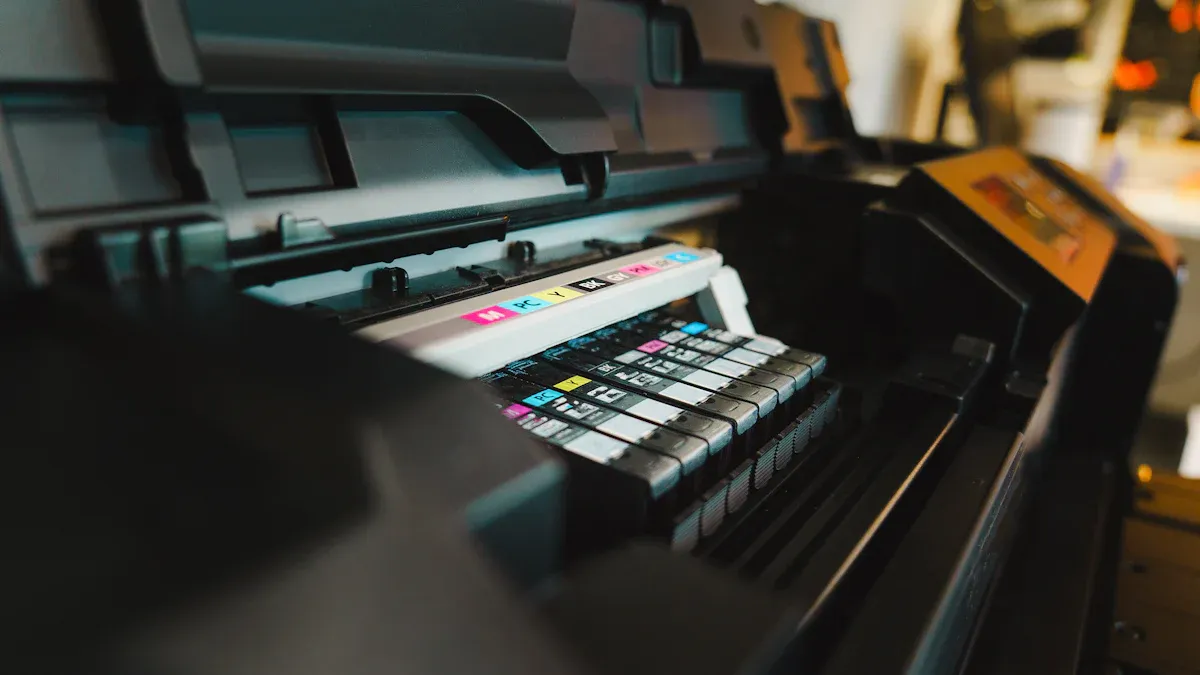
An entrepreneur's journey into the custom apparel world often begins with a DTG Tshirt Printing Machine. The initial purchase is just the first step. Total operational costs include consumables like ink and pre-treatment fluids. Hidden expenses such as maintenance, labor, and waste also greatly affect the bottom line. Understanding these costs is key for profitability.
Key Takeaways
- DTG printers have many costs. These include the printer, ink, and maintenance. You must know all costs to make money.
- Ink is the biggest ongoing cost. Dark shirts use more ink than light shirts. This makes dark shirts cost more to print.
- Regular cleaning saves money. It stops printer problems. This helps your printer last longer and work better.
Breaking Down the Upfront Investment
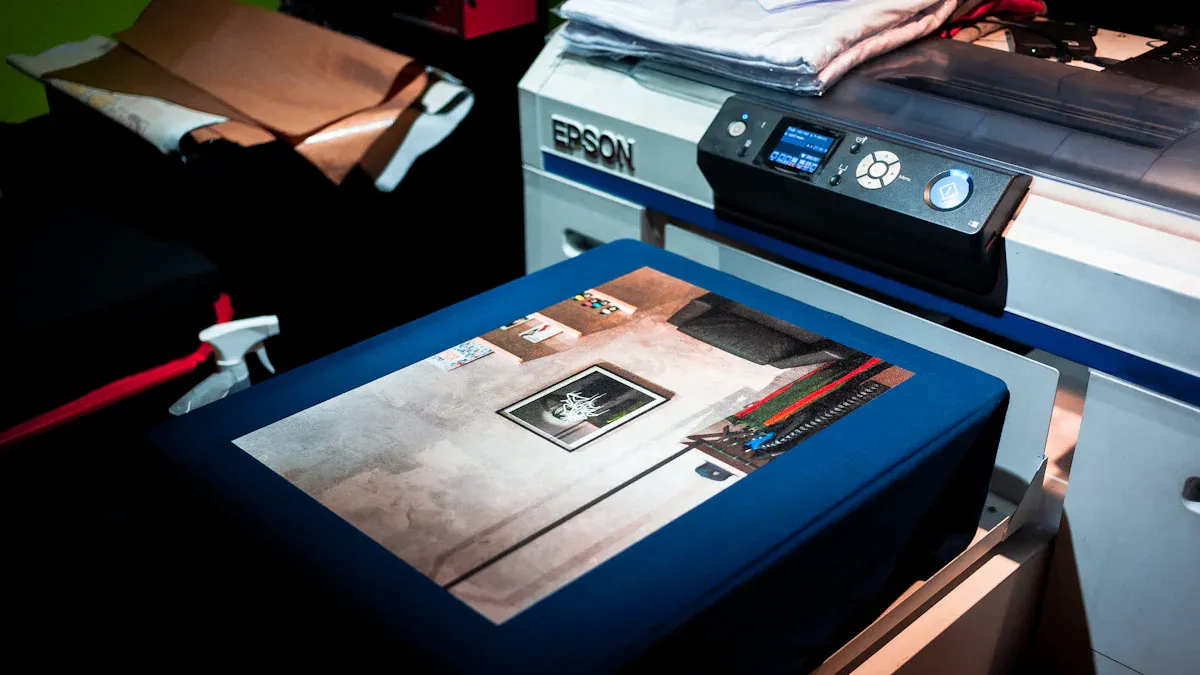
A business owner's initial investment for a small-scale printing operation often falls between $10,000 and $25,000. This total covers the printer and all necessary support items. The printer itself represents the largest single expense.
Printer Price Tiers
DTG printers are available in several price tiers. A business owner must choose a machine that fits their budget and production goals. Entry-level models are great for startups, while industrial machines support high-volume shops.
| Tier | Price Range |
|---|---|
| Entry-Level | $3,000 – $7,000 |
| Mid-Range | $7,000 – $15,000 |
| Professional | $15,000 – $30,000+ |
Note: Popular mid-range options like the Epson SureColor F2100 cost around $12,000, while professional models like the Brother GTX Pro are closer to $19,000.
Essential Support Equipment
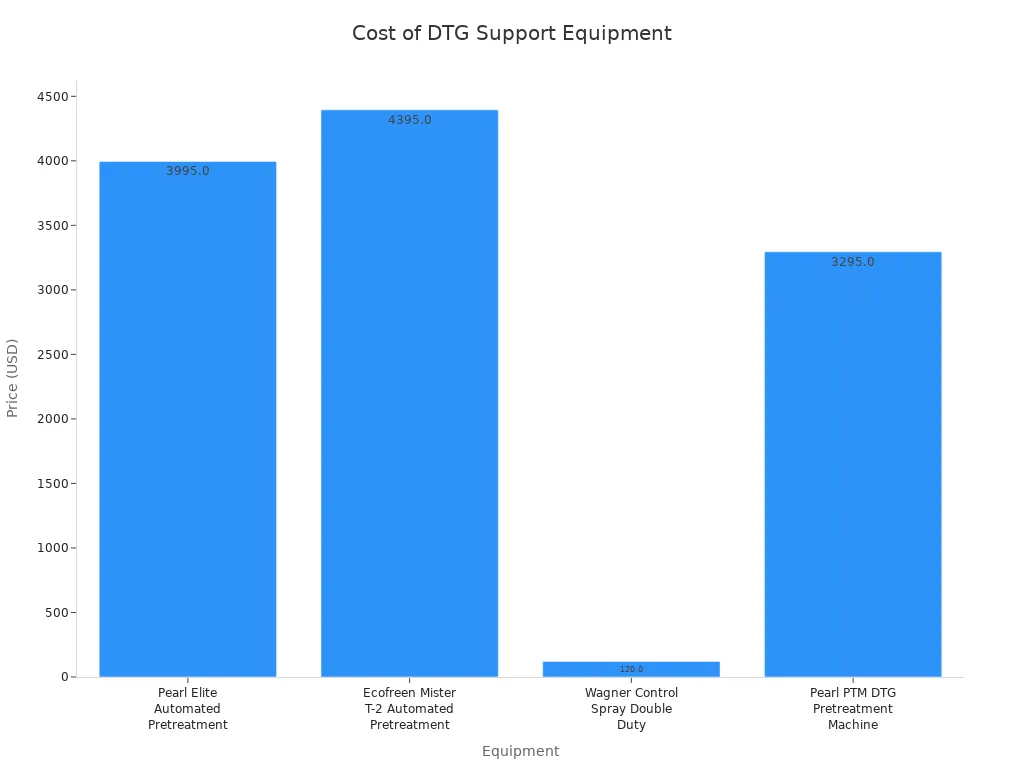
A DTG Tshirt Printing Machine cannot work alone. A heat press is necessary to cure the ink, with prices ranging from $500 to over $2,000. An automated pre-treatment machine is also vital for printing on dark garments. The cost for this equipment varies significantly.
RIP Software and Licensing
Raster Image Processor (RIP) software translates digital designs into printing instructions. It controls color accuracy and ink levels. Some printers include basic RIP software. Advanced versions often require a separate purchase or subscription, adding to the initial cost.
Workspace Setup
Operators need a dedicated workspace. This area requires proper ventilation, stable electricity, and climate control to protect the equipment. Costs may include shelving for supplies, a powerful computer for design work, and furniture.
The Ongoing Cost of Consumables
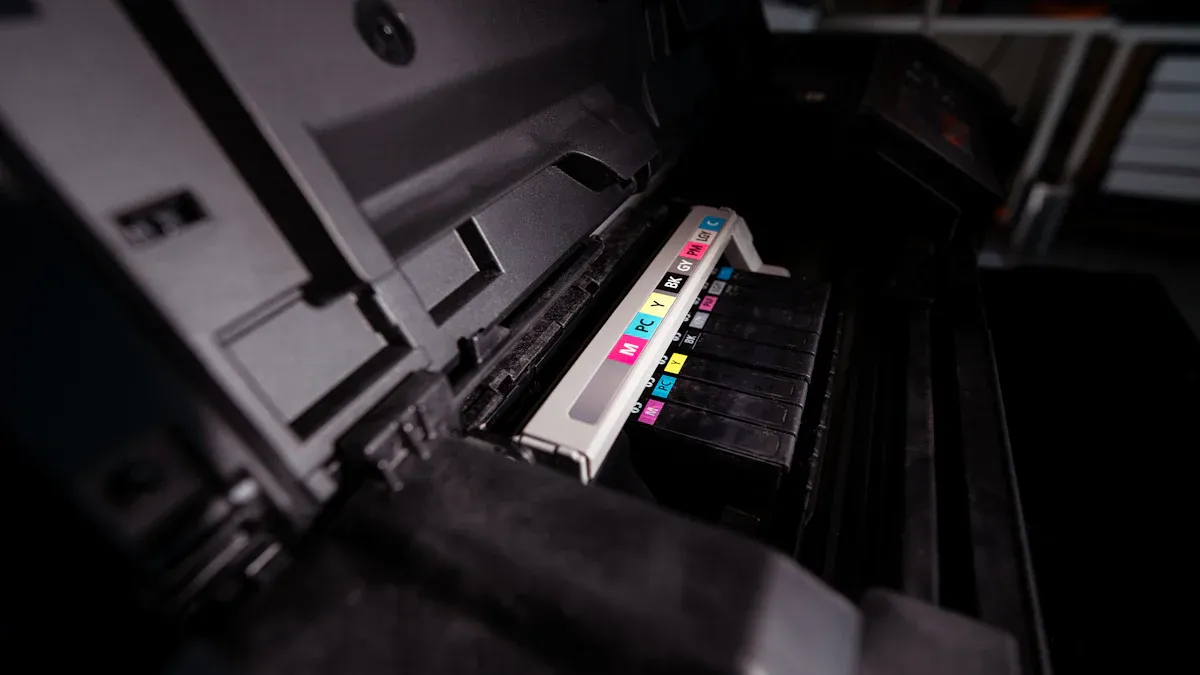
The initial printer purchase is a one-time event. Consumables, however, are a continuous expense that directly impacts the cost of every shirt produced. A business owner must budget for these recurring costs to maintain operations and price products profitably.
Ink: Your Primary Recurring Expense
Ink is the lifeblood of a DTG operation and its most significant ongoing cost. The amount of ink used varies based on design size and color complexity. A single 1-liter bottle of DTG ink can typically produce between 150 and 300 full-sized T-shirt prints. Lighter designs require less ink, increasing the number of prints per bottle. Operators must track ink consumption carefully to manage inventory and calculate the true cost per print.
Pre-treatment Fluids for Dark Garments
Printing on dark or colored garments requires a layer of pre-treatment fluid. This liquid creates a smooth surface for the white ink base, ensuring vibrant colors. The cost of pre-treatment fluid decreases when purchased in larger quantities.
| Size (Gallons) | Price (USD) | Cost per Liter (USD) |
|---|---|---|
| 1 Gallon | $69.99 | $18.49 |
| 2.5 Gallons | $159.99 | $16.91 |
| 5 Gallons | $315.00 | $16.64 |
Garment Blanks
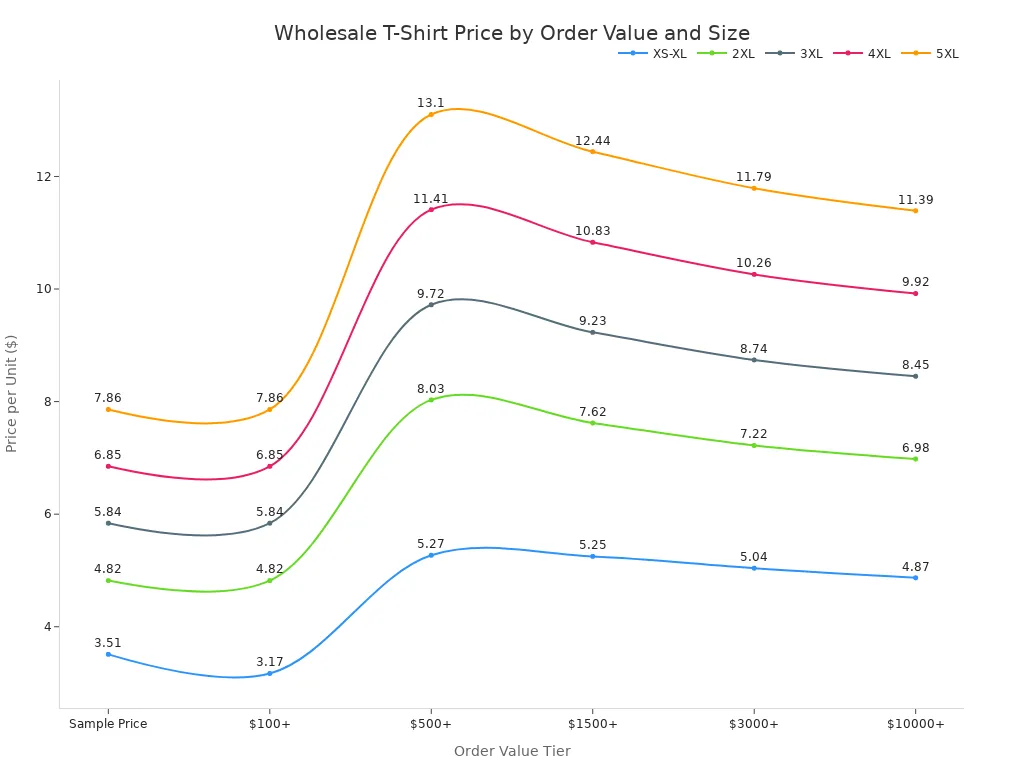
The quality of the blank t-shirt directly affects the final print. Many apparel decorators prefer Bella+Canvas 3001 shirts. Their ultra-soft, 100% Airlume combed cotton provides an excellent surface for clean designs. Wholesale pricing for blanks often depends on the order volume. Buying in bulk typically reduces the cost per shirt.
Cleaning and Maintenance Supplies
Regular cleaning is essential for a DTG printer's longevity and performance. Clogged printheads can lead to poor print quality and expensive repairs.
Tip: Budgeting for routine cleaning supplies prevents costly downtime. Monthly costs for items like cleaning solutions, swabs, and wipes are generally low, often ranging from $10 to $30.
Uncovering Hidden and Indirect Costs
Beyond consumables, several indirect costs can surprise a new business owner. These "hidden" expenses include electricity, labor, and waste. They are crucial for calculating a product's true cost and overall profitability.
Electricity Consumption
DTG printers and their support equipment use a lot of power. A heat press is especially power-hungry. A standard heat press running for an 8-hour workday can consume 11.2 kWh of electricity. This consistent energy use adds a significant amount to the monthly utility bill. Business owners must factor this operational cost into their financial planning.
Labor and Production Time
Time is money, and labor is a major expense. An operator's time directly impacts how many shirts a business can produce. Printing a single dark garment involves several steps:
- Garment pre-treatment: 30–45 seconds
- Printing the white underbase: 60–90 seconds
- Curing the final print: 45–60 seconds
This process shows that one shirt can take several minutes to complete. This production time limits daily output and defines labor costs per item.
Waste, Spoilage, and Misprints
Mistakes are an unavoidable part of the printing process. The industry standard for spoilage, which includes misprints and damaged shirts, is around 3%. This means a shop owner should budget for losing approximately three shirts for every 100 they print. Accounting for this waste is essential for accurate pricing and inventory management.
Software Subscriptions and Upgrades
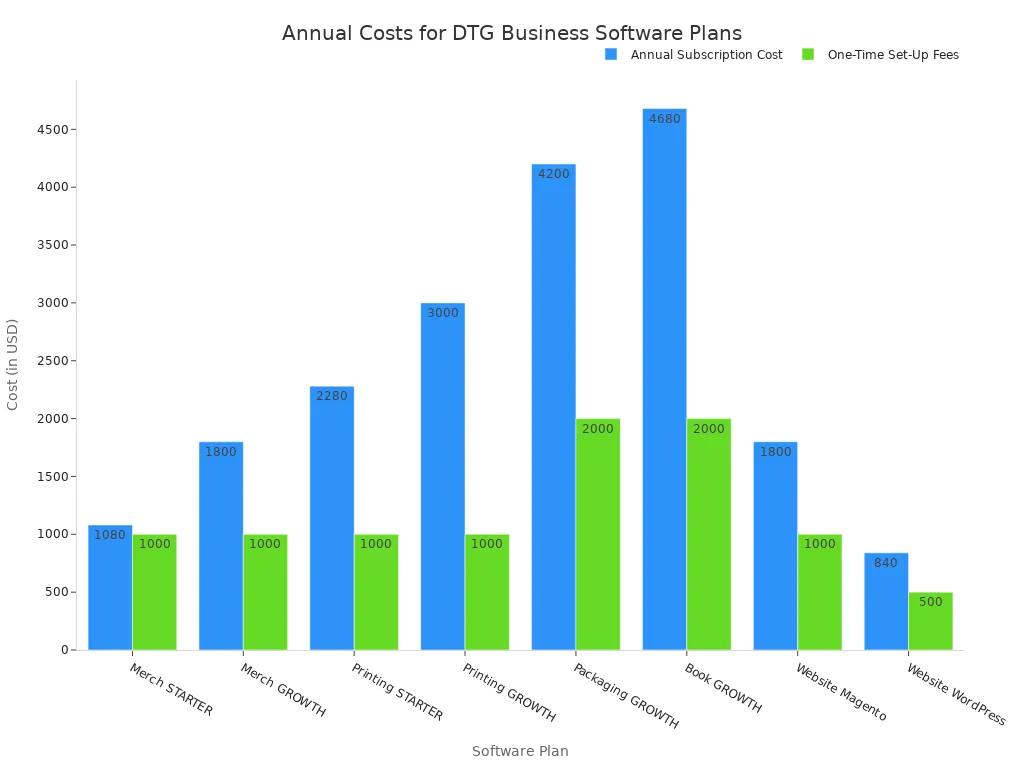
Modern DTG businesses rely on software for design and sales. These tools often come with recurring fees.
Design programs like Adobe Photoshop and Illustrator require monthly subscriptions. E-commerce integrations for platforms like WordPress also have monthly and one-time setup fees. These software costs are a fixed part of the monthly overhead.
Maintenance Costs for Your DTG Tshirt Printing Machine
A DTG Tshirt Printing Machine requires consistent care to operate efficiently. Proper maintenance prevents costly repairs and extends the printer's life. These costs include time spent on routine tasks, replacement parts, and occasional professional help. Budgeting for maintenance is a critical part of running a successful printing business.
Daily, Weekly, and Monthly Tasks
Regular maintenance routines vary by printer model. Following the manufacturer's schedule is essential for preventing ink clogs and ensuring print quality. Some machines demand more hands-on attention than others.
- Brother GTX Pro: This model requires daily white ink agitation and nozzle checks. Operators perform other cleaning tasks on an as-needed basis.
- Epson F-Series: These printers feature a more automated system and do not require daily manual maintenance, following a clear weekly and monthly schedule instead.
Note: Keeping a DTG Tshirt Printing Machine powered on is often necessary. This allows the machine to perform automatic cleaning cycles, which maintains the health of the printheads.
Replacement Parts
Certain components of a DTG printer wear out over time and need replacement. The lifespan of these parts depends heavily on usage frequency, cleaning habits, and ink quality.
- Capping Station: This part can show wear after six months of use. Regular cleaning helps extend its life.
- Wiper Blade: This component often wears out faster than the capping station and needs frequent inspection.
- Printhead: The printhead is a major component whose longevity is directly tied to consistent maintenance and proper operation.
Proactive care helps a business owner maximize the life of each part.
Professional Servicing
Sometimes, a problem is too complex for an operator to fix. In these cases, a certified technician is necessary. Professional service calls can be expensive, often including charges for travel time, labor, and parts. When purchasing a DTG Tshirt Printing Machine, a business owner should inquire about warranty coverage and extended service plans. These options can help manage unexpected repair costs and minimize downtime.
Calculating Your True Cost and ROI
Understanding every expense is the first step toward profitability. The next step is using that data to calculate the cost of each product and set a price that guarantees a healthy return on investment (ROI). This process allows a business owner to make informed decisions and build a sustainable operation.
Cost Per Shirt: Light vs. Dark Garment
The color of a garment directly impacts its production cost. Printing on dark-colored t-shirts is more expensive than printing on light-colored ones. This is primarily because dark fabrics require a white ink underbase. This extra layer of ink ensures the design's colors appear bright and vibrant. Applying the underbase also adds a pre-treatment step, which increases labor time and material use. In contrast, light shirts use less ink and do not need pre-treatment, making them cheaper and faster to produce.
The table below breaks down the key cost differences between printing on light and dark garments.
| Factor | Light-Colored T-Shirt | Dark-Colored T-Shirt |
|---|---|---|
| Ink Usage | Less ink required | More ink required; needs white ink underbase |
| Pre-treatment | Not typically required | Required for white ink underbase |
| Labor | Less labor-intensive | More labor due to pre-treatment |
| Blank Garment Price | $1.50 - $4.00 per shirt | $1.50 - $4.00 per shirt |
| Single Item Cost | $15 - $18 | $20 - $30 |
| Bulk Order (50+ items) | $8 - $10 per shirt | $10 - $12 per shirt |
A Formula for Profitable Pricing
Successful print shops often use a "Cost-Plus Pricing" strategy. This method involves calculating the total production cost for one shirt and then adding a markup to achieve a target profit. This ensures that every sale covers expenses and contributes to the business's growth.
To calculate the total cost, a business owner must account for all inputs. This includes direct costs like the blank garment, ink, and pre-treatment fluid. It also includes indirect costs like labor, packaging, shipping, and a portion of overhead expenses like rent and software.
A simple formula helps organize these costs:
Total Cost Per Shirt = (Garment + Ink + Pretreat + Labor + Packaging + Overhead + Spoilage)
Once the total cost is clear, the business can set a retail price.
Selling Price = Total Cost Per Shirt + Desired Profit
Track Your KPIs for Success 📈 To truly manage profitability, a business must track Key Performance Indicators (KPIs). A healthy gross profit margin for custom apparel is typically 40% to 60%. Well-managed shops can achieve a net profit margin of 7-10% by controlling expenses. Tracking these numbers helps a business owner understand financial health and make strategic adjustments.
Strategies to Minimize Costs
Lowering operational costs directly increases profit margins. Several strategies can help a business owner reduce expenses without sacrificing the quality of their DTG Tshirt Printing Machine prints.
- Optimize Your Workflow: Batching similar print jobs is a powerful tactic. Grouping orders by garment color, such as printing all white shirts together, reduces machine setup time and consumable waste. This simple change can lower operational expenses by 15-20%.
- Buy Consumables in Bulk: Purchasing supplies like ink and pre-treatment fluid in larger quantities lowers the cost per unit. For example, switching from small ink cartridges to a bulk ink system can cut consumable costs nearly in half.
- Refine Printer and Design Settings: Calibrating printer settings and matching the resolution to the garment can save a surprising amount of ink. Additionally, creating designs that strategically use negative space (the shirt's color) reduces the total ink needed for a print.
- Prioritize Regular Maintenance: A consistent cleaning routine prevents printhead clogs and other issues that waste ink and cause downtime. Maximizing equipment uptime is crucial, as unplanned repairs can cost hundreds of dollars per hour in lost revenue.
- Train Your Team: A well-trained operator makes fewer mistakes and works more efficiently. Investing in training helps staff manage printer settings, troubleshoot minor issues, and follow best practices, which reduces waste and boosts productivity.
A business owner must budget for the entire operation, not just the high upfront cost of a DTG Tshirt Printing Machine. They must understand all expenses, from expensive ink to daily maintenance needs. This complete financial picture allows an owner to set profitable prices and build a sustainable business.
FAQ
How much does it cost to print one shirt?
The cost depends on the garment color. A light-colored shirt is cheaper to produce. A dark shirt costs more because it needs a white ink underbase and pre-treatment fluid.
Is a DTG printing business profitable?
Yes, a DTG business can be very profitable. Success requires managing all expenses, from ink to labor. A business owner should aim for a gross profit margin of 40-60%.
What is the biggest ongoing expense for a DTG printer?
Ink is the most significant recurring cost. It directly affects the price of every shirt. A business owner must track ink consumption carefully to manage their budget and profitability.