Zoran's Tripotassium Phosphate K3PO4 CAS 7778-53-2 Food Grade Boosts Meat Quality
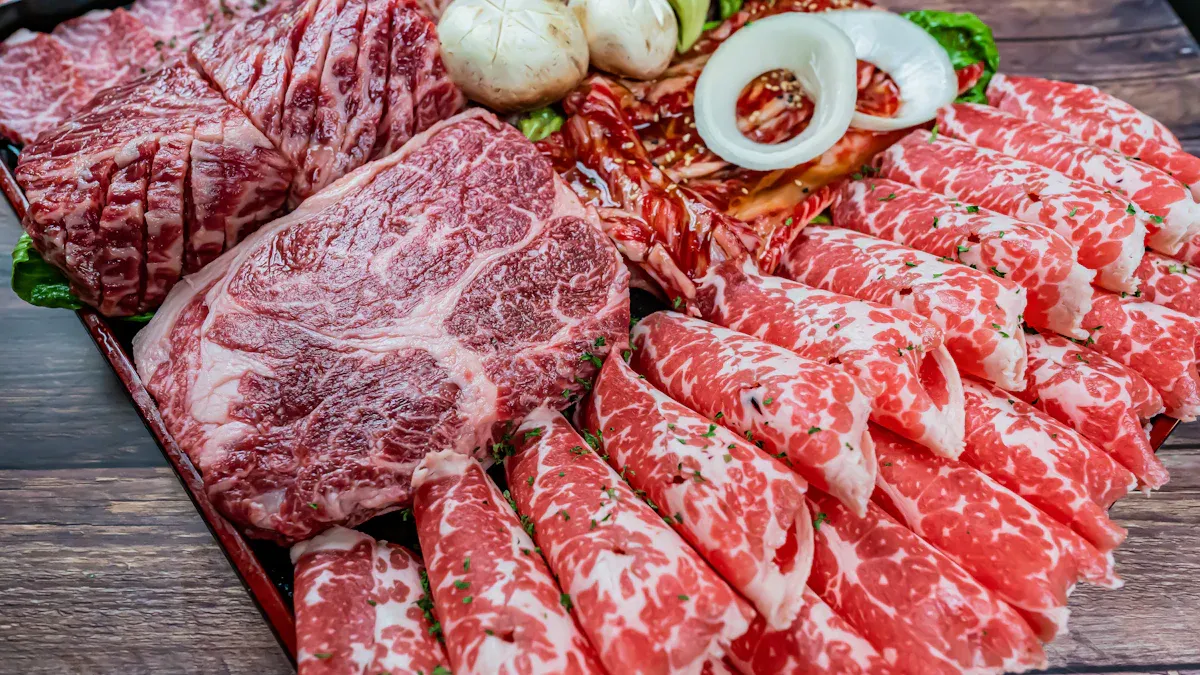
Tripotassium phosphate K3PO4 CAS 7778-53-2 food grade is a vital additive in the meat industry. It significantly increases product yield. The ingredient also improves texture and extends shelf life for processed meats.
As a powerful pH buffer, sequestrant, and emulsifier, it directly enhances the quality and stability of hams, sausages, and deli meats.
Key Takeaways
- Tripotassium Phosphate (TKP) helps meat hold more water. This makes meat juicier and increases how much product you get.
- TKP makes meat texture better. It helps fat and water mix well, so products like sausages are firm and easy to slice.
- TKP keeps meat looking and tasting fresh. It stops bad changes in color and flavor, making products last longer.
Core Functions of TKP in Meat Processing
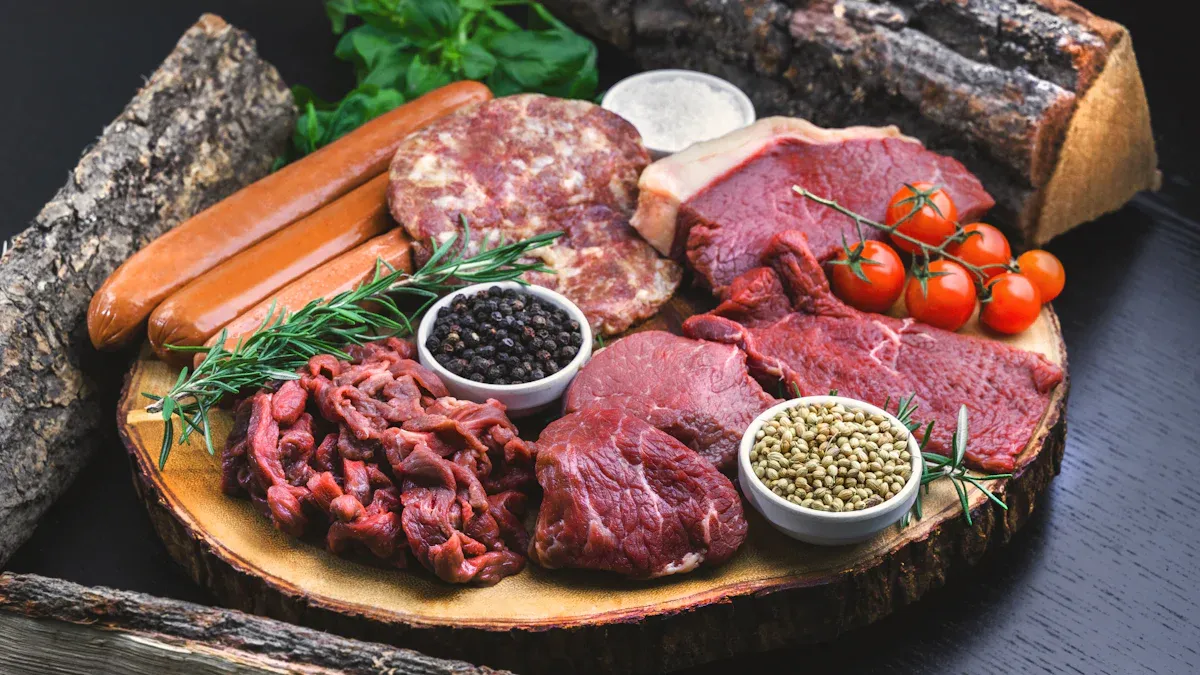
Zoran's Tripotassium Phosphate performs several critical functions that directly improve the final quality of processed meat products. Its primary actions involve modifying the meat's chemistry to enhance moisture retention, texture, and stability. These improvements translate to a superior product for consumers and better efficiency for processors.
Boost Water-Holding Capacity and Yield
One of the most significant financial benefits of using phosphates is the increase in product yield. Tripotassium phosphate K3PO4 CAS 7778-53-2 food grade achieves this by effectively raising the pH of the meat. This alkaline environment alters the protein structure at a cellular level. The change causes meat proteins to unwind and create more space between them, allowing them to bind and hold more water.
This process significantly reduces "purge," which is the moisture that seeps out of packaged meat. It also minimizes water loss during cooking. For processors, this means a heavier, juicier final product from the same amount of raw meat, directly boosting profitability.
The ingredient's ability to create an alkaline condition is key. This higher pH level disrupts the meat's cellular membranes. This disruption allows the muscle fibers to absorb and retain moisture that would otherwise be lost during processing, storage, and cooking.
Improve Texture and Emulsion Stability
Texture is a defining characteristic of quality processed meats. Tripotassium phosphate K3PO4 CAS 7778-53-2 food grade acts as a superior emulsifier, creating a firm, uniform, and sliceable texture. In products like sausages, hot dogs, and luncheon meats, fat and water must remain perfectly blended.
The phosphate helps proteins extract from the muscle. These extracted proteins then coat fat globules, preventing them from clumping together and separating from the water. This creates a stable emulsion that holds up during cooking and slicing. The benefits include:
- Firmness: Products have a satisfying, firm bite.
- Sliceability: Deli meats can be sliced thinly without crumbling.
- Reduced Greasiness: Fat remains locked within the emulsion, preventing a greasy mouthfeel or appearance.
- Consistency: Every bite of the product has the same high-quality texture.
Preserve Natural Color and Flavor
The visual appeal and taste of meat are crucial for consumer acceptance. Phosphates play a protective role in maintaining these qualities. Tripotassium phosphate acts as a sequestrant, which means it binds and inactivates metal ions naturally present in meat, such as iron and copper.
These metal ions can accelerate oxidation, a chemical process that causes undesirable changes. By neutralizing them, Zoran's TKP helps preserve the product in several ways.
| Problem | TKP Function | Result |
|---|---|---|
| Color Fading | Sequesters metal ions | Prevents oxidation, preserving the fresh pink/red color. |
| Off-Flavors | Inhibits lipid oxidation | Prevents the development of rancid or stale flavors. |
| pH Fluctuation | Acts as a pH buffer | Maintains a stable pH, further protecting color and flavor. |
This stabilizing action extends the product's shelf life, ensuring it looks and tastes fresh from the processing plant to the consumer's table.
Application Guide for Tripotassium Phosphate K3PO4 CAS 7778-53-2 Food Grade

Proper application is key to unlocking the full potential of Tripotassium Phosphate in meat processing. Following established guidelines for dosage, mixing, and compliance ensures consistent, high-quality results and operational safety. This guide provides meat processors with the essential information needed to effectively integrate Zoran's TKP into their production lines.
Recommended Dosage and Mixing Methods
Achieving optimal results starts with the correct dosage. The amount of TKP needed depends on the specific meat product and local regulations. Generally, processors add phosphates at a level that results in no more than 0.5% total added phosphate in the finished product.
Note: For most meat products, the recommended usage limit is at or below 3 grams per kilogram (≤3g/kg). Always consult specific product guidelines and regulatory standards.
Effective mixing is equally important. Processors must fully dissolve TKP into a brine solution to ensure it is evenly distributed throughout the meat. This prevents issues like clogged injector needles and inconsistent product quality. Specialized equipment is essential for preparing these solutions.
Brine mix systems create a uniform blend of all ingredients. These systems use stainless steel tanks for durability and easy cleaning. They also offer precise temperature control and connect smoothly with injectors and other equipment. For dissolving powders like TKP, processors rely on:
- High Shear Mixers: Equipment like Rotostat and Rotosolver mixers are crucial for properly dissolving phosphates into the brine.
- Powder Induction Systems: Systems such as Fastfeed and Optifeed rapidly introduce and wet dry ingredients into the liquid brine.
Once the brine is prepared, it is introduced into the meat using specific machinery:
- Brine Pumps and Injectors: These devices range from simple single-needle injectors to automated multi-needle machines that inject the brine deep into the muscle.
- Vacuum Tumblers: Industrial or table-top tumblers massage the brine into the meat under vacuum pressure, ensuring deep penetration and tenderization.
Synergies with Salt and Curing Agents
Tripotassium phosphate works exceptionally well with other common meat ingredients, especially salt (sodium chloride) and curing agents. This synergy enhances the overall quality of the final product.
Salt is essential for flavor and protein extraction. When combined with TKP, its effectiveness increases significantly. The alkaline environment created by TKP helps the salt draw out more myofibrillar proteins. These proteins are vital for binding water and fat, leading to a firmer texture and higher yield.
Pro Tip: Using TKP and salt together creates a powerful combination. TKP opens up the protein structure, and salt moves in to bind moisture. The result is a juicier, more succulent product with minimal moisture loss.
TKP also supports the function of curing agents like sodium nitrite. It provides a stable pH, which is important for the chemical reactions that develop the characteristic pink color of cured meats. This stability ensures consistent color and helps protect against flavor degradation over time.
Regulatory Compliance and Safety
Using food additives requires strict adherence to safety and regulatory standards. Zoran's Tripotassium phosphate K3PO4 CAS 7778-53-2 food grade is produced to meet global compliance requirements, giving processors confidence in its safety and quality.
The United States Food and Drug Administration (FDA) lists inorganic phosphates as Generally Recognized As Safe (GRAS). The FDA regulates the maximum usage levels to ensure consumer safety. In the European Union, food additive legislation (Regulation (EC) 1333/2008) sets the maximum allowed concentration of phosphates in meat products at 5,000 mg/kg, expressed as P2O5.
Labeling requirements differ by region.
- In the European Union, food additives must be listed on the product label with their assigned E number. Potassium phosphates are designated as E 340. This informs consumers of their presence.
- In the United States, processing aids that do not have a functional effect in the final food may be exempt from labeling requirements.
Zoran is committed to the highest quality standards. Our facilities and products hold numerous certifications that verify their safety and suitability for food production.
Key Certifications and Standards:
- Halal and Kosher Certified
- ISO 9001 and ISO 22000 (FSSC22000)
- HACCP, cGMP, and FDA GMP
- REACH Compliant
| Category | Standard/Limit |
|---|---|
| ADI (as phosphorus) | 0–70 mg/kg (FAO/WHO) |
| Compliance Standard | GB1886.327-2021 |
| Compliance Standard | FCC VII |
Partnering with Zoran ensures you receive a high-purity product that meets rigorous international safety and quality benchmarks, protecting your brand and your customers.
Tripotassium phosphate K3PO4 CAS 7778-53-2 food grade is an essential tool for meat processors. It enhances product quality, extends shelf life, and improves consumer appeal by delivering higher yields and superior texture. Partnering with Zoran provides access to high-purity TKP, optimizing both product quality and operational efficiency.
FAQ

How does TKP increase meat yield?
Tripotassium phosphate raises the meat's pH. This action helps proteins bind more water. The process reduces moisture loss during cooking, resulting in a heavier and juicier final product.
Is Tripotassium Phosphate safe for food?
Yes, regulatory bodies like the FDA recognize it as Generally Recognized As Safe (GRAS). Processors must follow specific usage limits to ensure consumer safety and maintain product quality.
See Also
Clever Methods to Incorporate Bovine Gelatin Powder into Everyday Cooking
Unlocking the Potent Health Benefits of Bovine Gelatin Powder Supplementation
Bovine Gelatin: A Comparative Analysis with Fish and Pork Varieties
Identifying High-Quality Bovine Gelatin Powder: Essential Indicators to Recognize
Innovations in Heat Exchanger Manufacturing Significantly Boost Industrial Efficiency